REVIEW · ZANZIBAR ARCHIPELAGO
Zanzibar: Maasai World Tour with Cultural Practices
Book on GetYourGuide →Operated by Zanturtle Explore Tours and Safaris · Bookable on GetYourGuide
Zanzibar’s Maasai World tour is short, structured, and full of hands-on moments. You’ll get a guided look at Maasai life in the Unguja South Region, with singing, dancing, and a few activities that turn culture from a concept into something you can see.
I especially like two things: the chance to watch and join the traditional song and dance (including the iconic jump and sing), and the way the guide connects daily routines to bigger topics like marriage traditions, costumes, tribal beliefs, and food. It’s not just photos and souvenirs.
The one drawback to consider is language consistency. The tour lists multiple languages, but in practice, your guide’s comfort can vary, so you may find English is the safest bet.
In This Review
- Key things you’ll notice right away
- A smart 2-hour Zanzibar culture stop
- Getting picked up in Unguja South and meeting your guide
- Life in Maasai housing: what you’ll actually see
- The jump-and-sing dance: participation over spectatorship
- Marriage traditions and costumes: the meaning behind what looks striking
- Archery, fire lighting, and other hands-on moments
- Beaded jewelry browsing: what to do with souvenirs
- What’s included in the price, and why $42 can be fair
- Who should book this tour, and who might skip
- Small practical tips before you go
- Should you book Maasai World in Zanzibar?
- FAQ
- How long is the Maasai World tour in Zanzibar?
- Where does the tour take place?
- Is hotel pickup and drop-off included?
- What languages are available for the live guide?
- What activities are included during the visit?
- Is a meal included in the price?
- Can I cancel and get a full refund?
Key things you’ll notice right away
- Hotel pickup and drop-off makes this easy for a tight Zanzibar day
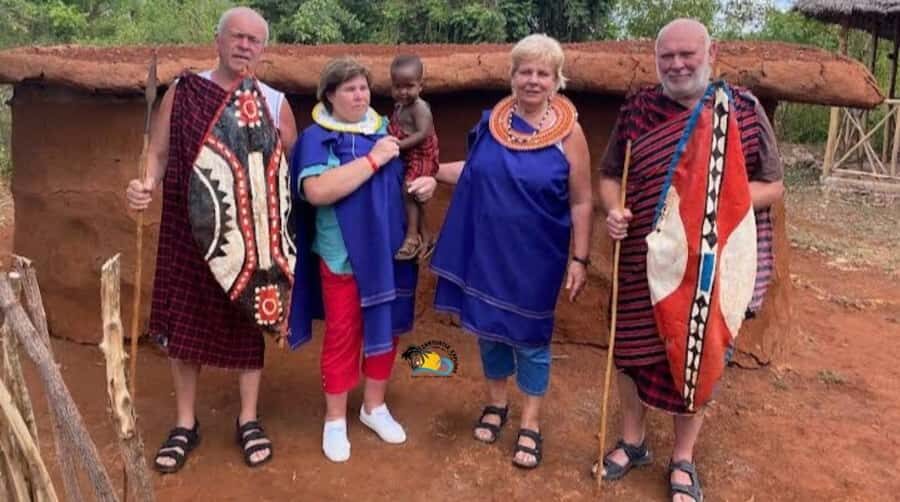
- Hands-on Maasai activities like trying traditional archery and dressing in costume
- Dance you can join, not just stand and watch
- Mud housing and daily life are part of the visit, not an afterthought
- Bead jewelry browsing gives you a chance to see the craft up close
- English availability is strong, but other languages may depend on the guide
A smart 2-hour Zanzibar culture stop
This tour is priced at $42 per person and lasts about 2 hours, which matters more than you’d think in Zanzibar. You’re getting a concentrated cultural program without needing a whole day plan or a long transfer.
What you’re paying for isn’t only the performance. It’s the guided walk-through of how Maasai families live, plus interactive time that lets you participate in activities like singing, dancing, archery, and costume try-ons. For many visitors, that combo is the real value: you learn while you’re doing, not after the moment has passed.
One more plus: the visit includes a welcoming bottle of water and hotel pickup and drop-off. That reduces the usual Zanzibar friction—finding transport, negotiating rides, and losing time.
You can also read our reviews of more tours and experiences in Zanzibar Archipelago.



Getting picked up in Unguja South and meeting your guide
You’ll meet your team in your hotel lobby or reception area. A driver with a tour guide picks you up there, then you’re taken to Maasai World for the cultural session.
This is set up as a private group, so you’re not stuck in a huge crowd. That tends to make it easier to ask questions and adjust your pace—especially during activities where people naturally want to ask how things work or what certain traditions mean.
As for language: the tour guide is listed as English, French, German, and Italian. In real terms, you should plan for a best-case and a most-likely scenario. English typically feels the smoothest option, and other languages can depend on the specific guide you’re assigned.
If you have specific requests—like focusing more on marriage customs, costumes, or language—there’s a chance to write those down before the tour.
Life in Maasai housing: what you’ll actually see
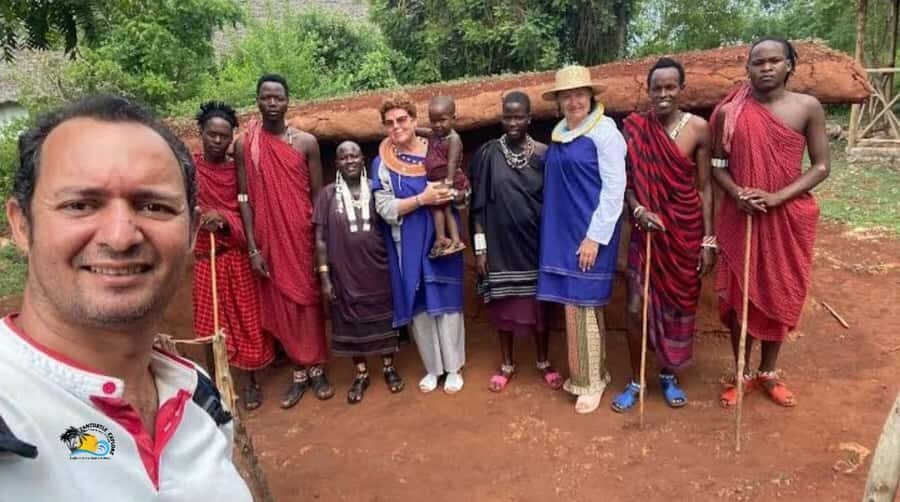
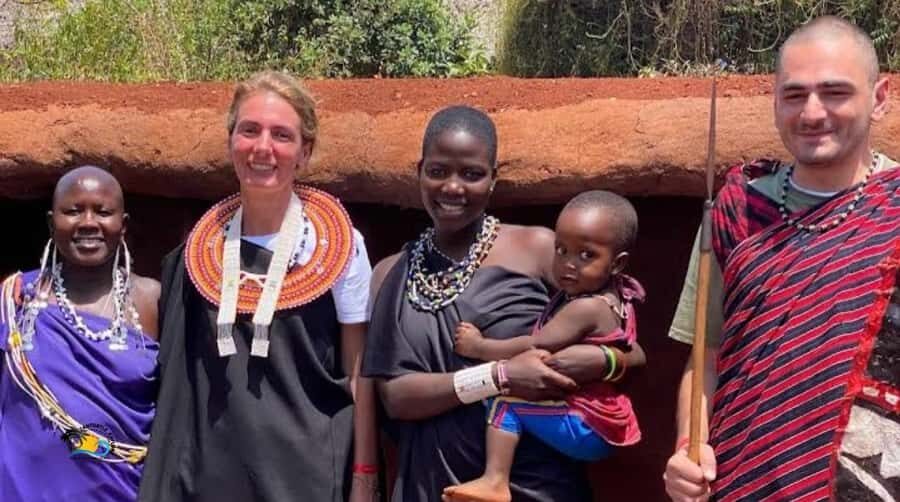
A big part of this experience is getting your eyes on daily life. You’ll see housing—including the low mud houses used by families—plus some day-to-day activities.
This is where the tour earns its keep. You’re not just being told that Maasai culture is different. You get to see a few physical details (how homes look, how space feels, how daily routines might be organized) and then connect that to beliefs, costumes, food, and lifestyle.
A practical point: mud housing and close-up cultural displays can feel sensitive to some visitors. You’ll want to stay respectful, keep your camera use thoughtful, and follow your guide’s cues. If you do that, you’ll come away with a much clearer picture.
The jump-and-sing dance: participation over spectatorship
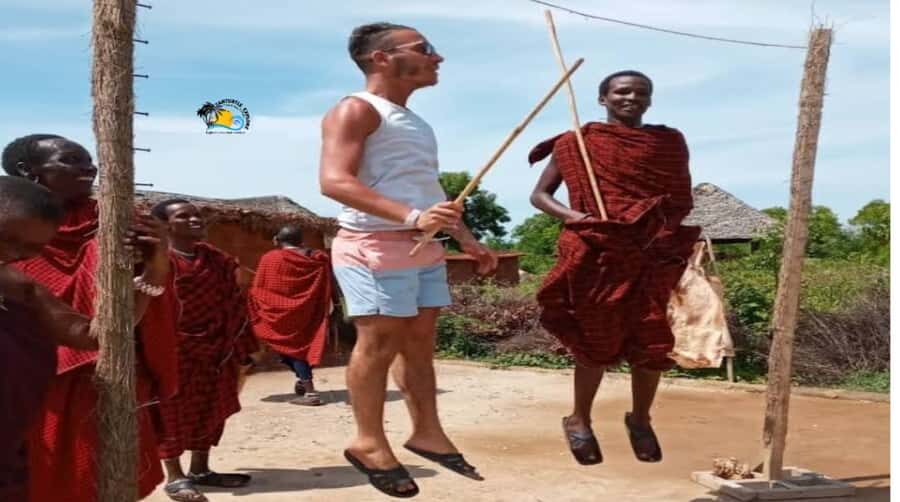
The centerpiece moment is the Maasai performance—song and dance—and you’re invited to join in with the group. Expect the iconic Maasai-style jump and sing as part of the program.
Even if you don’t think you’re a dancer, this is usually fun because it’s interactive in a friendly way. You get energy, motion, and a real sense of occasion. It’s also a good reminder that dance here isn’t only entertainment; it ties into community life and cultural storytelling.
One thing I’d watch for is your own comfort with physical participation. You may be asked to join in with the group during the dancing. If you’d rather not be active, you can still enjoy the performance, but you should be honest with your guide about what you feel comfortable doing.
Marriage traditions and costumes: the meaning behind what looks striking
Beyond the performance, the tour includes time to learn about Maasai traditions. You’ll hear about marriage traditions and also learn how costumes fit into identity and community roles.
Costumes matter here because they aren’t only visual. They’re part of how people signal status, belonging, and cultural continuity. When your guide explains the background—how things are worn, why certain elements are valued, and what they represent—it helps you look past the novelty and toward the actual symbolism.
You’ll also get a look at language and tribal beliefs. The tour is structured so it doesn’t feel random. You’re moving from daily life to cultural practice, and then into the deeper themes behind what you saw.



Archery, fire lighting, and other hands-on moments
The tour includes activities that are more than just posing for a quick shot.
You’ll:
- try on traditional Maasai clothing
- have a go at traditional archery
- learn how to light a fire (as explained during the visit)
These are great because they change the tone from lecture to participation. If you’re the type who remembers things better after you try them, you’ll likely enjoy this part a lot.
A practical consideration: archery and any guided hands-on activity can be a little tiring if you’re not used to it, and you’ll want to wear shoes that feel stable. The tour info doesn’t specify footwear, so I’d treat it as a “bring comfy practical shoes” situation.
Also, camera use is encouraged, but be ready for moments where you’ll want to watch more than record. The best memories often come when you’re fully present for the dance and explanations.
Beaded jewelry browsing: what to do with souvenirs
Near the end, there’s time to browse a collection of traditional beaded jewelry for sale.
This isn’t just shopping time. Seeing the jewelry close-up connects back to what you learned about costumes and cultural identity. And it can be a nice way to bring something home that feels linked to the visit rather than a generic beach trinket.
If you decide to buy, take your time. Ask what you’re looking at and how it relates to Maasai traditions. You’re not only paying for an item—you’re funding a craft tradition and supporting people directly connected to it.
What’s included in the price, and why $42 can be fair
At $42 per person, the cost can feel either high or fair depending on what you compare it to. Here’s what you get for that price:
Included:
- Maasai culture and traditions
- a welcoming bottle of water
- interactive activities with Maasai people
- traditional Maasai song and dance performance
- opportunity to purchase souvenirs made by the tribe
- hotel pickup and drop-off
Not included:
- meal and drink
- person expenses
So the real question is: does the tour include enough active cultural content for two hours to be worth it? For most people who want more than a photo stop, yes. You’re getting a full package: housing + daily activities + explanations + dance + hands-on activities.
The “watch your expectations” part is meals. If you’re doing this in the middle of your day, plan your lunch or snack before or after. Also, budget for the possibility of shopping if you want a piece of beaded work.
Who should book this tour, and who might skip
This tour is a strong fit if you:
- want a short, guided cultural experience without committing to a full day
- like interactive activities (dressing up, archery try, joining dance)
- enjoy learning about traditions like marriage customs and costume meaning
- appreciate guided context, not just a performance
You might want to skip or choose something else if you:
- don’t want any participation in dance or hands-on activities
- prefer culture tours that are more focused on history or architecture than on performance and interaction
- get uncomfortable with close cultural displays and souvenir selling
If you’re traveling with kids, this can be a great “learn while you move” activity, as long as the group feels comfortable with joining the dance and trying archery.
Small practical tips before you go
Bring:
- a sun hat
- a camera
- sunscreen
I’d add one more habit: bring a curious mindset. Ask questions. If there’s something you want clarified—marriage customs, language, daily routines, or beliefs—this tour is set up for a back-and-forth style explanation.
And since language can vary, have a backup plan in your head. If your guide’s French or another listed language isn’t as strong, you’ll still likely get the core experience through English.
Should you book Maasai World in Zanzibar?
I’d book it if your goal is a 2-hour, guided, participatory Maasai experience with clear explanations and a few practical activities. The $42 price makes sense when you value the full package—pickup, dance and singing you can join, costume try-ons, archery practice, and a look at mud housing and daily life.
I wouldn’t book it if you want a quiet, sit-and-listen museum-style visit, or if you’re sensitive to active participation. In that case, the dancing and hands-on elements could feel like pressure.
If you’re on the fence, here’s the simplest decision rule: if you’re excited to join the dance and try a couple of activities, this tour is likely a good use of your Zanzibar time.
FAQ
How long is the Maasai World tour in Zanzibar?
The experience runs for about 2 hours.
Where does the tour take place?
It’s in the Unguja South Region, Tanzania, at Maasai World in Fukuchani, Zanzibar.
Is hotel pickup and drop-off included?
Yes. Pickup and drop-off are included, with the meeting point in your hotel lobby or reception area.
What languages are available for the live guide?
The live guide is listed as English, French, German, and Italian.
What activities are included during the visit?
You can expect Maasai culture learning, a traditional song and dance performance, opportunities to dress in traditional Maasai clothing, try traditional archery, and learn how to light a fire, plus joining in with the Maasai dance.
Is a meal included in the price?
No. Meals and drinks are not included.
Can I cancel and get a full refund?
You can cancel up to 24 hours in advance for a full refund.