REVIEW · ARUSHA
Day Trip to Ngorongoro Crater
Book on Viator →Operated by East Safaris · Bookable on Viator
The Ngorongoro Crater does not do subtle. One trip here can mean seeing big herds, sharp predators, and dramatic scenery all in the same day. The standout for me is the over-600-meter descent and the built-in 4-hour game drive, which gives you real time to spot wildlife. The one drawback to plan around is that this is a full 8-hour outing, so you’ll want to be ready for a long day away from Arusha.
I like that the day is run like a tight safari plan: pickup around 7:00am, private transportation, a packed picnic-style lunch, and plenty of time inside the crater where wildlife density is the whole point. And because the crater ecosystem has year-round water and fodder, you’re not relying on perfect season timing just to find animals. Still, predator spotting can take patience, and even with a good guide it sometimes means careful scanning rather than guaranteed leopard sightings.
In This Review
- Key things to know before you go
- Ngorongoro Crater safari from Arusha: what makes this day trip special
- The 600-meter descent and what you can expect on the first stop
- How to get the most out of the 4-hour game drive
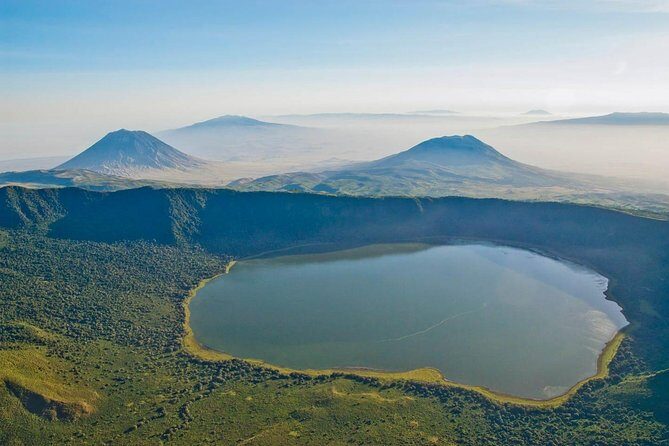
- Lake Magadi stop: a good break from crater-only driving
- What’s included: lunch, water, transport, and the real meaning of the package
- Small group size (max 6): why it improves your Ngorongoro day
- Price and value: is $345 a fair deal for a full day?
- Who should book this Ngorongoro day trip?
- Booking advice: how to choose the right mindset for Ngorongoro
- Should you book East Safaris for Ngorongoro Crater?
- FAQ
- How long is the Ngorongoro Crater day trip?
- What time does the tour start?
- Where does the tour start and end?
- What’s included in the price?
- Is pickup from Arusha included?
- How big is the group?
- What is not included?
Key things to know before you go
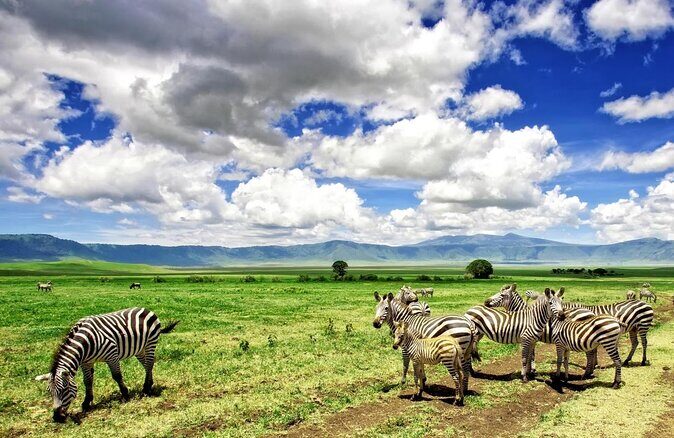
- Over 600 meters down into the crater: you’re not just driving around, you’re going deep for better odds at close wildlife viewing
- 4 hours of game drive time: enough minutes to re-check key areas instead of feeling rushed
- Picnic lunch included: you eat on safari without turning the day into a separate meal quest
- Predators are part of the plan: lions, hyenas, jackals, cheetahs, and leopard are possible, and trained eyes matter
- Small group size (max 6): easier conversation with your guide and a calmer vehicle vibe
- Lake Magadi stop: a short extra viewpoint during the day, so it’s not just crater-only driving
Ngorongoro Crater safari from Arusha: what makes this day trip special
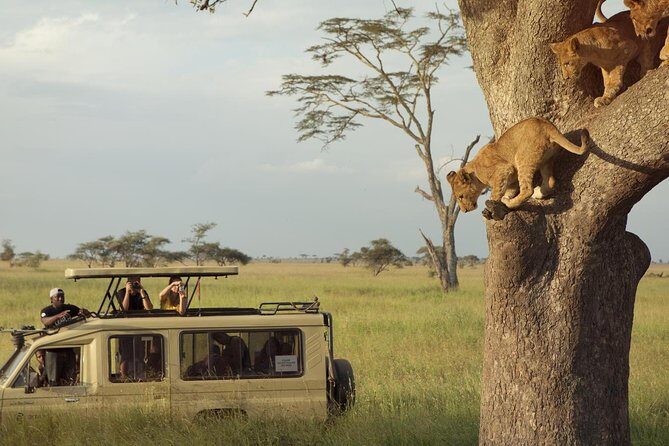
If you’re using Arusha as your base, this is one of the most efficient ways to experience Tanzania’s top-tier wildlife scenery in a single day. The Ngorongoro Crater is famous because it concentrates animals, so your time doesn’t vanish driving between far-flung areas. You’re also descending into the crater itself, which changes the whole feel of the day. Instead of a flat lookout where you watch wildlife at a distance, you get a true “in the bowl” safari experience.
The practical beauty of this day trip is that it’s organized around viewing time. You depart around 7:00am, descend into the crater, and spend roughly 4 hours on the game drive. That time block matters because wildlife spotting often comes down to waiting for movement—an animal stepping into view, a predator making a move, or a herd shifting direction.
Another reason I’d call this a strong value is the way the basics are handled for you: picnic lunch, drinking water (1.5L), and professional guidance are included. That reduces the risk of your day turning into a scramble for small things once you’re out on safari.
A few more Arusha tours and experiences worth a look


The 600-meter descent and what you can expect on the first stop
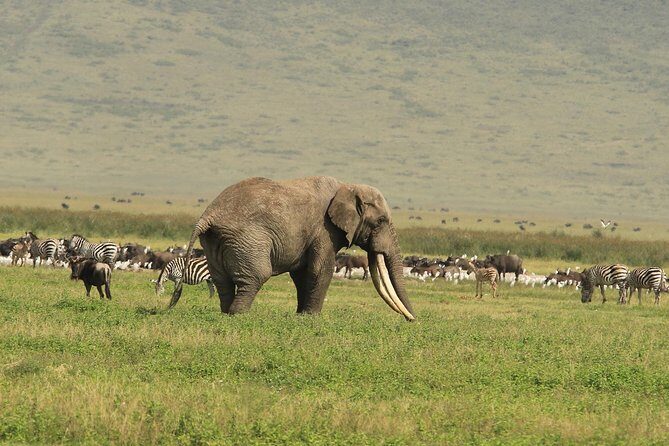
Your day is built around the crater descent and the game drive inside. You’ll be picked up from Arusha town at about 7:00am and head to the Ngorongoro Conservation area. From there, you’ll descend over 600 meters into the crater. That number is not just trivia. Going down that much helps set up the closed, protected environment where animals gather, and it’s a big part of why the crater is so reliable for wildlife viewing.
Once you’re down in the crater, you’re looking at a strong mix of grazing animals and predators. The experience is described as one of the easiest and most rewarding forms of game viewing in Tanzania, and the reason is the ecosystem support: the area has a year-round supply of water and fodder. Translation for your day: animals are more likely to be present even when conditions aren’t perfect elsewhere.
Here are the kinds of animals the safari focuses on:
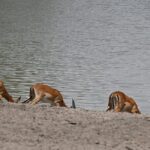
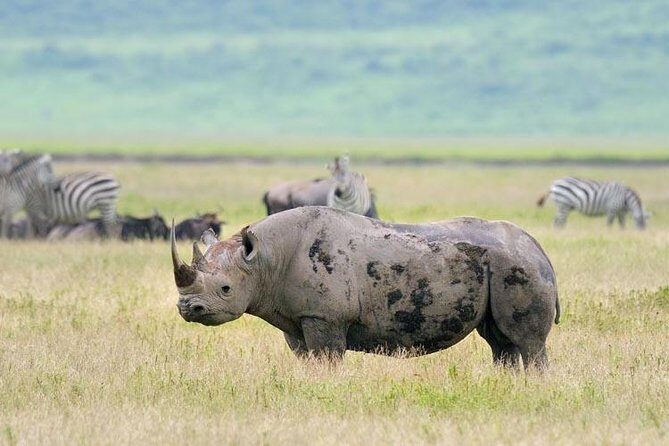
- Large herds like wildebeest and zebra
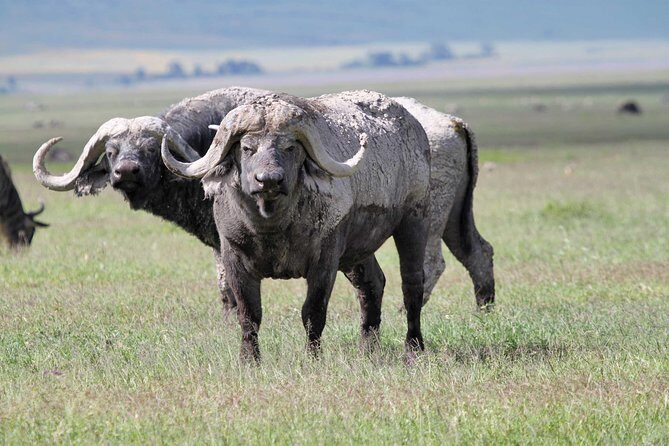
- Buffalo and eland in the mix
- Smaller-but-common sightings like warthog
- Hippo possibilities around water areas
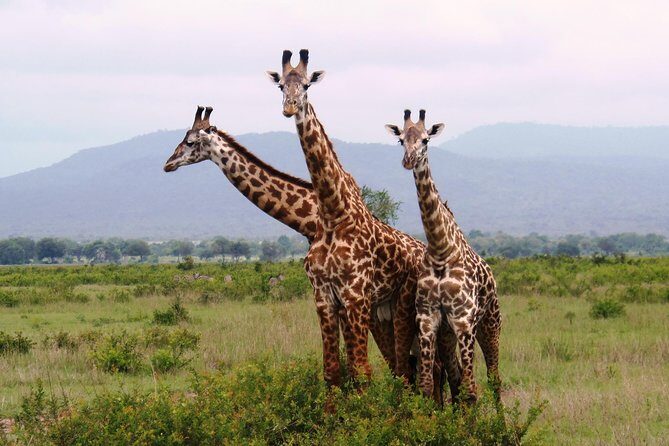
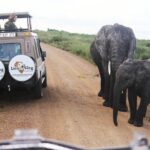
- Even giant African elephants on some drives
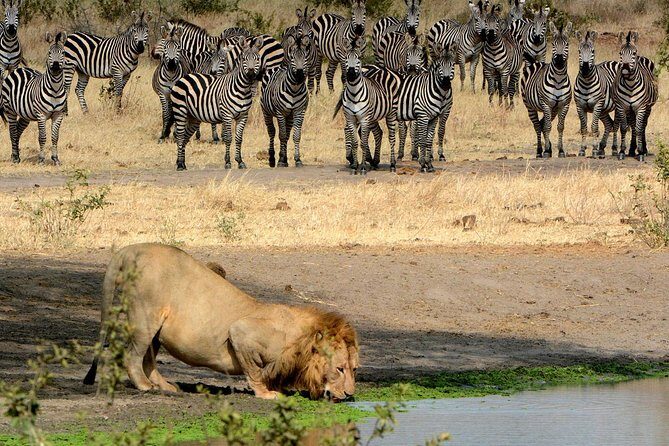
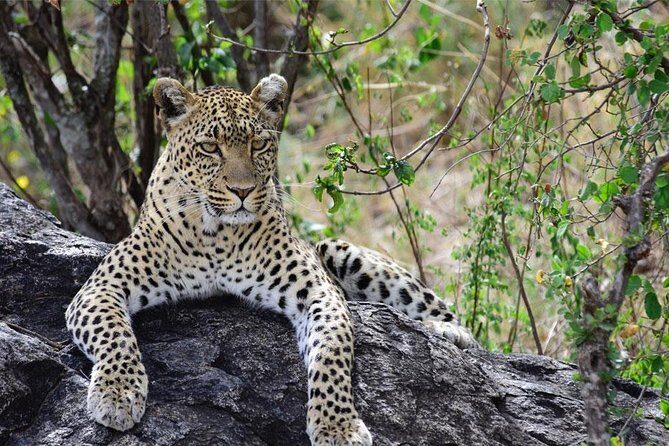
Then come the predators, which are a major draw. You might see lions, hyenas, jackals, and cheetahs. Leopard is mentioned as elusive, and that’s where your guide’s skill matters most. When leopard is in play, spotting can depend on patient scanning and knowing where to look rather than just driving forward and hoping.
How to get the most out of the 4-hour game drive
I recommend treating those four hours like a series of short “checkpoints,” not one continuous sprint. That means you’ll want your attention on:
- Where herds are moving (it often signals nearby predators or water)
- Any slow, watchful stillness in the grass (predators don’t always announce themselves)
- Changes in the group behavior—when animals react, something is usually nearby
And here’s the human part: a professional driver/guide can really change your results. In the feedback I read, guides earned real praise for being experts on the animals and the area. People even highlighted guides named Fadhili for animal knowledge, and a planner named Emanuel for smooth communication and planning. You can’t assume your guide will be the same person, but it’s a good signal that the company tends to staff the safari with people who talk clearly about what you’re seeing.
Lake Magadi stop: a good break from crater-only driving
After the crater time, the schedule includes a stop at Lake Magadi. The information you get is brief on specifics, but the point is clear: it’s a chance to change scenery and keep your day from becoming only one long stretch of crater roads.
This stop is useful for two reasons. First, it gives you time to refuel mentally after hours of scanning grass lines and watching animal behavior. Second, it adds variety to photos and viewing, so your day feels broader than just a single location.
Keep in mind: because the schedule calls out Lake Magadi without much detail on how long you’ll spend there or what you’ll focus on, your best approach is to be flexible. If it’s a quick scenic stop, you’ll get value by treating it as a pause rather than a second “big game drive.”
What’s included: lunch, water, transport, and the real meaning of the package
This day trip is priced as a package, and that’s part of why it can feel less stressful than building a safari day on your own. Here’s what’s explicitly included:
- Lunch box during safari (picnic-style)
- Private transportation
- All fees and taxes
- Professional driver/guide
- Drinking water (1.5L)
That combination is what matters. When lunch is included, you don’t waste mental energy tracking meals while you’re on the hunt for animals. When water is included, you can stay focused on the drive and not constantly ration.
Also, this is set up with private transportation, not shared shuttle-style chaos. Even with a small group size (max 6), private transport tends to mean you’re not stuck waiting on other pickup points as the day gets going.
There are a few things that are not included:
- Tips
- Personal items and things like souvenirs
- Visa fees, travel insurance, and international flights
- Any government-imposed increase in taxes or park fees
To me, that list is normal. But it affects your budgeting. If you’re the type who tips consistently, you should factor that in early so you’re not doing last-minute math at the end.

Small group size (max 6): why it improves your Ngorongoro day
A tour with a maximum of 6 travelers may sound like a minor detail. In practice, it changes the quality of the day. A smaller group means fewer voices competing in the vehicle. It also makes it easier for your guide to explain what you’re seeing and why they’re moving to the next viewpoint.
It can also make your viewing experience calmer. Ngorongoro is busy in general, and safari vehicles can become noisy. With a small group, you can often settle into a rhythm: pause, scan, react, move. That rhythm is exactly what leopard spotting can require.
And since pickup returns you back to the same meeting point, the day feels self-contained. You’re not trying to coordinate multiple drop-offs or deal with a complicated end-of-day meetup.
Price and value: is $345 a fair deal for a full day?
At $345 per person for about 8 hours, the price is not low. But it’s also not a bare-bones arrangement. What you’re paying for is a full Ngorongoro day that includes:
- Admission ticket
- All fees and taxes (as listed)
- Private transportation
- Professional driver/guide
- Lunch box and 1.5L drinking water
For many visitors, that combination is the value. Safari days often get expensive once you add up admissions, transport, and guide time. Here, those components are packaged up front, which makes it easier to compare apples to apples.
The best way to think about value is this: can you spend the same day without losing time, and without ending up short on the basics? This tour is designed to keep you in the crater during the hours that count. If your biggest priority is wildlife viewing time, that scheduling makes the price more reasonable.
The only reason to pause is if you’re chasing a specific predator guarantee. The itinerary is built for wildlife viewing, but leopard is described as elusive, so no one should sell you certainty. If you’re okay with that, the structure is strong.
Who should book this Ngorongoro day trip?
This is a good fit if:
- You want a wildlife-focused day without needing a multi-day safari plan
- You’re based in Arusha and want a high-impact outing
- You like the idea of a professional driver/guide talking through animal sightings
- You prefer a smaller group size (max 6) rather than a crowded vehicle feel
It’s also a smart choice for couples, families, and independent travelers who want a single organized plan with pickup and drop-off handled. People in past feedback specifically appreciated good planning and communication, and guides who knew the area and the animals well.
If you’re short on time and still want the classic crater experience, this day trip is one of the cleanest ways to get it.
Booking advice: how to choose the right mindset for Ngorongoro
Here’s how I’d set expectations so you enjoy the day instead of stressing about sightings. The crater gives you more chances than many safari setups because wildlife is concentrated and supported by consistent resources. But nature still runs the show. Your goal should be to learn what you’re seeing while you’re waiting.
I’d also go in ready to be patient. Predator spotting often comes in bursts: a moment of movement, a quick look, then the scene changes. When leopard is possible, you may need to slow down and let your guide do the searching.
Finally, use the fact that the tour includes a lunch box and water as a cue to plan your energy. Eat when provided, drink when you can, and save your attention for the drive.
Should you book East Safaris for Ngorongoro Crater?
If your priority is a focused, well-timed day in the Ngorongoro Crater with real game drive hours and basic needs already handled, I’d say yes. The structure is the selling point: pickup from Arusha, a major descent into the crater, a long enough drive to matter, picnic lunch, and a small group size that keeps the experience comfortable.
Book this if you’re excited by the idea of a high-density wildlife environment and you can accept that predator sightings are probabilistic. If you need a guaranteed leopard photo op, you’ll likely be disappointed—this safari is designed for chances, not promises.
FAQ
How long is the Ngorongoro Crater day trip?
It’s listed as approximately 8 hours.
What time does the tour start?
Pickup is around 7:00am, and the activity starts at 7:00am.
Where does the tour start and end?
It starts at East Safari Tours on Arusha – Namanga Rd (12063, Tanzania) and ends back at the meeting point.
What’s included in the price?
The tour includes a lunch box during safari, private transportation, all fees and taxes, a professional driver/guide, and drinking water (1.5L). An admission ticket is also included.
Is pickup from Arusha included?
Yes, pickup from Arusha town is offered at approximately 7:00am.
How big is the group?
The maximum group size is 6 travelers.
What is not included?
Tips, personal items, accommodation before and at the end of the tour, international flights, visa fees, travel insurance, and any government-imposed increase of taxes or park fees are not included.