REVIEW · ZANZIBAR CITY
Spice Tour and Jozani Forest
Book on GetYourGuide →Operated by Cocos Nucifera Tours and Safaris · Bookable on GetYourGuide
Spices and monkeys in one tight day? That’s the hook. This outing links a hands-on spice shamba visit with time in Jozani Forest for Zanzibar’s famous Red Colobus Monkey. I like that it’s not just looking at plants; you’re encouraged to touch, smell, and taste while a guide explains how crops grow and get used. I also like the Jozani focus: you go for real wildlife, not a quick drive-by.
The setup is straightforward, with hotel pickup and drop-off plus a guide and entry fees included, which helps you avoid the usual Zanzibar “wait, how much is that?” moments. One drawback to plan for: the day has a fair bit of walking and standing, and since wildlife sighting depends on timing and animals, you should expect a nature walk more than a guaranteed monkey photo shoot.
In This Review
- Key highlights at a glance
- The Value: is $100 actually fair for Zanzibar’s Spice + Jozani combo?
- Spice Farm Shamba: how a walking tour turns into real plant knowledge
- What you’ll actually sample (and why it matters)
- The Portuguese spice connection, without the textbook tone
- The one thing to watch for
- Swahili fruit and farm lunch: what to do about the fact that lunch isn’t included
- How the tasting fits into the lunch
- Prison Island and Stone Town city tour: the day’s cultural add-ons
- Why these add-ons can be worth your time
- The main drawback
- Jozani Forest: where the Red Colobus Monkey experience feels real
- Timing matters for wildlife (a lot)
- What you might see besides Red Colobus
- Mangrove swamp walk: the slower, cooler side of Jozani
- The guide and the vibe: what makes the tour feel smooth
- Price and logistics: what’s included, what you pay extra, and what that means for you
- When to go and how to make your wildlife stop easier
- Who this tour is best for (and who might want something else)
- Should you book the Spice Tour and Jozani Forest?
- FAQ
- Is lunch included in the Spice Farm part of the tour?
- What is included in the price of the tour?
- What wildlife can I expect to see in Jozani Forest?
- When is Jozani Forest open, and when should I go for wildlife?
- Does the tour include a mangrove swamp visit?
- What languages are available for the tour?
Key highlights at a glance
- Hands-on spice shamba walk: you smell, touch, and taste seasonal fruit and spice crops as you go
- Organic, all-year plant variety: you learn what grows and how it’s cultivated across seasons
- Portuguese spice story in plain terms: Zanzibar spice routes trace back to the 16th century
- Red Colobus Monkey in Jozani: an endemic species you cannot really see anywhere else
- Mangrove swamp walk: a calmer, greener counterpoint to the forest trail
- Good human support: guides and staff make it comfortable even if you’re traveling alone
The Value: is $100 actually fair for Zanzibar’s Spice + Jozani combo?
At $100 per person, the price is easier to swallow when you look at what you get: hotel pickup and drop-off, a tour guide, and entry fees. That combination usually matters on Zanzibar because distances add up fast, and you don’t want to haggle your way into multiple sites separately.
What’s not included is lunch, even though a traditional Swahili lunch at the farm is part of the overall experience. If you eat during the tour, budget extra. If you skip lunch or plan your own timing, the tour still works well as a “morning-plus” or “not-too-long” day, and one solo traveler found it didn’t drag on to a full 8-hour block.
In plain terms: this is good value if you want a guided day that covers two of Zanzibar’s most distinct nature experiences (spices and forest) without you having to coordinate transport, tickets, and interpretation.
You can also read our reviews of more tours and experiences in Zanzibar City.
Spice Farm Shamba: how a walking tour turns into real plant knowledge
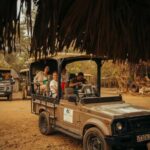
The spice portion is built around a walking visit to a local farm, often called a shamba. The point isn’t a museum-style lecture. It’s guided, step-by-step crop learning where you get close to what you’re tasting and smelling.
You’ll move through an organic farm area with plants growing around the year, and your guide explains how each crop is cultivated and used. This is where the experience becomes practical for you, even after the tour ends: you start seeing spices as plants with life cycles and conditions, not just jars in a shop.
What you’ll actually sample (and why it matters)
You’re guided through smell-and-taste stations for a long list of spice and fruit items, including clove, lemongrass, nutmeg, cinnamon, turmeric, vanilla, coconuts, papaya, chili, black pepper, jackfruit, cardamom, cassava, and oranges.
That might sound like a lot, but that’s the beauty of this format. Zanzibar was once a global spice hub, and these crops are the reason. Learning how they’re grown helps you understand why the Portuguese influence shows up in Zanzibar’s spice story.
The Portuguese spice connection, without the textbook tone
You’ll hear how spices were introduced to Zanzibar by Portuguese traders in the 16th century, with spices arriving from their colonies in South America and India. It’s one of those facts that makes the whole tour click: the plants you’re smelling today have a long, moving history behind them.
If you enjoy food, cooking, or cultural history even a little, this part is where your brain tends to stay switched on.
The one thing to watch for
This is a hands-on farm walk, and that means heat, sun, and strong scents. If you’re sensitive to heavy smells or you’re not used to walking on uneven ground, take it slow. Also remember that tasting is part of the format; if you dislike spicy foods, you might still end up sampling chili or black pepper.


Swahili fruit and farm lunch: what to do about the fact that lunch isn’t included
After the farm exploration, the experience includes time for a traditional Swahili lunch at the farm. The catch: lunch isn’t included in the $100 price.
That matters because people plan differently. Some travelers want a quick snack-and-go day. Others want the full farm meal experience. If you’re the first type, you can plan a lighter pace and eat later. If you’re the second type, I’d treat the lunch as part of your real budget.
How the tasting fits into the lunch
Even when lunch is optional for you financially, the tasting portion sets you up to notice how spices work in food. You’ll remember flavors like clove warmth, turmeric earthiness, and lemongrass brightness, and then you can connect those notes to whatever the lunch includes.
In other words: the spice tour isn’t just fun. It’s doing prep work for your meal.
Prison Island and Stone Town city tour: the day’s cultural add-ons
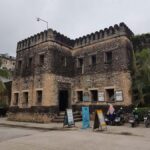
Your day doesn’t stop at spices and Jozani. The overall experience includes excursions at Prison Island and then a Stone Town city tour back toward town.
Because the order can vary depending on how the tour is stitched together, think of these as additional stops in the broader flow rather than strict “this minute we do X” scheduling.
Why these add-ons can be worth your time
Prison Island plus Stone Town gives context. Spice farming is the economic story, while Stone Town shows the human history and the built environment that grew around trading routes. If you only did Jozani, you’d get the nature side. If you only did the farm, you’d get the food side. Doing both plus town time gives you a more complete Zanzibar snapshot.
The main drawback
These add-ons can add fatigue. If you already know you’re sensitive to long days, treat this as a “structured day” rather than a flexible wander. You’ll be moving, so plan to rest afterward.
Jozani Forest: where the Red Colobus Monkey experience feels real
After the farm portion, you head to Jozani Forest, located in the center of the Jozani-Chwaka Bay National Park, about 38 km southeast of Stone Town. This is the wildlife stop, and it’s the reason this combo sells so well.
Jozani is famous for the Zanzibari Red Colobus Monkey, a species you won’t find elsewhere in the same way. Guides lead you along a nature trail, and they’re trained enough to point out flora and fauna so you’re not just staring at trees.
Timing matters for wildlife (a lot)
The forest is open daily from 07:30 am to 05:00 pm, and the best time to see wildlife is early in the morning. That fits how animals act: morning tends to be more active and less heat-stressed.
So if you have choice over when you start your day, prioritize a morning arrival for a better shot at monkey sightings.
What you might see besides Red Colobus
The tour experience mentions the possibility of spotting other species, including Blue Sykes’ Monkeys, Bush Pigs, Aders Duiker Antelopes, Elephant Shrews, Chameleons, and numerous birds and butterflies.
No one can guarantee exact sightings, but Jozani’s trail system plus trained guides make it more likely you’ll notice animals even when they’re not right in front of you.
Mangrove swamp walk: the slower, cooler side of Jozani
At Jozani, you also visit the mangrove swamp and walk around the mangrove forest.
This part is valuable because mangroves are a different ecosystem than the main trail. You’ll experience a change in light and texture and a quieter feel, which can be a nice break from the more active monkey-spotting mindset.
It’s also practical. Even if the monkeys don’t pop into view instantly, mangrove walking still gives you birds and a different kind of nature interpretation.
The guide and the vibe: what makes the tour feel smooth
Good tours run on small details. In this case, the experience is repeatedly praised for organization and attention to detail. The best kind of guide isn’t the loudest; it’s the one who explains things clearly and keeps you moving at a comfortable pace.
One guide name that stands out is Hussein, described as cool and helpful, with lots of explanations about plants, people, and the history of the area. There’s also mention of a driver named Morshed, noted as kind.
If you’re traveling solo, you’ll likely appreciate that the tone stays friendly and you’re not treated like a problem to solve. One solo traveler specifically felt completely comfortable and supported.
Price and logistics: what’s included, what you pay extra, and what that means for you
Here’s the clean breakdown of what’s included based on the tour information:
Included
- Hotel pickup and drop-off
- Tour guide
- Entry fee
Not included
- Lunch
That structure is why the experience feels easy to book and easy to run. You’re not responsible for ticketing at multiple sites, and the guide handles the interpretation so you can focus on the experience.
One more thing to factor: the tour languages include French, German, Italian, Spanish, and English, so you should be able to get explanations in a language you’re comfortable with.
When to go and how to make your wildlife stop easier
Jozani is open from 07:30 am to 05:00 pm, and wildlife viewing is best early. So if you’re aiming for monkeys, start thinking “morning energy,” not late-afternoon stroll.
Also, follow the park advice because it protects both you and the animals:
- Keep about three meters between yourself and any wildlife
- Don’t visit if you have cold or flu-like symptoms, since monkeys are susceptible to human diseases and have practically no resistance
This isn’t just rules for rules’ sake. It affects your tour flow. If you keep distance, you’ll get better viewing opportunities and the guide can move you safely along the trail.
Who this tour is best for (and who might want something else)
This combination shines if you:
- Want an easy, guided intro to Zanzibar’s spice culture and Jozani wildlife
- Like food and plants enough to enjoy smell-and-taste moments
- Prefer structure over planning multiple stops yourself
- Travel solo and want friendly support, not a “figure it out” day
It may be less ideal if you:
- Want zero walking or a mostly sit-down itinerary
- Are trying to minimize extra meals and costs, since lunch is not included
- Are extremely flexible only with timing, because the day is built around specific stops and a guide-led flow
Should you book the Spice Tour and Jozani Forest?
I’d book this if you want a compact Zanzibar day that actually teaches you things. The spice shamba part is hands-on and sensory, and Jozani adds the high-impact wildlife component with Red Colobus Monkey at the center of the story. Add mangroves, and you get variety without needing a second day.
Skip it only if you’re looking for a fully unstructured day or you know you hate walking in heat. Otherwise, this feels like strong value: $100 with transfers, a guide, and entry fees plus a day that’s organized enough to keep moving and calm enough to feel comfortable, even for a solo traveler.
FAQ
Is lunch included in the Spice Farm part of the tour?
No. Lunch is specifically listed as not included, even though a traditional Swahili lunch at the farm is part of the overall farm experience.
What is included in the price of the tour?
The tour includes hotel pick up and drop off, a tour guide, and entry fees.
What wildlife can I expect to see in Jozani Forest?
You’re likely to see the Zanzibari Red Colobus Monkey. You might also spot Blue Sykes’ Monkeys, Bush Pigs, Aders Duiker Antelopes, Elephant Shrews, Chameleons, and various birds and butterflies.
When is Jozani Forest open, and when should I go for wildlife?
Jozani Forest is open daily from 07:30 am to 5:00 pm. Wildlife viewing is best early in the morning.
Does the tour include a mangrove swamp visit?
Yes. You visit the mangrove swamp and walk around the mangrove forest during the Jozani Forest portion.
What languages are available for the tour?
The tour is available in French, German, Italian, Spanish, and English.