REVIEW · ARUSHA
Climb Kilimanjaro – Marangu Route 8 Day Program
Book on Viator →Operated by World Adventure Tours · Bookable on Viator
Kilimanjaro, but with huts and help. I like the Marangu Route because it’s set up for comfort compared to tent routes, with steady support from guides like John and Issa, and you sleep in mountain huts instead of living in gear bags. The big catch: the route is short and popular, so people who aren’t really ready for altitude can struggle, and success rates can be lower than you’d hope.
You also get a very guided feel from start to finish: pickup from Moshi, transfers to the park gate, and a clear day-by-day rhythm that lets you focus on pacing and breathing. It’s not a “walk in the park” climb, but it is unusually structured for Kilimanjaro.
In This Review
- Key things that make this climb worth your time
- Marangu Route in plain terms: what it feels like
- Getting to Moshi and settling in at Springlands Hotel
- Day 2: Rainforest hike to Mandara Hut (plus Maundi Crater views)
- Day 3: Mandara to Horombo Hut for Mawenzi views
- Day 4: Acclimatization day at Horombo and training near Zebra Rocks
- Day 5: Horombo to Kibo Hut across the saddle
- Day 6: Summit bid from midnight to Uhuru Peak at sunrise
- Day 7: Horombo down to Mandara and back to hot showers in Moshi
- Price and value: what $2,111 includes (and what you must bring)
- Practical tips to get the best odds and the best experience
- Who this 8-day Marangu program is best for
- Should you book this Marangu Route climb?
- FAQ
- Where is the meeting point for this Kilimanjaro climb?
- What kind of accommodation do you get on the Marangu Route?
- Are transfers included from the airport or hotels?
- What is the altitude range and hiking time like?
- What time do you start the summit climb?
- Is water available during the trek?
- Are meals included?
Key things that make this climb worth your time
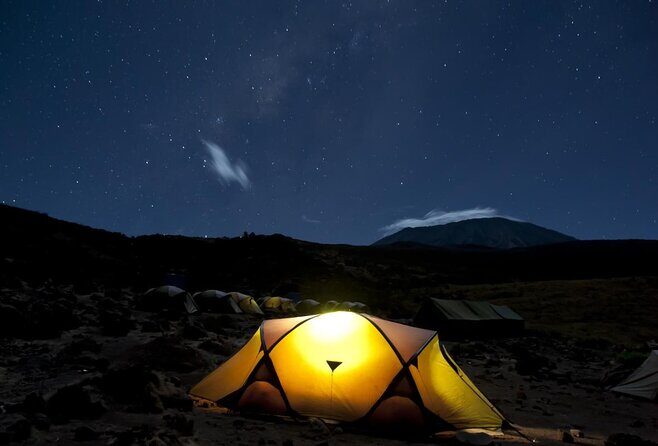
- Hut sleeping on the classic tourist route means less fuss and more predictable downtime
- Same-path ascent and descent keeps navigation simple while you acclimatize
- A full acclimatization day at Horombo helps you prepare for the big altitude jump
- Summit push timing is built around a midnight start and sunrise on Uhuru Peak
- Moshi base logistics include airport transfer and return to the hotel for a proper reset
- Small group size (max 12) makes the trip feel managed, not chaotic
Marangu Route in plain terms: what it feels like
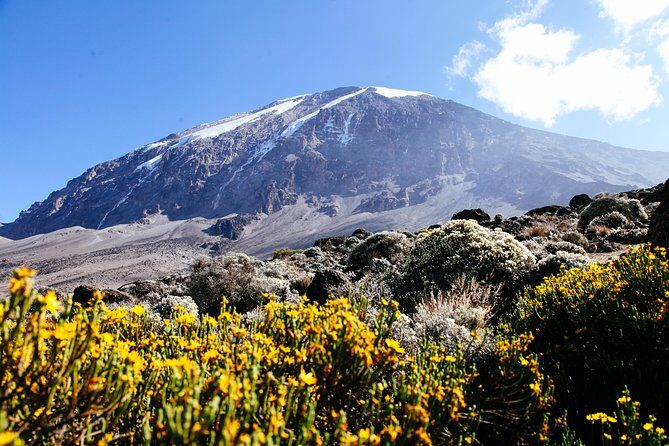
This is the Kilimanjaro route people call the tourist route for a reason. Services are easier to find along the way, and the whole climb runs on a set schedule with hut accommodations. The trail is also relatively straightforward to follow because you go up and come back on the same general path.
But here’s the honest part: Marangu can seem easier on paper, while altitude still doesn’t care. The program even points out that many people who aren’t fit try Kilimanjaro via this route and end up failing. So think of Marangu as “logistically simpler,” not “altitude easy.” If you take pacing and acclimatization seriously, you’ll set yourself up much better.
From a value standpoint, the trip is built for people who want structured guidance and hut comfort without losing the real Kilimanjaro experience.
You can also read our reviews of more tours and experiences in Arusha.
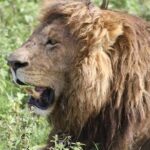
Getting to Moshi and settling in at Springlands Hotel
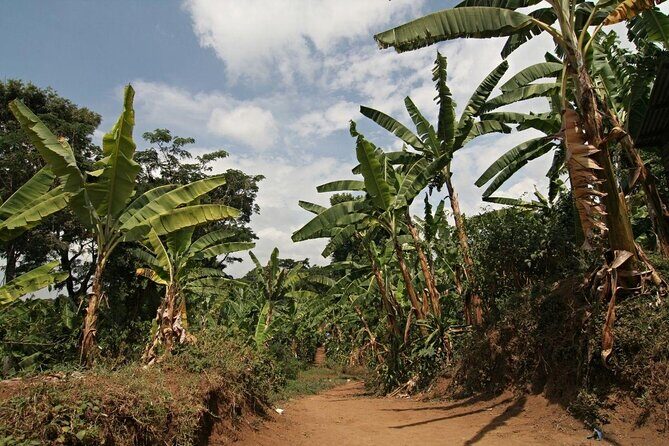
Your trip starts in Moshi. After landing at Kilimanjaro International Airport, you’re picked up and transferred to your hotel, Springlands Hotel (the starting meeting point is listed there as well).
Why I like this setup: it removes the first-day stress. You don’t need to figure out transport after a long flight, and you’re close to the climb logistics right away. If you’re arriving in Tanzania from far away, this kind of smooth handoff matters.
The group size is capped at 12 travelers, so you’re not dealing with a huge crowd. That usually means more attention from your guide and crew when you need it.
Day 2: Rainforest hike to Mandara Hut (plus Maundi Crater views)
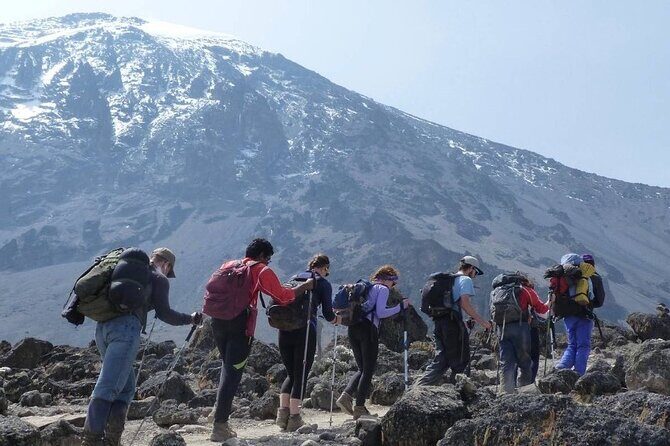
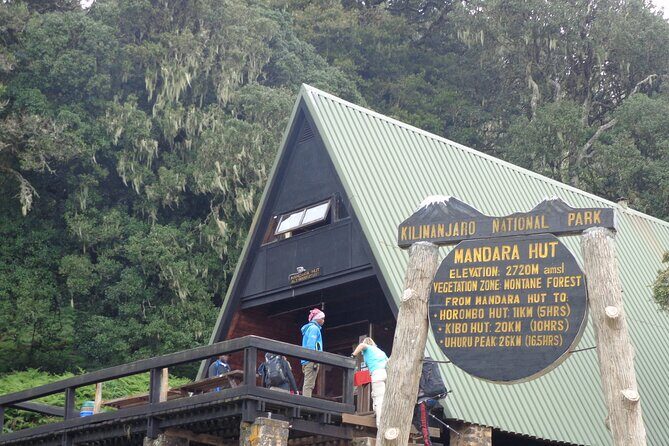
Day 2 is your first real walking day. You leave Springlands Hotel around 8:00 a.m., drive about 45 minutes to Marangu Gate, do park paperwork, then start hiking around 10:30 a.m.
You climb from about 1,800 m to 2,720 m, and you’ll hike roughly 4 hours. The route runs through rainforest, which is great for easing into the rhythm. You’ll stop halfway for lunch, then reach Mandara Hut around 2–3 p.m.
At Mandara, you’ll unpack, rest, and have tea or coffee. Dinner is served in the early evening (around 7 p.m.), and bathrooms are available with running water—a small detail that can feel like a luxury after travel days.
One of the smartest optional add-ons on this day is a short side trip to Maundi Crater, only about 15 minutes away. It’s a quick way to get wider views, including sight lines toward Kenya and Northern Tanzania.
Tradeoff to consider: it’s a rainforest start, so expect humidity and slower footing. It’s not hard in technical terms, but it can be wet and tiring in a different way than dry high-altitude trails.
Day 3: Mandara to Horombo Hut for Mawenzi views
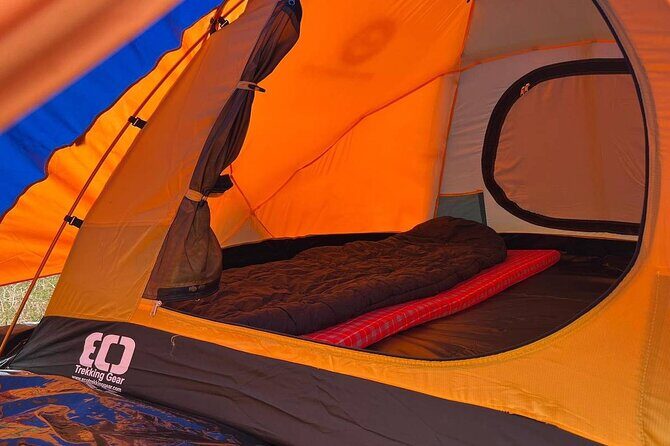
Day 3 brings a bigger altitude step. You wake around 7:30 a.m., breakfast first, then break camp about 8:30 a.m. and hike onward.
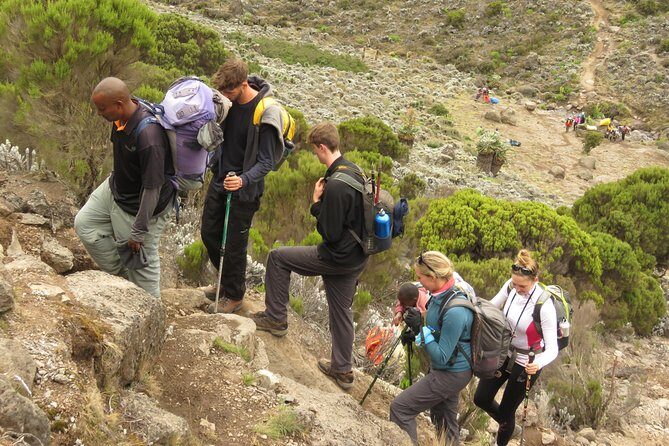
This leg runs from around 2,720 m to 3,720 m and takes 5–6 hours. Vegetation shifts toward lower heath land with smaller shrubs. About halfway through, you stop for lunch.
The reason Day 3 matters is the payoff: the views of Mawenzi are amazing, and you can even see the summit of Kibo from Horombo Huts. That visual connection helps you understand what you’re aiming for.
You arrive at Horombo around 3 p.m., rest, and dinner follows in the evening. Like Mandara, Horombo huts also have bathrooms with running water.
Practical note: Day 3 is often where some people start to notice the altitude. Even if the hike feels manageable, keep your pace steady and don’t treat it like a fitness test.
Day 4: Acclimatization day at Horombo and training near Zebra Rocks
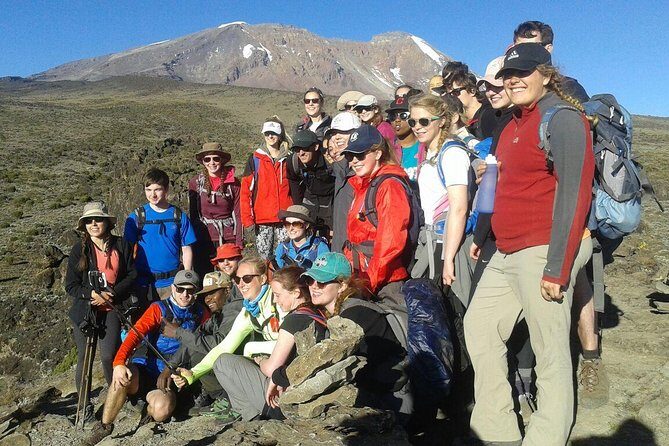
This day is the one people skip mentally because it’s not a “summit day.” Don’t do that. The acclimatization day at Horombo (around 3,720 m) is built into the program for a reason.
Your activity is basically a training loop: you’ll walk around the hut area and go up toward Zebra Rocks, reaching about 4,100 m and back. You get spectacular views, and you also start familiarizing yourself with what summit weather can feel like.
This is where the Marangu route earns its reputation for being more user-friendly: you’re not forced to cram acclimatization into the summit assault. You get one extra full day to help your body adapt.
The drawback: you’ll still feel the altitude and the routine can feel slower. If you’re the type who hates downtime on hikes, you might find this mentally annoying. But physically, it’s a good investment.
Day 5: Horombo to Kibo Hut across the saddle
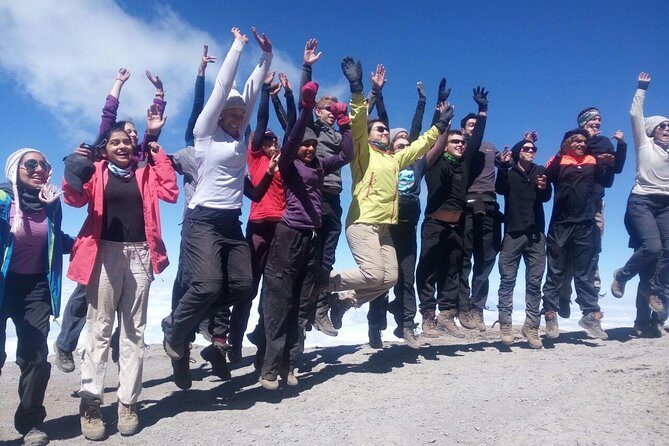
Day 5 is the transition day. You rise, pack, and hike from about 3,720 m to 4,720 m, with 6–7 hours of walking.
You’ll start on upper heath land, then head into the saddle area between Mawenzi and Kibo. The program describes the saddle as an alpine desert with a lunar feel—and that’s exactly the point. This is where the environment gets stark and the air gets thinner.
You’ll stop halfway for lunch. The biggest job for you on this day is to watch for altitude sickness signs and communicate with your guide. Even with a guided plan, the decision-making part is still yours. If you feel off, you need to speak up early.
Timing note: if you wake before sun-up, you can grab sunrise photos. It’s one of those small morale boosters that costs you very little.
Important practical detail: at Kibo Hut, there is no running water. So manage water use carefully and don’t assume you can rinse as easily as earlier huts.
Day 6: Summit bid from midnight to Uhuru Peak at sunrise
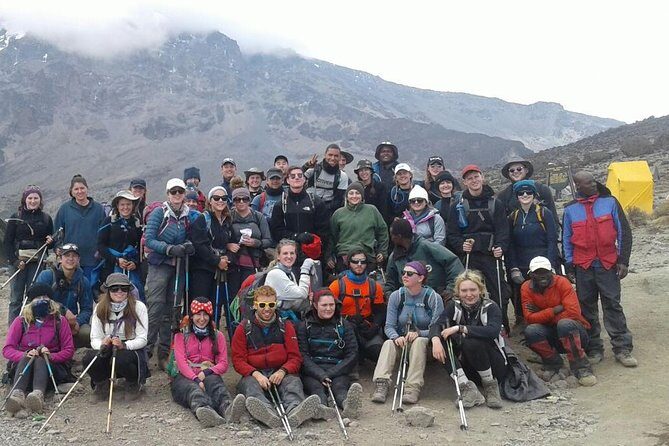
This is the day you remember for years.
You’ll wake around midnight for a light breakfast, then start the summit ascent. You leave about 1:00 a.m. and aim to reach Gilman’s Point at about 7:00 a.m. From there, you get views into the crater area because Gilman’s Point sits on the crater rim.
Then it’s another stretch of hiking—about 2 hours—to reach Uhuru Peak around 8:30 a.m. The program is clearly built around sunrise timing, which helps make the summit experience feel more complete: you’re not just hitting a number on a map.
After the summit, you descend back to Kibo Hut to collect your things. Then you cross the saddle again to Horombo Huts for the night. You’ll eat dinner and get sleep—something you’ll appreciate because the early start is real.
What makes this day work with Marangu: it’s early, focused, and structured. You’re not guessing when to start or how to pace in the dark because the schedule is set.
The hard part: the summit climb is physically demanding regardless of route. The program emphasizes listening to your guide and your own body—take that seriously, especially if you’re feeling nauseous, unusually breathless, or unusually tired.
Day 7: Horombo down to Mandara and back to hot showers in Moshi

Day 7 is the descent day, but it still feels like work.
You wake up, pack, and descend to Mandara Huts. You’ll have lunch there, then continue to Marangu Gate, where transport meets you. The goal is to reach the gate around 2–3 p.m.
Then you’ll drive back to Moshi and stay at Springlands Hotel again—so yes, this is where you get that overdue hot shower and normal-day comfort.
This is also the point in the trip where you receive summit certificates. If you make it, that moment feels a lot more meaningful when you’ve had multiple nights of thin-air hiking behind you.
One more practical note: tipping is recommended for guides and porters. The program also mentions tipping can be given to the main guide at Springlands Hotel, and guides and local representatives can help you organize it. You’ll want cash set aside for this.
Price and value: what $2,111 includes (and what you must bring)
At $2,111 per person, you’re paying for a guided, structured 8-day Kilimanjaro experience with a lot of built-in costs.
What’s included:
- Qualified guides and mountain crew
- National park fees
- Accommodation on the mountain in huts
- Transport to the starting point and back to Springlands Hotel in Moshi
- Boiled water on the mountain
- Meals (breakfast, lunch, and dinner are included throughout)
- Wi‑Fi
- Equipment support in the form of a team and logistics around your carry on the mountain
What’s not included:
- Visas
- Climbing gear
- Tips for drivers/porters/guides
- Health insurance
- Personal items
Value check: the included hut lodging and park fees alone remove two big unknowns. And the guide/crew component is a major part of why this trip feels manageable. You’re not just paying for hiking; you’re paying for safety, pacing decisions, and a working system that keeps food and transport moving.
The biggest “extra cost reality” is gear and tipping. Even if you’re physically ready, you’ll still need the right kit for cold mountain nights and for the summit push.
Practical tips to get the best odds and the best experience
Here’s what I’d treat as non-negotiable if you want the Marangu route to work for you:
- Pace like it matters: Marangu is easier in logistics, not altitude ease. Slow and steady helps.
- Communicate early: if you feel off, tell your guide. Don’t wait for it to get worse.
- Treat acclimatization day as part of the climb: that Day 4 training hike near Zebra Rocks is there to help.
- Plan around water availability: earlier huts have running water, but Kibo has no running water. Be deliberate.
- Get ready for early summit hours: midnight start affects everyone. Sleep, eat what you’re served, and keep moving.
- Budget for tips: the trip explicitly recommends tipping guides and porters, and it’s appreciated.
A detail I like from the feedback: when guides are attentive, the whole experience feels safer and calmer. You’ll see names like John, Issa, and Dustin in the kind of support that makes a difference, especially when someone needs encouragement or has questions about how they feel.
Who this 8-day Marangu program is best for
This works well if:
- You want hut-based Kilimanjaro rather than tent camping
- You like a structured schedule and guided decision-making
- You’re in moderate physical fitness and ready to hike several hours a day at altitude
- You want the convenience of pickup in Moshi and a full return to the hotel with normal comforts after the climb
It may not be the best fit if:
- You’re unsure about your altitude readiness
- You hate early starts and long days (especially around the summit push)
- You’re looking for a guarantee. The route is popular, but the program itself notes that fitness and acclimatization matter.
Should you book this Marangu Route climb?
If you want a Kilimanjaro climb that balances real summit ambition with comfortable hut logistics, this is a strong option. The schedule makes sense: rainforest start, a scenic mid-mountain view day, a dedicated acclimatization day at Horombo, then the saddle crossing and summit timing.
My main decision point for you is honesty about altitude fitness. Marangu can tempt you into thinking it’s the easy way up. It’s not. If you’re disciplined on pacing and you listen to your guide, the hut-based structure and clear timing can make the whole trip feel safer and more enjoyable.
If that sounds like your style, booking now is a reasonable move.
FAQ
Where is the meeting point for this Kilimanjaro climb?
The start is listed at Springlands Hotel Moshi (1990, Moshi 25110, Tanzania), and the activity ends back at the meeting point.
What kind of accommodation do you get on the Marangu Route?
Accommodation on the mountain is in huts on the Marangu Route.
Are transfers included from the airport or hotels?
Yes. You get picked up from Kilimanjaro International Airport and transferred to your hotel at the start. The program also includes transport to the starting point on the mountain and return to Moshi.
What is the altitude range and hiking time like?
The itinerary includes altitude ranges such as 1,800 m–2,720 m, 2,720 m–3,720 m, 3,720 m–4,720 m, and up to about 4,720 m–5,895 m on summit day. Hiking times range roughly from 4 hours on the first trekking day to 6–7 hours on longer legs.
What time do you start the summit climb?
You typically leave around 1:00 a.m. after a light breakfast at midnight, and you reach Uhuru Peak around 8:30 a.m.
Is water available during the trek?
The trip includes boiled water on the mountain. Bathrooms with running water are available at some huts, but at Kibo Huts there is no running water.
Are meals included?
Yes. Breakfast, lunch, and dinner are included during the climb.