REVIEW · ZANZIBAR
Walking Tour to The heart of Zanzibar ( STONE TOWN CITY)
Book on Viator →Operated by Coralsites tours & Safaris · Bookable on Viator
Stone Town reads better after dark. This short, focused walk helps you connect Arab colonial and British-era influences to the streets and markets you’ll actually see. I like how the stops are practical and varied, from museums and cathedrals to busy local bazaars.
Two things I really enjoy: first, the storytelling at key sites like House of Wonders (Beit-el-Ajaib), where you learn why it carries that name. Second, the pace and group size feel manageable, with a maximum of 8 travelers and time to ask questions.
One consideration: it starts at 8:00 pm, so it’s best if you’re comfortable walking at night and paying attention in the older streets. Also, the experience needs good weather, so plan on a backup date if conditions are rough.
In This Review
- Key highlights to look for
- Where this night walk fits in Stone Town
- Entering House of Wonders (Beit-el-Ajaib) with the right questions
- Freddie Mercury’s House: a famous name in an everyday setting
- Old Slave Market and the Anglican Cathedral: where the hardest stories live
- Darajani Bazaar at night: fish, meat, spices, and how locals shop
- The Old Fort (Ngome Kongwe): Portuguese coastal power in one location
- Price and value: what $40 buys you (and what it doesn’t)
- Guides matter: what you can expect from Coralsites tours & Safaris
- Small-group night walking tips that make it smoother
- Who this tour suits best
- Should you book this Stone Town heart walk?
- FAQ
- FAQ
- What is the duration of the walking tour?
- How much does the tour cost?
- Where is the tour starting point and where does it end?
- What time does the tour start?
- Is pickup included?
- What’s included in the price?
- What admission stops are included?
- How many people are in a group?
- Does the tour require good weather?
- Is it easy to access by public transportation?
Key highlights to look for
- House of Wonders (Beit-el-Ajaib) and the clues behind its name, plus the dhow story
- Freddie Mercury’s House stop that ties a famous legend to the neighborhood
- Old Slave Market / Anglican Cathedral context that explains key terms and locations
- Darajani Bazaar access to the fish, meat, and spice areas inside the market
- Old Fort (Ngome Kongwe) for the Portuguese coastal footprint story
Where this night walk fits in Stone Town
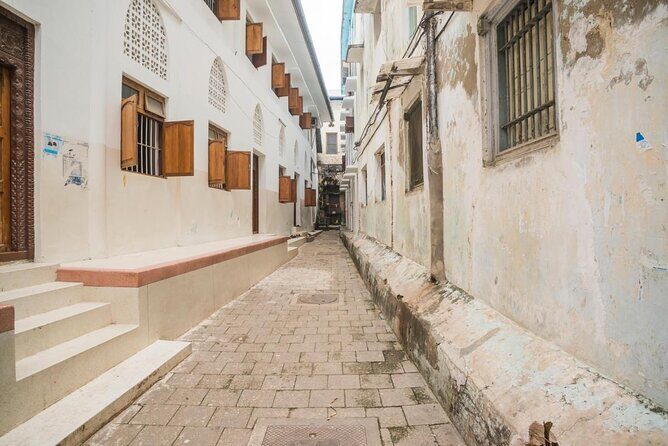
This tour is a smart way to get your bearings in Stone Town without burning half a day. You’re out for about 3 hours, starting at 8:00 pm and returning to the same meeting point near Old Fort, Mizingani Rd. For many first-timers, that timing matters: Stone Town’s streets feel more relaxed in the evening, and you get a different mood than mid-day sightseeing.
The small-group size (up to 8) is a real advantage here. In the tight lanes and curved doorways, you don’t want to be stuck behind a large group. Instead, you can follow your guide’s line of sight and keep up as you move between quieter corners and market areas.
Price is $40 per person, and what makes it feel fair is that key costs are handled up front: admission tickets, all fees and taxes, plus bottled water are included. You’ll still want to plan around food since lunch and snacks are not included, but the essentials for the walking part are covered.
You can also read our reviews of more walking tours in Zanzibar



Entering House of Wonders (Beit-el-Ajaib) with the right questions
House of Wonders is one of those places where the building looks “famous” even if you don’t know the background. The benefit of a guide here is that you don’t just see rooms—you learn what to look for.
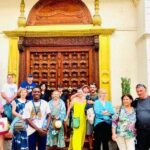
At this first stop, you’ll spend about 10 minutes inside, including the ticket. The focus is on how Arabic and British influence appear through the story of the site, and you’ll hear details that explain why it’s called the House of Wonders. You also get two memorable specifics:
- the story of an old dhow said to be made without nails
- the throne of the sultanate, and what that symbolizes in the building’s purpose
Even if you normally skip museums, this stop is worth it because it gives you context you’ll reuse later. After you understand the building’s role in the larger Stone Town story, the surrounding architecture makes more sense, and the tour feels less like random photo stops.
A practical tip: this is an early stop, so arrive ready to absorb details. If you want to ask a question, ask here while you’re still fresh.
Freddie Mercury’s House: a famous name in an everyday setting
Next comes a quick 10-minute visit to Freddie Mercury’s House in Zanzibar. This isn’t presented as a giant production. It’s a short stop, and the value is in the explanation: you’ll hear how the legend connects to the local story, including the idea of his origins and how his name travels with the place.
This stop matters because Stone Town isn’t only about old empires and trade routes. Zanzibar also connects to modern pop culture, and that mix is part of what makes the city feel alive. You’ll be standing in a real neighborhood context, not just at a staged tourist site.
A consideration: because the time here is short, don’t treat it as a deep biography lesson. Think of it as a quick chapter that helps you understand why the name Freddie Mercury shows up in the Stone Town landscape.
Old Slave Market and the Anglican Cathedral: where the hardest stories live

If there’s one part of this tour you should go in ready for, it’s the stop at the Old Slave Market / Anglican Cathedral. You’ll spend about 45 minutes, and the longer time is justified. This isn’t just a history label—it’s a place where you learn what happened and how people described it.
You’ll hear why Zanzibar became a major point in the slave trade routes. The guide also explains where enslaved people were from, and you’ll learn how slave chambers looked and worked. One of the more specific parts of the story you’ll be told is why the area was connected to a term described as the whipping post, and how that naming ties to what the market represents.
Then comes the Anglican Cathedral connection. The key point here is not to treat religion as a separate topic. It’s part of how different eras left their marks on this city, including institutions built alongside the changing social landscape.
Important practical note: this section can feel heavy. If you’re sensitive to emotional history, take breaks as needed, and remind yourself that spending time here with an explanation is usually more meaningful than rushing past it.
Darajani Bazaar at night: fish, meat, spices, and how locals shop

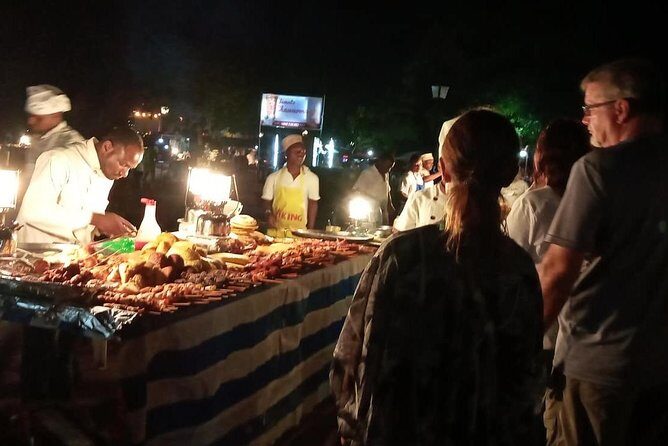
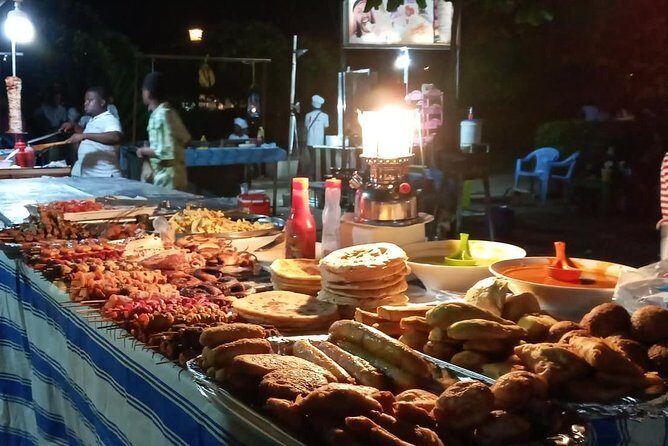
Darajani Bazaar is where Stone Town becomes practical. You’re not just seeing history—you’re seeing trade. This stop is about 15 minutes, with admission ticket included.
The guide frames it as the first modern market in Zanzibar and explains why we call it Darajani market (Bazaar). Inside, you’ll get pointed toward sections such as:
- the fish market
- the meat market
- the spice market
Even with limited time, that structure helps you understand the city’s economy in a way that sticks. Markets are where you can sense the rhythms of a place: what people buy, what they sell, and how daily life moves from street to shop.
This stop also works well for photos, but keep one eye on your footing. Stone Town lanes and market edges can be crowded, and the floor can be uneven. Simple rule: slow down when you’re near stalls.
If you’re thinking about what to eat later, Darajani is a good place to mentally map flavors. You’ll see spices and ingredients you can recognize when you spot them in restaurants afterward.
You can also read our reviews of more city tours in Zanzibar





The Old Fort (Ngome Kongwe): Portuguese coastal power in one location
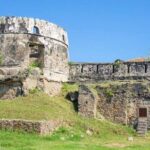
The last major stop is The Old Fort (Ngome Kongwe) for about 20 minutes, again with an admission ticket included. This is a strong closing chapter because it connects the story of Zanzibar to the wider East African coastal world.
You’ll hear how Portugal was active around the coast of present-day Tanzania and how they built up an empire along these routes. The tour ties Zanzibar’s fort history to the broader chain of coastal power, including mention of a connection from Mombasa, Kenya to Zanzibar.
What I like about ending here is that it gives you a geographic mental map. Forts are physical anchors for trade routes and conflict zones. Once you understand why the fort existed, you’ll notice how the town’s layout supports movement and control.
Practical tip: Fort areas can have uneven ground. Wear shoes you can trust. Even if the tour is short, you’ll still cover enough ground that comfort matters.
Price and value: what $40 buys you (and what it doesn’t)
Let’s talk value in plain terms. At $40 per person, you’re paying for a guided walking experience with:
- pickup offered (when available)
- mobile ticket
- all fees and taxes
- bottled water
- admission tickets for the key stops
In other words, you’re not paying extra on the spot for entry. That matters in Stone Town, where tickets can add up fast if you’re doing everything independently.
What’s not included is also important. Lunch and snacks aren’t included, so if you’re booking the tour at night, plan a light plan beforehand or plan to eat afterward. Also, bicycle use isn’t included, so don’t assume you’ll be cycling between sites.
One more value point: the tour holds a maximum of 8 travelers. That’s not just a comfort detail. It often means you get more direct explanations, especially in places where street corners and doors interrupt sound.
Guides matter: what you can expect from Coralsites tours & Safaris

The operator here is Coralsites tours & Safaris, and the most repeated theme in feedback is guide quality. People highlight guides as reliable and honest, and they praise professionalism and local familiarity.
A name you’ll see come up is Ali. Multiple messages point to Ali as efficient, friendly, and a helpful source for arranging other activities in Zanzibar. There’s also praise for guides who explain stories clearly at the sites you visit and who remain approachable if you have questions beyond what’s printed in the plan.
For you, that means two good things:
- You should feel comfortable asking follow-ups while you’re walking, not just passively listening.
- Even though this is a short tour, you may leave with useful next steps for what to do after the walk.
If you’re traveling solo, that can be especially important. One specific kind of feedback points to feeling safe as a solo woman with the guides. You can treat that as reassurance that the company culture is attentive to comfort.
Small-group night walking tips that make it smoother

Even though the tour is only around 3 hours, you’ll get more out of it if you show up prepared.
- Wear comfortable shoes you can walk in on uneven pavement.
- Bring a light layer if you tend to get chilly at night.
- If you’re into photos, plan on taking a few during stops, not during movement.
- Keep your questions ready. The guide’s strongest value is the explanations tied to each specific location.
Also, since the tour depends on good weather, watch the forecast on the day. If poor weather hits, you might be offered another date or a refund.
Who this tour suits best
This walking tour is a strong fit if you want:
- a starter overview of Stone Town that doesn’t feel random
- a mix of architecture, markets, and major historical context
- a short evening plan that ends where you started
It may be less ideal if you hate walking at night or you need lots of downtime between sites. The plan is tight by design, so you’ll be moving and learning without long breaks.
If you’re the kind of traveler who likes to understand what you’re looking at—why a building is called what it is, why a market has a particular name, why a site is remembered the way it is—this tour should click.
Should you book this Stone Town heart walk?
I’d book it if you want a guided route that covers the big landmarks without turning into a long day. The mix is balanced: House of Wonders, Freddie Mercury’s House, the Old Slave Market / Anglican Cathedral stop, Darajani Bazaar, and Old Fort gives you both emotion and context, plus a real sense of daily life through the market.
It’s also good value because admission tickets and fees are included, and you get bottled water. With a maximum of 8 travelers, you’re less likely to get swallowed by a big crowd in the narrow streets.
Only skip it if nighttime walking makes you uncomfortable or if you need a very relaxed pace with long museum time. If that’s you, look for an itinerary with fewer stops or more flexible timing.
FAQ
FAQ
What is the duration of the walking tour?
The walking tour lasts about 3 hours (approx.).
How much does the tour cost?
It costs $40.00 per person.
Where is the tour starting point and where does it end?
It starts at Old Fort, Mizingani Rd, Zanzibar, Tanzania and ends back at the same meeting point.
What time does the tour start?
The start time is 8:00 pm.
Is pickup included?
Pickup is offered, where available.
What’s included in the price?
Included are all fees and taxes, bottled water, and admission tickets for the listed stops.
What admission stops are included?
Admission tickets are included for House of Wonders, Freddie Mercury’s House, Old Slave Market/Anglican Cathedral, Darajani Bazaar, and Old Fort (Ngome Kongwe).
How many people are in a group?
The tour has a maximum of 8 travelers.
Does the tour require good weather?
Yes. The experience requires good weather. If it’s canceled due to poor weather, you’ll be offered a different date or a full refund.
Is it easy to access by public transportation?
Yes. It is noted as being near public transportation.