REVIEW · ARUSHA
8 Day private wildebeest migration safari Serengeti Ngorongoro
Book on Viator →Operated by Dancing Simba Safaris · Bookable on Viator
If you’ve ever wanted to see the Serengeti work like a living machine, this private migration safari is built for it. You’ll spend enough time in the ecosystem to do real tracking of the wildebeest—then add Ngorongoro Crater for that classic big-wildlife bowl. I love that the route follows the migration’s timing, so your days aren’t wasted waiting for the right moment.
Two things I really like: you get two full days focused on migration movement, and you’re also positioned for predator action in the Central/Eastern Serengeti swing and later at the Crater. One thing to consider is that this is a long-drive safari with early mornings, and your best sightings still depend on season and wildlife mood.
In This Review
- Key details that make this worth your time
- Highlights at a glance
- First day in Arusha: get oriented fast
- Lake Manyara National Park: birds, baboons, and those surprising lions
- Serengeti arrival and the logic of spending “real” time there
- Two full days of wildebeest migration tracking (and why it’s the whole point)
- Moving through the predator zone: sunrise and controlled crowds
- Ngorongoro Crater: the 600-meter drop that turns spotting into theater
- Materuni Waterfalls and Chemka Hot Springs: your Tanzania reset button
- Price and what you’re actually paying for
- Who this safari fits best
- Should you book this 8-day Serengeti + Ngorongoro private migration safari?
- FAQ
- Where does the safari start?
- Is this a private safari?
- How long is the safari?
- Which national parks and areas are included?
- Does the trip follow the wildebeest migration seasonally?
- How many days do you track the migration?
- What time of day are game drives?
- Are park admission tickets included?
- Where do you end and how do you get to the airport?
- What happens if the weather is poor?
Key details that make this worth your time
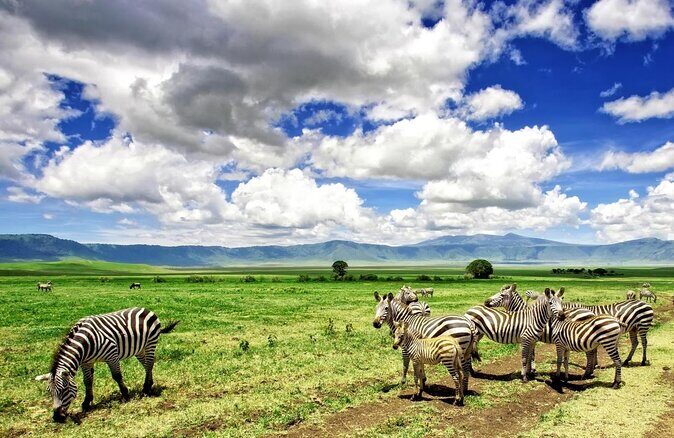
What makes this tour feel especially practical is the pacing. You’re not just zipping through parks—you’re given time where the action tends to concentrate, then moved again so the migration story can actually unfold. I also like that you’ll meet the team quickly after arrival (a driver pickup and a short next-day briefing), so you start safari mode without chaos.
The one possible drawback: the itinerary length and game-drive intensity mean it’s not the gentlest schedule if you want slow, late starts every day. If you’re sensitive to long days in a safari vehicle, plan for breaks and keep your expectations realistic.
Highlights at a glance
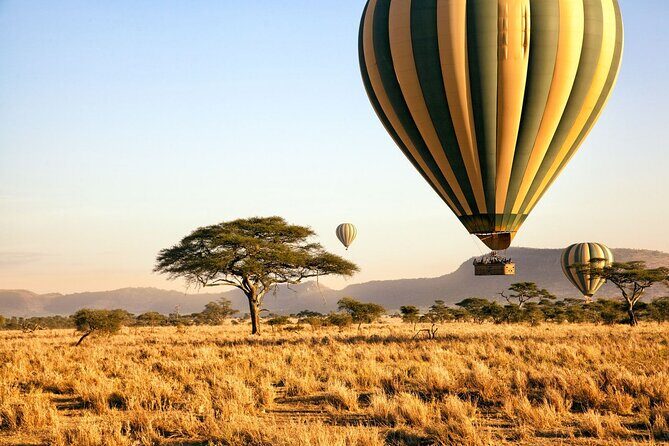
- Migration tracking for your season with two long dedicated days, focused on where the herds are likely moving
- Serengeti predator opportunities through timing and location choices, including sunrise drives
- Ngorongoro Crater descent over 600 meters for dense wildlife viewing in a controlled, classic setting
- Lake Manyara variety including tree-climbing lions, plus lots of birds and primates
- Add-on nature time at Materuni Waterfalls and Chemka Hot Springs for a break from endless spotting
- Private group feel where only your group participates, with pickup included
You can also read our reviews of more private tours in Arusha
First day in Arusha: get oriented fast
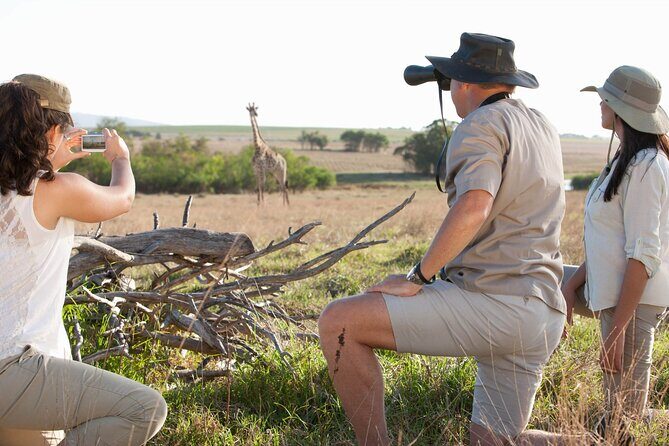
You’ll land into Kilimanjaro International Airport (JRO), then get a driver meet-up and a roughly 45-minute transfer to Arusha. The goal here is simple: you get to your reserved hotel, drop your bags, and get a short briefing on what comes next.
This matters more than people think. Tanzania safaris run on early timing, and knowing the next day’s flow helps you sleep better and wake up ready. If you have extra time on arrival day, the driver will clue you in on options, which is handy when your flight lands awkwardly.
Lake Manyara National Park: birds, baboons, and those surprising lions
After breakfast you head out toward Lake Manyara, with about two hours of road time before you’re in the park. This day has a “small-world” feel compared to Serengeti: lots of variety in a compact area, from tropical forest sections to greener scenery and very active birdlife.
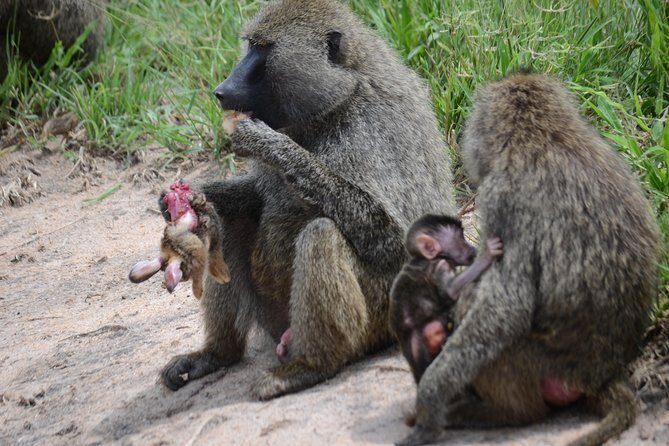
Lake Manyara is where you can get a real mix of wildlife personalities. Expect baboons and monkeys, plus animals like waterbuck and elephants depending on where you’re positioned. And yes, tree-climbing lions are a signature here—so it’s worth paying attention to the treelines, not just the open grass.
If there’s a drawback, it’s that Lake Manyara can feel busy or changeable in mood. Your success depends on where the park team takes you that day, but the upside is that even when big cats don’t show, the scenery and animal variety keep the day full.
Overnight is at Karatu Lodge, which is a smart base for getting into the Serengeti rhythm without exhausting drives every single day.
Serengeti arrival and the logic of spending “real” time there
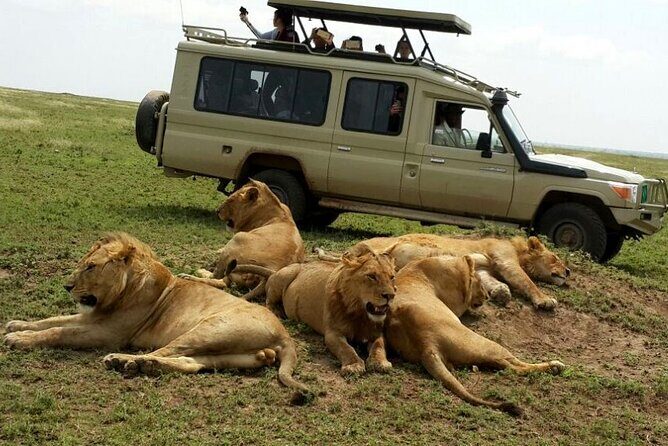
Day three is a big step: early breakfast around 7:00, then game drives en route into Serengeti National Park. Serengeti is Tanzania’s famous giant—endless plains, migration drama, and predators spread across the system. You’re also likely to see animals like giraffes, gazelles, antelopes, hippos, and crocodiles around the river areas.
One reason I like this tour’s structure is that it treats Serengeti as more than a photo stop. You’ll have a full overnight in the heart of the park, which helps you break the pattern of arriving, rushing, and leaving before the light changes.
Practically, that matters for your sightings. Wildlife shifts with time of day, and predators often become easier when visibility and heat settle. If you’re the type who loves details—tracks, movement, and behavior—this pacing lets you notice more.
Two full days of wildebeest migration tracking (and why it’s the whole point)
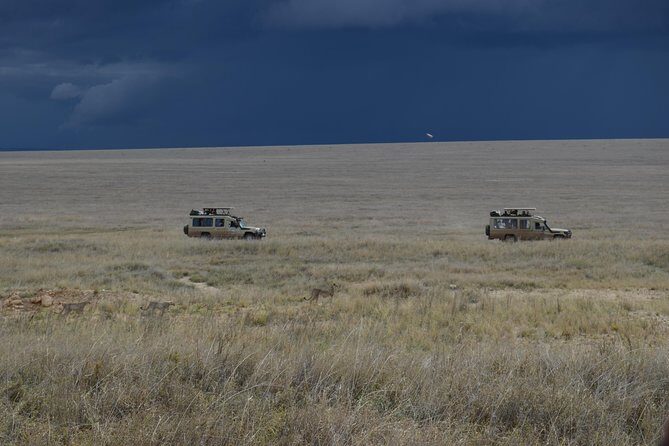
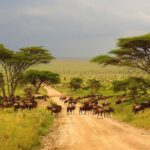
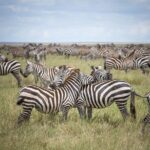
The heart of this safari is the two-day migration tracking block, where you chase the herds in different parts of Serengeti depending on the season. Your chances get better when you match timing to geography, and this tour does that work for you.
Here’s the seasonal map you’ll be following:
- Dec–March: southern Serengeti around Ndutu
- April–May–June: Central Serengeti and the Grumeti River
- Jul–October: the Mara River, including the famous annual crossing period
During those days, you’re not just “doing Serengeti again.” You’re actively tracking movement—meaning your driver and guide are paying attention to where herds are feeding, where they’re bunching up, and where predator pressure rises.
Why this is valuable for you: wildebeest migration isn’t a single moment. It’s a chain reaction—grass quality, river access, and predator hunting all link together. Two focused days gives you time for the story to develop rather than hoping you catch the best scene on one random drive.
A few more Arusha tours and experiences worth a look
Moving through the predator zone: sunrise and controlled crowds
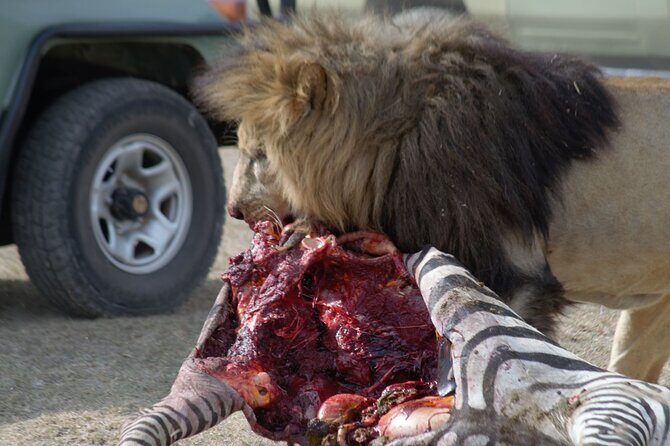
After the intense migration tracking, the tour shifts toward predator-focused viewing. You’ll wake early, enjoy tea or coffee, and set off with a packed breakfast so you don’t lose prime hunting hours. The thinking is straightforward: predators tend to be more active during night and early morning.
You’ll drive out of central Serengeti toward the eastern side, looking for cheetahs, lions, and other wildlife. There’s also a useful detail here: you’ll drive toward controlled areas away from the crowd of other safari jeeps. That doesn’t guarantee better sightings, but it often makes a big difference for your view and your patience—two underrated safari resources.
This section ends around early afternoon, which is another practical choice. It gives you time to process what you saw, relax, and be ready to descend into Ngorongoro later without feeling totally cooked.
Ngorongoro Crater: the 600-meter drop that turns spotting into theater
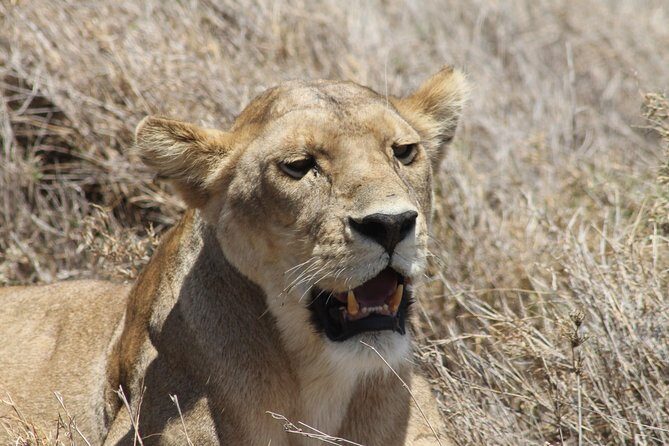
Ngorongoro Conservation Area is a separate world, and the day is paced for that effect. After breakfast, you drive to the crater and descend more than 600 meters to view wildlife from below. This is one of those places where the density is the whole attraction, supported by a year-round supply of water and fodder.
Inside the crater, you’ll find animals including wildebeest, zebra, buffalo, warthog, hippo, and even giant African elephants. Predators also show up in higher concentration than many people expect, including lions, hyenas, jackals, cheetahs, and the leopard (which can be elusive, so your guide’s trained eye matters).
A specific stop you’ll make is Lake Magadi, a large shallow alkaline lake in the southwest corner. It’s not just scenery; it’s part of how the crater supports wildlife year-round.
The main drawback here is that it’s a crater—meaning it’s not “endless plains.” If you’re craving classic open-Serengeti horizons every day, this can feel tighter. But for wildlife density and the wow factor of the descent, it’s hard to beat.
Materuni Waterfalls and Chemka Hot Springs: your Tanzania reset button
Not every day needs to be about game drives. On the final day you head to Materuni Waterfalls, with pickup from your hotel in Arusha or Moshi. The drive includes time above sea level around 2,500 meters, and you’ll go with a local safari guide.
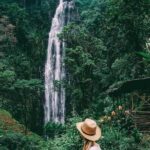
This is where Tanzania shows off in a different way: you’ll explore slopes of Kilimanjaro and look out for birds and chameleons, plus coffee and banana trees along the way. Then you reach the falls and have the option to swim in the pools with clean water.
Afterward, you’ll go back for a coffee tour experience and then continue to Chemka Hot Springs. This is a natural swimming area with small fish in the pool, so you’ll want swimming clothes and a relaxed attitude. The day ends with a drive to Kilimanjaro airport in time for your flight.
For many people, this is the perfect finale. You’ve spent days scanning the savanna. This day lets you move your body, cool off, and remember the country beyond the parks.
Price and what you’re actually paying for
At $3,200 per person for an eight-day private safari, the value comes from the mix and the time. You’re not just paying for transport—you’re paying for the ability to keep chasing the migration with a schedule that matches seasonal geography.
Also, the tour data lists admission as free for Serengeti and included for Ngorongoro and the final nature stops. That matters because park fees can add up quickly, especially on multi-day wildlife routes.
What you should still sanity-check: meals, personal spending, and any extras aren’t spelled out here. Before you book, ask what’s included for every day besides park access—so you can compare apples to apples with other safaris.
Who this safari fits best
This is an excellent match if you:
- want the wildebeest migration to be the main event, not a side quest
- like private guiding and a route that adapts to season
- enjoy early mornings when it pays off for predator sightings
- want Serengeti plus Ngorongoro, then a nature finish at waterfalls and hot springs
It can be a tough fit if you want very restful days, because the schedule includes long drives and long wildlife hours. If that’s you, tell the operator before booking so they can help align expectations.
Should you book this 8-day Serengeti + Ngorongoro private migration safari?
I’d book it if your priority is seeing the migration where it’s actually happening for your travel month. The structure—two full days tracking plus time around predator activity and then Ngorongoro Crater—gives you more chances to hit meaningful wildlife moments than a shorter, more scattershot route.
I’d pause if you hate early starts or if you’re planning a trip where you’ll need heavy downtime between activities. In that case, you’d want either fewer game-drive days or a slower pacing plan.
Either way, if you care about having a guide who knows how to position you—people like Ally (Lunge) and David come up in feedback as strong, attentive guides—the difference is noticeable when the action is moving fast.
FAQ
Where does the safari start?
The tour starts in Arusha. You’ll be met at Kilimanjaro International Airport (JRO) and driven to your reserved hotel for the first night.
Is this a private safari?
Yes. This is a private tour/activity, so only your group participates.
How long is the safari?
It runs for about 8 days.
Which national parks and areas are included?
You’ll visit Lake Manyara National Park, Serengeti National Park, Ngorongoro Conservation Area (including Ngorongoro Crater), plus Materuni Waterfalls and Chemka Hot Springs near the Kilimanjaro area.
Does the trip follow the wildebeest migration seasonally?
Yes. Migration tracking is planned for different parts of Serengeti depending on the time of year: Ndutu (Dec–Mar), Central/Grumeti (Apr–Jun), or Mara River (Jul–Oct).
How many days do you track the migration?
You’ll have two full days dedicated to migration tracking.
What time of day are game drives?
There are early starts on safari days. For example, you’ll have an early breakfast and early morning drives, including a sunrise-focused game drive timing before returning in the afternoon.
Are park admission tickets included?
The tour details list admission as free for Serengeti. Ngorongoro Crater admission is included, and Materuni Waterfalls and Chemka Hot Springs admission is included for day 8.
Where do you end and how do you get to the airport?
On the final day, you’ll be driven to Kilimanjaro airport after Materuni Waterfalls and Chemka Hot Springs.
What happens if the weather is poor?
The experience requires good weather. If it’s canceled due to poor weather, you’ll be offered a different date or a full refund.