REVIEW · ARUSHA
Discover Tanzania through the 3 wild classics
Book on Viator →Operated by Savannah Tours · Bookable on Viator
Big wildlife, tight planning, zero stress. This 7-day private safari from Arusha strings together Tarangire, Lake Manyara, the Ngorongoro Crater and the Serengeti with 4×4 transportation and airport transfers handled for you. I like the experienced driver-guides and their steady, calm approach, but at $2,897.44 per person this is a serious splurge—double-check what’s not listed as included.
You’ll ride with a guide who can actually read the bush; past groups highlight Ewa and Lazaro for close animal spotting and smooth, safe driving. It’s also a private setup, so the safari rhythm feels more like your trip and less like a bus tour.
In This Review
- Key highlights to know before you go
- Entering Tanzania from Arusha: where your safari starts
- The drive-and-see style of Tarangire National Park
- Lake Manyara: where the terrain can change fast
- Ngorongoro Crater: the day that changes your idea of scale
- Serengeti time: why this is the part you talk about later
- The role of your guide-driver: names that keep showing up
- Meals, water, and the comfort math on a 7-day safari
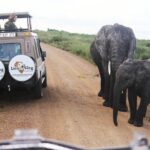
- Transportation, private logistics, and why it affects your sightings
- Price and value: what $2,897.44 really buys you
- Who this safari fits best
- Should you book this Tanzania safari?
- FAQ
- What’s the duration of the safari?
- Is this a private tour?
- What’s included in the price?
- Do you offer pickup and airport transfers?
- When will I receive confirmation after booking?
- Is free cancellation available?
Key highlights to know before you go
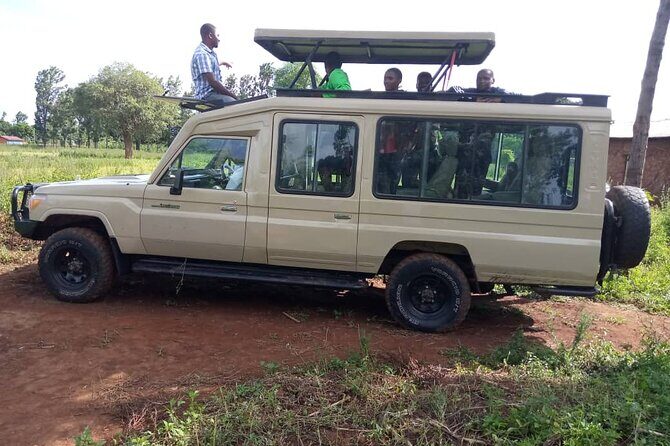
- Private 4×4 safari setup: your group stays together, and game-drive time is focused on your sightings.
- Airport transfers included: you’re met on arrival and moved to Arusha without hunting for taxis.
- Classic Northern Circuit parks: Tarangire, Lake Manyara, Ngorongoro Crater, and Serengeti are the core hits.
- Meals planned for the drive-heavy days: breakfast and most lunches/dinners are included, plus bottled water on drives.
- Strong guide performance shows up repeatedly: names like Ewa, Lazaro, Julius, Nickson, Bryson, and Edmund appear in guide feedback.
- Diet-aware lunches can be arranged: one group specifically noted tailor-made lunches for dietary needs.
Entering Tanzania from Arusha: where your safari starts
Most Tanzania safaris live or die by the first 24 hours. Get this part wrong and you lose daylight, patience, or both. Here, you start with arrival from abroad and a welcome plus transfer to your hotel in Arusha, then the safari portion runs as a single, organized loop.
That organization matters because this is not a “walk-up and wing it” kind of trip. You’re in long-distance country with big roads, long drives, and wildlife that won’t pause because you’re stuck in traffic. When airport pickup is included and the vehicle is set (a 4×4), you can settle into the trip faster and start chasing sightings sooner.
One more plus: it’s private. That means the guide can adjust pace and your plans without negotiating with strangers, and you can ask questions without the usual “wait until the group catches up” problem.
You can also read our reviews of more tours and experiences in Arusha.
The drive-and-see style of Tarangire National Park
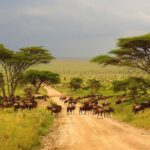
Tarangire is one of those parks where the safari feeling changes from moment to moment. One hour you’re watching the plain, the next you’re tracking animals through trees, and then suddenly you’re close to something that makes you forget your phone exists.
The big value of Tarangire in a 7-day circuit is timing. It’s often a great early stop because you can get your safari legs under you while the pace is still fresh. Also, it fits well as a first “anchor” park before you hit the more intense wildlife density areas later on.
What you’ll like: the mix of big animals and constant movement. Even when a sighting doesn’t last long, you usually get the “something is happening” feeling again soon after.
A practical consideration: game drives can be long days. You’ll want to be ready for sitting in the sun, scanning for movement, and changing your plan quickly based on where animals are. Bottled mineral water on game drives helps, and that’s included.
Lake Manyara: where the terrain can change fast
Lake Manyara brings a different texture to the safari week. Instead of one open viewing style, you tend to get a more varied mix of wooded edges, shoreline views, and wildlife that can appear in surprising places.
In the 7-day safari context, this park is a good “breather” without being boring. It breaks up the week so you don’t feel like you’re repeating the same type of drive. You also get more variety in what you’re trying to spot—birds and animal behavior can feel different here than in the wide-open plains.
What you’ll like: variety. The park isn’t just about one kind of wildlife moment; it’s about staying alert while the scenery shifts.
What to watch for: this kind of park can reward patience. If you’re the type who wants constant action every minute, you might feel the downtime more strongly. The best move is to treat it like bird-and-animal spotting training: scan, then pause, then scan again.
Ngorongoro Crater: the day that changes your idea of scale
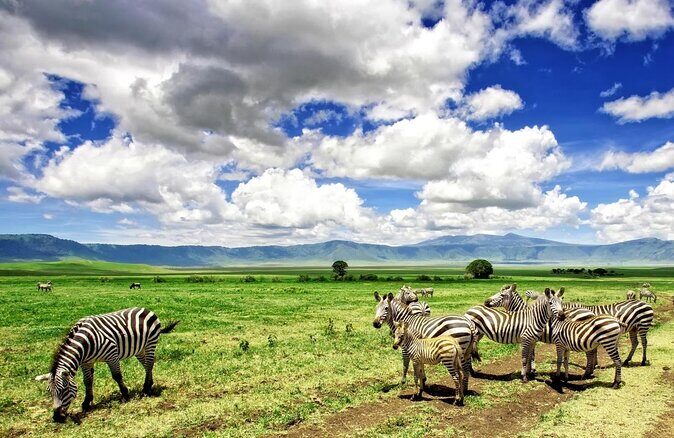
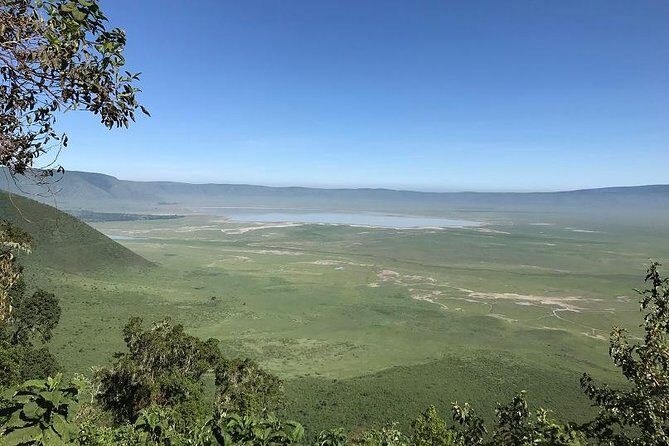
If you’ve seen pictures of the Ngorongoro Crater, you already know it’s dramatic. The practical reality is that this is wildlife in a closed, steep bowl. That matters because animal density can feel high, and visibility often depends on where you’re positioned.
In a 7-day Northern Tanzania itinerary, Ngorongoro is usually where people say, “Okay, now we get it.” It’s a concentrated wildlife day, with the crater walls shaping sight lines and the timing of your drive affecting what you see.
What you’ll like: the combination of geology and wildlife. Even if you don’t get every big-cat moment you imagined, the day tends to feel like a real event because the setting is so distinctive.
A practical consideration: the crater is all about positioning. That’s where guide skill shows up. Past groups mentioned guides and drivers who know how to spot animals and get you as close as possible while keeping the drive smooth and safe.
Serengeti time: why this is the part you talk about later
Serengeti is the headline. It’s also the most “your patience gets rewarded” park in the week. The reason it works in a 7-day safari is simple: you get enough time to actually start reading the rhythm of a big ecosystem, not just do a quick checklist run.
In at least one documented 7-day pattern, people had two days in Serengeti, after earlier stops like Tarangire and Lake Manyara. That extra day matters because wildlife doesn’t operate like a timed show. Animals move. Lighting changes. Where you should be looking changes too.
What you’ll like: the chance for repeat opportunities. One morning can be different from the next afternoon, and the guide’s planning matters.
A practical consideration: you’re in long sight-spotting mode. Plan to be comfortable with waiting—then be ready to react quickly when the guide calls out a sighting. This is where a good driver reduces stress by getting you where you need to be efficiently.
Some past groups also mentioned adding a hot-air balloon ride during their broader safari experience. If that’s on your bucket list, it’s worth asking early, since anything that changes your schedule can affect drive timing.
The role of your guide-driver: names that keep showing up
This tour’s biggest advantage isn’t the vehicle or the parks on paper—it’s the people behind the wheel. Savannah Tours describes its driver guides as experienced and passionate, and the feedback backs that up through repeat guide names.
I’m seeing a pattern of praise for guides and drivers such as:
- Ewa, mentioned for being friendly, careful, and a reliable companion across safari days.
- Lazaro/Lazzaro, praised for making the experience memorable with insight and engaging guiding.
- Julius, praised for airport pickup and thoughtful planning, including lunches adapted to dietary needs.
- Nickson, singled out for a superb job with nothing to critique.
- Bryson, recognized for lodge and trip organization, plus kind, helpful hosting.
- Edmund, noted for showing up for pickup even after a delayed arrival and keeping things upbeat.
What that tells you is how the experience tends to feel: less like you’re being processed, more like you have an actual guide in your corner. If you care about learning what you’re seeing—tracks, behavior, why animals are where they are—this matters a lot.
My practical advice: when you book, send your priorities in advance (animals you most want, photography goals, pace you prefer, and any dietary needs). A good guide will use that to steer the week.
Meals, water, and the comfort math on a 7-day safari
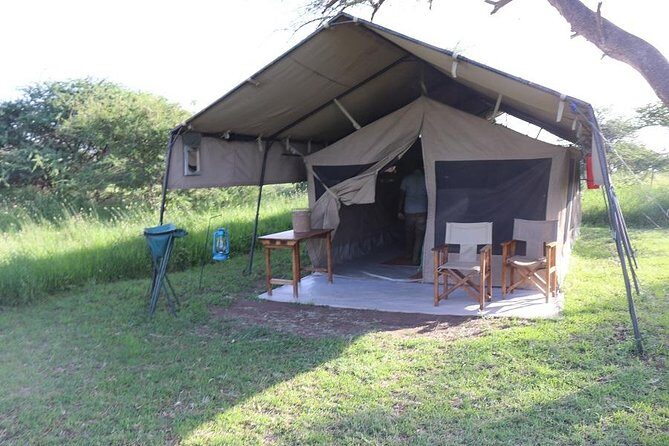
A safari day is more intense than most people expect. Even with shade breaks, you’re usually outside for long stretches, and the vehicle isn’t a hotel lounge. This is where the meal and water plan becomes real value.
The tour includes:
- Bottled mineral water on game drives
- Breakfast (6), Lunch (5), Dinner (5)
That meal coverage is important because it reduces your “where do we eat now?” stress. It also helps keep energy steady across early starts and long drives. One group specifically noted that the team handled tailor-made lunches for dietary requirements, which is exactly what you want on a week-long safari.
A consideration: the included list doesn’t spell out everything not included. If you’re someone who expects all drinks, snacks, or special dietary items to be fully covered, you should confirm. The only explicit drink covered here is bottled mineral water on drives.
Transportation, private logistics, and why it affects your sightings
This is private, and it’s done in a 4×4 vehicle with airport transfers included. That combination is more than convenience. On safari, time is sighting currency.
When you’re not sharing jeeps with strangers, your guide can:
- adjust timing to your preferences,
- position the vehicle faster,
- and avoid the constant “wait for the other group” moments.
Also, private transport reduces friction when plans change because of wildlife movement. Animals don’t get a schedule. Roads don’t always behave. A well-run vehicle plan lets the guide react without chaos.
There’s also a small but meaningful detail: the tour uses a mobile ticket, and pickup is offered. Those things usually mean less paper, less confusion, and an easier start at the meeting point.
Price and value: what $2,897.44 really buys you
Let’s talk numbers honestly. $2,897.44 per person is not a budget safari. This is a pay-for-structure kind of trip.
So what are you really paying for?
- Private 4×4 transport
- Airport transfers
- All fees and taxes (as listed)
- Most meals across the week
- Bottled water on game drives
When safaris get expensive, it’s usually because of vehicle costs, park access fees, staffing, and the fact that you’re moving between multiple remote areas. Here, the inclusion list suggests the core safari machine is already covered.
Where to be careful: the “Not included” section just says not mentioned as included. That usually means the provider didn’t list extras (often things like some beverages, some personal expenses, or add-on activities). Before you commit, check what you’ll need to pay for during the week so you don’t get surprised.
If your priorities are comfort, fewer compromises, and a guide who can maximize time in the field, this price can feel justified. If you’re looking for the cheapest way to see Tanzania wildlife, you’ll need to decide where you’re willing to sacrifice.
Who this safari fits best
This tour style is ideal if you:
- want a classic Northern Tanzania hit in about a week,
- prefer a private experience over big shared groups,
- care about guide guidance (not just passing through parks),
- and appreciate having meals and transfers handled.
It’s also described as something most travelers can participate in. The tour is marked as near public transportation, but with a safari schedule, you should assume your main movement is via the provided vehicle.
If you’re traveling as a family, couples, or a small group, you’re set up well for a flexible, friendly pace. And if you’re a first-timer, having an experienced guide-driver team makes the whole week feel more understandable and less like you’re guessing at what matters.
Should you book this Tanzania safari?
Book this safari if you want a well-run, private 7-day loop through Tanzania’s famous big-wildlife stops and you’re okay paying for the structure. The strongest reason to choose it is the combination of private 4×4 transport, airport transfers, and an emphasis on guide-driver support—with multiple guide names coming up in feedback for attentive driving and helpful explanations.
Skip or rethink if you’re trying to keep costs low, or if you need very specific inclusions that aren’t clearly listed (like a full package of all drinks, or certain add-ons you assume are included). In that case, ask direct questions before you pay.
If you want classic parks, a straightforward plan, and a safari week that feels organized from day one, this is a strong option.
FAQ
What’s the duration of the safari?
The experience is listed as approximately 7 days.
Is this a private tour?
Yes. It’s a private tour/activity, meaning only your group will participate.
What’s included in the price?
Included items are listed as 4×4 transportation, airport transfers, all fees and taxes, bottled mineral water on game drives, and meals: breakfast (6), lunch (5), and dinner (5).
Do you offer pickup and airport transfers?
Yes. Pickup is offered and airport transfers are included.
When will I receive confirmation after booking?
Confirmation is listed as being received within 48 hours of booking, subject to availability.
Is free cancellation available?
Yes. You can cancel for a full refund up to 24 hours in advance of the experience start time.