REVIEW · ARUSHA
3-Days Tanzania Safari: Serengeti & Ngorongoro Crater.
Book on Viator →Operated by 21 Africa safaris · Bookable on Viator
Three days in Tanzania feels like a whole week. In this tight itinerary, you’ll hit Serengeti for big-cat chances and end with the crater wildlife at Ngorongoro. I like that it’s set up for you: your driver and guide handle the moves, and you get game viewing from a 4×4 vehicle with a pop-up roof. I also like the balance of long wildlife time plus a proper crater day, not just a rushed photo stop. The main drawback to consider is the pace: two long driving days mean you’ll trade some rest for more time on safari.
You start from Arusha or Moshi, then work through two of northern Tanzania’s most famous areas. In practice, that’s a great fit if you want classic safari highlights without needing a week or more, and if you like seeing how the ecosystems change from plains to crater.
In This Review
- Key Points You’ll Care About
- 3 Days in Northern Tanzania: What You’re Really Buying
- Day 1: Arusha or Moshi to Serengeti and a First Shot at Predators
- Day 2: Full-Day Serengeti Game Drive Before Moving Toward Ngorongoro
- Day 3: Ngorongoro Crater Descent, Hippo Pool, and the Eden-of-Africa Feeling
- Lodges, Camps, and Meals: Staying Comfortable Enough to Enjoy Sunrise
- Vehicle, Guide, and Binoculars: Small Details That Affect Sightings
- When to Go: Dry Season for Wildlife, Green Season for Birding
- Price and Value: Is $735 Fair for Serengeti and Ngorongoro?
- Should You Book This 3-Day Serengeti and Ngorongoro Safari?
- FAQ
- Where does this safari start?
- How long is the safari?
- Which parks are included?
- What’s included in the tour price?
- Is an optional hot air balloon safari available?
- Are park entrance fees included?
- Is alcohol included?
- Can I cancel and get a full refund?
Key Points You’ll Care About
- 4×4 pop-up roof game viewing for better spotting and cleaner photos
- Two parks in three days keeps your trip focused and efficient
- Early predator timing on the Serengeti morning drive helps with lion and other action
- Ngorongoro Crater is the payoff day with a hippo pool stop inside the caldera
- Meals and park fees included so you can budget without surprise line items
3 Days in Northern Tanzania: What You’re Really Buying
This is the kind of safari I’d call “short and serious.” You’re not paying for a slow scenic tour; you’re paying for concentrated wildlife time across Serengeti National Park and Ngorongoro Crater.
At $735 per person for about three days, the value comes from what’s bundled:
- a 4×4 safari vehicle with a pop-up roof
- a professional English-speaking safari guide
- park entrance fees for both Serengeti and Ngorongoro
- accommodation tied to the itinerary
- meals (breakfast, lunch, dinner) plus bottled water
- binoculars
That matters because safaris get expensive fast once you start adding vehicle, entry fees, guiding, and meals separately. Here, you’re mostly buying a complete operating system for safari day-to-day logistics, which is exactly what helps first-timers feel calm instead of stressed.
A few more Arusha tours and experiences worth a look
Day 1: Arusha or Moshi to Serengeti and a First Shot at Predators
Day 1 starts with an early departure from Arusha or Moshi, and you’ll spend the first stretch driving toward Serengeti. Along the way, you’re not stuck staring at a windshield the whole time. You’ll get:
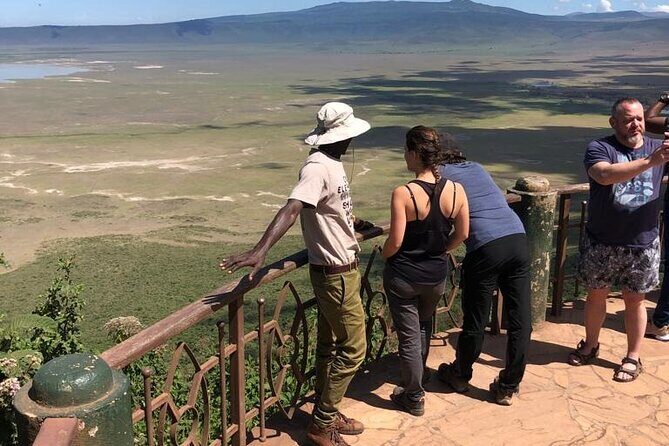
- a brief stop at the Ngorongoro viewpoint for crater views
- driving through changing terrain as you head into the northern safari circuit
- passing communities, including areas with Maasai villages
The drive itself is part of the “read the country” experience. You’ll watch the region shift from highlands toward the park world, and that makes your first big safari day feel earned.
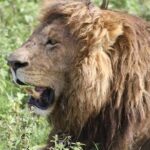
When you arrive around midday, the rhythm usually goes like this: lunch, then your first game drive in Serengeti’s golden plains. Expect a wide cast of wildlife—lions and the classic large mammals are the goal, but this is also where you often rack up lots of sightings:
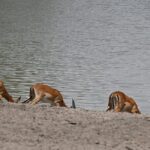
- giraffes and zebras
- antelope like impala and topi
- cheetahs and hyenas (when conditions line up)
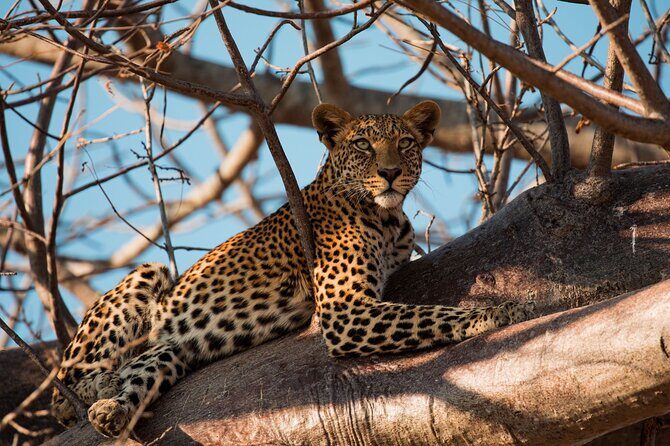
- and the bigger “maybe” targets like leopards and elephants
A sunset game drive on Day 1 is a smart move. Light changes fast in Serengeti, and predators often feel more active when the day cools. After that, you head to your lodge or tented camp setup.
One practical consideration: since Day 1 is a drive-heavy start, you’ll want to be comfortable in a vehicle for long stretches. If you tend to get car-sore, pack for that reality.
Day 2: Full-Day Serengeti Game Drive Before Moving Toward Ngorongoro
Day 2 is a true “hunt with your eyes” day. You’ll wake before sunrise for an early game drive, which is when predators can be easier to spot and when animals are often moving between feeding and resting areas.
What I like about structuring the day this way is that you’re not relying on luck during only one time window. Morning tends to be best for:
- predator activity and fresh sightings
- calmer traffic inside the park before crowds spread out
- better light for photography, especially for golden fur and dusty plains
From there, your route inside Serengeti can shift with wildlife movements and season. The itinerary points to options like:
- Seronera Valley, known for predator density
- the Western Corridor and Grumeti River areas during Great Migration season
So if you’re traveling in the window when migration is happening, you’re not just hoping for it. You’re positioned for it. If you’re not in migration season, you can still enjoy strong wildlife viewing—Serengeti is always alive with smaller action, from grazing herds to sudden bursts of attention when a predator is near.
Lunch is handled as a picnic-style stop in a scenic location, then you continue with additional drives. That second block after lunch is often where you’ll see different behavior patterns than you did in the morning—some animals step out to feed again, others shift to cover.
Evening brings the transfer toward the Ngorongoro Conservation Area, where you’ll stay near the rim for the next day’s crater descent.
Small drawback to note: Day 2 blends big wildlife time with travel. That means you’re likely to be moving through the day at safari pace, not tourist pace. Plan for it mentally, not just physically.
Day 3: Ngorongoro Crater Descent, Hippo Pool, and the Eden-of-Africa Feeling
Ngorongoro is the day you’ll remember. The itinerary is built around a very early start so you descend into the crater while conditions are favorable and animals are active.
Ngorongoro is a UNESCO World Heritage Site and a true natural “world inside a world.” The crater caldera holds over 25,000 animals, and it’s especially famous for big wildlife concentrations. You’re likely to see:
- lions
- elephants
- buffalo
- and one of the higher densities of black rhinos in East Africa (not guaranteed, but it’s a major draw)
You’ll also drive through different habitats inside the crater—open grasslands and acacia woodlands. That variety helps because animals don’t use one single setting all day. You’re effectively scanning multiple “neighborhoods” in the same enclosed area.
A highlight is the Hippo Pool, where you can watch hippos basking. It’s not just about hippos, though. The crater day is where the ecosystem feel hits: animals are close enough to watch behavior, not just identify silhouettes.
You’ll have an extended game drive, then a picnic lunch near a scenic viewpoint. After that, you start the climb back to the crater rim and continue your return to Arusha or Moshi.
This “last night in Ngorongoro” setup means you’re not rushing from the rim at the end of the day. It also helps you get a proper crater morning instead of a late arrival.
Lodges, Camps, and Meals: Staying Comfortable Enough to Enjoy Sunrise
One thing I appreciate in a short safari is sleep quality. The itinerary specifically emphasizes sleeping well in arranged lodges or camps, and in the budget setup it lists Nyani Campsite and Simba Campsite (with other accommodation tiers also possible).
You’re also not left to fend for your own meals. The package includes:
- breakfast, lunch, and dinner
- bottled water
- drinking water throughout the safari
- lunch during drives (including picnic-style lunches)
That’s a big deal because hydration and steady food keep your energy up for early morning starts and long game drives. Also, when meals are handled, you avoid the “where do we eat now” scramble that can ruin the flow of a tight itinerary.
What isn’t included is alcohol. If you like a cocktail with dinner, you’ll need to budget separately.
Vehicle, Guide, and Binoculars: Small Details That Affect Sightings
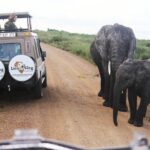
This safari uses a 4×4 safari vehicle with a pop-up roof, which is one of the best ways to improve viewing. You get a higher vantage point without standing in an unsafe way. Add in the included binoculars, and you’re ready to scan from the start.
Your guide is professional and English-speaking, and that matters more than people think. Wildlife spotting often comes down to pattern recognition:
- where animals typically feed
- what tracks or behavior can mean
- how to read the landscape for movement
Past guests have highlighted strong organization and skilled guiding in general, including mention of guides such as Elieth, Calvin, and Marcus. While you can’t assume any particular name, it’s a good sign that the guiding team tends to be the kind that keeps things moving smoothly and answers questions.
When to Go: Dry Season for Wildlife, Green Season for Birding
Timing shapes your experience. The itinerary calls out:
- June to October as dry season, often the easiest for wildlife viewing because animals gather around water
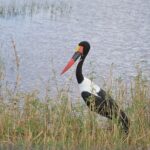
- November to May as green season, usually with fewer crowds and lush scenery, with strong birdwatching value
- July to October and January to March as prime windows for the Great Migration in Serengeti (seasonal)
If your priority is big animal viewing and predator chances, dry season is a strong pick. If your priority is fewer people and more birds, green season can be excellent.
Also, since this is a short itinerary, you don’t have days to “wait and see.” Choosing the right season helps your chances.
Price and Value: Is $735 Fair for Serengeti and Ngorongoro?
Here’s how I’d judge the cost.
You’re paying for:
- entry to two major parks
- guided game driving across both
- a vehicle designed for viewing
- multiple meals and bottled water
- and arranged lodging for the two nights
The price doesn’t include visa fees (it lists $50 for most nationalities and $100 for U.S. citizens), travel insurance, and tips for guides and camp staff (recommended $10–$20 per day per person). Alcohol isn’t included either. And the optional hot air balloon safari costs $500 per person.
Even with those add-ons, the structure helps you keep the safari cost predictable. If you try to build a do-it-yourself version of this trip—vehicle, guide, entry fees, and lodges—you’d likely spend more time coordinating than you want, and you might still end up with the same short time on the ground.
So for a three-day sampler that hits Serengeti and Ngorongoro, $735 feels like it lands in the “good deal if the logistics work” zone. The biggest question is not the price on paper—it’s whether you want an intense schedule.
Should You Book This 3-Day Serengeti and Ngorongoro Safari?
I’d book this if:
- you have limited time but want the two classic northern Tanzania experiences
- you’re excited about Serengeti game drives and a proper Ngorongoro crater day
- you prefer a guide-run plan instead of piecing together transport and park access
- you like early starts if it means more wildlife time
I might pass (or upgrade to a longer itinerary) if:
- you hate long driving days
- you’re the type who needs lots of downtime between activities
- you want fewer schedule “edges” and more slow travel
If you do book, my best advice is simple: treat this like a safari sprint. Bring what you need for early mornings, be ready for a busy pace, and keep your expectations flexible—wildlife is never on a timer, but this route maximizes your odds in a short window.
FAQ
Where does this safari start?
The tour starts in Arusha, Tanzania (the ticket redemption point is Arusha). The itinerary also notes starting from Arusha or Moshi, with pickup offered.
How long is the safari?
It’s a 3-day safari (approx.).
Which parks are included?
You’ll visit Serengeti National Park and Ngorongoro Crater.
What’s included in the tour price?
Included items are private transportation, a 4×4 safari vehicle with a pop-up roof, park entrance fees, professional English-speaking guide, accommodation as per itinerary, meals (breakfast, lunch, dinner), bottled water, and binoculars. All fees and taxes are also included.
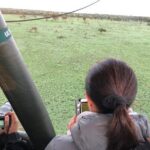
Is an optional hot air balloon safari available?
Yes. A hot air balloon safari is optional and listed at $500 per person.
Are park entrance fees included?
Yes. Park entrance fees for Serengeti and Ngorongoro are included.
Is alcohol included?
No. Alcoholic beverages are listed as not included.
Can I cancel and get a full refund?
Yes. Cancellation is free up to 24 hours in advance of the experience for a full refund. If you cancel less than 24 hours before, you won’t get a refund.