REVIEW · ARUSHA
3 Days Safari Ngorongoro Crater and Serengeti National Park
Book on Viator →Operated by kilipath African Safaris · Bookable on Viator
Life-changing wildlife shows up fast here. In just three days, you’ll cover Serengeti and the Ngorongoro Conservation Area, with early game drives, a hippo-focused stop, and a crater day that can deliver serious Big Five odds. The trip is also set up as a camping-style safari, so you’re not just passing through.
I especially like the way this route gives you time in multiple Serengeti zones, including the southern/central areas that help you stay flexible when animals spread out. I also like that the experience is built for small groups (maximum 6), which usually makes it easier to hear your guide and keep the pace realistic without feeling rushed.
One thing to consider: this is a fast, three-day circuit. If you’re the type who wants long lodge downtime, extra buffer time, or a slow safari rhythm, you might feel the days are packed.
In This Review
- Key highlights I’d plan around
- Day 1: Serengeti pickup, southern plains, and a hippo habitat stop
- Day 2: More Serengeti variety, kopjes views, and predator spotting chances
- Day 3: Ngorongoro Crater day—Big Five odds, Maasai bomas, and what’s rare
- Camping nights and the small-group rhythm
- Price and value: where the $810 goes
- The guides and organization: what you can look for
- Who this safari is best for (and who should choose something else)
- Should you book this 3-day safari?
- FAQ
- How long is this 3-day safari?
- Where does the tour start?
- Which parks are included?
- Is pickup included?
- What meals are included?
- How big is the group?
- What’s not included, and what about refunds?
Key highlights I’d plan around
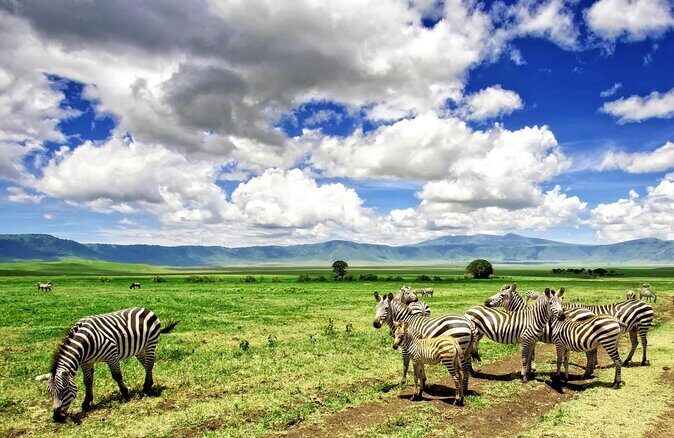
- Serengeti game drives across southern, central, and Seronera regions for varied sightings
- Hippo habitat visit to add something different beyond classic “spot the lion” driving
- Ngorongoro Crater day with year-round Big Five possibility
- Night(s) in the park on a camping expedition setup (tent/camping style on many basic options)
- Small group size, max 6 people, which often improves how smooth the day feels
- Strong communication and support noted in feedback, with guides and operators named often (Felix, Christian, Simon, Bulldozer, plus Heavenlight and Lucky)
Day 1: Serengeti pickup, southern plains, and a hippo habitat stop

You start in Arusha, with pickup offered and a morning push toward Serengeti. The drive is listed as about 6 hours (335 km) to the southern part of the park, entering through the Ngorongoro gate. That long transfer matters: it sets the tone for the trip. You’re not easing into the safari with a casual warmup—you’re arriving with time to get moving.
Once you’re in, the focus shifts to game drives in the southern and wider central/southern approach. This area is described as savannah grassland with year-round grazing, which is important because it helps attract predators and herbivores consistently. Expect the usual Serengeti stars on the menu: wildebeest, zebra, waterbuck, gazelles, impala, and other antelope-type sightings.
A smart twist is the hippo element. Rather than keeping it strictly “big cat scanning,” the day includes a hippo habitat visit. If you’ve only seen hippos on river cruises or in zoo settings, this kind of stop helps you understand how hippos fit into the landscape here—because they’re not just background animals. They shape where you’ll find activity along the water.
Tradeoff to know: this is a driving-heavy day. Between the long road transfer and the drive time inside the park, you should expect to spend most of your daylight hours on safari mode rather than resting.
A few more Arusha tours and experiences worth a look
Day 2: More Serengeti variety, kopjes views, and predator spotting chances
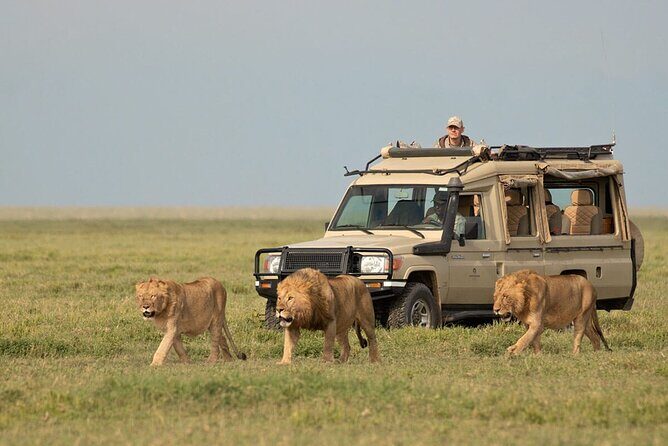
Day 2 keeps the momentum inside Serengeti, with time framed around the central regions and famous rocky outcrops—kopjes. These are the kind of features that help you read the ecosystem fast. From elevated rocky positions, you can often spot animal movement and understand why predators choose certain approach routes.
The description includes details like candelabra trees and seasonal-looking wildflowers, plus a mention of rare black rhinos in the broader area. It also points to a scenic “study area” vibe with things like Moru Kopjes (likened to rocky islands rising from a green-gold sea). Even if you don’t catch the exact animal moment, the geography itself is a big part of why this day works.
Two practical takeaways for your expectations:
- Kopjes can be excellent for predator scanning because animals gather around sightlines and terrain funnels.
- Big views don’t always mean more action at eye level. Some days, you’ll spend more time watching behavior than chasing thrills.
This is also where the Maasai cultural layer shows up via Maasai cave paintings mentioned for elephants, shields, and abstract patterns. You get more than wildlife watching—you get context for how people have long read and lived alongside this land.
Day 3: Ngorongoro Crater day—Big Five odds, Maasai bomas, and what’s rare
The crater day is the centerpiece. You head into the Ngorongoro Conservation Area, where the trip notes that this is the only Tanzania park-style setup that offers a year-round opportunity to view the Big Five, possibly even in a single day. That promise is best taken as good odds, not a guarantee—but it’s still a compelling reason to include Ngorongoro in a short safari.
Inside the crater, you’re also pointed toward the human history angle. The area is linked to early human evolution research associated with Mary and Louis Leakey. That matters because Ngorongoro isn’t just a wildlife bowl. It’s a place where geology, ecology, and long-term human story overlap.
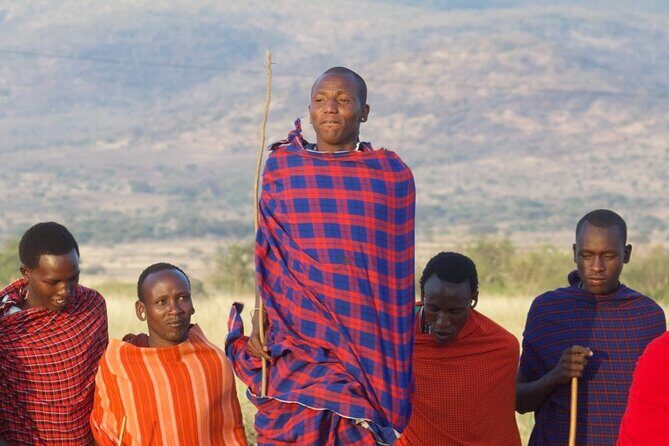
Cultural experience is included through the Maasai bomas, described as circular homesteads. This gives you a chance to understand how Maasai families live nearby, rather than treating the people here like they’re an optional add-on. On short itineraries, that kind of connection can be the difference between a “see animals” trip and a “get the full picture” trip.
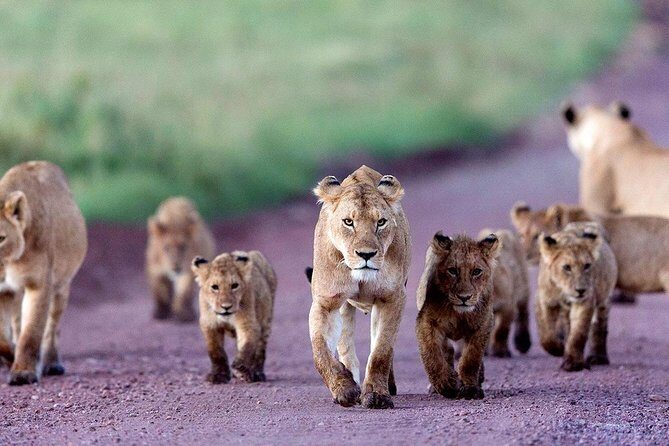
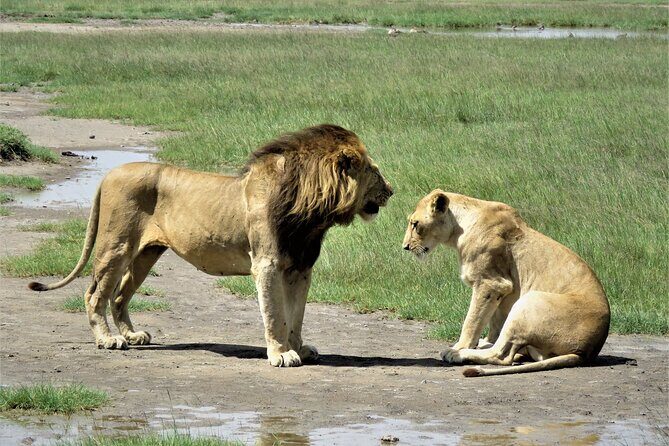
Wildlife expectations are broad: hippopotamus, wildebeest, buffalo, eland, plus predators and smaller species like golden jackals, bat-eared foxes, and African wild dogs are listed as possible sightings. You’ll also see that some animals are mentioned as rare in the crater—like giraffes and topi, plus cheetahs, spotted hyenas, and others. That’s useful for you mentally. If giraffes are your must-have, you might be disappointed here—but if you can stay flexible, the crater’s density and variety can make up for it.
Camping nights and the small-group rhythm
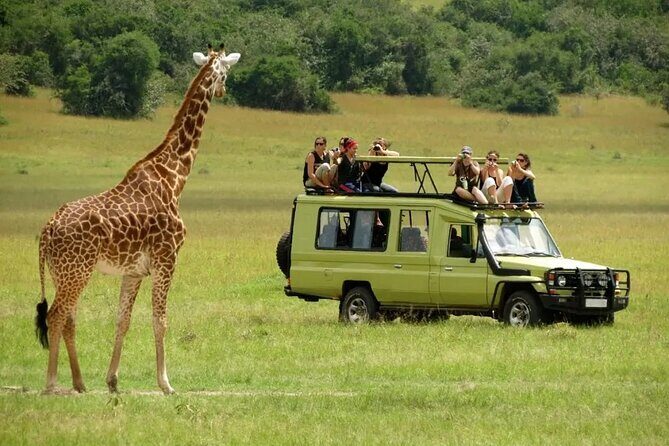
This safari is set up as a camping expedition, with the itinerary stating you spend the night in the park. In the feedback, a basic camping option is referenced as a budget-friendly route where people slept in tents for both nights.
Why that matters for you:
- Camping-style safaris often feel more “in the system” because you’re closer to the real schedule of the parks.
- You’re not bouncing between lodges every day, which helps keep the trip focused.
The tradeoff is simple: comfort level. The setup is meant to be practical, not a hotel break. Still, the feedback you provided includes repeated praise for food and adequate accommodation comfort, so it’s not a “roughing it at all costs” style.
Group size is max 6 travelers, which is unusually helpful on safari. Fewer people typically means less waiting, a smoother flow of instructions, and a better chance your guide can actually read the group’s attention and adjust the day.
Price and value: where the $810 goes
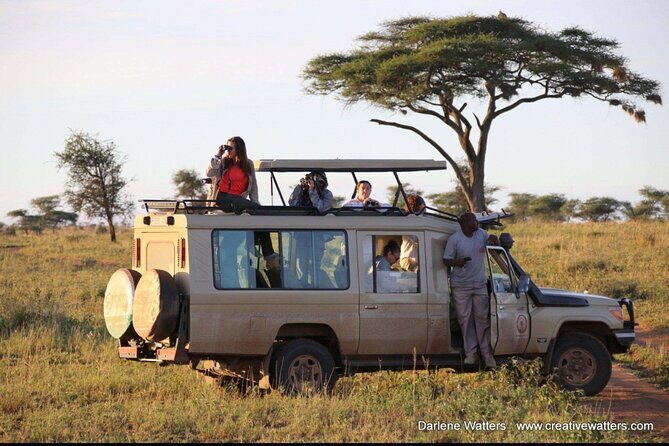
At $810 per person for a 3-day route, the value question is really about what’s included and how much wildlife time you’re buying.
Here’s what you’re getting from the provided details:
- Two Serengeti days worth of driving time and game drive focus, plus a hippo habitat visit
- One Ngorongoro crater day, including the crater’s wildlife and Big Five odds
- Meals included: breakfast (2), lunch (3), dinner (2)
- Park entry is listed as Admission Ticket Free in the itinerary day blocks
- Pickup offered, plus a mobile ticket is mentioned
- A small group limit (max 6)
So you’re paying for transport and access, not just “a seat on a bus.” For many first-time safari planners, the most expensive part is the distance and the logistics across protected areas. In that sense, $810 starts to look more reasonable because you’re stacking major sites in only three days.
One consideration: tips for the driver/guide and safari cook are not included. That’s not a deal-breaker, but you should budget for it. Also, visas are not included, so don’t plan on that being covered.
A few more Arusha tours and experiences worth a look

The guides and organization: what you can look for
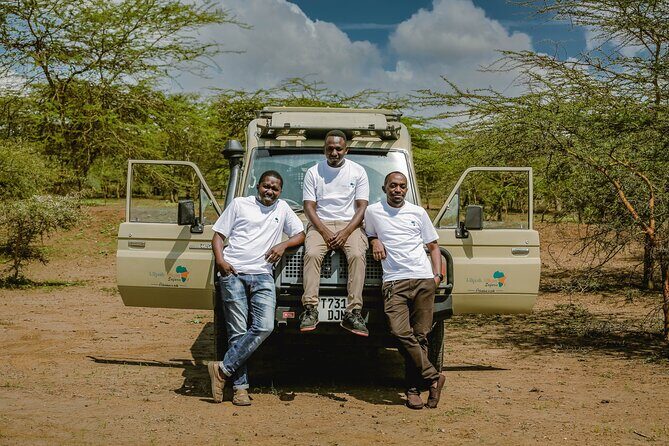
One of the strongest patterns in the feedback is how much guests liked the human side of the operation—fast answers, calm reliability, and guides who could put observations into context.
Names that came up include:
- Felix (frequently praised as a great guide/driver, and also tied to airport pickup support)
- Heavenlight and Lucky (noted as reliable contacts for planning and coordination)
- Christian (praised for making the experience feel easy for a first Tanzania trip)
- Simon (praised for friendly, very informed wildlife and park guidance)
- Bulldozer (praised for knowing exactly what he was doing)
If you’re booking, you can use that as a checklist for what to prioritize when you communicate with the operator:
- Ask for your exact pickup time and who will be your driver/guide.
- Confirm the schedule rhythm for the crater day (it’s a major time block).
- Plan to message early if you need updates—feedback strongly suggests WhatsApp/email responsiveness is part of the service.
Who this safari is best for (and who should choose something else)
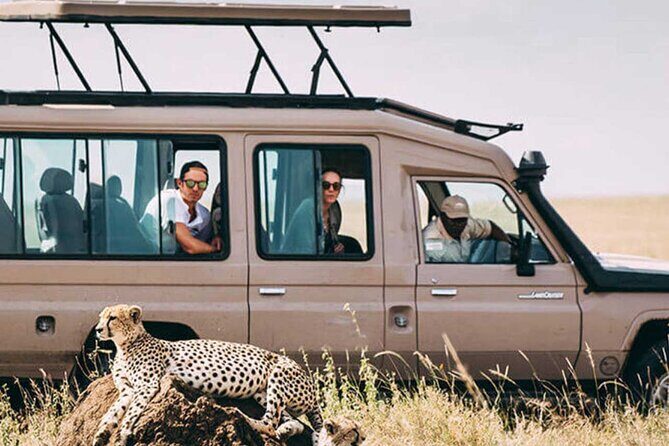
This 3-day Serengeti + Ngorongoro package is ideal if:
- You want the two most famous ecosystems in northern Tanzania in one tight plan
- You’re okay with lots of time spent in the vehicle to maximize sightings
- You like the idea of camping-style nights in the park rather than lodge-only comfort
- You want small-group pacing (max 6)
It may be less ideal if:
- You hate early starts and back-to-back driving days
- You want a slower vacation with more free time to lounge
- You’re only interested in one specific animal (because both Serengeti and Ngorongoro make it clear that sightings vary)
Should you book this 3-day safari?
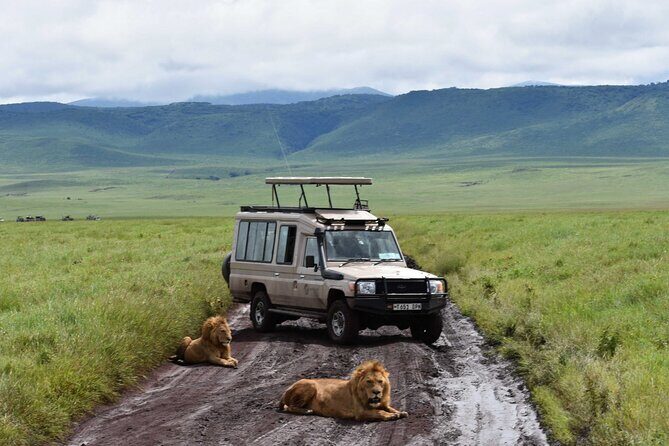
If your goal is maximum wildlife impact in a short window, I’d say this is a strong booking. The route hits Serengeti + hippo habitat + Ngorongoro crater + Big Five odds, and the small-group setup helps keep the experience from feeling chaotic. The inclusion of breakfasts/lunches/dinners also makes budgeting simpler.
My advice: book it if you’re flexible and excited to trade “perfect viewing conditions” for “high chance of major moments.” Consider choosing a different option (or extending your days) if you want a lighter pace or if you’re ultra-focused on a rare-or-unlisted species for the crater.
FAQ
How long is this 3-day safari?
It’s listed as approximately 3 days, covering Serengeti National Park and the Ngorongoro Conservation Area with a return to Arusha.
Where does the tour start?
The experience is based in Arusha, Tanzania, and pickup is offered. The meeting start time is listed as 3:00 pm.
Which parks are included?
You’ll spend time in Serengeti National Park and the Ngorongoro Conservation Area.
Is pickup included?
Yes. Pickup is offered, and you’ll be picked up from your accommodation.
What meals are included?
Meals included are breakfast (2), lunch (3), and dinner (2).
How big is the group?
This activity has a maximum of 6 travelers.
What’s not included, and what about refunds?
Tips for the driver/guide and safari cook are not included, and visas are not included. You can cancel for a full refund if you cancel at least 24 hours in advance of the experience start time.