REVIEW · ZANZIBAR
Stone Town Tour
Book on Viator →Operated by Nouman Tour Guide · Bookable on Viator
Stone Town makes sense with a guide. This private half-day tour strings together the key landmarks of Zanzibar’s old city—so you’re not just looking, you’re understanding. You’ll follow your accredited guide through tight streets, stopping at the places that shaped everyday life, trade, and power in Stone Town.
I love two parts the most: the built-in access to Ngome Kongwe (Old Fort) and the chance to visit the Anglican Cathedral / Old Slave Market area with context. Those admissions matter, and the guide’s explanations make the stops feel connected instead of random.
The only real consideration is the heat and walking. Even though it’s only 2 to 3 hours, it can feel long in strong sun, and some streets can be confusing if you’re not used to crowds and alleys.
In This Review
- Key highlights you’ll care about
- Stone Town at walking speed: why this half-day works
- Price and logistics: what $25 buys you (and what doesn’t)
- Stop 1: Ngome Kongwe (Old Fort) and that “eye-view” moment
- Stop 2: Anglican Cathedral and the Old Slave Market site
- Stop 3: Freddie Mercury Museum—short visit, extra ticket
- Stop 4: Darajani Bazaar and the old market feel
- Stop 5: House of Wonders (Beit-el-Ajaib) and the name
- Stop 6: Forodhani Garden, Zanzibar doors, and the Stone Town panorama
- Why the guide (Nouman) changes the whole experience
- What to watch for: heat, entry timing, and pacing
- Who this Stone Town tour is best for
- Should you book this Stone Town Tour?
- FAQ
- What’s the duration of the Stone Town Tour?
- How much does the Stone Town Tour cost?
- Is this a private tour?
- Where does the tour start and end?
- Is hotel pickup and drop-off included?
- Is there a mobile ticket?
- What entrance fees are included?
- Is the Freddie Mercury Museum included in the price?
- Is the tour okay for solo travelers?
- What should I do if the weather is poor?
- What if the tour doesn’t meet its minimum number of travelers?
Key highlights you’ll care about

- Private guide all to your group: you set the pace, ask questions, and take photos without rushing
- Old Fort viewpoint with included admission: Ngome Kongwe isn’t just a building stop
- Anglican Cathedral + the slave-trade site: emotional but important context in one concentrated stop
- Markets as a real-time sensory lesson: you’ll pass through Darajani Bazaar and the fish market area atmosphere
- House of Wonders (Beit-el-Ajaib): a standout architectural and political story in one stop
- Finish with Stone Town panorama + Zanzibar doors: you get classic “postcard” views without wasting time
Stone Town at walking speed: why this half-day works

Stone Town can feel like a maze the first time you see it. The streets curve, signage is limited, and many buildings look similar until a guide points out what to watch for. That’s where this tour earns its keep: you get a clear route through the old quarter without having to play guess-the-alley.
This is also a smart length for Zanzibar. A half day gives you the anchor sites—Old Fort, Anglican Cathedral area, major markets, and key architecture—while leaving you energy for your next plan. If you’re trying to fit Stone Town between beach time, tours, or dinner reservations, 2 to 3 hours is a very workable window.
One more subtle win: it’s private. Even in a small group, you spend less time waiting around and more time moving at human pace.
You can also read our reviews of more tours and experiences in Zanzibar.



Price and logistics: what $25 buys you (and what doesn’t)

The price is $25.00 per person, typically booked about 12 days in advance. For that, you’re paying for three things that add up quickly in Stone Town: guided navigation, included entry where listed, and a route that actually covers the highlights in a short time.
Your tour includes bottled water, and you’ll receive a mobile ticket. It also notes hotel pickup and drop-off as part of the experience, which is huge if you’re not staying right in the old city lanes. Still, double-check your exact pickup arrangement when you confirm.
What you should expect to pay separately: Freddie Mercury Museum admission is specifically marked as not included. The tour includes admission for the Old Fort and the slave-market/Anglican stop, and the itinerary lists admission for additional sights along the route—so you’re mostly covered, but the Freddie Mercury museum is the clear extra cost to plan for.
Stop 1: Ngome Kongwe (Old Fort) and that “eye-view” moment
The tour begins at the Old Fort (Ngome Kongwe). You’ll get around 20 minutes here, with an included admission ticket. The description emphasizes a strong “eye view” experience—this is the kind of stop where the building gives you context, but the surrounding view helps you place Stone Town in real space.
Why it matters: Stone Town’s power story is written into fortifications, ports, and who controlled movement. Old Fort is the early “big picture” stop, and it works well before you start walking the markets and backstreets. You’ll likely notice details you’d miss on your own: the purpose of the structure and how it tied to the city’s history.
Practical tip for this part: bring a hat and be ready for sun while you’re orienting yourself. This stop sets your bearings fast, so don’t rush through the explanation.
Stop 2: Anglican Cathedral and the Old Slave Market site
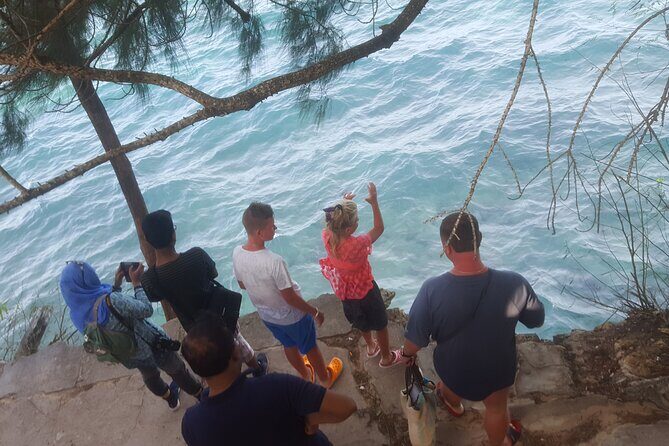
Next comes the Old Slave Market / Anglican Cathedral area, with about 30 minutes on the ground and admission included. This is one of the most serious stops on the route.
The tour frames it directly: the guide takes you to the oldest Anglican church building tied to the time period when slave trading was taking place. Expect a mix of architecture and heavy context. It’s not a “fun photo” stop. It’s a site where you’ll want to slow down, listen, and let the story land.
This is also where the guide style really matters. People describe the experience as overwhelmingly sad in a good, respectful way—sad because it’s honest, not because it’s sensationalized. If you’re visiting Stone Town for cultural understanding, this stop is one of the reasons to book a guide at all.
If you tend to get overwhelmed by emotional sites, plan what you’ll do right after. A short reset at the next market stop can help you keep moving without feeling crushed.
Stop 3: Freddie Mercury Museum—short visit, extra ticket
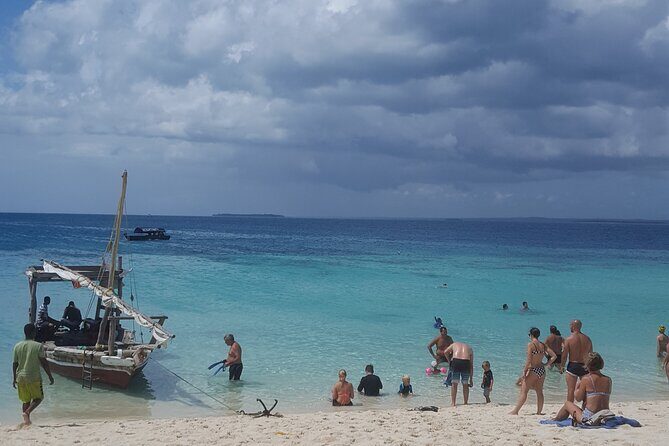
You’ll then head to the Freddie Mercury Museum area, with about 15 minutes on this stop. Admission for this one is not included, so you’ll need to budget separately if you want to go inside.
This is a compact stop by design. It’s enough time to orient yourself—where the singer was born and what the museum focuses on—without turning the half day into a long pop-culture detour. If you’re a fan, you’ll appreciate the quick connection between celebrity and place. If you’re not, you still get a clear “Stone Town meets modern fame” slice of the story.
Practical note: because it’s short, you’ll want to be decisive. If you want more time inside the museum, this might not be your best fit unless your guide can adjust the schedule.



Stop 4: Darajani Bazaar and the old market feel

Darajani Bazaar is next, about 20 minutes, and the tour includes an admission ticket at this stop. Even if you don’t shop, markets in Stone Town are where the city breathes.
Here’s what you can expect from this stop: the guide brings you through the older market area where people sell everyday items—spice, fish, fruit, and meat. The history element is part of the walk too, with the market described as operating since centuries ago. That’s the point: it’s not just a place to buy souvenirs; it’s a working marketplace with deep roots.
Why it’s valuable: markets teach you how people live now, not just how elites lived in the past. The contrast between Old Fort and Darajani Bazaar is part of the payoff. You see how trade and goods stayed central to Stone Town even as governments changed.
Quick watch-out: wear breathable shoes. You’ll be walking in crowded spaces, and it can get hot between shaded patches.
Stop 5: House of Wonders (Beit-el-Ajaib) and the name

The tour then moves to the House of Wonders (Beit-el-Ajaib). This stop is about 20 minutes, and the itinerary marks admission as included.
The “House of Wonders” label isn’t random. Your guide explains the building’s role as a Sultan’s house in the 19th century and why it earned the name. Expect architecture and political context, not a lecture-only approach. This stop bridges the earlier history (fort, trade) and the deeper story of rulers, prestige, and influence in Stone Town.
This is also a nice pivot from the markets. You’ll go from sensory street life into something more structured and interpretive. If you like architecture, you’ll probably linger on details once your guide points them out.
Stop 6: Forodhani Garden, Zanzibar doors, and the Stone Town panorama
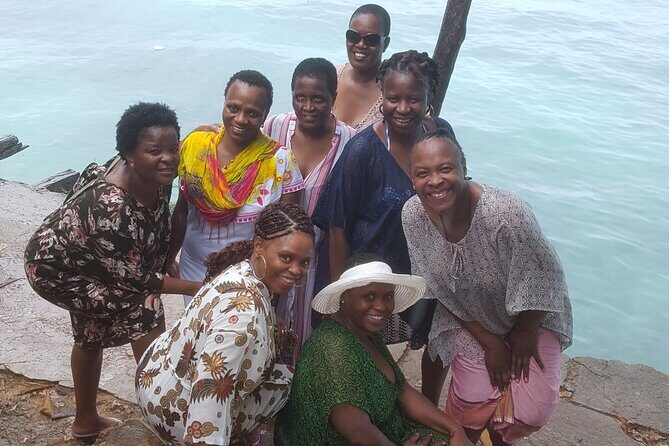
You finish with Stone Town itself—starting around the Forodhani Garden area. The itinerary mentions that the night market is normally here, and this stop is about 20 minutes total including Zanzibar doors, the center of old town, and a Stone Town panorama.
Even during the day, this is a strong closer. Forodhani Garden gives you the waterfront vibe that helps everything you saw earlier click into place. Then you get the famous “Zanzibar doors,” the carved, decorative doorways that make Stone Town visually unique. Finally, the panorama view is your reward: you see the shape of the city, and you understand why people keep describing this place as a labyrinth with stories behind every corner.
If you’re chasing photos, this is your best moment. Take your time here, because it’s the portion of the tour most visitors remember visually.
Why the guide (Nouman) changes the whole experience
This tour lives or dies by the guide. Here, you’re working with the tour provider’s guide team (Nouman Tour Guide is named), and the route is designed for navigating the old town’s complexity.
From the practical feedback, here’s what consistently comes through:
- Safe feeling for solo travelers: people specifically mention feeling comfortable walking around with the guide.
- Friendly and informative, with a calm pace: not a sprint through landmarks.
- Patient for questions and photos: your time doesn’t disappear the second you stop moving.
- Flexibility beyond the tour: some people mention the guide helped with arrangements like airport pickup or transfers during the rest of their Zanzibar stay.
That last point matters more than it sounds. If your day changes—your energy drops from heat, or you want a different plan—the ability to adjust without chaos is a real kind of value.
For your own planning: if you’re the type who likes to ask why things are the way they are (instead of only what they’re called), you’ll likely get a lot out of this tour.
What to watch for: heat, entry timing, and pacing
Stone Town is a walking city. Even for a half day, the heat can feel intense, and one piece of feedback points out that on a very hot day the guide wasn’t as engaging or enthusiastic as expected. That doesn’t mean the tour is bad—it’s a reminder to plan for weather realities.
Here’s how I’d handle that as a traveler:
- Start the day early if possible, so you’re not burning energy at noon.
- Bring sun protection and plan to drink the included bottled water.
- Treat the itinerary durations as “time on the site,” not “time to roam.” The best experience comes when you listen, then explore a bit inside the time window.
Also, pay attention to the Freddie Mercury Museum. Since admission is not included, you should know whether you want to spend that extra money for the museum entry. The stop is short, so it’s not a “come back later” situation during this tour.
Who this Stone Town tour is best for
I’d say this tour fits best if you want:
- a guided Stone Town introduction without overbooking your day
- the anchor sites in a logical order (fort → cathedral/slave-trade site → markets → landmarks → doors + views)
- the comfort of having someone help you navigate confusing streets
You’ll also enjoy it if you’re traveling solo or as a couple and want that extra layer of safety and context while walking in tight areas.
If you’re the kind of traveler who hates any structure at all and wants to wander freely for hours, this may feel a bit “planned.” But for most visitors, especially first-timers, the structure is exactly what makes Stone Town click.
Should you book this Stone Town Tour?
If you want Stone Town to feel understandable—not just photogenic—book it. The $25 price is strong for what you get: a private guide, included water, and key admissions that cover the Old Fort and the Anglican Cathedral / slave-trade site area.
I’d be extra confident booking if any of these are true for you:
- you’re visiting Stone Town for the first time
- you want a safe, guided walk through busy streets
- you care about context at serious historical sites
- you like markets and architecture, not only museums
Just plan for the main consideration: heat and walking. Go prepared, keep a flexible attitude, and let your guide steer you through the maze. You’ll come away with a route in your head—and that’s what makes Stone Town last after you leave.
FAQ
What’s the duration of the Stone Town Tour?
The tour runs about 2 to 3 hours total.
How much does the Stone Town Tour cost?
It costs $25.00 per person.
Is this a private tour?
Yes. It’s a private tour, meaning only your group participates.
Where does the tour start and end?
It starts at the Cape Town Fish Market Zanzibar, near Forodhani, and ends back at the same meeting point.
Is hotel pickup and drop-off included?
The tour is described as including hotel pickup and drop-off, making it easier to get to the old town area.
Is there a mobile ticket?
Yes. The tour uses a mobile ticket.
What entrance fees are included?
Entrance fees are included for the Old Fort and the slave market/Anglican Cathedral area. The itinerary also lists admission tickets for other highlighted stops along the route.
Is the Freddie Mercury Museum included in the price?
Admission to the Freddie Mercury Museum is not included.
Is the tour okay for solo travelers?
The tour is described as safe for a solo traveller in the provided feedback, with the guide walking with participants.
What should I do if the weather is poor?
The experience requires good weather. If it’s canceled due to poor weather, you’ll be offered a different date or a full refund.
What if the tour doesn’t meet its minimum number of travelers?
If there isn’t a minimum number of travelers, it may be canceled, and you’ll be offered a different date/experience or a full refund.