REVIEW · ZANZIBAR CITY
Stone Town Tour, Prison Island and Spice Tour with Lunch
Book on GetYourGuide →Operated by Island Adventure Tours and Safaris · Bookable on GetYourGuide
Stone Town, spice smells, and giant tortoises in one day. This full-day tour strings together UNESCO-listed Stone Town streets, an organic spice farm with tastings, and a boat trip to Prison Island (Changuu Island) where the famous Aldabra tortoises live.
I love how the day mixes big-picture history with hands-on senses. You get real time walking Stone Town’s landmarks (including the former slave market area) and then you’ll smell, touch, and taste spices straight from a plantation stop.
One consideration: Stone Town is a walking tour with focused highlights, not a slow, do-it-at-your-own-pace wander. If you were hoping for lots of free time for shopping or repeat loops, plan for a schedule that stays tight.
In This Review
- Key highlights worth your attention
- The Best Way to See Zanzibar in One Long, Thoughtful Day
- Walking Stone Town: Narrow Streets, Old Doors, and Real Landmarks
- The emotional part: the former slave market stop
- Spice Farm Time: Why Zanzibar Really Earns the Spice Island Name
- What you should bring for the farm walk
- Swahili Lunch on the Plantation: What It Tastes Like When Spices Are the Point
- Prison Island (Changuu Island): Aldabra Giant Tortoises and the 1860s Story
- The historical context: prison for rebellious slaves in the 1860s
- Timing, Pickup, and Shared Tour Reality in Zanzibar
- Boat comfort and what to do if you feel uneasy
- Price and Value: Does $125 Make Sense for This Mix?
- Who This Tour Suits Best (and Who Might Want a Different Plan)
- If you like shopping a lot
- Should You Book This Stone Town, Prison Island, and Spice Tour?
- FAQ
- How long is the Stone Town, Spice Farm, and Prison Island tour?
- What’s included in the price?
- Is lunch provided?
- What do you do at the spice farm?
- Where is Prison Island, and what’s the main animal you see there?
- Is there a boat ride on the tour?
- What historical sites are visited in Stone Town?
- What languages are the guides available in?
- Is this tour private or shared?
- What should I bring for this day trip?
Key highlights worth your attention
- Stone Town UNESCO lanes and landmarks with stops tied to the city’s trading past, including the former slave market area
- Crafted Zanzibari hardwood doors and colonial details that you’ll only notice if you slow down and look
- Organic spice farm walk where you can identify spices by smell and use, from clove to cardamom
- Swahili lunch on the farm built around spice-infused flavors
- Prison Island Changuu boat ride plus Aldabra giant tortoises, some over 100 years old
- A 19th-century prison story explained on-site, not left as a vague rumor
The Best Way to See Zanzibar in One Long, Thoughtful Day
If you have limited time on Zanzibar, this is a smart combo tour. You’ll cover Stone Town, a plantation spice experience, and Prison Island all in about nine hours.
What makes it work is pacing. You start on foot in the city, switch to open-air senses at the spice farm, then finish with a calm boat-and-island visit. It’s a good shape for a first trip, especially if you want history plus nature without adding extra day trips.
Also, the tour is built around practical comfort. Hotel pickup and drop-off means you’re not wrestling with transport while you’re trying to learn your way around.
A few more Zanzibar City tours and experiences worth a look

Walking Stone Town: Narrow Streets, Old Doors, and Real Landmarks
Stone Town is the part of Zanzibar that rewards attention. On this tour, your guide takes you through the historic heart of Zanzibar City with time to actually look at what’s in front of you.
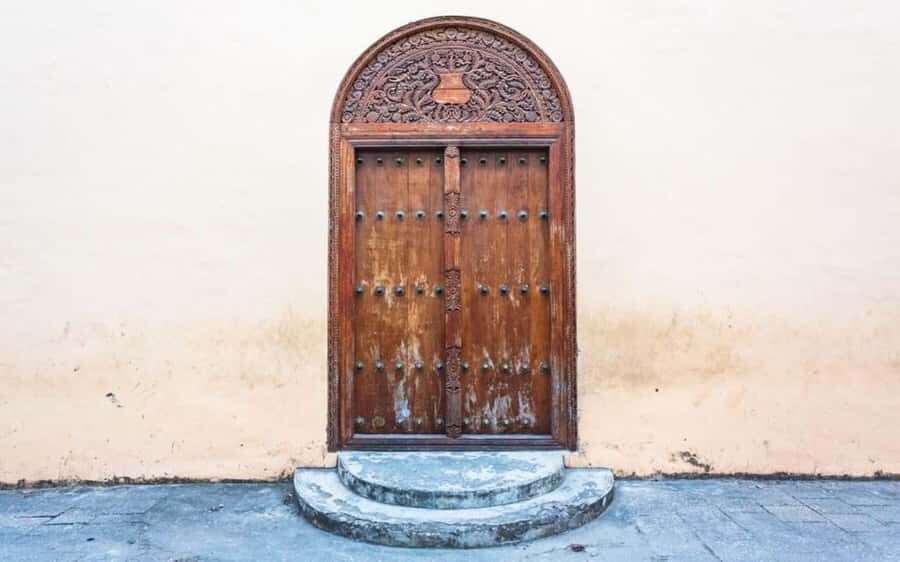
You’ll move along narrow, busy-feeling streets lined with limestone buildings and older architecture. One of the best surprises here is the attention to intricately carved Zanzibari hardwood doors—those wooden doorways you’d probably rush past on your own.
Your guide also steers you toward key sites that help connect the city to the wider Swahili Coast world. Expect stops that include the Sultan’s Palace area and old Arab mansions, plus a tour focus on trading-era Zanzibar.
The emotional part: the former slave market stop
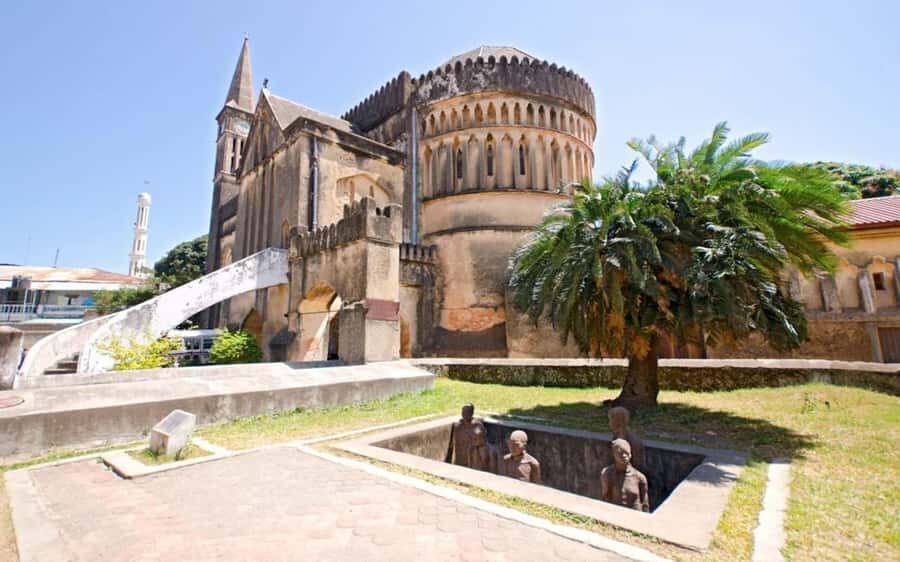
Stone Town’s past includes pain, and the tour doesn’t skip it. You’ll visit areas connected to the former slave market, then connect that to the larger 19th-century story of the port city.
That matters because Stone Town isn’t just pretty buildings. It’s a place where architecture, trade, and forced human movement all overlap. If you prefer light, non-stop sightseeing only, you might find this section heavy. If you want context, it’s handled as part of the walk.
A practical tip: give yourself a minute after that stop. Let it land before you jump into the next street corner and the next storefront.
Spice Farm Time: Why Zanzibar Really Earns the Spice Island Name
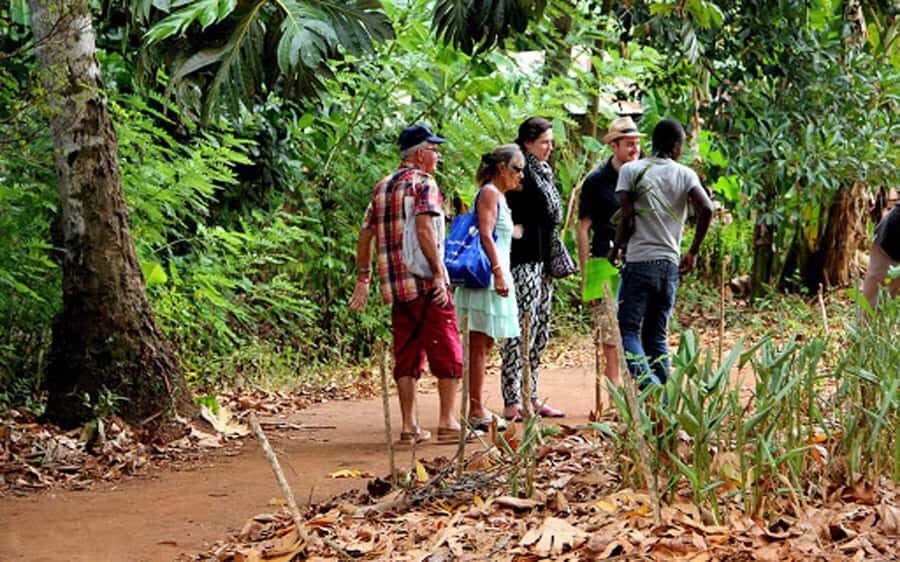
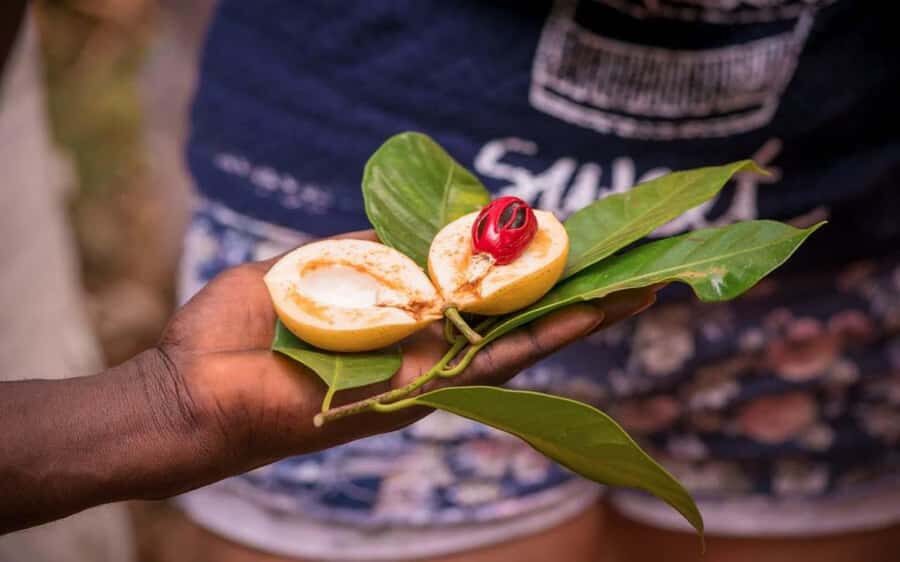
After Stone Town, you’ll head to an organic spice plantation for the sensory highlight of the day. This is where the tour shifts from city streets to smell-and-touch learning.
On the farm walk, you’re guided through how spices and tropical crops are grown and used. You’ll also hear the story of how Portuguese traders helped introduce many spices to Zanzibar in the 16th century, which is one reason the island became so famous for spice cultivation.
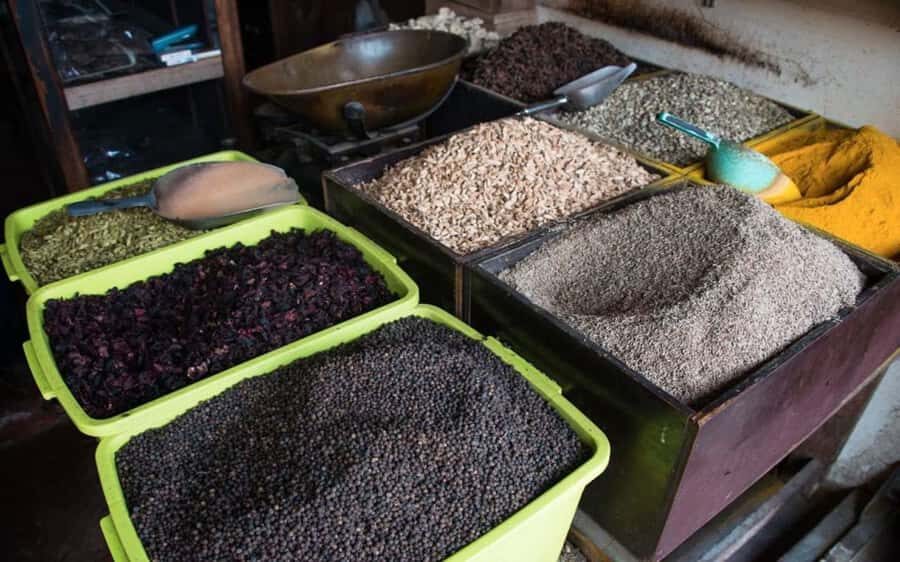
This part is designed to keep you engaged. Instead of only listening, you’ll identify herbs and spices with your own senses. You’ll encounter common Zanzibar staples like cloves, nutmeg, cinnamon, vanilla, cardamom, turmeric, and black pepper.
You can also expect more than just spices. The tour mentions crops and fruits such as chili, lemongrass, coconuts, papaya, and cassava. Even if you’ve tried a spice before, you’ll likely learn what it looks like before it becomes flavor.
What you should bring for the farm walk
Sun and heat matter here. Bring a hat and sunscreen, and wear footwear you feel confident stepping in. The tour recommends water shoes or sturdy, non-slip footwear for safer boat boarding and disembarking later, but it’s also helpful if the farm paths are uneven.
And don’t underestimate how strong spice aromas can be. If you’re sensitive to smells, you may still enjoy it, but go a little slower when you’re close to grinding or crushing.



Swahili Lunch on the Plantation: What It Tastes Like When Spices Are the Point
Lunch happens at the end of the spice farm experience, and it’s not an afterthought. It’s described as a delicious Swahili lunch with flavors tied to the spice-infused cooking style of Zanzibar.
What I like about this setup is simple: you eat what you just learned about. Instead of treating spices as museum objects, you connect them to real flavor you’ll taste in your own mouth.
Expect lunch to match the day’s theme. If you enjoy food tourism—learning how something is grown and then how it becomes a meal—you’ll leave satisfied.
Prison Island (Changuu Island): Aldabra Giant Tortoises and the 1860s Story
In the afternoon, you’ll take a scenic boat trip to Prison Island, also known as Changuu Island. Even if you’ve seen tortoise photos before, being there is different. You can see scale, movement, and the calm pace of these animals.
The main reason people come is the Aldabra giant tortoise population. The tour explains that these tortoises were originally brought from the Seychelles, and that many are long-lived—over 100 years old is specifically mentioned.
You’ll also hear the numbers that help you picture size. Some tortoises can weigh up to around 200 kg, so they’re not just big, they’re massive. That changes your sense of the island immediately.
The historical context: prison for rebellious slaves in the 1860s
The stop isn’t only animals. The tour adds context about the island’s former role as a prison for rebellious slaves in the 1860s.
I appreciate this because it keeps the visit from feeling like a pure postcard. You understand why the island looks the way it does and how humans used this place before it became known for tortoises.
If you’re traveling with kids, the tortoises are the hook. The history gives adults something to reflect on, too.
Timing, Pickup, and Shared Tour Reality in Zanzibar
This is a full-day schedule, so logistics matter. You’ll be picked up from your hotel reception, and you should be ready in the lobby about five minutes early.
One common shared-tour factor: the tour notes that you can wait during hotel pickups because the driver collects guests from different hotels. That doesn’t mean anything has gone wrong. It just means you should treat time as flexible.
If you’re the type who hates uncertainty, this matters. Bring a little patience, and you’ll feel better when the timeline stretches.
Boat comfort and what to do if you feel uneasy
For the boat ride and the return, the tour recommends water shoes or sturdy non-slip footwear. That’s a good call for practical safety and comfort.
One more honest travel note: when you’re in Zanzibar traffic, driving styles can vary. If the driving feels uncomfortable, say something right away. A calm request for smoother driving can help a lot during long transfers.
Price and Value: Does $125 Make Sense for This Mix?
At $125 per person for a 9-hour tour, you’re paying for more than a driver and a walking route. You’re getting a guided Stone Town experience, a spice farm visit with a guided walk and tastings, lunch, plus the Prison Island boat trip and entry-related costs.
The tour includes hotel pickup and drop-off, guide fees, soft drinks (water), entry fees and all tax, and Swahili lunch. Those inclusions reduce the annoying add-ons that often show up later on the island.
For value, you’re basically buying three experiences that are hard to chain smoothly on your own if you don’t know the route. If you like guided context and you want one day to cover multiple Zanzibar “musts,” the price feels fair.
If you already plan to spend time on your own in Stone Town and you mostly want tortoises, you might question the farm portion. But if you want the whole Zanzibar storyline—port city to spices to prison island—this is a strong fit.
Who This Tour Suits Best (and Who Might Want a Different Plan)
This experience is best for first-timers who want a guided overview without planning every leg. It’s also a good match if you enjoy food and learning through senses—spice identification, farm explanations, and then lunch that puts it into practice.
You should think carefully about age and walking stamina. The tour notes it’s not suitable for babies under 1 year, people over 95, and people over 70. That’s mostly about the pace and the day being full-length.
If you like shopping a lot
Stone Town includes shopping time, but it’s not a shopping-only day. If you love browsing, work with your guide’s pace. You may get chances to look at shops, but the route still prioritizes the main landmarks and explanations.
A good strategy: decide before you go what you want (spice items, carved door-style souvenirs, postcards), then keep your browsing focused.
Should You Book This Stone Town, Prison Island, and Spice Tour?
Book it if you want one day that covers the headline Zanzibar experiences: Stone Town’s landmarks, an organic spice farm with tasting and a real Swahili lunch, and Prison Island with Aldabra giant tortoises.
Skip or swap it if you’re hoping for hours of free time in Stone Town with no history stops, or if you don’t want the tour to include the emotional material tied to the former slave market area. The day is structured, and the context is part of the package.
One last reason I’d recommend it: this tour gives you multiple ways to understand Zanzibar—by walking, by smelling and tasting, and by seeing animals in a place with a human past. That mix is the point.
FAQ
How long is the Stone Town, Spice Farm, and Prison Island tour?
The tour duration is 9 hours.
What’s included in the price?
Hotel pickup and drop-off, guide fee, water (soft drinks), entry fees and all tax, and Swahili lunch are included.
Is lunch provided?
Yes. Lunch is a Swahili meal served during the spice farm part of the tour.
What do you do at the spice farm?
You take a guided walk through the organic spice plantation, where you learn about cultivation and uses of spices and tropical crops. You also smell, touch, and taste a range of spices and fruits.
Where is Prison Island, and what’s the main animal you see there?
Prison Island is also known as Changuu Island. The island is known for Aldabra giant tortoises, originally brought from the Seychelles.
Is there a boat ride on the tour?
Yes. The tour includes a scenic boat ride to Prison Island and then the boat ride back to Stone Town.
What historical sites are visited in Stone Town?
The tour includes visits related to the former slave market area, Sultan’s Palace, old Arab mansions, and also includes a focus on Stone Town’s narrow streets.
What languages are the guides available in?
The live tour guide is available in English, French, Italian, and German.
Is this tour private or shared?
Shared group tours are available and private group tours are also available.
What should I bring for this day trip?
Bring a hat and sunglasses, sunscreen, and consider water shoes or sturdy non-slip footwear for safe boarding and disembarking from the boat. Lunch and water are provided, but you can also bring extra water if you want.