REVIEW · ARUSHA
Ngorongoro Crater Day Trip
Book on Viator →Operated by MORAKA AFRICA SAFARIS · Bookable on Viator
A 5 a.m. start sets the tone. This Ngorongoro Crater day trip turns a long drive into a morning of wildlife and dramatic views. You descend about 2,000 feet into the crater, then spend the day watching lions, hippos, flamingos, and more in different habitats packed into one “wow” bowl of land.
What I like most is the way the route gives you variety in just a few hours. You’re not only staring at one scene—you move from forest to open savannah to the lake area. And I also love the simple practicality: breakfast, a lunch plan, drinking water, and soft drinks keep the day moving without constant stops.
One thing to keep in mind: if you end up with a vehicle problem, your day can get stretched out fast. I saw a case where a safari jeep broke down right as it entered the crater, and it took hours to get help.
In This Review
- Key things to know before you go
- Ngorongoro Crater from Arusha: why this day trip is a big deal
- The morning plan: pickup, descent, and first wildlife chances
- A quick reality check on animals
- Inside the crater: forest, elephants, lake flamingos, and open savannah
- The 1:00 p.m. picnic lunch: eating with hippos in view
- Timing and duration: how to think about the 6 hours 30 minutes
- What you’re really paying for: value in the included items
- Group size and how that affects your day
- Practical notes that can make or break your experience
- Should you book the Ngorongoro Crater day trip?
- FAQ
- What time does the Ngorongoro Crater day trip start?
- How long is the Ngorongoro Crater day trip?
- Where does the tour start and end?
- Is pickup offered?
- How many people are in the group?
- What is included in the price?
- What languages does the driver/guide speak?
- Is the admission ticket included?
- What is not included?
- What is the cancellation policy?
Key things to know before you go
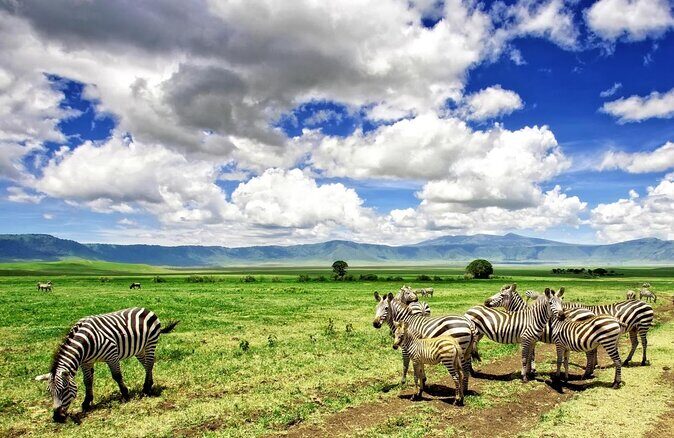
- 2,000-foot descent: You drop from the Ngorongoro Conservation Area down into the crater floor for prime viewing time.
- Multiple habitat zones: Forest, open savannah, and the lake/swamp areas are all part of the plan.
- Real animal odds: Lions on the open grassland, hippos near swamps, and flamingos by the lake area are on the route.
- Picnic lunch with crater views: You eat at a crater picnic site with sights over swamps and birds.
- Small group size: Maximum of 6 travelers keeps it easier to move and hear your driver/guide.
- Languages on hand: The professional driver/guide is listed as speaking English, Spain (Spanish), and French.
Ngorongoro Crater from Arusha: why this day trip is a big deal
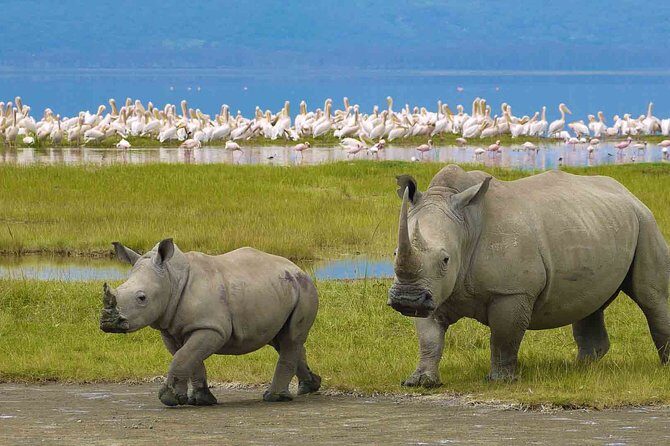
Ngorongoro is the kind of place that makes you understand why people plan their whole Tanzania trip around “one day” somewhere specific. The crater is a collapsed volcano covering a big area—about 102 miles—and it funnels a lot of animals into a limited space. That means you’re not waiting all day for one highlight. You’re stacking sightings in a few hours.
I also like that this is a day trip from Arusha, not a multi-day safari gamble. You start very early (meeting starts at 5:00 am), then you get dropped into the crater for a half-day crater tour, plus a picnic lunch inside the crater area. You’ll be back in the Arusha area by evening.
The value piece is pretty clear when you look at what’s included: breakfast, lunch, drinking water and soft drinks, and all fees and taxes are covered. So you’re mainly paying for transport, the guide’s time, and the experience of getting inside the crater. At $270 per person, it’s not cheap, but the day is structured so you’re not spending the hours “trying to figure it out.”
A few more Arusha tours and experiences worth a look

The morning plan: pickup, descent, and first wildlife chances
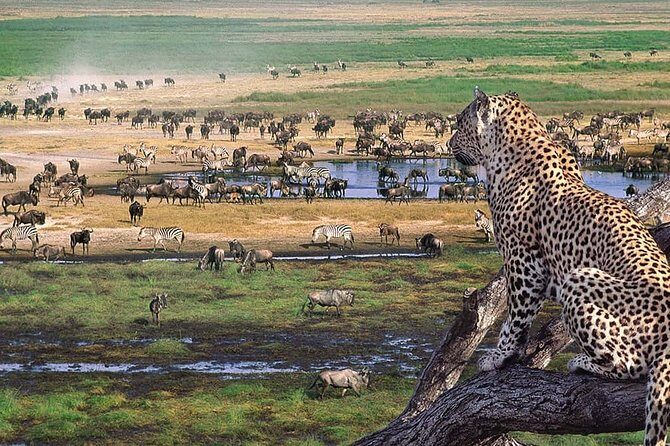
Your day starts with an early push out of Arusha. The tour info lists a 5:00 am start time, and the crater portion begins at 0600 hours. Practically, that early start matters because you want daylight for animal activity and solid visibility when you start scanning for big cats.
You’ll ride into the Ngorongoro Conservation Area, then go down roughly 2,000 feet to the crater floor for the half-day crater tour. That descent is part of what makes this different from a simple “drive around and hope.” Going down changes the air, the terrain, and the animal behavior you’re likely to see.
On the crater floor, the plan calls out a forest habitat area where you can spot monkeys and elephants. Then you shift toward open savannah areas where predators are more likely to be visible from the vehicle. Lions are specifically mentioned in the route as a possible sighting, including lions hunting in the open savannah. Even when you don’t get a dramatic hunting moment, seeing predators in the open is often the thing that turns a good safari day into a memorable one.
A quick reality check on animals
Ngorongoro is famous, but wildlife isn’t a vending machine. You’re going to improve your odds by being on the ground early and staying focused as the route changes habitat. This trip is built to do that: it doesn’t stay locked to one viewing spot for the whole morning.
Inside the crater: forest, elephants, lake flamingos, and open savannah
This is the heart of the day trip. The itinerary is structured around the fact that the crater is not one single “type” of scenery—it’s multiple micro-environments packed together.
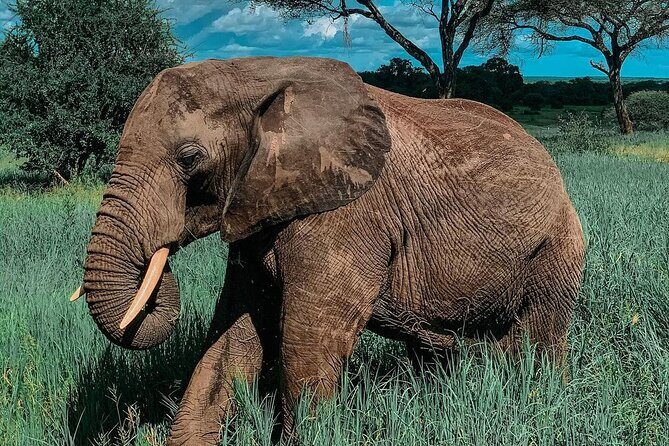
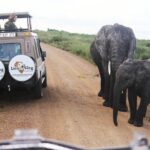
Forest and elephants (morning): The plan mentions a forest habitat full of monkeys and elephants. If you’ve only seen animals in open grassland, this forest zone can feel like a bonus. It’s also a reminder that the crater isn’t only about big cats. You’ll likely spend time looking for movement in the trees and along the edges.
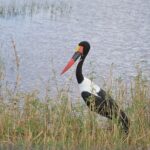
Lake area and flamingos: The info specifically calls out flamingos near the lake area. That’s a great detail because it gives you a non-predator highlight to watch for too. Flamingos are a “slow and steady” kind of sighting: you scan, you notice feeding behavior, and you watch the lake area change as birds shift.
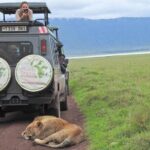
Open savannah and lions: The route includes a sighting possibility for lions on the open savannah, described as hunting in the open. This is where your drive/guide’s spotting skills really matter. Even if lions are just resting or moving slowly, open areas make it easier to see them from a vehicle without losing them to thick undergrowth.
The 1:00 p.m. picnic lunch: eating with hippos in view
At around 1300 hours, you’ll have a picnic lunch in the crater at a picnic site with views. Lunch is not an afterthought here—it’s built into the schedule so you’re not rushing food between long drives.
The picnic spot is described as offering views over swamps with hippos and birds. Hippos are one of those animals where you can sometimes spot them even if you’re not “chasing” them. You might see them lounging in the water or moving near the shoreline. Birds are also part of the view package, so your lunch break can turn into an easy wildlife break rather than just a seat-and-eat pause.
What I like about this setup is that it gives your day a rhythm. You do intense early scanning, you hit lunch with a view, then you head back toward Arusha in the evening rather than being stuck out late in the crater.
Timing and duration: how to think about the 6 hours 30 minutes
The trip is listed as about 6 hours 30 minutes. In practice, that means it’s a tight day. You’re up early, you descend, you tour the crater for about a half-day, you eat, then you start the return drive.
That’s good for people who want a strong safari hit without turning it into a whole vacation inside the crater region. It’s also not ideal if you prefer slow, flexible pacing or if you get easily tired by a long morning start.
You should plan for a full day energy level even though the total duration is under 7 hours. The early start does the heavy lifting. From there, it’s mostly focused time in and around the crater.
What you’re really paying for: value in the included items
Let’s talk money, but in a useful way.
At $270 per person, you’re paying for:
- Early transport from Arusha
- A crater day built around descent and viewing time
- A professional driver/guide (listed with English, Spain/Spanish, and French)
- Breakfast plus a lunch (picnic lunch in the crater is specifically mentioned)
- All fees and taxes
- Drinking water and soft drinks
If you’ve ever done a “bring your own snacks” tour, you know how quickly that gets annoying when you’re far from a place to stop. Here, you’re set up with food and basic drinks. That matters because the crater day is about staying present, not constantly asking where the next meal is.
One extra detail worth noting: the info also indicates Admission Ticket Free for the day. If you’re budget-minded, that reduces the chance of surprise add-ons. Still, always check the final confirmation details you receive at booking.
Group size and how that affects your day
The tour sets a maximum group size of 6 travelers. Smaller groups can make a real difference with safari-style viewing because:
- You can move without a huge vehicle crowd blocking sightlines.
- It’s usually easier to hear your driver/guide’s explanations.
- The schedule tends to feel less chaotic.
Also, with pickup offered and a return to the same meeting point in Arusha, you’re not running around trying to coordinate separate logistics.
Practical notes that can make or break your experience
Here’s the stuff I’d treat as “pre-game prep” so you get the day you want.
Dress for early and variable conditions: You’ll start before sunrise. Mornings in highland regions can feel cool, and conditions can change. Bring layers you can peel on the go.
Bring patience for wildlife timing: The crater is famous, but the animals still decide the timetable. Your best move is to stay attentive when you pull into new zones—forest edges, open savannah, and lake/swamp areas.
Have flexibility in your day mindset: One downside worth respecting comes from an incident that happened on a prior run of this kind of safari day: a safari jeep broke down just as it entered the crater, leaving the group stuck for about four hours until help arrived. In that case, a refund was provided. I can’t promise that will never happen, but I do think it’s smart to go in knowing vehicle issues are a possibility on any long day tour, especially in remote terrain. The key is how quickly help arrives and how the operator handles it.
Should you book the Ngorongoro Crater day trip?
If you want a focused, high-impact safari day with strong odds of seeing big animals and lake birds, this is a solid choice. I’d especially recommend it if you:
- Are based in Arusha and want to avoid a multi-day crater plan
- Like the idea of a small group (max 6)
- Care about being fed and hydrated without extra stops
- Want a route that hits forest, open savannah, and the lake/swamp areas in one day
I’d think twice if you:
- Need a totally predictable schedule with zero risk of delays
- Don’t handle very early mornings well
- Prefer slower pacing with lots of downtime
Overall, it’s the kind of day trip where the structure helps: early descent, planned viewing zones, and a crater picnic lunch with hippo-and-bird views. Just go in with eyes open about the fact that safari days rely on vehicles, roads, and timing.
FAQ
What time does the Ngorongoro Crater day trip start?
The start time is listed as 5:00 am, with the tour beginning from Arusha and the crater portion operating from 0600 hours.
How long is the Ngorongoro Crater day trip?
The duration is approximately 6 hours 30 minutes.
Where does the tour start and end?
It starts in Arusha, Tanzania and ends back at the meeting point.
Is pickup offered?
Yes, pickup is offered.
How many people are in the group?
The maximum group size is 6 travelers.
What is included in the price?
Breakfast, lunch, all fees and taxes, dietary requirements on request, a professional driver/guide, drinking water, and soft drinks are included.
What languages does the driver/guide speak?
The professional driver/guide is listed as speaking English, Spain (Spanish), and French.
Is the admission ticket included?
Admission ticket is marked as free in the tour details.
What is not included?
Visas, tips for the driver/guide and safari cook, international flights, and travel insurance are not included.
What is the cancellation policy?
You can cancel for free up to 24 hours in advance for a full refund. If you cancel less than 24 hours before the start time, the amount paid is not refunded.