REVIEW · ARUSHA
Ngorongoro Adventures in a day
Book on Viator →Operated by Moorland Safari and Trekking · Bookable on Viator
Ngorongoro Crater game drives feel special fast—because wildlife lives right on the crater floor. I love the sheer variety, from lions and rhinos to elephants and hyenas, and I love that your guide can point out both mammals and birds while you’re down there. The main thing to think about is time: it’s a long day with a big drive out from Arusha.
In This Review
- What you’ll like most, and one thing to watch
- Key highlights at a glance
- Ngorongoro Crater is different: wildlife stays put
- The drive from Arusha: plan for a big day
- Morning crater game drive: why timing helps your chances
- What you’ll see on the crater floor (mammals and predators)
- The birds you’ll notice: ostrich to secretary bird
- Lunch and the small comforts that matter
- Transportation, group size, and what “max 6” feels like
- Price and value: what $311.54 buys you
- Weather rules: why your day depends on the sky
- Who this Ngorongoro day trip is best for
- Should you book this Ngorongoro Crater day trip?
- FAQ
- How long is the Ngorongoro day trip?
- Where does the tour start in Arusha?
- Is pickup offered?
- Is lunch included?
- What’s included in the price?
- Are alcoholic beverages included?
- How many people are in the group?
- Is the drive from Arusha to Ngorongoro long?
- What happens if weather is poor?
- What is the cancellation policy?
What you’ll like most, and one thing to watch
You get a morning-style wildlife push where sightings can happen close together, so the drive doesn’t feel like travel-with-a-park-break. I also like that the tour is organized with an air-conditioned vehicle and lunch included, so you’re not rationing comfort on a long outing. The only possible drawback is the weather factor—if conditions are poor, the trip may be changed or refunded.
Key highlights at a glance
- Crater-floor wildlife density: animals live within the caldera, so spotting is often easier than in more scattered parks
- Big bird list: the crater is home to around 500 bird species, including ostriches and kori bustards
- Small group size: capped at 6 travelers, which usually means a calmer experience and less chaos during sightings
- Professional safari guidance: guides like Isaac, Nasir, and Mohamed are praised for explaining what you’re seeing and driving well
- Lunch box included: you’ll get a lunch/launch box so the day stays focused on the crater, not finding food
You can also read our reviews of more tours and experiences in Arusha.

Ngorongoro Crater is different: wildlife stays put
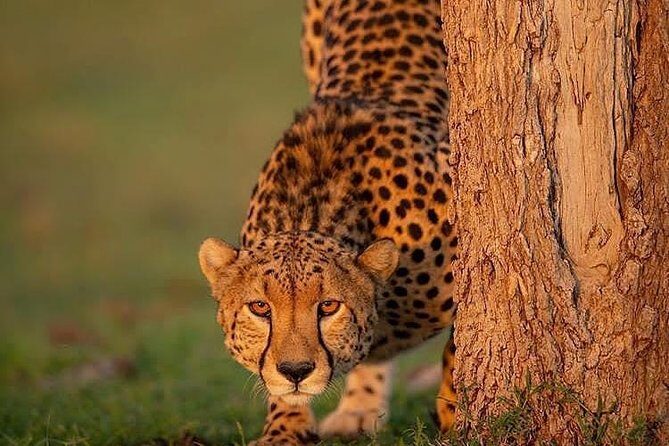
Most safari areas cover wide land. Ngorongoro Crater flips that idea. It’s a huge caldera, and a lot of the wildlife hangs around inside it. That matters for your game drive because you spend less time just searching and more time watching.
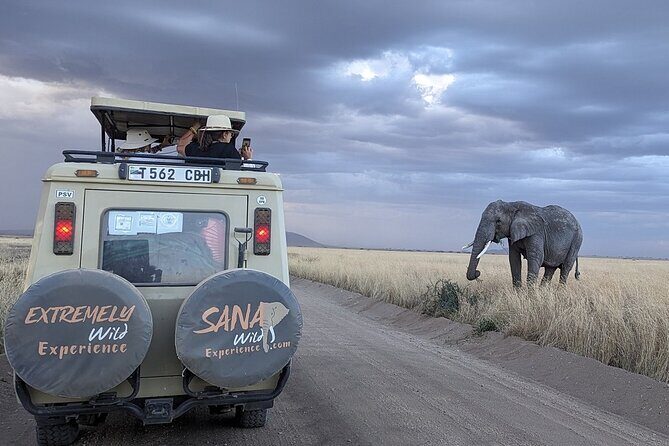
The numbers you’re told can sound almost unreal: estimates like thousands of wildebeest, zebras, eland, and gazelles, plus predators such as lions and hyenas. You may also see elephants and rhinos, depending on conditions and where you stop. Even if you don’t count them yourself, the feeling is the same—there’s life everywhere, and it’s visible from the right angles.
And yes, the birds get their own spotlight. You’re in an area known for hundreds of bird species. Expect names to come up during the drive—ostriches, kori bustards, and secretary birds, among others. If you’re the type who enjoys scanning the treeline edges and open ground for movement, this crater rewards patience.
The drive from Arusha: plan for a big day
This is sold as a 6 to 8 hour experience, and the timing works because the distance is real. The drive from Arusha to Ngorongoro is listed as about 3 hours 20 minutes over roughly 172.9 km.
That matters because the “day trip” feeling is accurate. You’re not going to roll in for a quick look and be done. You’ll want to be ready early, keep water handy, and dress for changing conditions—crater mornings can feel different from the road outside.
The good part: you’re not doing this DIY. You’re picked up at Pangani Street (Pangani St, Arusha) and brought back there at the end. That saves you from figuring out transport on your own and helps you keep the day focused on the wildlife.
Morning crater game drive: why timing helps your chances
The day is built around a morning drive. You’ll start with that early-day feeling—there’s even mention of early coffee in the lead-in—then you head down into the crater for the main wildlife viewing.
Why mornings are a smart move: animals often move, feed, and interact more actively earlier in the day, and you usually get better light for spotting. You also avoid the “everyone’s awake, everyone’s stopped” crowds that can happen later when your sightlines get tougher.
Now, a practical note. Ngorongoro isn’t a zoo. Wildlife doesn’t line up on command. But because the animals live in the crater system, your driver and guide have plenty of potential targets within a small area. That’s the real advantage—more likely encounters without endless driving.
What you’ll see on the crater floor (mammals and predators)
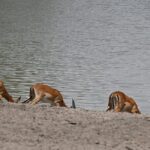
Let’s talk about the star category first: mammals. Ngorongoro is described as a place where big groups of animals call the crater home. You might encounter wildebeest and zebras in visible numbers, with eland and gazelles also mentioned among common sightings.
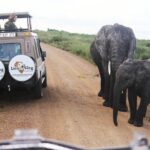
Predators are a big part of the appeal. You may spot hyenas and, if luck and timing align, lions. Rhinos are also included in the expected animal mix. Elephants are listed too, which is a nice bonus because they can be harder to predict in other safaris where sightings may be more scattered.
I like how the guide approach fits this setting. The best safari days happen when someone explains what you’re looking at and why. In past experiences with this operator, guides such as Isaac are praised for explanations that help you understand behavior, not just species names. If you get a similarly strong guide, you’ll enjoy the drive more even when sightings come and go.

The birds you’ll notice: ostrich to secretary bird
If you’re the kind of person who enjoys looking for less-famous wildlife, Ngorongoro delivers. The crater is known for about 500 bird species, and the tour highlights several big names.
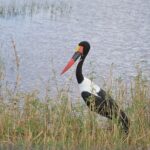
Ostriches are the obvious one—large, ground-level, and hard to miss once you spot them. Kori bustards often stand out when you see their shape in open ground. Secretary birds are also mentioned, which is especially fun because they’re not common everywhere. You may spot other species too, and the key is your guide’s scanning habit.
One more detail worth noting: from November to April, migratory birds take up residence. So if your trip lines up with those months, you may have a better shot at added bird variety.
Lunch and the small comforts that matter
This tour includes lunch, and you’ll get a launch box. That sounds simple, but on a long crater day it helps a lot. You don’t want to spend your best wildlife time hunting for food or trying to make do with whatever is available.
Also: the vehicle is air-conditioned. That’s not a minor detail on long drives out of Arusha, especially if the day starts warm or you’re in traffic before you clear out to the crater route.
One thing explicitly not included: alcoholic beverages. So if you’re thinking about beer or wine with lunch, plan to cover it yourself.
Transportation, group size, and what “max 6” feels like
Your group is capped at 6 travelers. In safari terms, smaller often means less jostling, fewer interruptions when people point, and a smoother flow when the guide wants you in position to see something.
The operator provides an air-conditioned vehicle, and the start and end are at Pangani Street. That makes it easier to plan your day in Arusha, especially if you’re staying nearby and don’t want complicated pickup puzzles.
The other practical plus is that the tour is described as well organized, and guides including Nasir and Mohamed are specifically praised for handling transportation smoothly. When a driver knows the route and a guide knows how to manage the crater stops, you feel it immediately in how efficient the day feels.
Price and value: what $311.54 buys you
At $311.54 per person, this isn’t the cheapest way to do a day trip out of Arusha. But it’s also not a bare-bones ride. You’re paying for a specific advantage: a structured crater experience with included lunch, air-conditioned transport, and an admission ticket included.
The value angle is really about time and probability. You get:
- a single, focused outing (the crater is the point)
- a small group size
- a guide-driven experience rather than wandering around on your own
If your goal is to maximize the chance of good crater sightings without draining your energy in logistics, this pricing can feel fair.
If your goal is to save money above all else, you might compare cheaper tours and shared options. But for most people, the extra you pay is the difference between a smooth day and a chaotic one.
Weather rules: why your day depends on the sky
This experience requires good weather. If it’s canceled due to poor weather, you’ll be offered a different date or a full refund.
That’s important to understand because Ngorongoro conditions can change. If visibility or road conditions aren’t safe, plans shift. I recommend treating this tour as a high-priority activity but building in flexibility around it—don’t schedule it as the only thing you have that week if you can avoid it.
Who this Ngorongoro day trip is best for
I’d point you here if:
- you want one big wildlife day rather than hopping between lots of places
- you care about learning what you’re seeing, not just taking photos
- you like smaller groups and less time wasted on admin
- you’re interested in both mammals and birds
It may be less ideal if you’re extremely short on time and can’t spare a 6 to 8 hour block. It also isn’t the best match if you’re arriving in Arusha late and can’t manage an early start.
Should you book this Ngorongoro Crater day trip?
Yes—if Ngorongoro is on your list, this is a sensible way to do it. The combination of a focused crater plan, included lunch, air-conditioned transport, and a small group size makes the day feel efficient. The biggest proof is how the guide role is emphasized in real-world experiences: guides like Isaac, Nasir, and Mohamed are praised for professionalism and for explaining what’s happening.
Skip or delay booking only if you can’t handle possible weather changes, or if you’re trying to cram this into a tight schedule with no flexibility.
If you want one day in Tanzania that leans hard into wildlife where the animals are truly part of the scenery, this crater trip is a strong bet.
FAQ
How long is the Ngorongoro day trip?
It’s listed as approximately 6 to 8 hours.
Where does the tour start in Arusha?
The meeting point is Pangani Street (Pangani St, Arusha, Tanzania).
Is pickup offered?
Yes, pickup is offered.
Is lunch included?
Yes. Lunch is included, and you’ll be provided with a lunch box.
What’s included in the price?
The tour includes an air-conditioned vehicle and lunch. Admission ticket is included, and you’ll receive a mobile ticket.
Are alcoholic beverages included?
No. Alcoholic beverages are not included.
How many people are in the group?
The maximum group size is 6 travelers.
Is the drive from Arusha to Ngorongoro long?
The drive from Arusha to Ngorongoro is listed as about 3 hours 20 minutes and roughly 172.9 km.
What happens if weather is poor?
If the experience is canceled due to poor weather, you’ll be offered a different date or a full refund.
What is the cancellation policy?
Free cancellation is available up to 24 hours before the experience’s start time for a full refund. Changes made less than 24 hours before the start time aren’t accepted.