REVIEW · ARUSHA
Kilimanjaro Climb- Lemosho Route
Book on Viator →Operated by Wild Root Safaris and Adventures · Bookable on Viator
A scenic route that feels surprisingly calm. The Lemosho route is known for panoramic views from multiple sides of Kilimanjaro, and I like that it’s marketed as low-crowd with a strong summit success track record. One consideration: you’ll still be signing up for a real altitude challenge, and not everything you might want—like walking sticks—is included.
I’m especially drawn to Wild Root Safaris because the people behind the climb show up in the details. In past groups, guides such as Kennedy and Noel were highlighted as supportive and honest, and lead crew energy around Lucia and the team shows a family-style focus during tough moments.
The price may look steep at $3,005.13 per person, but I like where it lands: you get practical basics like camping gear and meals, plus airport pickup and drop-off. Still, the duration listed for the experience is oddly wide (about 6 hours to 1 day), so you’ll want to confirm the exact trek dates in your booking details before you pack.
In This Review
- Key Things You’ll Want to Know
- Why the Lemosho Route Feels Less Crowded and More Scenic
- Wild Root Safaris and the Human Support You’ll Rely On
- Arusha Arrival Day: Pickup, Mvuli Hotel, and a Real Equipment Check
- Your Start Time and What It Means for Planning
- What the Lemosho Trek Includes (So You Don’t Overpack or Underpack)
- The Real Altitude Plan: Moderate Fitness and Smart Pace
- Camp Comfort: When the Setup Is Taken Care of
- Crowds, Scenery, and Why You’ll Feel Different on Lemosho
- Private Group Advantage: Your Pace, Your Team, Your Day
- Who Should Book Wild Root on Lemosho?
- Should You Book This Lemosho Climb?
- FAQ
- Where is the meeting point for the Kilimanjaro Lemosho route?
- What’s included in the price?
- What should I bring if I’m going on this climb?
- Are alcohol and taxes included?
- Is this a private group experience?
- What fitness level do I need?
Key Things You’ll Want to Know
- Lemosho’s scenic reputation: panoramic views on multiple sides, with a route often described as quieter.
- High-touch guiding: support teams that include guides like Kennedy and Noel, plus lead crew Lucia.
- Camping comfort basics included: tents, mattresses, sleeping bags, and camp setup items.
- Food and hydration support: bottled water, breakfast/lunch, and dinner included.
- Arusha prep day matters: pickup to Mvuli hotel and an equipment check before you start climbing.
- You’re not traveling mixed with strangers: it’s private, your group only.
Why the Lemosho Route Feels Less Crowded and More Scenic
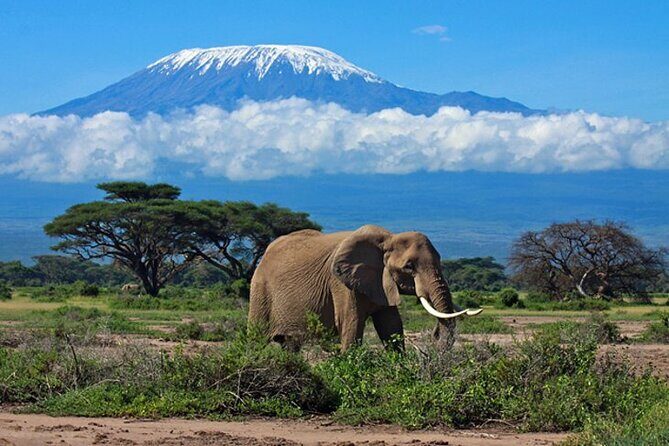
If you’re choosing between Kilimanjaro routes, Lemosho usually comes up for one reason: it’s supposed to treat you to long stretches of fresh scenery while keeping crowds lighter. The route is described as the most scenic on the mountain, with panoramic vistas showing up on different sides as you work your way upward.
That matters more than it sounds. On summit climbs, the goal can turn into tunnel vision: step, breathe, repeat. A route that keeps your eyes busy with big views can make the whole experience feel less like one long slog and more like a gradual journey. It also helps with morale on the days when the air thins and your body starts asking for shorter efforts and longer rest.
Another part I appreciate is the timing and “newer route” pitch. Lemosho is positioned as a superb choice because it hits a balance: beautiful scenery, low crowds, and a high summit success rate. In other words, you’re not just buying views—you’re buying a route strategy.
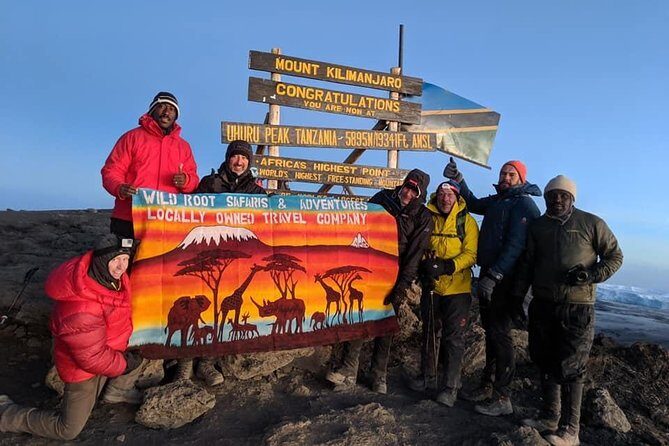
One more thing: the climb is aimed at the top of Africa (Uhuru Peak is explicitly mentioned in the context of Lemosho climbs). So if you want a route that feels scenic on the way up, while still aiming at a serious summit goal, Lemosho is built for that.
You can also read our reviews of more tours and experiences in Arusha.
Wild Root Safaris and the Human Support You’ll Rely On
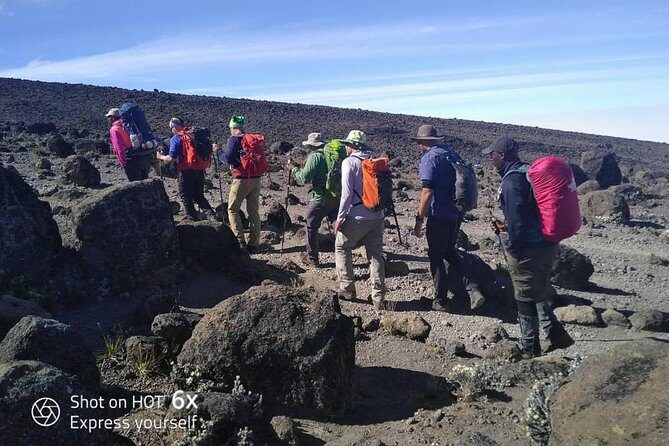
On Kilimanjaro, the mountain is only half the story. The other half is how the team handles you when you’re tired, cold, nauseous, or simply stuck in that stubborn uphill rhythm.
Wild Root Safaris and Adventures runs the Lemosho route, and the standout theme from their groups is support with real professionalism. Guides are described as knowledgeable and honest—especially during the moments when your optimism needs grounding and your pace needs adjusting.
I also like that their support model isn’t just “a guide and a porter.” In past groups, you can see how the company scales up the crew: one group size mentioned support by dozens of expert guides, porters, and chefs led by Lucia. That sort of staffing isn’t just for show. It usually means:
- better attention to pacing and safety,
- smoother camp operations,
- and less time waiting on basic needs when the schedule gets tight.
In the reviews content you shared, Kennedy and Noel are named as guides who worked as a strong team and offered encouragement without being vague about what the mountain demands. People also thank Lucia specifically for leadership and for the team’s teamwork during hard sections.
For you, the practical takeaway is this: you’re not only paying for a route. You’re paying for how you get managed when you’re running low on energy.
Arusha Arrival Day: Pickup, Mvuli Hotel, and a Real Equipment Check
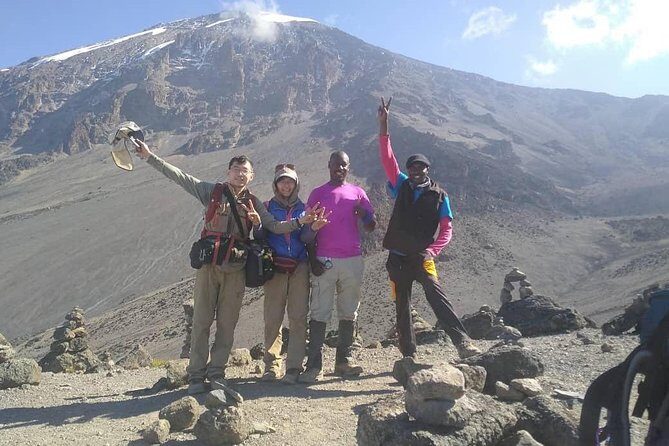
Your experience starts in Arusha, Tanzania, with pickup after you land at Kilimanjaro Airport. The driver meets you and takes you to Mvuli Hotel. The rest of the day is for relaxing and preparing, which is smart. Kilimanjaro is not the trip to “power through” jet lag and hope for the best.
Late afternoon is when the Kilimanjaro team meets you at the lodge. This is your briefing and equipment check window. It’s not just paperwork. This is where you can catch the small mistakes that become big annoyances on the mountain—wrong layers, missing items, or gear that won’t work at altitude.
You can also visit Arusha town if you want, though you’ll need a taxi for that. If you’re the kind of person who wants to get your bearings quickly, Arusha is a good place to do it before trekking. If you’re not, you can keep it simple: eat, rest, and let your body catch up.
The vibe here is preparation, not performance. The goal is to have you ready for the next step: your trek start.
Your Start Time and What It Means for Planning
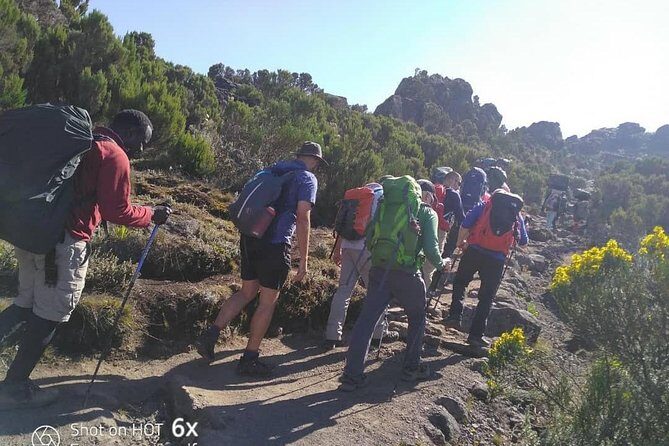
Your confirmed meeting point is in Arusha, and the start time is listed as 8:00 am. That matters because Kilimanjaro days often move early. If you’re coming from the hotel the night before, you’ll want to make sure your wake-up routine is realistic.
Also keep in mind this: the experience duration is listed as approximately 6 hours to 1 day. Kilimanjaro climbs typically run longer than that in real life, so I strongly suggest you verify the exact trek length shown in your confirmation. Don’t guess based on a rough duration field.
Because it’s private, timing matters even more. You won’t be sliding into a shared bus schedule with a crowd of unrelated travelers. Your group will run on the plan the team sets.
What the Lemosho Trek Includes (So You Don’t Overpack or Underpack)
This is where the value story gets tangible. Your price includes a lot of the big “logistics headaches.”
Here’s what’s included:
- Airport pick up and drop off
- Parking fees
- Bottled water
- Dinner, breakfast, and lunch
- Camping gear: tent, mattress, sleeping bags, table, and chairs
That camping gear list is a big deal. A lot of people worry about carrying everything. If your tent, sleeping bag, mattress, and camp setup items are already handled, you can focus on what really affects comfort: clothing layers, proper footwear, and your personal warm-up kit.
What’s not included is equally important. You’ll need to budget for:
- walking sticks and other mountain gears
- alcoholic beverages
- airport/departure tax
- landing and facility fees
Also note: walking sticks are specifically listed as not included. Even if you don’t love using them day to day, having them for steep parts can help manage stress on knees and balance.
And one more practical point: bottled water is included. That helps in the first days of acclimatization when you want a predictable hydration plan. Still, always plan your own water discipline too—don’t treat “included water” as an excuse to ignore how your body feels at altitude.
The Real Altitude Plan: Moderate Fitness and Smart Pace
Your fitness requirement is listed as moderate physical fitness. That doesn’t mean “easy.” It means the climb expects you to be reasonably active and able to handle sustained uphill walking with breaks.
On a scenic route like Lemosho, you’re more likely to enjoy the view while you climb—but don’t confuse scenery with simplicity. The summit day is often the most punishing, and support makes the difference between finishing and feeling like you might not.
From the guide style described, the team approach is supportive and structured: encouragement paired with honesty. People specifically credit guide support and staff organization for strong outcomes, including 100% group success in some climbs.
For you, the useful takeaway is to pack your headspace as carefully as your gear. If you show up thinking you’ll “muscle” your way through, you’ll burn out. If you show up understanding that you’ll need patience, rest stops, and consistent breathing, you’ll work with the climb instead of against it.
Camp Comfort: When the Setup Is Taken Care of
Camping gear is included, and that changes how you experience the trek. With a tent, sleeping bag, and mattress provided, your sleep setup becomes less of a gamble—at least compared to the trips where you have to bring everything.
Also included: camp table and chairs. That sounds small, but it affects your whole rhythm. When you’re exhausted, having a stable place to eat, gear up, and regroup helps you recover faster and stay focused on the next day.
And because meals are included (breakfast, lunch, dinner), you’re not trying to hunt for food between walking segments. That’s a quiet kind of comfort. On a high-stakes climb, fewer decisions can reduce stress.
If cold nights worry you, you’ll want to check what your sleeping bag and layering setup covers. The gear is provided, but your personal clothing still matters.
Crowds, Scenery, and Why You’ll Feel Different on Lemosho
The Lemosho route is described as both scenic and low-crowd. That combination can feel surprisingly different from routes where groups stack up and the day becomes a congestion problem.
Low crowds can mean:
- more breathing room on the trail,
- a slower feel to the day,
- and fewer distractions when you’re trying to manage your pace.
Scenery also helps you mentally. When you’re staring at your boots for hours, time can feel heavy. Panoramic views on different sides can reset your attention at the exact moments you need it most.
If your goal is to reach Uhuru Peak but still keep the climb enjoyable, Lemosho’s design is built for that.
Private Group Advantage: Your Pace, Your Team, Your Day
This is a private tour/activity, meaning only your group participates. For many people, that’s the difference between feeling like a number and feeling like a client.
With a private setup, you’re more likely to:
- keep a consistent walking rhythm,
- get straightforward communication from your team,
- and receive attention based on your group’s needs rather than everyone’s mixed pace.
In the reviews content you provided, there’s a theme of guides working closely as a team and giving direct support during hard sections. A private group tends to amplify that because your team isn’t spread across different speeds and expectations.
So if you’re traveling with friends or want a more personal feel, this setup fits.
Who Should Book Wild Root on Lemosho?
This trek is a strong match if you want:
- scenic, panoramic climbing without heavy crowding,
- a company that emphasizes guided support and organization,
- and a package that includes core camping gear and most meals.
It’s also a good fit if you’re the type of traveler who likes a plan with humans behind it—guides and a crew that have handled logistics before.
Where you should be cautious:
- If you’re looking for a trip where you bring nearly nothing, remember that walking sticks and other mountain gears are not included.
- If your schedule is inflexible, double-check the exact trek dates, since the duration field is listed broadly and you’ll want clarity.
Should You Book This Lemosho Climb?
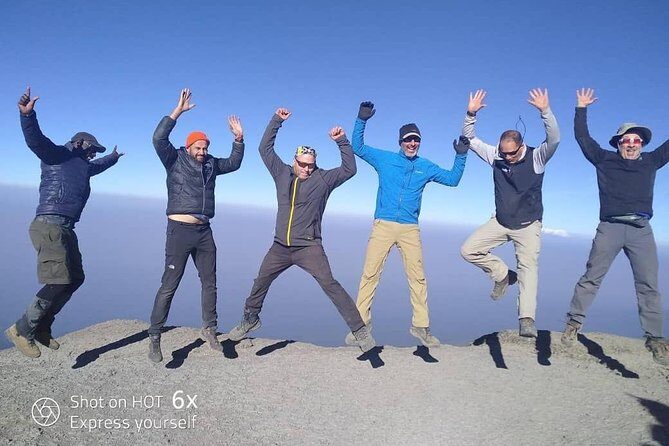
I’d book it if you want Lemosho for what it’s known for—low-crowd scenery and a route strategy aimed at high summit success—and you want a guiding team that’s described as supportive, honest, and organized.
Before you say yes, do three quick checks:
- Confirm the exact trek dates and duration in your confirmation details.
- Ask about walking sticks or what “other mountain gears” means for your group.
- Make sure your packing list matches the gear provided (tent, mattress, sleeping bag) so you don’t overpack warm items or underpack layers.
If those boxes are checked, this is a smart, value-forward way to tackle Kilimanjaro on the Lemosho route with Wild Root Safaris.
FAQ
Where is the meeting point for the Kilimanjaro Lemosho route?
The start is in Arusha, Tanzania, with the meeting point listed as Arusha. Pickup is offered, and the start time is 8:00 am.
What’s included in the price?
Your package includes airport pick up and drop off, parking fees, bottled water, and meals (dinner, breakfast, and lunch). It also includes camping gear such as a tent, mattress, sleeping bag, and camp setup items like table and chairs.
What should I bring if I’m going on this climb?
Walking sticks and other mountain gears are not included, so you’ll likely need to bring or arrange them. Alcoholic beverages are also not included.
Are alcohol and taxes included?
Alcoholic beverages are not included. Airport/departure tax and landing and facility fees are also not included.
Is this a private group experience?
Yes. It’s a private tour/activity, and only your group will participate.
What fitness level do I need?
The experience is listed for travelers with moderate physical fitness. It’s a good idea to be prepared for sustained uphill effort and altitude conditions.