REVIEW · DAR ES SALAAM
Full Day Private Tour in Dar es Salaam City
Book on Viator →Operated by GoSaed · Bookable on Viator
Dar es Salaam feels personal in one day. This private tour pairs a local guide with a smart route through the city’s working life, key monuments, and coastal breaks. I especially liked how the timing works, so you see places at the moment they matter most, not when crowds are already thick.
Two standouts for me: the morning energy at Kivukoni Fish Market, and the cultural stop at Makumbusho Village where you get explanations that make the huts and artifacts click. Both felt like the difference between looking at a city and understanding how it functions.
One consideration: the day runs about 6 to 9 hours, and you’ll be on the move through markets and sun. If you’re sensitive to heat or hate walking in crowds, plan for breaks and comfortable shoes.
In This Review
- Key things that make this Dar day tour work
- A private Dar es Salaam day that feels like a real itinerary, not a checklist
- Kivukoni Fish Market at opening hours: see the coast’s economy in motion
- Azania Front Lutheran Church: colonial-era architecture with ocean views
- National Museum of Tanzania: fossils and the long arc of change
- Askari Monument: a central reminder of World War I service in East Africa
- Kariakoo Market: your guide helps you handle the noise and choose well
- Makumbusho Village Museum: over 200 tribes in traditional village homes
- Tingatinga Arts Cooperative Society: take home something made in Dar
- Coco Beach: a real ocean break with local food and music energy
- Suburban Dar es Salaam: the daily streets beyond the main attractions
- Getting value for $90: what’s included and what it’s really buying
- The best fit: who will love this private city day
- Should you book this Dar es Salaam private day with GoSaed?
- FAQ
- How long is the full day private tour?
- Is pickup included?
- Is this tour private or shared?
- What kind of ticket do I use?
- Are admission fees included?
- How much does it cost?
- Who leads the tour?
- Is a service animal allowed?
- What is the cancellation policy?
Key things that make this Dar day tour work
- A true private setup: pickup offered and only your group, so you can ask questions and go at your pace
- Local guide energy: one guide-driver named Said comes through as friendly and very well informed
- Museum time is planned: Tanzania’s National Museum and Makumbusho Village include admission, so you’re not juggling tickets
- Mix of city and coast: fish market, church views over the ocean, and a stop at Coco Beach in one coherent route
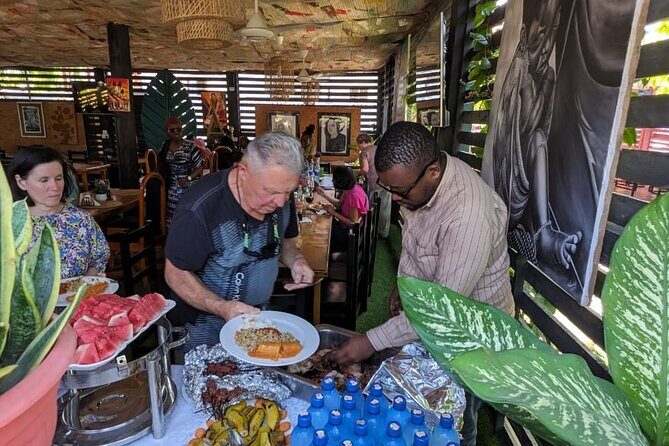
- Market navigation included: Kariakoo can feel chaotic, and having a guide helps you focus on what you came for
A private Dar es Salaam day that feels like a real itinerary, not a checklist
A private city tour sounds simple, but in Dar es Salaam it matters. With only your group, your guide can slow down where you’re curious and move on when something isn’t your style. That flexibility is especially helpful in places like Kariakoo Market, where the “big picture” is easy to get lost in.
I also like that the day is built around local rhythm. You start with the fish market when the action is at its strongest, then balance it with quieter stops like the Azania Front Lutheran Church and a museum visit that gives context. By the time you reach the beach, you’re not just tired, you’re ready to relax.
The price is $90 per person for a full day, which is reasonable when you factor in private guide time, pickup, and admission included for at least two of the major stops. It also helps that the tour is often booked ahead (on average, about 17 days), which usually means people find the schedule and pacing practical.
You can also read our reviews of more city tours in Dar es Salaam

Kivukoni Fish Market at opening hours: see the coast’s economy in motion
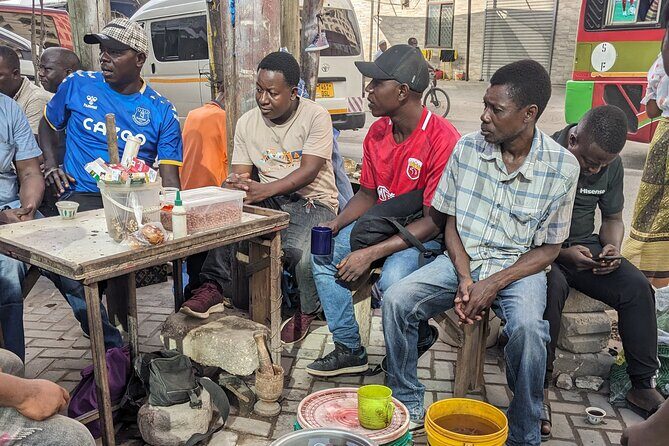
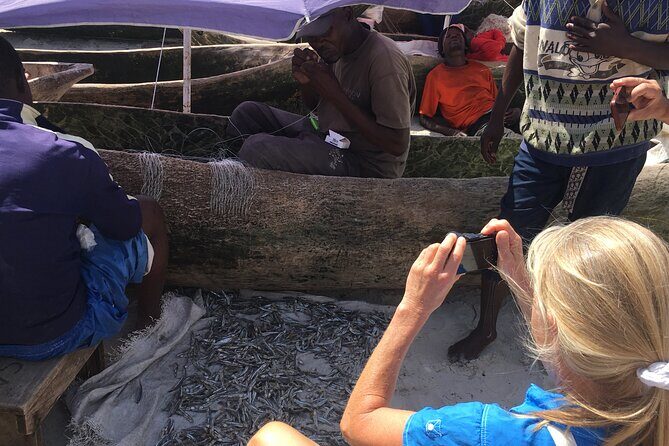
Kivukoni Fish Market is the kind of place where you can smell the story before you hear it. The market comes alive early, with fishermen calling out, fresh catch laid out in bright display, and the whole area turning into a busy exchange hub. You get about an hour here, which is enough time to take in what’s happening without feeling rushed.
What I liked most is that it’s not treated like a photo stop. Your guide explains how fishing traditions and seafood culture shape daily life, including the social side of why this market matters. If you’ve never seen a working fish market before, this is a very grounded introduction to Dar’s coastline.
Practical tip: wear breathable clothes and keep your expectations realistic. It’s a working market, so it can be crowded and active. Also, if you’re sensitive to strong sea smells, bring a scarf or something light for your face.
Azania Front Lutheran Church: colonial-era architecture with ocean views
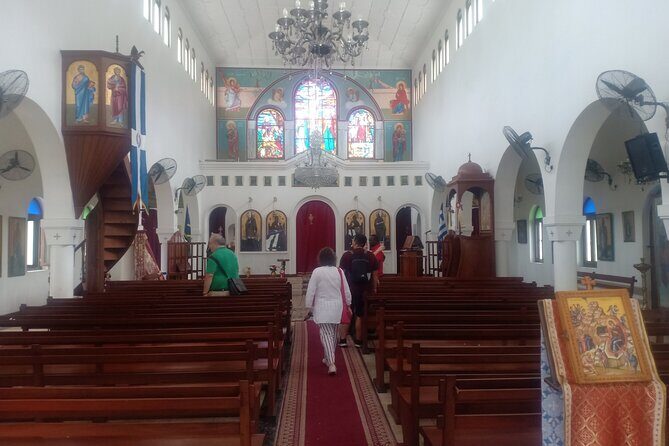
After the energy of the market, Azania Front Lutheran Church offers a calmer reset. This landmark dates to 1891, built by German missionaries, and you’ll notice its red roof as you look toward the Indian Ocean. You get about 30 minutes, which is a perfect length for a reflective pause without losing momentum.
Inside, the church is simple, and that simplicity helps the guide’s story land. You hear about its origin, its influence over time, and its continuing place in the community. It’s a reminder that Dar’s past isn’t only in museums; it’s also in the buildings people still use.
Practical tip: dress modestly and be respectful with your camera. Even if it’s not crowded, churches expect quieter behavior.
National Museum of Tanzania: fossils and the long arc of change
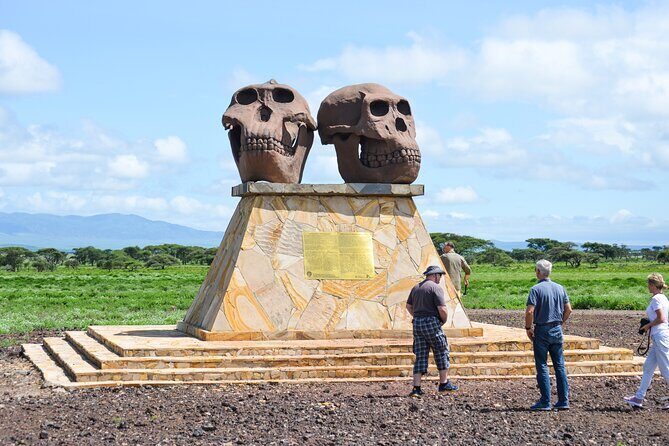
The National Museum of Tanzania is your big context stop. You’ll spend about 1 hour 30 minutes here, and admission is included. The exhibits cover Tanzania’s cultures and natural wonders, including ancient hominid fossils and artifacts connected to colonial and independence eras.
This is where the day starts making more sense. After you’ve seen markets, neighborhoods, and monuments, the museum helps connect those scenes to broader themes: how people lived, how power shifted, and how identity evolved. I like that your guide doesn’t just point at objects; they explain the story behind them and connect past and present in a way that feels personal.
Practical tip: plan to slow down your pace at the museum. If you try to race through, you’ll miss the “why” behind what you’re looking at.
Askari Monument: a central reminder of World War I service in East Africa
The Askari Monument sits right at the heart of the city, so it’s an easy stop to fit into the flow. You’ll have about 30 minutes, and admission is free. This bronze statue honors African soldiers known as askari who fought in World War I, with ties to the British colonial period.
What makes it more than a statue is the layered meaning the guide brings. It’s a site of remembrance, but also a pointer to the complex history of the region—who served, under what circumstances, and how that legacy has been interpreted over time.
Practical tip: bring a moment for it. It’s the kind of place where a few minutes of stillness actually improves the experience.
You can also read our reviews of more private tours in Dar es Salaam




Kariakoo Market: your guide helps you handle the noise and choose well
Kariakoo Market is the busy commercial heart of Dar es Salaam. You’ll spend about an hour here, and admission is free. The scene can be intense—vendors, shoppers, porters moving fast, and an open-air mix of fresh produce, fabrics, electronics, and street food.
This is one of the places where having a guide changes everything. Without local help, you might bounce between stalls and still leave not sure what you saw. With help, you can focus on the materials, the everyday trade, and what the market means as a business ecosystem.
Practical tip: bring small cash and keep your phone secure. Markets like this are popular because they’re useful and busy, and busy usually means more attention on your belongings.
Makumbusho Village Museum: over 200 tribes in traditional village homes
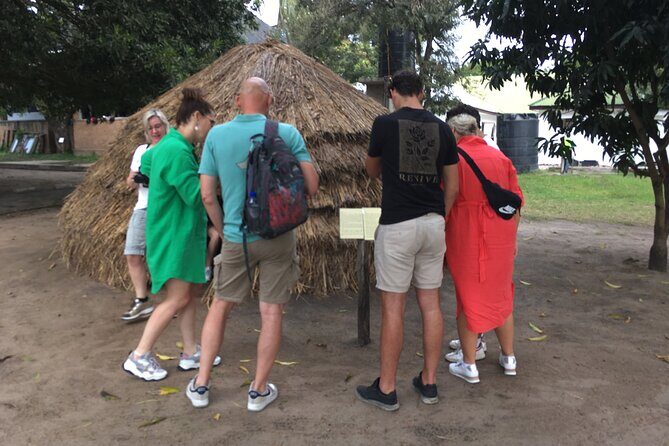
Makumbusho Village Museum is a standout cultural experience, especially if you want to understand Tanzania beyond major city landmarks. You’ll have about 1 hour 30 minutes here, and admission is included. The museum presents traditional homes, artifacts, and customs—described as featuring structures representing over 200 tribes.
What I liked is that it’s open-air. You’re not just looking at rooms behind glass; you’re walking through layouts that help you visualize how people lived. Your guide explains the cultural significance of different homes and structures, which makes the visit feel like an education you can move through.
Practical tip: wear shoes with grip. Museum grounds can have uneven paths, and you’ll want to walk comfortably without constantly adjusting your footing.
Tingatinga Arts Cooperative Society: take home something made in Dar
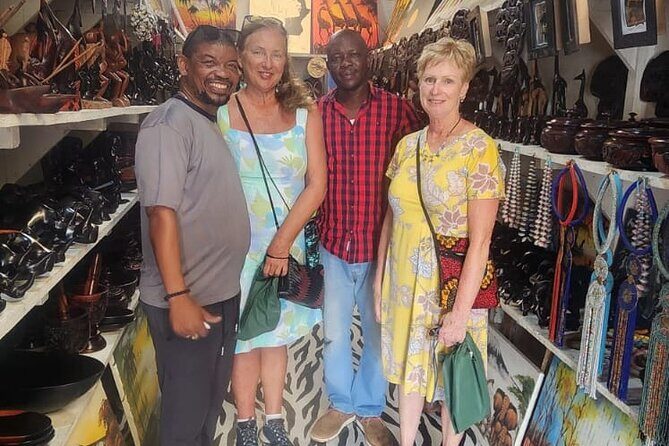
The Tingatinga Arts Cooperative Society stop works well in the middle of the day because it’s creative, hands-on, and grounded in local makers. You’ll spend about an hour, and admission is free. The cooperative highlights carved wood sculptures, bold fabrics, and handmade jewelry.
Your guide helps you understand the techniques and the small choices artists make, so the items feel earned rather than randomly purchased. If you’re hoping to bring back a souvenir with a story, this is a better option than grabbing something generic.
Practical tip: if you’re buying, take a moment to ask how pieces are made. Even when you don’t buy, learning the method makes the art more meaningful.
Coco Beach: a real ocean break with local food and music energy
Coco Beach gives you the coastal exhale you need by late day. You’ll have about an hour there, and admission is free. The beach is described as a favorite weekend retreat for locals, so you get more than a scenic view—you get everyday leisure.
Expect Indian Ocean breezes, golden sand, and a social atmosphere with music, markets, and ocean views. You might also try local snacks like freshly fried cassava and coconut juice served straight from the shell.
This stop is more than a reward. It’s also a chance to see how Dar works when work pauses and people shift to shoreline life. I find that contrast makes the whole day feel complete.
Practical tip: plan for sun. Even if the breeze helps, bring something for your head and consider water you can refill easily.
Suburban Dar es Salaam: the daily streets beyond the main attractions
The final stop is not a monument or museum. You’ll take a short walk through suburban Dar es Salaam for about 40 minutes, focusing on everyday routines—street vendors, neighbors greeting each other, and the feel of community interaction outside the top tourist areas.
This part is valuable because it keeps you honest. Markets and monuments are important, but daily life tells you how a city actually feels to live in. Your guide helps you read the scene without turning it into a performance.
Practical tip: keep your expectations flexible here. This is a “people watching” stop, not a curated site, so the exact feel depends on what’s happening that day.
Getting value for $90: what’s included and what it’s really buying
At $90 per person, the value depends on what you’d do on your own. Here, you’re paying for a private guide and a day route that strings together working culture, architecture, museums, and beach time. The tour also offers pickup, and you use a mobile ticket.
Admission costs matter. The National Museum of Tanzania and Makumbusho Village Museum include admission, while stops like Kivukoni Fish Market, Azania Front Lutheran Church, Askari Monument, Kariakoo Market, Tingatinga Arts Cooperative Society, and Coco Beach are described as free. That mix makes the budget more predictable than “pay as you go.”
Also, consider demand: since it’s commonly booked about 17 days in advance, it’s likely a solid option when you want a structured day without the stress of planning each segment. If Dar is on your short list, booking ahead is the easy win.
The best fit: who will love this private city day
This tour is a strong match if you like guided context. You’ll get explanations of how sites connect to everyday life, from seafood trade at Kivukoni to how museums interpret the past. It also suits you if you want a softer pace at key moments, like the church and the museum, instead of only rushing through photo stops.
It’s also a good choice for first-time visitors who want to understand Dar quickly but respectfully. One of the key strengths is that the guide isn’t only sharing facts; you’ll get stories and practical interpretation that helps you connect the dots.
If you dislike markets or you want a slow, nature-heavy day with little walking, this might feel a bit full. The day moves through several active areas, so comfort planning matters.
Should you book this Dar es Salaam private day with GoSaed?
I’d book it if you want a guided day that actually explains what you’re seeing. The route hits major “you get it now” moments—Kivukoni’s working life, the museum’s bigger context, Makumbusho’s cultural structures, and a real break at Coco Beach. With a private setup and a guide-driver like Said showing up as friendly and well informed, the day feels both organized and human.
I’d reconsider if your schedule is tight or you hate busy streets and sun. Since the tour spans 6 to 9 hours, build in that time and wear comfortable shoes. If you do those two things, you’ll get a Dar es Salaam day that feels like more than sightseeing.
FAQ
How long is the full day private tour?
It runs about 6 to 9 hours.
Is pickup included?
Yes, pickup is offered.
Is this tour private or shared?
It’s a private tour/activity, so only your group participates.
What kind of ticket do I use?
A mobile ticket is provided.
Are admission fees included?
National Museum of Tanzania and Village Museum admission are included. Other stops listed are free, including Kivukoni Fish Market, Azania Front Lutheran Church, Askari Monument, Kariakoo Market, Tingatinga Arts Cooperative Society, and Coco Beach.
How much does it cost?
The price is $90.00 per person.
Who leads the tour?
It’s led by local guides. One guide-driver mentioned in the available accounts is Said.
Is a service animal allowed?
Yes, service animals are allowed.
What is the cancellation policy?
You can cancel for a full refund up to 24 hours in advance. If you cancel less than 24 hours before the experience starts, the amount paid is not refunded.