REVIEW · ARUSHA
From Arusha: Coffee Farm and Mangalia Waterfalls Tour
Book on GetYourGuide →Operated by Uhuru Adventures · Bookable on GetYourGuide
The day starts with a bean and ends with a waterfall. This Arusha outing mixes coffee farm life with a refreshing swim at Mangalia, plus views that make the drive feel worth it. It’s also a short, friendly 4-hour plan that fits well when your Tanzanian schedule is tight.
I especially like the bean-to-brew feel of the coffee tour—there’s real hands-on learning about what happens from the tree to your cup. And I like how the timing keeps changing the scenery: coffee shade and farm paths, then open waterfall air with time for photos and a dip if you want. One thing to consider: you’ll pay an extra $20 entrance fee for the coffee farm and waterfalls, on top of the $55 tour price.
Expect a bit of walking on uneven ground and a short hike on the way to the falls, so plan on sturdy shoes. If you’re curious about how coffee actually grows and processes in Northern Tanzania, this tour is a great fit.
In This Review
- Key things to know before you go
- Coffee from tree to cup near Arusha
- What the coffee farm portion feels like (and why it’s worth 2 hours)
- The scenic break with Mount Meru and Kilimanjaro views
- Mangalia Waterfalls: swim, photos, and a short hike
- The small-group advantage (and why it affects your photos and pace)
- Price and logistics: where the $55 really goes
- What to bring so the day stays comfortable
- Who this tour suits best
- Should you book the Arusha coffee farm and Mangalia Waterfalls tour?
- FAQ
- How long is the From Arusha: Coffee Farm and Mangalia Waterfalls tour?
- Is hotel pick-up and drop-off included?
- What does the tour cost, and is anything extra?
- Are coffee snacks included?
- Can I swim at Mangalia Waterfalls?
- What language will the guide speak?
- What should I bring?
- Is there free cancellation and can I pay later?
Key things to know before you go
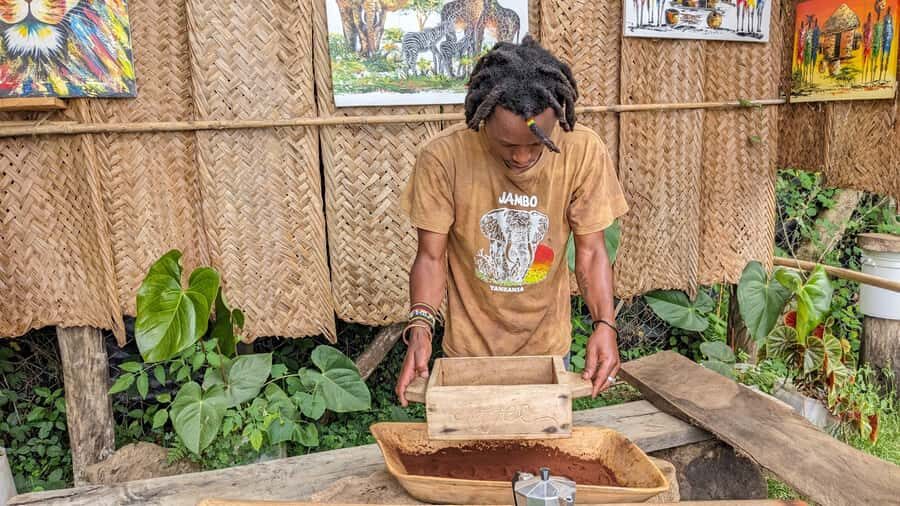
- Bean-to-brew learning at a working coffee farm: you’ll follow the process from fruit to prepared coffee.
- Mangalia Waterfalls with optional swimming: bring swimwear if you want the water experience.
- Big mountain views during a scenic break: Mount Meru and Kilimanjaro are part of the reward.
- A small group capped at 4 people: more personal pace, less crowd energy.
- Local snacks plus free time at the farm: you’ll have moments to slow down, shop, or linger.
- Additional entrance fees apply: plan for the $20 coffee farm and waterfalls fee.
Coffee from tree to cup near Arusha
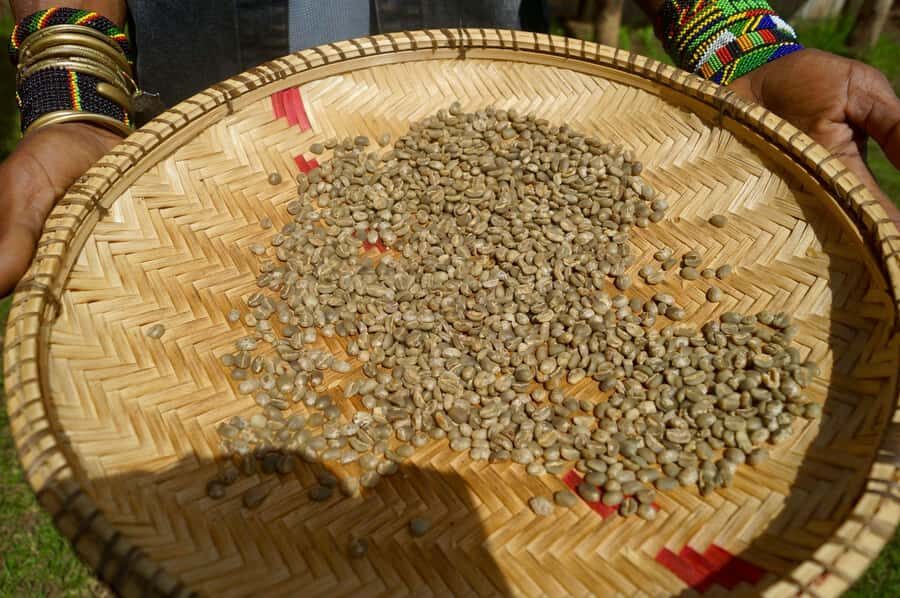
This tour is built around a simple idea: coffee isn’t a product, it’s a process. You’ll be taken to a local farm where you can see how coffee is handled at each step, not just hear a slideshow version of it.
What you’ll gain is context. On a coffee tour like this, the value is in understanding why coffee tastes the way it does—how the farm manages the plants, how the beans are prepared, and what happens before you ever smell a freshly brewed cup. It also helps that the group stays small, so you can ask practical questions instead of shouting over other people.
If your guide is someone like Frank (a name that comes up often in this experience), you can expect patient explanations and real attention to your pace. Another guide name that shows up is Hosea, and people describe him as welcoming and detail-focused. You won’t control who you get, but the best part is the vibe: you’re treated like you came to learn, not like you’re racing through a checklist.
Photo tip: keep your camera ready even during the farm parts. The coffee trees, processing areas, and those mountain glimpses off in the distance make for better photos than you might expect for a short tour.
You can also read our reviews of more tours and experiences in Arusha.

What the coffee farm portion feels like (and why it’s worth 2 hours)
The coffee stop is scheduled as a main activity block, and it’s long enough to feel real. You’re not just stepping into a café and calling it a day—you’re on the plantation, watching the rhythm of farm life and learning how the coffee gets from plant to brew.
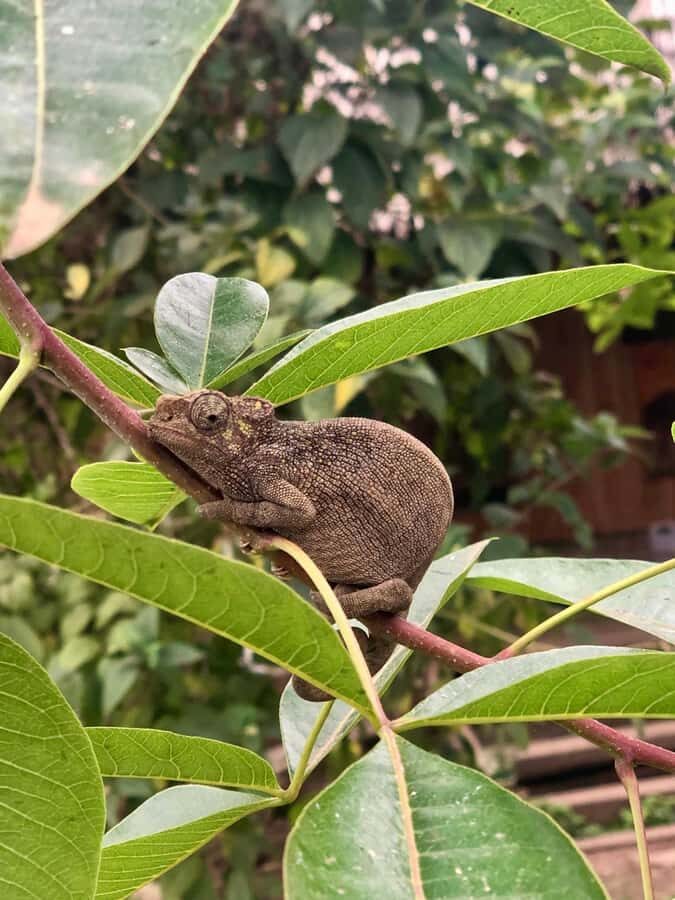
During this time, your guide should walk you through the coffee-making process and point out what matters along the way. It’s also a good moment to notice other crops grown around the farm. Coffee farms are usually mixed agricultural settings, and seeing the broader farm life helps the coffee lesson land in a more grounded way.
For people who like structure, you’ll likely appreciate the guided flow: a tour format that moves you through stages. For people who like freedom, you still get a break later where you can relax and do a bit of casual exploring or shopping. That balance is one of the reasons this works so well as a half-day activity.
Possible drawback: if you hate walking on uneven paths, you might want to move a little slowly and plan your photo stops. This isn’t a wheelchair-friendly stroll as described; it’s a working farm experience.
The scenic break with Mount Meru and Kilimanjaro views
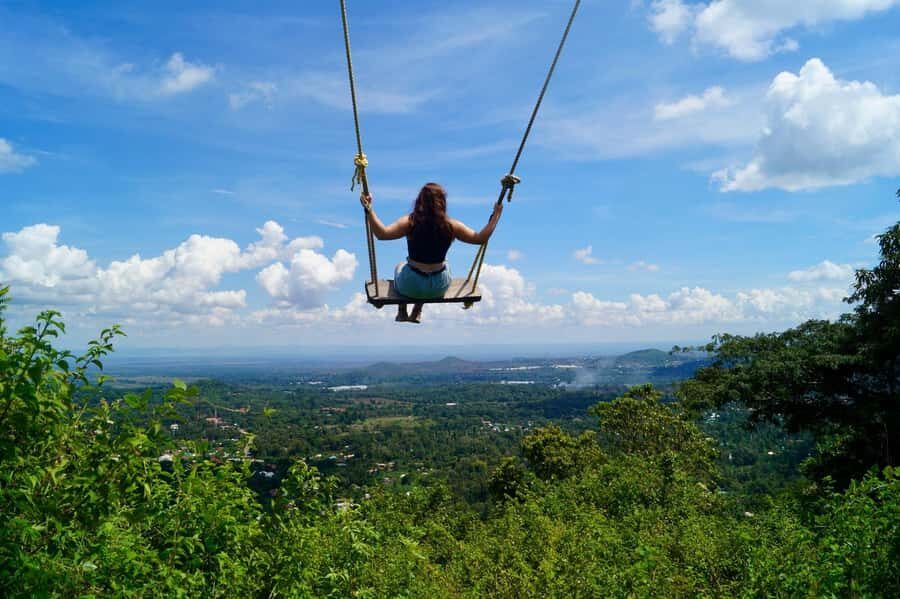
After the main coffee tour, you get a rest period that changes the mood. This is where the tour stops feeling like a mission and starts feeling like a break.
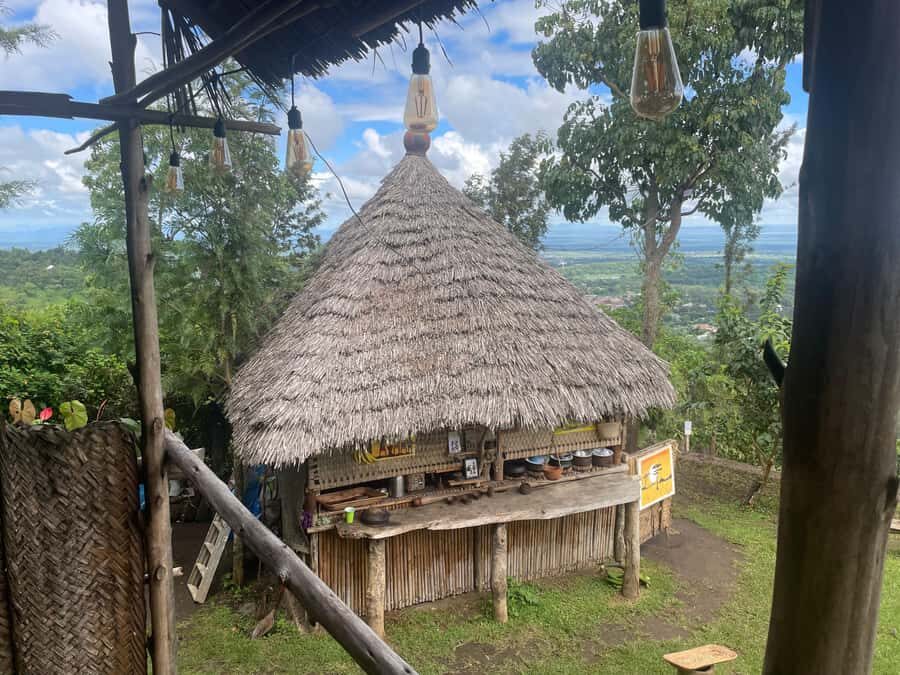
You’ll enjoy scenic views that can include Mount Meru and Mount Kilimanjaro from the area. Even if the weather isn’t perfectly clear, you’ll still get that Northern Tanzania “up high” feeling—wide air, fresh perspective, and a pause to reset before the waterfall portion.
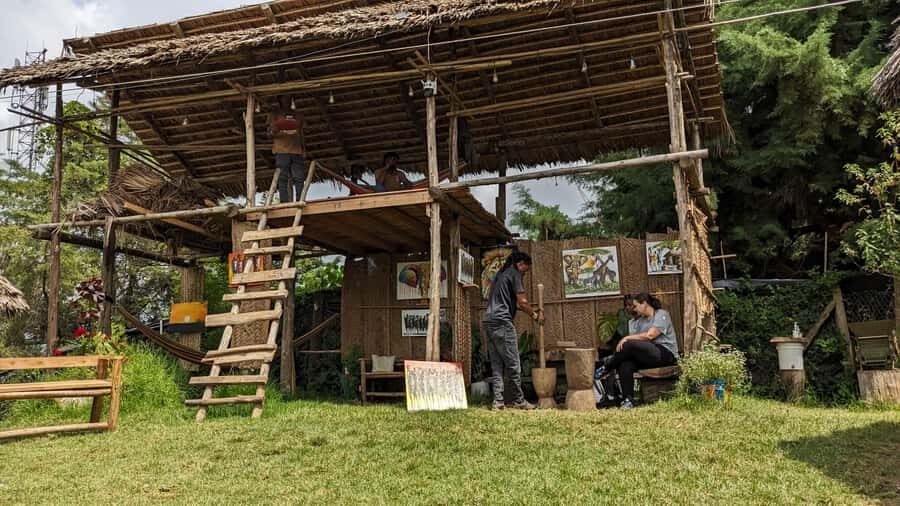
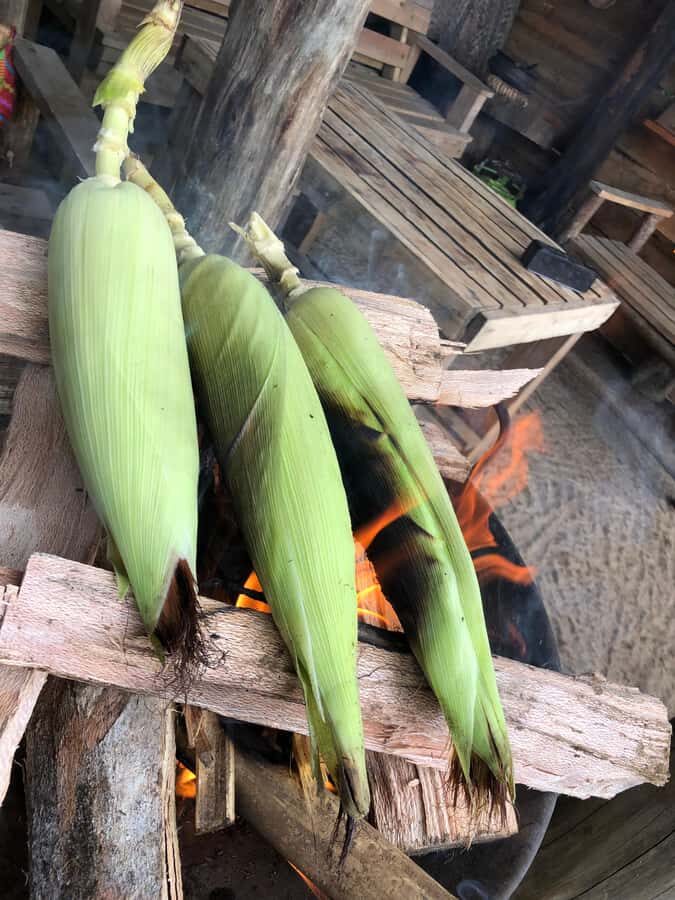
This is also where local drinks and downtime come in. The tour description notes that you can try banana wine, and the break time includes options like beer and wine, plus a picnic-style feel and shopping/free time. It’s not framed like a tasting event with strict timing—more like a chance to enjoy the farm environment while you recharge.
If you’re traveling with someone who gets tired easily, this is a helpful part of the day. It gives you somewhere to sit, snack, and take the scenery in without a constant change of pace.
Mangalia Waterfalls: swim, photos, and a short hike
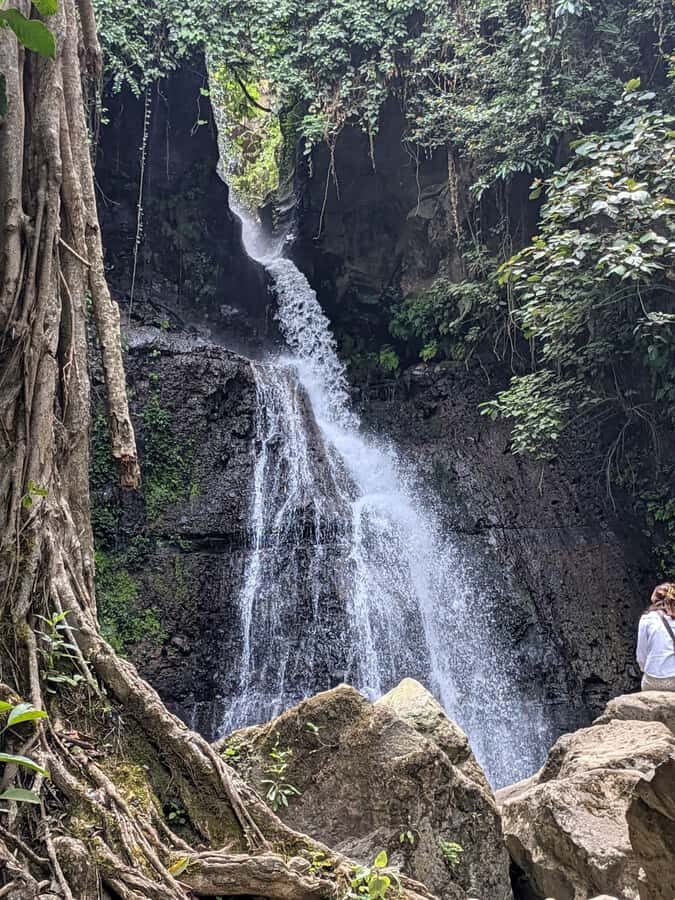
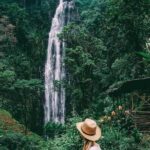
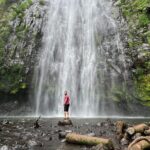
Then you head to Mangalia Waterfalls, which is the other big reason people choose this tour. Waterfall time is where you see why this part of Tanzania pulls people back: cool air, natural sound, and that quick feeling that you’ve escaped the road.
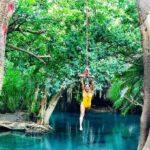
You’ll be able to admire the natural surroundings, and the tour info specifically mentions that you can even swim. If you want to do that, pack your swimsuit ahead of time—don’t rely on buying one on the spot.
There’s also a shorter hike element on the way, plus a photo stop. That matters because the waterfall portion isn’t just flat sightseeing. You’ll move enough to earn the views, but it shouldn’t eat your whole afternoon.
Swimwear reminder: wear or bring clothing that dries fast. If you plan to take photos, also think about where you’ll store your items while you’re in the water area. (A simple dry bag or plastic bag can be handy, even if it’s not listed—just keep your valuables safe.)
The small-group advantage (and why it affects your photos and pace)
This is a small group tour, limited to 4 participants. That’s not a throwaway detail. It changes how your day feels.
In a larger group, coffee explanations can turn generic, and waterfall time can feel rushed. With fewer people, your guide can slow down when someone has questions, and you can take photos without playing camera tag. The small group size also helps on uneven terrain because your guide can better manage spacing and pacing.
From the guide adaptability described by people who booked this experience, the best case is a day that actually fits your group. One example: a guide (Frank) is described as helping an 80-year-old mother get up and down from hills getting to the waterfall. That doesn’t mean every situation will match, but it signals that guides here take comfort and safety seriously when they need to.
If your group includes older adults or anyone with mobility limits, tell your guide what’s comfortable for you. A good guide will adjust where possible—especially on the short hike and photo-stop sections.
A few more Arusha tours and experiences worth a look



Price and logistics: where the $55 really goes
The tour price is $55 per person for about 4 hours, with hotel pick-up and drop-off included. You also get local snacks.
So where does the money land? A good chunk goes toward transportation (scenic drives), the guided coffee farm experience, and the guide support through both the coffee and waterfall parts. It’s a compact route, which helps if you want a meaningful cultural-nature day without losing a whole half-day to planning.
What’s extra is important. Entrance fees for the coffee farm and waterfalls are listed as $20 USD and are not included. That means your real total will be closer to $75 per person once you add that in.
Also note that meals aren’t included. The tour includes snacks, and there’s a break with picnic-like time, but you should treat this as a snack-and-drinks day rather than a full meal day. If you get hungry easily, plan to eat before you go or after you return.
What to bring so the day stays comfortable
Based on the tour’s guidance, pack for three things: walking, coffee-farm time, and possible swimming.
Bring:
- Comfortable shoes (you’ll walk on farm paths and along the way to the falls)
- Swimwear (if you want to swim at Mangalia)
- Camera (because the views and waterfall photos are the payoff)
Wear comfortable clothing suitable for walking. If it’s a sunny day, light layers help. If it’s cooler, you’ll still be in motion and working up warmth during the walking parts, so don’t overbundle.
Who this tour suits best
I think this fits best if you want a hands-on local experience without committing to a full day. It’s also ideal if you’re balancing multiple things in Arusha—like planning for a morning or afternoon with no heavy logistics.
You’ll likely enjoy it if:
- you want a real coffee farm learning experience, not just a tasting
- you want a nature break with the chance to swim
- you like small groups and a guide who can answer questions
- you’re motivated by views of Mount Meru and Kilimanjaro from scenic stops
It might not be your best match if you want a fully seated, zero-walking tour. The farm and waterfall areas include movement, and the route includes a hike/photo-stop component.
Should you book the Arusha coffee farm and Mangalia Waterfalls tour?
Yes, if you want a focused half-day that blends culture and nature in a way that feels personal. The strongest reasons to book are the coffee-to-brew learning, the option to swim at Mangalia, and the small group size that keeps your time from feeling like a conveyor belt.
Before you commit, budget for the extra $20 entrance fee, and plan around the fact that meals aren’t included—snacks and downtime are provided, but it’s not a full meal tour. If you come prepared with sturdy shoes and swimwear, you’ll get the full “coffee lesson + waterfall payoff” package.
If you’re in Arusha for only a short visit, this is one of the better ways to spend a few hours meaningfully, especially when you want both farm life and cooling waterfall scenery in the same day.
FAQ
How long is the From Arusha: Coffee Farm and Mangalia Waterfalls tour?
The tour lasts about 4 hours.
Is hotel pick-up and drop-off included?
Yes. The activity includes hotel pick-up and drop-off in Arusha.
What does the tour cost, and is anything extra?
The tour price is $55 per person. Entrance fees for the coffee farm and waterfalls are not included and are listed as $20 USD.
Are coffee snacks included?
Yes. Local snacks are included, but meals are not included.
Can I swim at Mangalia Waterfalls?
The tour information says you can even take a refreshing swim, so bring swimwear if you’d like to do that.
What language will the guide speak?
The tour includes a live guide in English and Swahili.
What should I bring?
Bring comfortable shoes, swimwear, and a camera. The tour also notes you should wear clothing suitable for walking.
Is there free cancellation and can I pay later?
You can cancel up to 24 hours in advance for a full refund. You can also reserve now and pay later.