REVIEW · ARUSHA
Arusha: 5 days Safari Trip Tarangire, Lake Manyara and Ngorongoro
Book on Viator →Operated by Beach & Safari · Bookable on Viator
Five days, big safari energy. This Northern Circuit route is built for high-impact wildlife days, with Tarangire elephants and baobabs plus Lake Manyara’s famed tree-climbing lions. I also like that you get a true Big Five target in Ngorongoro, not just a drive-by wish. One thing to plan for: you’ll spend a lot of time in the vehicle, so if you hate long drives, this trip may test your patience.
You start with a pickup from Arusha at 8:00 am, and the driver-guide handles transport and game-drive guidance. In five days you’ll also get full-board meals and overnight stays close to the parks, which keeps logistics simple when you’re already juggling early starts, dust, and cameras.
The price is solid for what’s included, especially since park fees and meals are part of the package. Still, budget for the extra Tourism Development Levy and village tax that you’ll pay at check-in, plus keep drinks and tipping in mind.
In This Review
- Key things to know before you go
- The Northern Circuit route: why this combo works
- Arusha start at 8:00 am: pickup, then straight to wildlife
- Tarangire National Park: elephants, baobabs, and strong first-day odds
- Lake Manyara’s game drives: tree-climbing lions are the star
- Mto wa Mbu pause: pool time and a Maasai boma cultural stop
- Ngorongoro Crater: your best Big Five target
- Karatu to Arusha: finishing strong without extra stress
- Guide and driving: why it changes everything
- Price and logistics: what you’re actually paying for
- What your days feel like: pace, comfort, and photo strategy
- Who should book this safari (and who might not)
- Should you book? My honest take
- FAQ
- What time does the safari start in Arusha?
- Where do you get picked up and dropped off?
- Which parks are visited on this 5-day trip?
- Is park fees included in the price?
- What meals are included?
- Is the Maasai boma visit included?
- What extra costs should I budget for at check-in?
- Are drinks included?
- What is the cancellation window?
- Is this tour private?
Key things to know before you go
- Tarangire’s elephants and baobabs: This is where the park characters show up early and often.
- Lake Manyara’s tree-climbing lions: One of the most distinctive wildlife angles on the circuit.
- Ngorongoro Crater as your Big Five day: The caldera setting makes game viewing especially concentrated.
- A real Maasai boma stop in Mto wa Mbu: Culture time is scheduled, not rushed.
- Guide quality shows up in real details: Names people highlight include Stanley, Rafael, David Lasway, Emmanuel, Peter Mali, Deo, Yusuph Athumani, Hamis, Edward, George, and Julius.
- You’ll trade speed for variety: Three major parks in a tight window means fewer travel days, more game-drive hours.
The Northern Circuit route: why this combo works
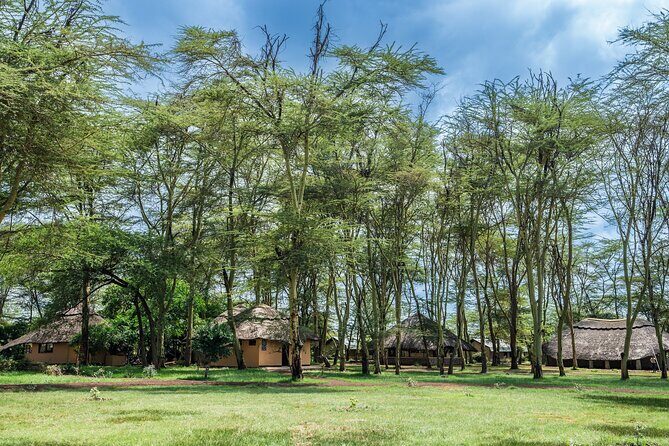
This 5-day safari packs three very different parks into one run out of Arusha. That variety matters. Tarangire gives you the classic elephant-and-baobab look. Lake Manyara brings the surprise factor with its tree-climbing lions possibility. Ngorongoro switches the feel entirely: a bowl-shaped landscape where animals often seem easier to find because you’re viewing them from one focused area.
You’re not doing a “one park, lots of hours” safari. Instead, you’re getting a best-of sampler built around big wildlife targets. If it’s your first time in Tanzania, that’s a smart way to get your bearings without waiting a whole week.
A few more Arusha tours and experiences worth a look
Arusha start at 8:00 am: pickup, then straight to wildlife
Your day begins early, with a start time of 8:00 am. Pickup is arranged from your place in Arusha or the airport, which is helpful if you’re arriving that morning and don’t want to think about getting to a meeting point.
After pickup, the trip heads toward Tarangire for your first game drive day. Early start is not just a schedule trick. Mornings tend to be when animals are most active, and you get more daylight time for spotting. If you’re the kind of traveler who likes to ease into a trip with coffee first, pack patience. This safari is designed around wildlife hours.
Tarangire National Park: elephants, baobabs, and strong first-day odds
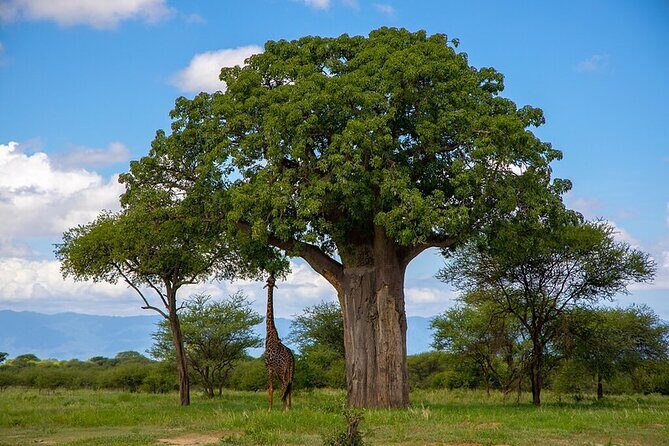
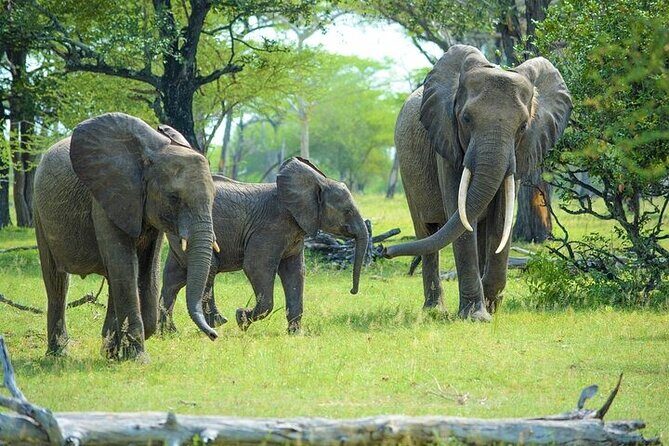
Tarangire is famous for two things you can spot fast: baobab trees and elephants. The baobabs give you that iconic, movie-poster Tanzania vibe, but the practical win is how the park’s scenery helps you track animals. When you can see big open areas and distinct tree shapes, spotting becomes easier even for first-timers.
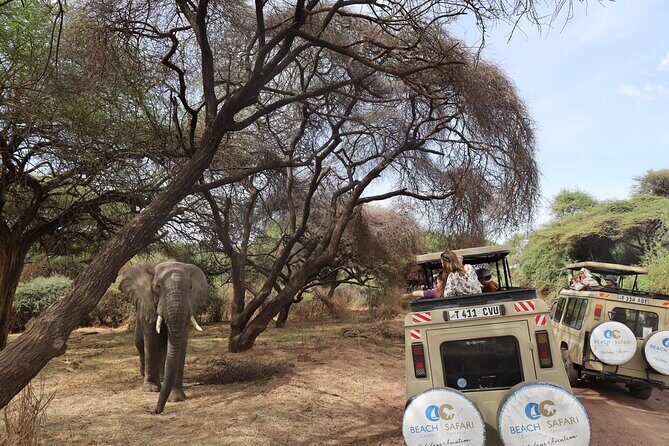
Elephants are the headline here, and the park is known for a high density of them. That matters on a safari because it reduces the risk of a slow day. Even if you’re tired from travel, you’re starting in a place where wildlife viewing is usually dependable.
A nice touch is that park fees are included. That means you’re not juggling cash, tickets, or paperwork while you’re trying to enjoy the drive.
Lake Manyara’s game drives: tree-climbing lions are the star
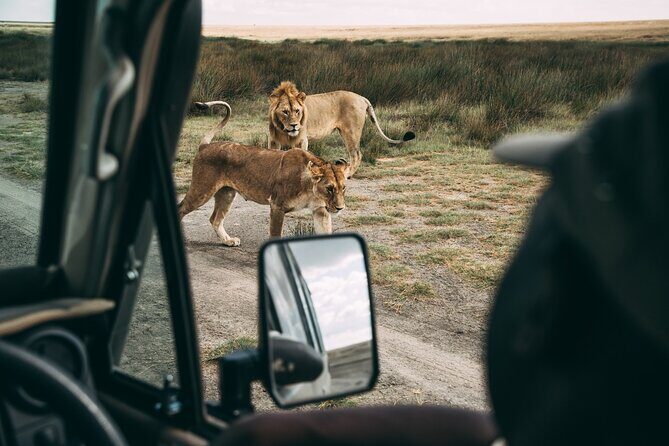
Lake Manyara is all about atmosphere and the potential for something unusual: tree-climbing lions. Not every safari will produce that exact sighting, but this park is the right place to try. The environment here feels different from Tarangire, and the terrain changes the way animals move and use space.
The practical reality: you’ll spend a full day on game drive. That’s good for wildlife odds, but bring what you need for comfort. Sun can be brutal out there, and you’ll be out for long stretches.
If you’re hoping to get photos, this is a park where early planning helps. Give yourself time for changing light. You can get gorgeous shots in the morning and later when the light shifts, but you’ll only know if you keep your camera ready and your patience active.
Mto wa Mbu pause: pool time and a Maasai boma cultural stop
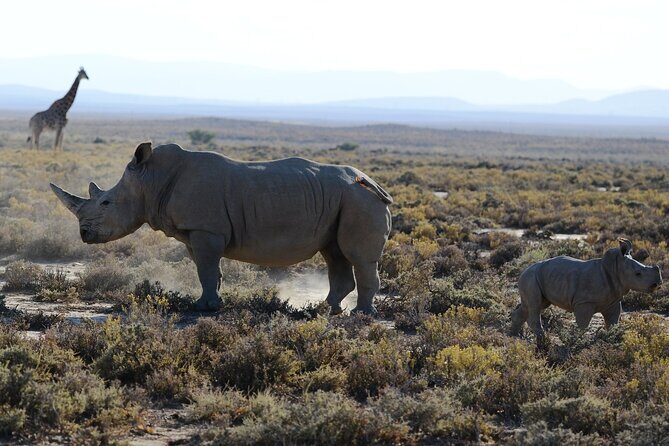
Safari days are intense. This is why I like the Mto wa Mbu break. You get time to slow down at the accommodation and handle your own recovery.
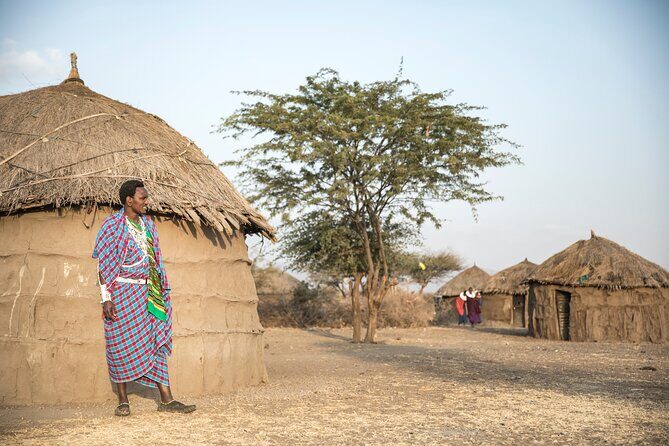
The day includes a visit to a traditional Maasai boma in Mto wa Mbu. This is scheduled as a cultural exchange, and the idea is simple: you learn about their culture, not just walk through for a quick look. It’s the kind of stop that works best when you ask respectful questions and keep your curiosity tuned in.
In this stretch, the value is balance. Your wildlife effort doesn’t stay on maximum mode every day. You get a chance to reset your body, manage laundry-level details (if needed), and prepare for the big Ngorongoro day ahead.
A few more Arusha tours and experiences worth a look

Ngorongoro Crater: your best Big Five target
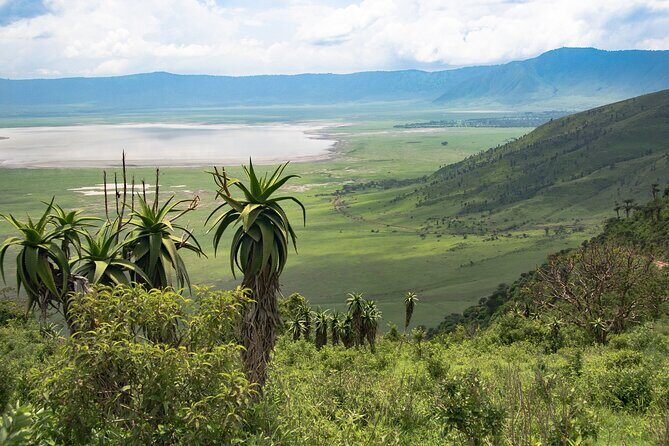
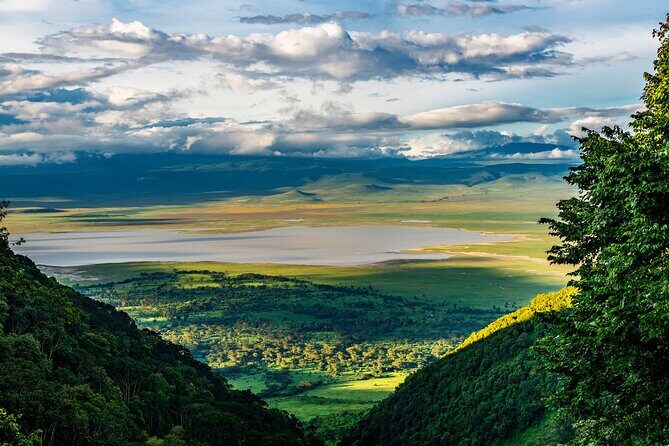
Ngorongoro Crater is built for concentration. It’s the world’s largest intact volcanic caldera, and that setting creates a viewing experience that feels different from the open plains you might know.
This is the Big Five day. If seeing those headline animals is your goal, this stop is the one you plan around. The crater funnels safari effort into a defined area, which often improves your chances of solid sightings.
Expect a full day game drive here too. That’s not a “short visit” kind of park day. You’ll want to be mentally ready for a long stretch of scanning, then suddenly reacting when something appears.
Also, this is where a skilled driver-guide pays off. People often name their guides for getting them to the right spots. You’ll see this in the kind of praise focused on animal spotting and driving confidence, including guides like David Lasway, Emmanuel, Deo, Yusuph Athumani, and others.
Karatu to Arusha: finishing strong without extra stress

After breakfast, you head back toward Arusha and the day ends with a drop-off in central Arusha, your place of stay, or the airport. The Karatu stop helps break up the return drive so you’re not stuck in one unbroken transfer.
Why this matters: you’re finishing a safari run, which means you’ll likely be tired. A smoother finish helps you avoid the “last day scramble,” especially if you’re connecting to another trip.
Even if your flight isn’t immediately after, it’s nice not to end the tour with complicated logistics.
Guide and driving: why it changes everything
On safari, the vehicle isn’t just transport. It’s your platform for wildlife spotting, your safety bubble, and your rolling classroom.
In the feedback tied to this kind of safari experience, the biggest praises often circle back to the driver-guide. People call out:
- Safe driving and feeling secure on the road
- Spotting skill, meaning animals appear sooner and more often
- Friendly explanations of what you’re seeing and why it matters
Names that come up in this broader pattern include Stanley, Rafael, Emmanuel, Peter Mali, Deo, Yusuph Athumani, Hamis, Edward, George, and Julius. Even if you don’t get the same person, the takeaway for you is clear: prioritize a guide who can scan well, explain clearly, and drive confidently.
If you want to get more value out of game drives, make it easy for them. Ask what you’re looking at, when to expect changes, and how animals typically behave in that part of the park.
Price and logistics: what you’re actually paying for
At $1,894 per person for about 5 days, this isn’t a budget safari. But it’s not just “a seat in a car,” either.
Here’s what’s included:
- Park fees
- Transport and driver-guide
- Overnight stays in unique accommodations on full board
- Meals: 4 breakfasts, 5 lunches, 5 dinners
- Maasai boma excursion
- Admission ticket coverage is listed as free for the park days in the schedule, with the Ngorongoro day marked as included
What’s not included:
- Tourism Development Levy ($1.50 pp/pn) and village tax ($1.00 pp/pn), paid at check-in
- Drinks and personal expenses
- Tips (optional, but still part of how safari culture works)
Value angle: when park fees and full-board meals are included, the total cost becomes easier to manage. You’re paying for time, organization, and access, not just transport. That’s the kind of value that matters most when you’re moving between parks and you don’t want to spend your best daylight on admin.
One note to plan for: one person flagged that lunch should be kept cool during driving. That’s not a reason to avoid the trip. It’s a cue to pack smart. Bring a reusable water bottle, consider snacks that won’t melt, and ask how meals will be handled during long stretches.
What your days feel like: pace, comfort, and photo strategy
This safari is a full-day format on the big wildlife days. That means early starts, long drives, and long periods of scanning. Your comfort comes down to your preparation more than the schedule.
Practical moves that pay off:
- Bring sun protection that you’ll actually use (hat, sunscreen, sunglasses).
- Keep a small camera/phone power plan. Cold evenings can drain batteries.
- Carry a light layer for early mornings and wind near open areas.
- Stay flexible. On safari, the best sightings often shift the plan in small ways.
If you’re doing Ngorongoro after two earlier park days, you’ll likely feel the cumulative fatigue. That’s normal. The Mto wa Mbu break helps, but your best strategy is to treat the second half of the safari as one long “focus sprint,” not a vacation nap-and-go.
Who should book this safari (and who might not)
This trip fits you best if:
- You want classic Northern Circuit parks in a tight timeline
- You care about Big Five chances and want Ngorongoro as your major target
- You like a mix of wildlife and a scheduled culture stop in Mto wa Mbu
- You prefer simple logistics: pickup, transport, park fees, and full-board meals handled
You might want a different style of safari if:
- You hate long hours in a vehicle
- You want lots of downtime with minimal driving
- You’re looking for parks beyond Tarangire, Lake Manyara, and Ngorongoro (this route is focused)
Most travelers can participate, and the experience is private for your group, so it’s good if you want your own rhythm without merging into a crowded group.
Should you book? My honest take
If your goal is a high-impact safari that hits Tarangire, Lake Manyara, and Ngorongoro within 5 days, I think this is a strong pick. You’re paying for organization, included park fees, full-board meals, and a wildlife-first route built around big viewing targets.
I’d book it if you can handle the vehicle time and you’re excited about the combination of wildlife and Maasai culture. I’d think twice if you’re very sensitive to long driving days or you prefer a more relaxed, slow-travel format.
FAQ
What time does the safari start in Arusha?
The start time is 8:00 am.
Where do you get picked up and dropped off?
Pickup and drop-off are arranged in Arusha, either from your place of stay or the airport, and the return drop-off can be in central Arusha, your place of stay, or the airport.
Which parks are visited on this 5-day trip?
The safari covers Tarangire National Park, Lake Manyara National Park, and Ngorongoro Crater, with a stop in Mto wa Mbu for the Maasai boma visit.
Is park fees included in the price?
Yes. Park fees are listed as included.
What meals are included?
The package includes 4 breakfasts, 5 lunches, and 5 dinners, with overnight stays on full board.
Is the Maasai boma visit included?
Yes. A visit to a traditional Maasai boma is included.
What extra costs should I budget for at check-in?
You’ll pay a Tourism Development Levy of $1.50 per person per night and a village tax of $1.00 per person per night at check-in.
Are drinks included?
No. Drinks and personal expenses are not included.
What is the cancellation window?
You can cancel up to 24 hours in advance for a full refund.
Is this tour private?
It’s private for your group, meaning only your group participates.