REVIEW · ARUSHA
8 Days Great Migration – Grumeti River
Book on Viator →Operated by Ensembles Explores Adventures · Bookable on Viator
Expect the river crossing fast.
This safari is built around the Great Migration at the Grumeti River and pairs it with classic Northern Tanzania parks, so you’re not stuck waiting for one moment. If you time it for May–July, the wildebeest action is the headline—and the rest of the route keeps the wildlife pace high.
I love the unlimited mileage for animal searching. You’re not boxed into a strict number of kilometers, so your driver can keep working the sightings when the day gets good. I also love the guide approach: the professional team is there to answer questions and guide your eyes, not just drive from stop to stop.
One consideration: there are mixed service reports in the wild, including an account about being left stranded in Ngorongoro and an allegation tied to an advance-payment request involving a person named Godfrey. If you book, I’d confirm payment timing, pickup details, and what happens if plans change—then get that in writing.
In This Review
- Key highlights worth your attention
- Great Migration at Grumeti: what you’re really signing up for
- The open-roof 4×4 + unlimited driving that can change your day
- Tarangire National Park: elephant density and river-gathering energy
- Lake Manyara and Mto wa Mbu: culture in the morning, birds in the afternoon
- Serengeti arrival with Maasai culture: positioning for the crossing
- The full-day Serengeti run: following the clockwise herds
- Central Serengeti game drives: lions and leopards without the guesswork
- Ngorongoro Crater finale: the animal bowl and the rare black rhino angle
- Food, water, and comfort: full board and packed lunches done right
- Price and logistics: what you’re paying for at $4,984.62
- Mixed reports and how to book with confidence
- Who this safari is best for
- Should you book this Grumeti River Great Migration safari?
- FAQ
- What time does this safari start?
- How many days is the tour?
- Which parks and areas are included?
- What is the group size?
- What vehicle is used for the safari?
- What is included in the price?
- Is unlimited driving included?
- When is the best time to see the Grumeti River crossing?
- What’s not included?
- Can I cancel for a full refund?
Key highlights worth your attention
- Unlimited mileage driving so sightings drive the schedule, not the other way around
- Open-roof 4×4 safari setup for better viewing and easier photos
- May–July Grumeti River crossing focus, when crocodiles and fast water shape the drama
- Small group size (max 6) for a calmer, less chaotic game-drive feel
- Mto wa Mbu walking culture stop alongside Lake Manyara wildlife
- Ngorongoro Crater endgame with a strong Big Five mix and talk of black rhino presence
Great Migration at Grumeti: what you’re really signing up for
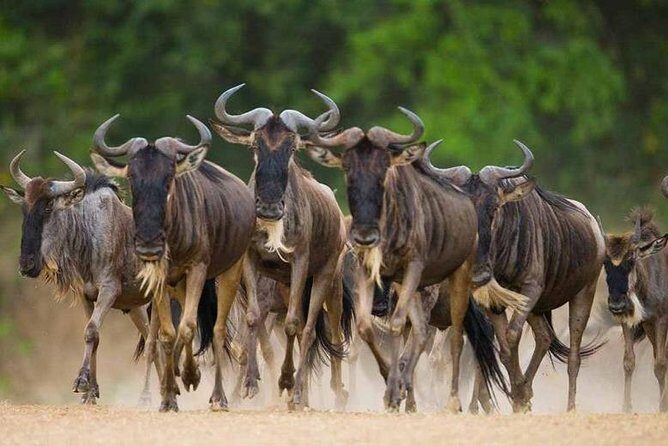
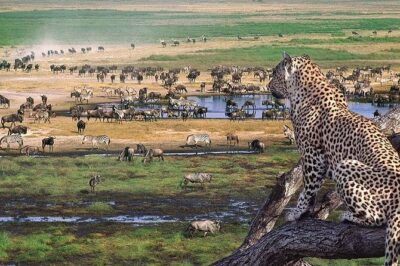
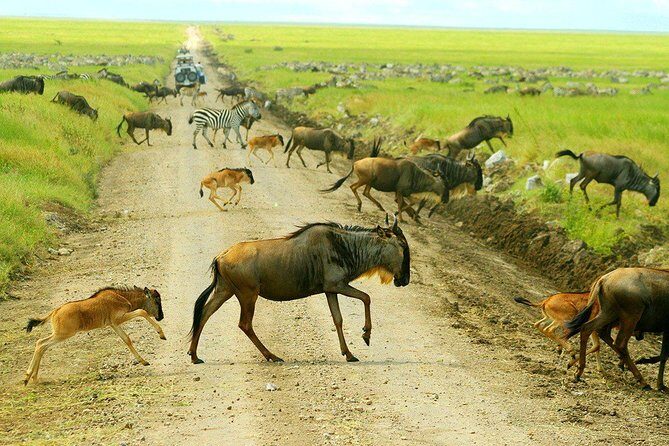
The headline is the wildebeest crossing in the Serengeti area along the Grumeti River. The tour is timed to the window when the herds are moving through this region between May and July, and that’s the sweet spot if your goal is to see the river crossing drama.
This kind of crossing is never tidy. The herds have to get past crocodiles and fast-flowing water, and then they still have to deal with predators on the far side. That means your best viewing is often about patience and positioning—your guide matters here because they help you read where animals are likely to move next.
Also note the pacing: you’re not just doing one short drive and calling it done. The safari includes full-day tracking opportunities in the Serengeti, which is the difference between seeing wildlife and actually seeing movement.
You can also read our reviews of more tours and experiences in Arusha.
The open-roof 4×4 + unlimited driving that can change your day
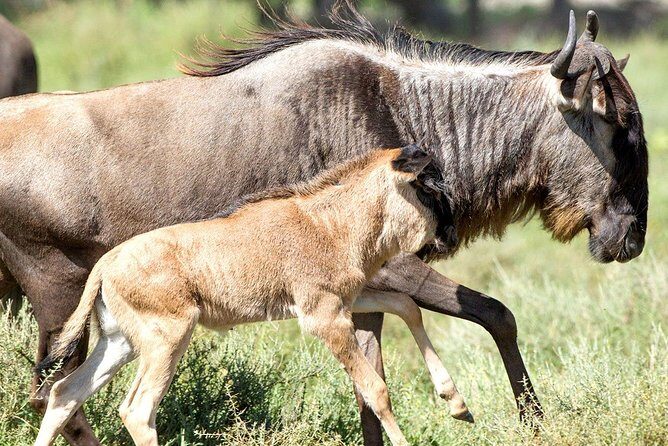
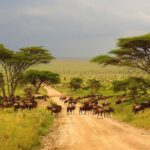
Game drives can go two ways: you see a lot from the start, or you spend time waiting for something to happen. This package is designed to reduce that “waiting game” with unlimited mileage driving. When the driver spots signs—dust on the plains, a line of birds, fresh movement—there’s room to react.
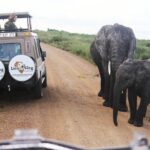
You also get a 4×4 vehicle with a pop-up open roof for the safari. That matters more than it sounds. On an open roof you can lift your camera higher, scan faster, and get clearer lines through acacia branches. It also makes your guide’s work easier, since spotting and pointing is more visible from different angles.
Finally, your guide is a big part of the value. The tour description emphasizes that the team is professional, experienced on the African savanna, and willing to answer questions. On safari, that turns into practical help: you’ll understand why animals are where they are, not just what they are.
Tarangire National Park: elephant density and river-gathering energy
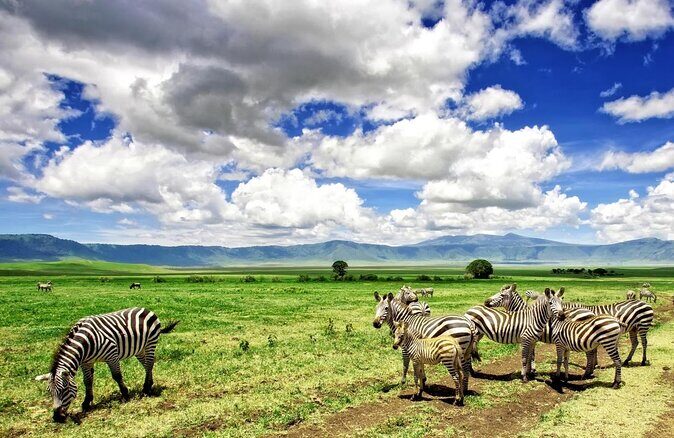
Tarangire is the opening act for good reason. It’s described as having the largest concentrations of elephants in the world, and it’s also known for strong birdlife—especially during the dry season. That dry-season note matters, because that’s when water sources concentrate animals and you tend to get more consistent sightings.
Your day starts with an early breakfast and then a drive into the park with a packed lunch for a game drive day. This setup is built for maximizing daylight time in the field, not shuffling you around at the pace of a late start.
What you can look for here includes big mammals like lions, cheetahs, and leopards, plus species that are easier to miss on other routes: kudu, oryx, and gerenuk are specifically called out. Tarangire River herds—wildebeest, zebras, and gazelles—draw in predators, so your guide can often run a “who’s chasing what” pattern as the day goes.
A practical tip: if you care about wildlife photography, the morning light in Tarangire is often kinder for elephants and birds than the harsher midday sun. Even with an open roof, you’ll want to keep water and sun protection handy.
Lake Manyara and Mto wa Mbu: culture in the morning, birds in the afternoon
Lake Manyara is paired with a walking tour in Mto wa Mbu, a farming town known for a mix of more than 120 tribes from across Africa. This isn’t just a quick photo stop. The walk includes visits tied to local life: rice and banana plantations, a local beer factory, a school, and a carving factory.
If you’ve only seen Tanzania through safari vehicles, this portion helps you get your bearings fast. You learn how people live day-to-day in and around the conservation zones you’ll later drive through. Even if you’re not looking for a history lecture, you’ll likely enjoy how personal and hands-on the stops feel—especially the plantations and craft side.
After that, you continue to Lake Manyara National Park. Lake Manyara is described as known for a soda lake with pink-hued flamingos, a strong baboon population, and incredible birdlife with big scenic views. The animal mix listed includes giraffes, elephants, hippos, and buffalo.
One reality check: birdlife and flamingos can be weather- and water-level dependent. If conditions aren’t perfect, you’ll still have strong chances for baboons and other mammals, but your exact flamingo show might vary.
Serengeti arrival with Maasai culture: positioning for the crossing
Serengeti is where your trip becomes about movement. On the way in, there’s a stop at a Maasai village to get insight into lifestyle. This is one of those moments where you can ask questions and learn cultural context before you go back to scanning for animals.
Once you arrive, you get a picnic lunch and then a game drive. The crossing focus is tied to this zone of the Serengeti along the Grumeti River between May and July. This is where the herds’ timing and route choices shape what you see.
The tour’s wording is clear about the stakes: herds must outsmart crocodiles and fast-flowing water before facing predators. In plain terms, your guide’s job is to put you at the right place at the right time, and that can mean being flexible about where you stop and how long you wait.
If you’re a first-time safari person, this day can set expectations. Don’t assume animals will line up on demand. Think of it as building your “migration eyes”—learning how to spot the signs that herds are about to move.
The full-day Serengeti run: following the clockwise herds
The next Serengeti day starts early so you can be on the plains with the herds. You’ll depart your lodge in the morning for a full day moving with the herds, and your goal is to see the migration patterns as they travel in a clockwise circle every year.
That clockwise detail is useful because it frames why you’re not just driving around randomly. Your driver is trying to stay aligned with the seasonal rhythm of movement. When it clicks, the experience can feel like you’re watching a living conveyor belt of life—herds moving, predators waiting, birds orbiting, and the whole system responding minute by minute.
This is also where the Big Five promise comes up. The description notes that if you want a real shot at spotting Big Five (lion, elephant, leopard, rhino, and buffalo) all in one park, Serengeti is the place to chase that dream. Your odds will always be part chance, part timing, part guide skill, but this tour is built to maximize time where those chances live.
One practical benefit of the day structure: by returning for dinner and overnight, you don’t end up exhausted from endless driving. The lodge views over the Serengeti are mentioned too, which matters because it’s nice to decompress while the memory of the plains still feels fresh.
Central Serengeti game drives: lions and leopards without the guesswork
On the third Serengeti day, you focus on the central part of the park. This area is specifically described as famous for the abundance of lions and leopards that you can usually see quite easily.
Central Serengeti is also presented as strong all year round, which is great if your travel dates fall outside the narrow window you’re hoping for. Even when the migration action is the main draw, it’s reassuring that you still have a solid wildlife engine running.
You’ll enjoy game drives with views of endless plains and the chance at animals listed including cheetahs, elephants, giraffes, hippos, ostrich, and pangolin. Pangolin is the kind of “harder to see” animal that you’ll be happy to have on your checklist, because spotting one can happen faster than you’d expect when the habitat lines up.
For this day, I’d treat it like a photography and patience day. Since the lions/leopards theme is more consistent here, you can slow down when your guide finds fresh sign and keep scanning with purpose instead of rushing to the next spot.
Ngorongoro Crater finale: the animal bowl and the rare black rhino angle
Your last major game drive is at Ngorongoro Crater. The description says it shelters close to 30,000 animals and includes Big Five. That’s the kind of number that can sound abstract until you’re looking down into the crater bowl and realize how much life packs into one place.
The list of animals mentioned is long and specific: zebras, buffaloes, lions, wildebeest, baboons, elephants, flamingos, ostriches, hippos, cheetahs, and the rare black rhino. The crater is also described as surreal, with dancing clouds and dramatic colors, and it’s noted as one of Africa’s Seven Natural Wonders.
How this plays for you: Ngorongoro often gives you dense wildlife viewing from one region, so your guide doesn’t have to travel endlessly to find action. Instead, your job as a viewer becomes scanning different levels of the crater floor—where movements might start small and then turn into a full scene.
This is also a meaningful “finish strong” stop. If the migration crossing was the emotional high point earlier, Ngorongoro becomes the final proof that Tanzania’s wildlife story isn’t just about one river moment. It’s bigger than that.
Food, water, and comfort: full board and packed lunches done right
You’ll have full board accommodation for the nights described on the route, plus unlimited drinking mineral water during the safari. That’s a practical inclusion. On long drive days, having water sorted reduces one more decision you don’t need to make.
Packed lunches are specifically mentioned on safari driving days, and that’s a big deal for game viewing. It means you’re not losing prime animal hours to long lunch breaks away from the field.
Accommodation is listed as Recommended Accommodation, but no specific lodge names are provided in the details. That’s not unusual for safari packages, yet it does mean you should expect the style and location to match the route and timing—not a guaranteed exact brand unless you confirm the final hotel/camp names after booking.
Price and logistics: what you’re paying for at $4,984.62
At $4,984.62 per person, this isn’t a budget safari. The price makes sense only if the inclusions match what you care about.
Here’s where the value comes from:
- All park entrance fees for the national parks
- Transport in a 4×4 with pop-up open roof for the entire safari
- Full board accommodation
- Professional guide with wildlife knowledge
- Unlimited driving mileage
- Government taxes
- Unlimited mineral water
Those items add up fast if you tried to build the trip yourself or piece it together with separate vehicles and separate bookings.
Two things to double-check before you commit:
1) The title says 8 days, but the listed duration is about 6 days. That mismatch is worth asking about directly so you know what’s included in the extra days (or if it’s a naming difference).
2) The tour is set for a 7:30 am start time, so your first day will feel early. If you hate early mornings, you’ll want to prepare your sleep schedule before arrival.
Also, tips, travel insurance, and international flights aren’t included. So even with a strong “everything packed in” setup, plan a little extra budget for that human side of safari guiding.
Mixed reports and how to book with confidence
A good safari depends on more than animal sightings. It depends on operations: pickup timing, driver continuity, and how issues are handled if the day runs into a snag.
There’s at least one serious negative account floating around about a problem in Ngorongoro, and a second account includes an allegation about a payment situation involving someone named Godfrey. The provider also issued a response apologizing and saying Godfrey is only part of the company, along with mention that other people may have been affected.
I’m not here to diagnose what happened. What I am saying is this: when a safari cost is high, I treat booking like a contract, not a vibe. Before you pay, ask for clear written confirmation of:
- pickup timing and your meeting point plan
- the places you’ll stay (actual camp/lodge names)
- what happens if a vehicle or guide change becomes necessary
And for your own protection, keep receipts and messages in one folder. If something goes wrong, you want a paper trail that makes it easy to fix the issue fast.
Who this safari is best for
This is a great fit if you want the migration story with real time on the plains, not a quick glimpse. It’s also a solid choice for people who value small group pacing since the group size is listed at maximum 6 travelers.
If you’re visiting Tanzania for your first safari, the structured flow helps. You start with Tarangire’s elephant focus, add Lake Manyara’s birds and culture at Mto wa Mbu, then move into Serengeti’s migration chase, ending with Ngorongoro’s dense “animal bowl” finale.
If you hate long drives or want frequent hotel downtime, you might find the schedule demanding. Safari days in Northern Tanzania are long because the wildlife is spread out and because the best viewing often needs early starts.
Should you book this Grumeti River Great Migration safari?
I’d book it if your travel window matches May–July and you want a migration-centered trip where unlimited mileage and an open-roof 4×4 give your guide room to chase real sightings. The day structure in Serengeti—especially the early full-day tracking—supports the goal of seeing the herd movement, not just the park name.
I’d hesitate if you’re sensitive to operational risk and you can’t confirm the key details in advance. With a safari of this cost, you should ask the hard questions: clear pickup plan, confirmation of accommodations, and payment timing that feels transparent to you.
If you want, tell me your exact travel month and whether you’re more excited by migration crossings or big cats. I can help you judge if this route’s balance matches your style.
FAQ
What time does this safari start?
The start time listed is 7:30 am.
How many days is the tour?
The tour is described as 8 days in the title, but the duration is listed as approximately 6 days. It’s worth confirming the exact schedule you’ll receive.
Which parks and areas are included?
The route includes Tarangire National Park, Lake Manyara National Park (with a stop in Mto wa Mbu), Serengeti National Park (multiple days), and Ngorongoro Crater.
What is the group size?
The tour has a maximum of 6 travelers.
What vehicle is used for the safari?
You’ll travel in a 4×4 vehicle with a pop up open roof for the entire safari.
What is included in the price?
The package includes transport, all park entrance fees for the national parks, full board accommodation as mentioned, unlimited mineral water, government taxes, and a professional English-speaking guide.
Is unlimited driving included?
Yes. Unlimited mileage driving is included during your entire trip.
When is the best time to see the Grumeti River crossing?
The Great Migration crossing in this area is expected between May and July.
What’s not included?
Tips, travel insurance, and international flights are not included.
Can I cancel for a full refund?
Yes. Free cancellation is offered up to 24 hours in advance for a full refund. If you cancel less than 24 hours before, the amount paid is not refunded.