REVIEW · DAR ES SALAAM
5 Days Selous/Nyerere & Mikumi NP Game drive, Maasai and Walking
Book on Viator →Operated by SMILE WITH US TOURS IN AFRICA · Bookable on Viator
This safari starts before sunrise, and it pays off. You get a rare slice of southern wilderness with long game-viewing days plus a real walking component, not just jeep time. My favorite part is that you sleep in or near the parks, so the day doesn’t feel like a constant drive-and-repeat routine. The only real drawback to plan for is the early mornings and long hours in the vehicle between areas.
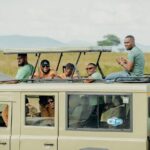
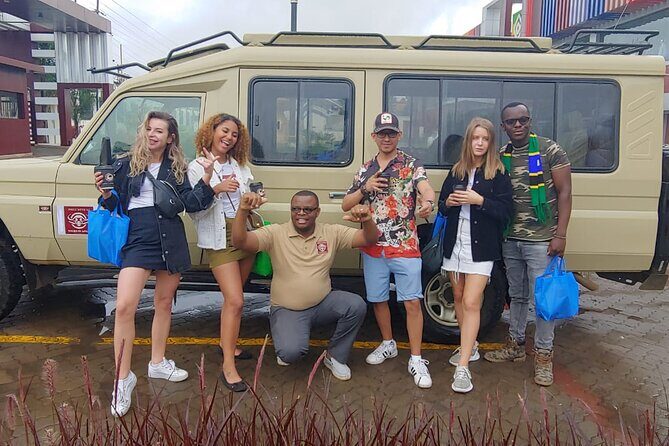
I also like how this is set up as a private tour for up to 7 people, with pickup offered from Dar es Salaam. Smooth communication and strong guiding show up repeatedly, including names like Jacob, Izaak, Kassim, Said, Tony, and Anthony, plus drivers such as Sixmund, Joachim, and Salum who focus on safety and spotting.
In This Review
- Key highlights to know before you go
- Southern Circuit in 5 days: what makes this route feel classic
- Dar es Salaam pickup and the calm start you want
- Day 1 in Mikumi: picnic road time, then sleeping inside the action
- Udzungwa (Sanje waterfall): hiking time that feels like a reset button
- Day 3’s Selous drive: long hours, but it sets up the river safari
- Day 4 in Selous/Nyerere: game drive meets Rufiji boat time
- Day 5: sunrise bush walking, then back to Dar es Salaam (or onward)
- Price and value: what you’re paying for in this private setup
- Guides, drivers, and safety: the human side of a smooth safari
- What to pack for Mikumi, Udzungwa, and Selous boat time
- Is this safari for you?
- Should you book this 5-day Selous/Nyerere and Mikumi safari with Udzungwa?
- FAQ
- Where does this safari start and where does it end?
- Is this a private tour, and how many people can go?
- What kind of wildlife viewing and activities are included?
- How early do you start each day?
- What’s included for meals?
- What are the cancellation rules if plans change?
Key highlights to know before you go
- Sleeping inside Mikumi: Staying at Mikumi Park cottage inside the park helps you start seeing animals with less rushing.
- Sanje Waterfalls walk in Udzungwa: A guided trek to Tanzania’s highest Sanje waterfall, with a chance to swim in natural pools.
- Selous by jeep and boat: A mix of game drives plus 2–3 hours on the Rufiji River for birds and big animals along the banks.
- Sunrise bush walking: A 2–3 hour walk at dawn (usually leaving 6:00–6:30) that trades spectacle for close-up nature.
- Private pace with fewer crowds: You’re not sharing the day with a mass safari truck lineup.
Southern Circuit in 5 days: what makes this route feel classic
If you’ve only done the mainstream northern safari circuit, this feels different in the best way. Mikumi is big and open, Udzungwa is green and rugged, and Selous/Nyerere adds that wild, river-heavy “real Africa” feeling. The timing matters too: you do some of your best searching at daybreak, then shift to forests and water later.
What I like most is the variety of habitats in a short trip. You’re not just chasing big cats from one landscape type. You’ll do flood plains in Mikumi, rainforest hiking around Udzungwa, then the Rufiji River ecosystem in Selous/Nyerere, where birds and animals gather where water is.
The other key thing: this trip is built for movement, not rest days. If you hate being in a vehicle for hours, you’ll feel it. But if you can roll with early starts and long drives, the payoff is real.
You can also read our reviews of more walking tours in Dar es Salaam
Dar es Salaam pickup and the calm start you want
The safari starts and ends in Dar es Salaam, and pickup is offered. That sounds basic, but it’s a big deal on a trip like this because the first day quickly becomes a full day of travel + first wildlife time. Having someone handle the handoff keeps you from wasting your energy figuring things out.
You also get a clear rhythm from the start time noted as 5:00 am. On a safari, that’s when your day is most likely to produce animals, birds, and good light for viewing. If you’re used to late starts on vacation, pack a bit of flexibility into your mindset.
Day 1 in Mikumi: picnic road time, then sleeping inside the action
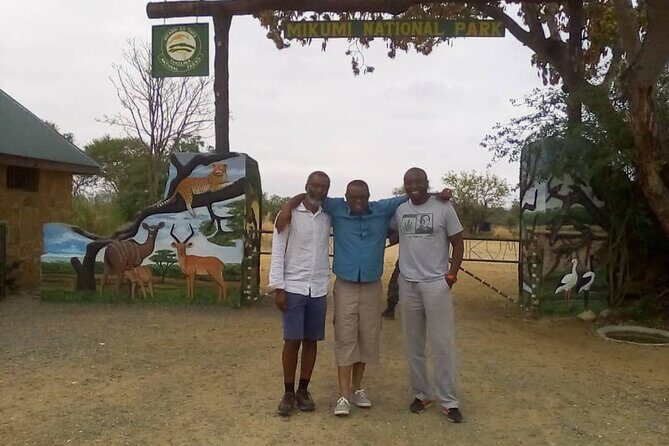
Day 1 is about getting you into position fast, then turning the first wildlife time into something you can actually enjoy. You’ll spend time at Selous Game Reserve, then use Mikumi as your wildlife base.
There are long travel stretches (the plan repeatedly mentions around 6–7 hours of driving with picnic lunches along the way). The good part is that this is not “drive through scenery forever” time. It’s moving you through less visited areas so you’re not just joining the same pile-up of vehicles.
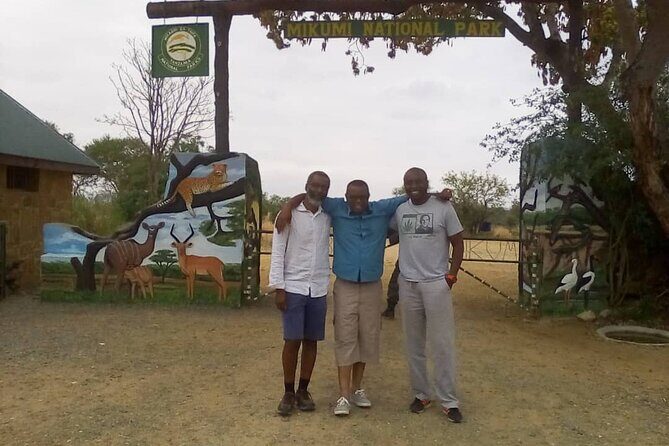
Then you sleep at Mikumi Park cottage inside the park, which is a smart setup. When you’re inside the park, you’re closer to the rhythms of wildlife. You’re also not waking up and immediately starting another long slog before you’ve even seen animals.
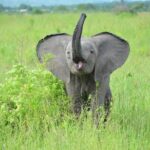
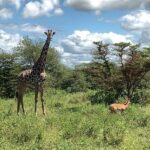
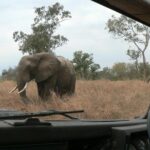
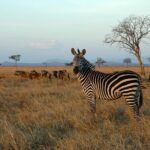
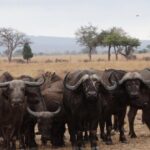
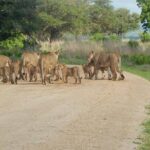
In Mikumi, the plan focuses on the flood plain and mountain ranges—exactly the kind of setting where you often spot large herbivores and the predators that follow. Expect species mentioned such as elephants, giraffes, buffalo, zebra, wildebeest, eland, impala, waterbuck, reedbuck, warthog, and yellow baboons, plus lions and hyenas. Even the elephant note is practical: the Mikumi elephants are described as mainly grazers and not causing damage, which can help you feel more at ease around large wildlife in camp.
Udzungwa (Sanje waterfall): hiking time that feels like a reset button
Day 2 shifts gears. You start early, do morning game viewing, then head toward Udzungwa Mountains National Park and Sanje Waterfalls. The schedule is built so you don’t waste the best light for wildlife: you’ll be out on a game drive before breakfast and before about 8:40 am, then you move to hiking.
Once you reach Udzungwa, you’ll meet your guide/rangers for the trek. The plan calls out a hike up to the Sanje waterfalls, looking for monkeys, enjoying forest walks, and using the natural plunge pools. You can even swim in the natural pool at Sanje, so bring swim gear if you like being active.
This is the day that turns the safari from animal spotting into something more physical and sensory. You’ll be listening for calls in the forest, watching for movement in trees, and walking through the kind of terrain where spotting isn’t guaranteed but the experience is still worth it. And because Udzungwa is known for hiking, trekking, and forest walks, this day avoids the “do a short walk for a photo and rush back” feel.
Drawback to consider: it’s an intense day. You’ll combine early morning wildlife time, a transfer, then hiking. If your legs don’t like sudden changes in tempo, you’ll want to pace yourself at the waterfall approach.
After hiking, you descend and return to Mikumi, staying at Camp Bastian for the night. It’s a good reset that keeps the route logical.
Day 3’s Selous drive: long hours, but it sets up the river safari
Day 3 is a long transition day: after breakfast, you drive to Selous Game Reserve, with the plan estimating 7–8 hours of travel. There’s a picnic lunch en route, and meals plus overnight are at an African safari camp.
This kind of day can feel heavy on paper, but on safari it often plays a role in your wildlife success. More time on the road can mean you arrive before the animals’ day rhythms shift. Also, the route is described as passing through unexplored and untouched areas, which is exactly what you want when you’re hunting for that “not crowded” feeling.
If you’re prone to motion sickness, take it seriously here. It’s not a quick shuttle day. The upside is that once you settle in, the next day is built around river and boat time, where seeing animals can feel easier because the river concentrates life.
A few more Dar es Salaam tours and experiences worth a look
Day 4 in Selous/Nyerere: game drive meets Rufiji boat time
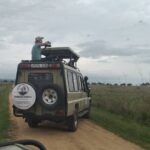
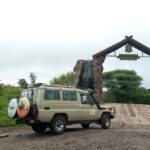
Day 4 is where the Selous/Nyerere magic really comes into focus. You spend the day on game viewing, then in the evening you do a boat safari for 2–3 hours on the Rufiji River.
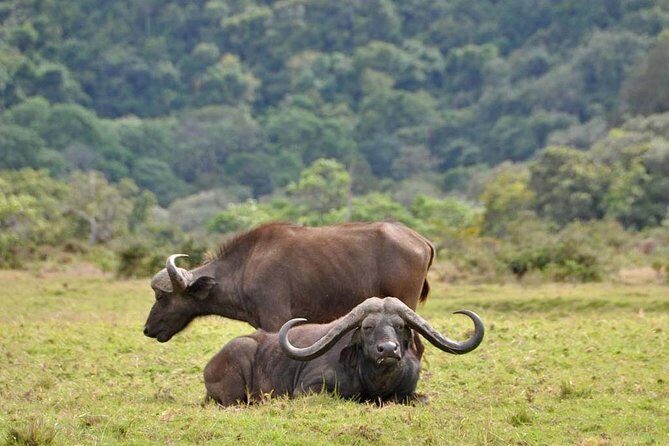
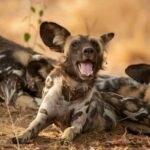
The plan calls out a guide who points out rare species, including mentions such as wild dogs, sable antelopes, black rhinoceros, Nile crocodiles, hippopotamus, and Cape buffalo. Even if you don’t see every single one, the important part is that the safari isn’t only about open grassland. Selous gives you a river edge, and river edges are where you often get repeated sightings—hippos where they rest, crocodiles along banks, and predators that work the margins.
Bird lovers have a special reason to love this day. The plan says Selous has over 350 bird species and that the river is where they congregate in open conditions, so you’re more likely to see them without needing to crane your neck in dense cover all day.
You’ll also hear about fish time: the plan notes the chance to try your luck with tiger fish and catfish. Even if you’re not focused on fishing, it tells you something important: this river ecosystem is productive, and that’s why the animal activity stays strong.
Practical note: boat safari time usually means warm air, dust off your clothes earlier, then cooling evening air. Wear breathable layers and keep your essentials in a waterproof way.
Overnight for Day 4 is at African safari hotel.
Day 5: sunrise bush walking, then back to Dar es Salaam (or onward)
Your final day starts gently compared with earlier hiking and driving. You’ll have breakfast at the camp, then go on a sunrise bush walking.
The plan describes walking safaris as a way to get close to nature and learn about smaller species and the bush itself. Expect roughly 2–3 hours of walking, typically leaving around 6:00–6:30 am after a cup of tea and some home-made biscuits or doughnut. That’s a nice touch because it signals you’re not rushing out on empty stomachs—small comfort, big difference when you’re walking early.
Then you return for breakfast and head back toward Dar es Salaam. The plan gives you two options: drive back, or take a boat to Zanzibar. Even if you choose the Dar es Salaam route, that flexibility matters because it lets you connect your safari finish to beach time.
Price and value: what you’re paying for in this private setup
This safari is priced at $9,871.80 per group for up to 7 people. That matters because the price is for the whole private group, not per person in the open-market sense.
If you fill all 7 spots, you’re looking at roughly $1,411 per person. If it’s fewer people, the per-person cost rises, since the group cap is 7. Either way, you’re not paying just for a checklist of parks—you’re paying for private guiding, park time across multiple ecosystems, and a mix of activities that would be harder to stitch together yourself in southern Tanzania.
Where the value shows up:
- Private pacing that helps avoid the frantic jeep herding feeling.
- Morning-focused wildlife timing, including game drives before the late-morning lull.
- Boat safari time on the Rufiji, which is a distinct experience from a standard day in a vehicle.
- Two activity styles beyond classic game drives: Sanje waterfall hiking and sunrise walking safaris.
What you may want to check with yourself before booking: can you handle the long vehicle hours? This itinerary is built for movement. If you want a safari with lots of downtime and short transfers, this one may feel too “on the go.”
Guides, drivers, and safety: the human side of a smooth safari
A safari can be great or frustrating depending on who’s driving and how the schedule is managed. This operator’s team approach appears consistent in the way people describe communication and on-the-ground handling, with staff names like Jacob and Izaak showing up in coordination, and guides/driver names such as Kassim, Said, Tony, Joachim, Anthony, Allen, and Sixmund.
The best practical takeaway for you: on a private safari, you’re not stuck with a rigid plan. Your guide can usually adjust based on wildlife activity and your interests—like birding—because they have the freedom of a private group.
You should also expect a driver who takes safety seriously, especially on river crossings, bumpy tracks, and dawn drives. Several named drivers are praised for professionalism and for making people feel safe. That matters because in the bush, confidence from the driver can make the whole trip feel calmer.
What to pack for Mikumi, Udzungwa, and Selous boat time
Based on what’s built into this plan, pack like you’re doing three different trips in one.
- For early mornings: warm layer for 5:00 am starts, plus a hat and sunscreen.
- For Udzungwa hiking to Sanje: sturdy shoes with grip, light rain protection, and swimwear if you want the natural pool option.
- For Selous boat safari: something you can get dusty or damp, plus a dry bag or waterproof pouch for your phone/camera.
- For general safari comfort: water, snacks, insect protection, and a small power setup for charging between stops.
One small item you should plan for: the plan notes restroom on board is not included. That’s normal for safari vehicle setups, but it’s good to know so you don’t get stuck hoping for a stop.
Is this safari for you?
This is a strong match if you want:
- Private, guided wildlife time with a slower feel than big shared groups.
- A mix of jeep safari, boat safari, hiking, and walking.
- Wildlife variety across Mikumi flood plains, Udzungwa forests, and the Rufiji River.
It’s a weaker match if you:
- Really dislike early mornings and long drives.
- Prefer a single style of activity (like only game drives).
- Want easy logistics with fewer moving parts.
If you’re a bird fan, this route also has built-in advantages because the boat day is specifically framed for bird viewing.
Should you book this 5-day Selous/Nyerere and Mikumi safari with Udzungwa?
If you want a classic southern circuit safari that includes more than the standard jeep routine, I’d say it’s worth serious consideration. The combination of staying close to wildlife areas, adding Udzungwa hiking to Sanje Falls (with a swimming option), and finishing with a sunrise walking safari gives the trip a shape that feels full, not repetitive.
Book it if you can handle intensity: long drives, dawn starts, and active days. Skip it if you’re looking for a slow, lounging vacation.
FAQ
Where does this safari start and where does it end?
It starts in Dar es Salaam and the trip also ends there, with an option on the last day to take a boat to Zanzibar instead.
Is this a private tour, and how many people can go?
Yes, it’s private—only your group participates, with the group size listed as up to 7 people.
What kind of wildlife viewing and activities are included?
You’ll do game drives in Mikumi/Selous areas, a guided hike to Sanje Waterfalls in Udzungwa (with a natural pool swim option), a boat safari on the Rufiji River for 2–3 hours, and a sunrise bush walking safari of about 2–3 hours.
How early do you start each day?
The plan notes a start time of 5:00 am, and the sunrise walking safari typically leaves around 6:00–6:30 am. The morning game drive is also scheduled before breakfast early in the day.
What’s included for meals?
Lunch is listed for 5 days, breakfast for 5 days, and dinner for 4 days.
What are the cancellation rules if plans change?
You can cancel up to 3 days in advance for a full refund. If you cancel less than 3 days before the experience start time, the amount paid is not refunded.