REVIEW · ARUSHA
5 day safari Tarangire Serengeti and Ngorongoro crater
Book on Viator →Operated by Bestday Safaris · Bookable on Viator
Elephants first, rhinos last, and good guides throughout. What makes this 5-day safari exciting is the clear, park-to-park rhythm, plus the chance to get great sightings without feeling rushed. I love the hot showers and self-contained comfort in the camps and lodges after long days on the road. I also love the private safari setup, so the drive and game-drive stops feel tuned to your group and your guide’s spotting skills.
One consideration: this experience requires good weather. If conditions are poor, it may be canceled and you’ll be offered a different date or a full refund.
In This Review
- Key things I’d circle before you go
- The “big three” parks, packed into five days
- Your private safari rhythm (and why it matters)
- Day 1: Tarangire National Park and the elephant-water magnet
- Day 2: Serengeti arrival via Karatu farmland and the Ngorongoro Conservation Area
- Day 3: A full Serengeti game-drive day built for predators and action
- Day 4: Morning Serengeti, then down to Ngorongoro
- Day 5: Ngorongoro Crater—30,000 animals, black rhino, and a packed food web
- Comfort on safari: self-contained rooms and hot showers
- Food, timing, and what’s actually included
- Price and value: what $2,211.29 buys you (and what to budget for)
- Guides can make or break your sightings
- What kind of traveler this suits best
- Should you book this 5-day Tarangire Serengeti and Ngorongoro safari?
- FAQ
- What parks are included in this 5-day safari?
- When does the safari start, and where is the meeting point?
- How long is the safari?
- Is this tour private?
- Are park fees and admissions included?
- What meals are included?
- What about accommodations during the safari?
- What is not included in the price?
- Is pickup available?
- What happens if weather is bad?
- What is the cancellation policy?
Key things I’d circle before you go
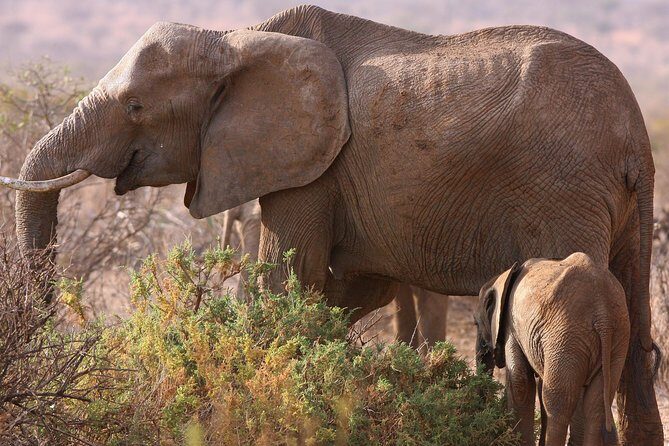
- Tarangire’s dry-season water pull: acacia woodland, giant baobabs, and river/swamp areas that draw elephants and other wildlife
- Serengeti’s Seronera area: the Seronera River helps concentrate animals in the central park region
- Long game-drive days: one full day can stretch to about 10 hours, which is prime time for predators and action
- Ngorongoro Crater density: an estimated 30,000 animals in one bowl, including the last remaining black rhino
- Built-in comfort between drives: self-contained rooms/tents with hot showers plus picnic lunches on key days
- A 4×4 safari vehicle with a driver-guide: practical for reaching animals where the action is
The “big three” parks, packed into five days
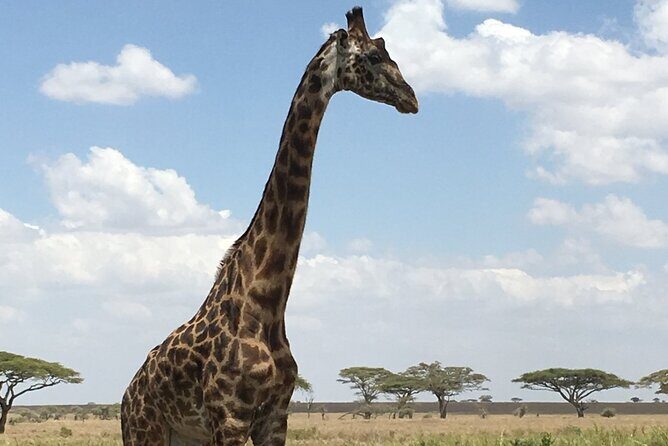
This is the classic Tanzanian route, but it’s handled in a smart order: Tarangire for elephants and rare antelope, Serengeti for big-plains wildlife and predator drama, then Ngorongoro Crater for high-density encounters. Five days is short for East Africa safari standards, so the itinerary aims to maximize time in the parks, not just transit.
Because it’s private, your guide can make better use of sightings as the day unfolds. That matters in safari-world, where one good find can change the whole afternoon plan.
A few more Arusha tours and experiences worth a look
Your private safari rhythm (and why it matters)
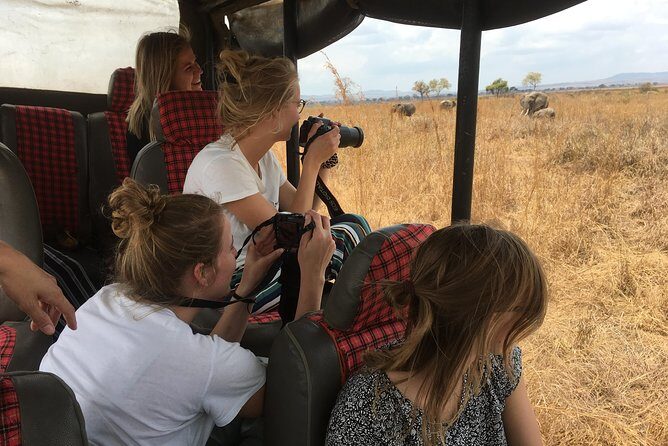
You’re not sharing game drives with strangers on this one—your group stays together. That usually means fewer bottlenecks at gates, a smoother flow at lodge check-ins, and more flexibility if the guide calls an audible based on wildlife.
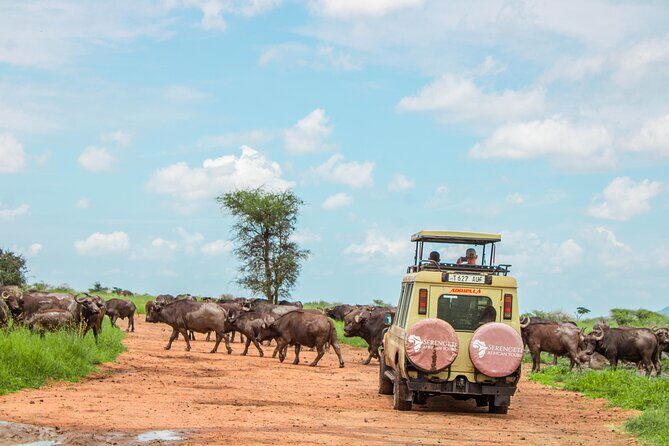
Transport is in a 4×4 safari vehicle, and the pace is built around game drives (not museum-style checklists). Expect a schedule that starts early and runs long on the park days—so plan for a couple of days where you’ll come back dusty, tired, and happy.
Day 1: Tarangire National Park and the elephant-water magnet
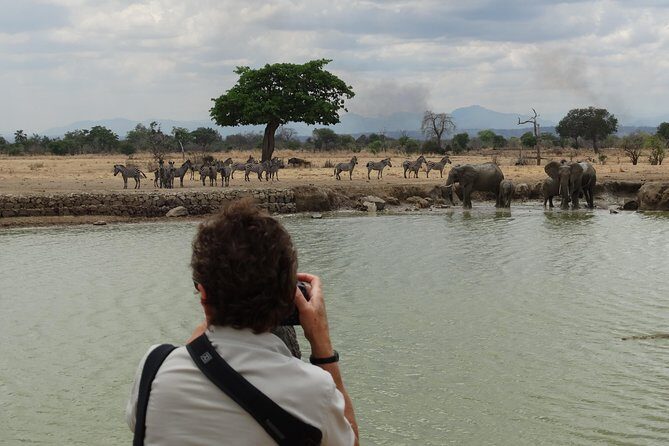
After breakfast, you drive to Tarangire National Park and then do a full day game drive with a picnic lunch. Tarangire is known for big elephant herds, and the reason makes sense on the ground: during the dry season, the river and swamps act like magnets for animals.
The park’s character is also memorable. You’re moving through acacia woodland with giant African baobab trees, plus swamp areas in the south. Visually, it’s a different feel than the open-plains vibe you’ll get later in the Serengeti, and that variety helps keep the days from blending together.
Wildlife you specifically have a chance at includes elephants and some rare species: Greater Kudu, Fringed-eared Oryx, and a few Ashy Starlings. That mix is useful if your goal isn’t only the big, obvious mammals, but also the smaller “harder to spot” creatures.
Practical note: Tarangire day is long enough that your eyes will get tired before your legs do. If you have binoculars, this is a good day to use them—especially when animals blend into tree lines.
Day 2: Serengeti arrival via Karatu farmland and the Ngorongoro Conservation Area
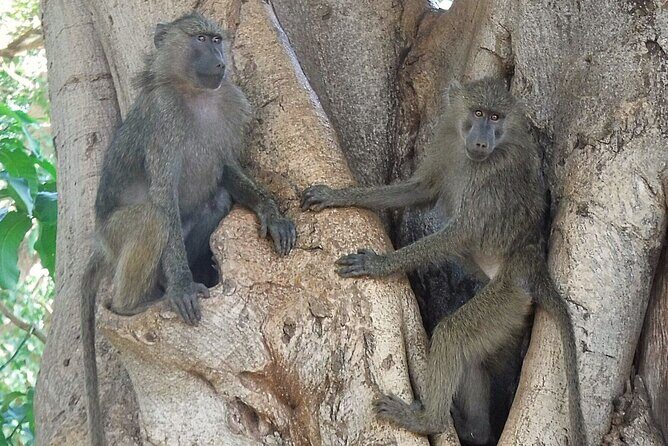
Day 2 is the transition day. You head toward Serengeti National Park via the high-lying farmland of Karatu and through the Ngorongoro Conservation Area. Then you descend into the Serengeti, where the central park area—often the Seronera region—is a big highlight.
Seronera is appealing because it’s tied to water: the Seronera River supports the wildlife in that area, which can help concentrate animals. In practical terms, that means your guide can often spend time in a spot where wildlife density is good, instead of driving endlessly hoping for a sighting.
This day is also a nice mental shift. Tarangire gives you elephants and baobabs. Serengeti gives you distance—rolling plains that stretch for miles—plus the animal variety that comes with it.
Day 3: A full Serengeti game-drive day built for predators and action
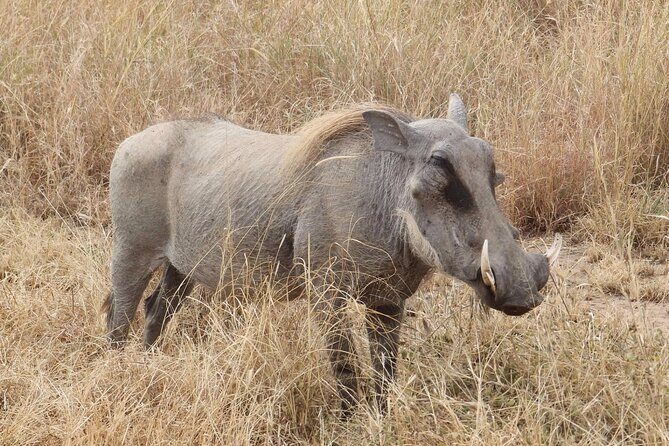
Day 3 is the “stay out in the wild” day: a full day game drive in Serengeti, with lunch at your lodge/campsite. This is where the Serengeti reputation really earns its keep.
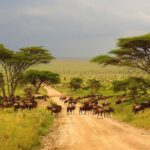
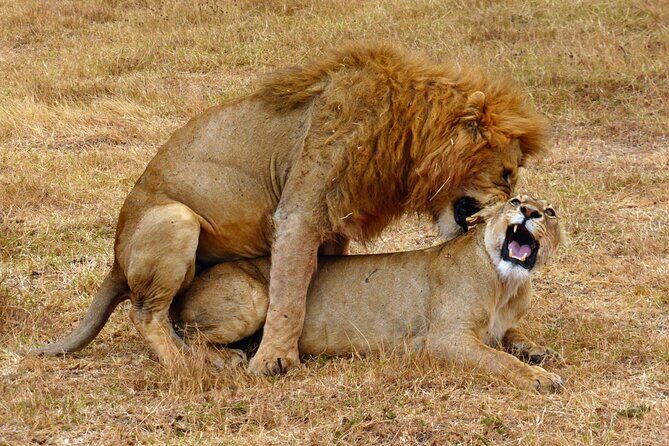
The park is described as supporting lion, leopard, elephants, cheetah, buffalo, and more—including wild dogs, eland, gazelles, and crocodiles. You also get the chance to connect with the famous wildebeest migration story (timing changes what you see, but the itinerary explicitly aims at that wider Serengeti wildlife picture).
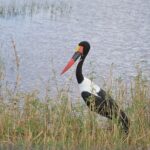
Birds matter here too. The park has variety in bird sounds and species, which is one of those details people don’t always plan for. If you’re the kind of person who loves listening for activity while you’re scanning, you’ll enjoy this day.
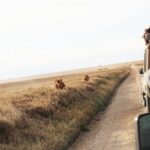
The biggest “watch your expectations” thing: sightings aren’t guaranteed. But with a full day drive and a guide who can spot animals early, your odds improve fast—especially for predators that tend to show up when someone notices the right sign.
A few more Arusha tours and experiences worth a look

Day 4: Morning Serengeti, then down to Ngorongoro
Day 4 starts with an early breakfast and a morning game drive in Serengeti. Then you depart toward the Ngorongoro Conservation Area, with game drive time en route. This structure is smart because it keeps you in the wildlife zone for as long as possible before the crater day.
Ngorongoro is a separate kind of safari. Instead of “wide open plains” energy, you’re moving toward a contained bowl where animals can be extremely concentrated. That difference is one reason the day feels like a hinge between two styles of wildlife viewing.
If you like variety, this is a good day emotionally, too. You get one more Serengeti morning to chase lions and other big mammals, then the focus shifts to something denser and more enclosed.
Day 5: Ngorongoro Crater—30,000 animals, black rhino, and a packed food web
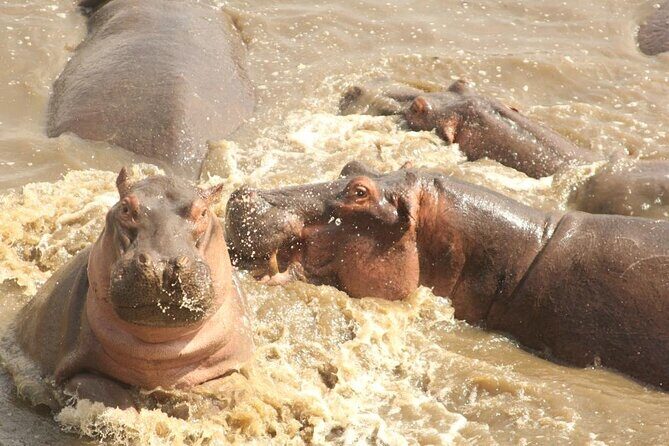
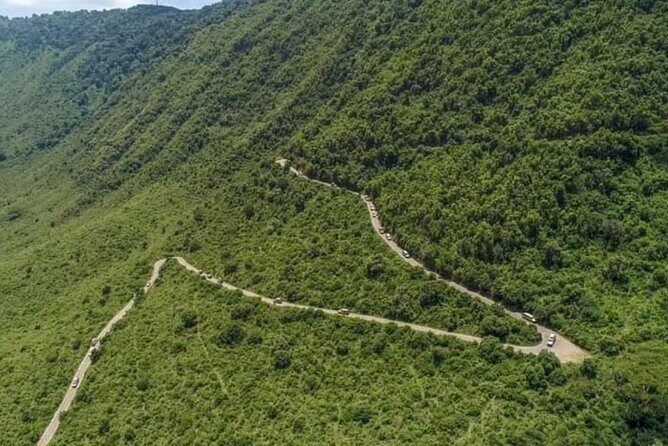
After breakfast you descend into Ngorongoro Crater for a game drive. The crater is described as one of the densest wildlife areas in the world, with an estimated 30,000 animals. It’s also one of the last places in Tanzania where you can find black rhino, according to the tour description.
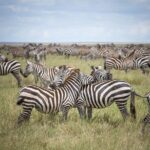
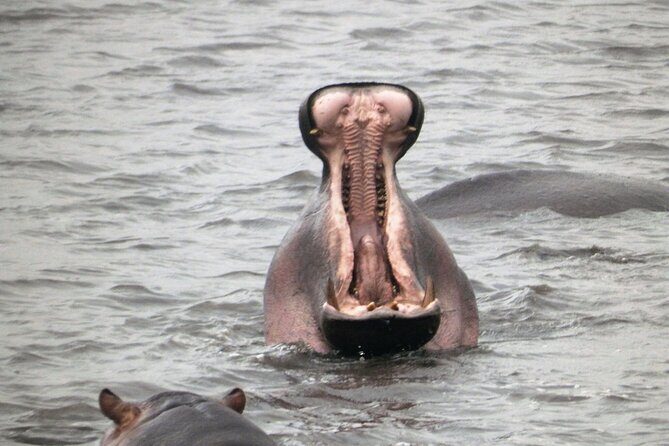
Crater ecology is doing the heavy lifting: year-round water and fodder support a wide range of animals, including wildebeest, zebra, buffalo, eland, warthog, hippo, and giant African elephants. And then there’s the predator side—lions, hyenas, jackals, cheetahs, and the leopard, described as elusive.
This is the day where “small stuff” turns into “wow stuff.” When animals are packed into a limited area, you can see feeding, movement, and predator behavior more often than in places where wildlife spreads out.
You’ll also have a picnic lunch on the crater floor, which is exactly the right way to do it. You don’t leave the action to eat. You eat, watch the world, and keep scanning.
In the late afternoon, you drive back to Arusha, and that smooths the whole 5-day loop into a close.
Comfort on safari: self-contained rooms and hot showers
Safari can be rough if you’re fighting for basic comfort. This route tries to fix that with self-contained rooms and hot showers. After a day that can run 7 to 10 hours in the park, having a proper wash matters more than you think.
The tour also includes accommodation while on safari, plus meals throughout. So you’re not juggling food planning in between park days. You’ll have breakfast (4), lunch (5), and dinner (4), plus drinking water provided each day.
One note: the tour does not include nights in Arusha. So if you’re arriving the day before, you’ll likely need to handle that separately.
Food, timing, and what’s actually included
Here’s the practical rundown of what’s covered:
- All fees and taxes
- 1.5 liters of drinking water per person per day
- Driver-guide and transport in a 4×4 vehicle
- Accommodation during the safari days
- Meals: 4 breakfasts, 5 lunches, and 4 dinners
That “meals included” part is a big value point on safari. It reduces decision fatigue, especially on the days you’re in the park for most of the day.
What’s not included:
- Nights in Arusha
- Airport transfers
- Flights
- Personal expenses (including extras like drinks beyond the provided water)
- Tips for your driver-guide/cook
- Optional add-ons like balloon rides or visiting a local village (such as a Maasai village)
Price and value: what $2,211.29 buys you (and what to budget for)
At $2,211.29 per person, the price isn’t cheap, but it isn’t just “a ride.” The tour includes transport, accommodation during the safari, most meals, and the core safari operations like fees/taxes and the driver-guide.
For many people, the real value is the bundle effect:
- You’re paying for days of 4×4 driving
- You’re covered for lodging during the safari nights
- You’re fed without having to stop and search
- You’re not guessing about park entry fees, since they’re handled here
Your extra costs are the usual ones: getting to Tanzania (flights), any Arusha nights before/after the safari, airport logistics, personal spending, and tips. Optional activities can add up too, like balloon rides or cultural visits.
If you want a safari that feels organized from gate to gate, this package approach usually makes life easier.
Guides can make or break your sightings
The reviews attached to this tour are consistent about one thing: the guides are strong at spotting animals and managing the drive.
Names that pop up often in the feedback include Jackson, Peter (as an advisor before and during the trip), and especially John and Joseph, described with an eagle-eye ability for finding wildlife. Other guides mentioned include Muro and Sixie, with praise for their experience and animal spotting.
What you should take from that as a reader: don’t treat the guide like a driver only. Treat them like your wildlife translator. Ask questions when you have a chance, and when the guide stops suddenly, don’t assume it’s random. That’s usually when something is happening.
Also, the same feedback highlights organization and food quality. Clean lodges/camps and practical, good meals are not just nice extras on safari—they help you actually recover between long park days.
What kind of traveler this suits best
This tour is a good fit if:
- You want a tight 5-day itinerary across Tarangire + Serengeti + Ngorongoro Crater
- You care about comfort basics like hot showers
- You prefer a private experience rather than sharing the safari with strangers
- You want full-day game drives with enough time to chase predators and big mammals
It may be less ideal if:
- You want a slower pace with lots of free time
- You’re traveling at a time when you can’t be flexible about weather
- You’d rather include lots of optional extras (balloon rides, village visits) and need those baked into the main price
Should you book this 5-day Tarangire Serengeti and Ngorongoro safari?
If your goal is a first-timer safari that hits the headline parks in a logical order, I think this is a strong choice. The combination of dense Ngorongoro, Serengeti full-day game driving, and Tarangire elephant country gives you three different “wildlife modes” in one trip. Add private pacing, meals included, and hot showers, and you’ve got a package that’s designed to keep you comfortable while still chasing sightings.
My advice: book if you’re ready for long drives and you’re okay that weather matters. If you want guaranteed daily action, no safari can promise that—but with the guide strengths repeatedly mentioned and the amount of time spent in the parks, your odds should feel encouraging.
FAQ
What parks are included in this 5-day safari?
It includes game drives in Tarangire National Park, Serengeti National Park, and Ngorongoro Crater (within the Ngorongoro Conservation Area).
When does the safari start, and where is the meeting point?
It starts at 8:30 am at Msumbi Coffees TFA Shopping Complex, JMFH+RR3, Sokoine Rd, Arusha, Tanzania.
How long is the safari?
The itinerary is listed as 5 days (approximately).
Is this tour private?
Yes. It’s a private tour/activity, and only your group will participate.
Are park fees and admissions included?
Yes. The tour states that all fees and taxes are included, and the itinerary lists admission ticket as free for the park days.
What meals are included?
You get breakfast (4), lunch (5), and dinner (4). Drinking water of 1.5 liters per person per day is also included.
What about accommodations during the safari?
The tour includes accommodation while on safaris with self-contained rooms/tents that include hot showers.
What is not included in the price?
Not included are nights in Arusha, airport transfers, flights, personal expenses (like laundry and beverages), optional tours (such as balloon rides or visiting a local village), and tips for your driver/guide and cook.
Is pickup available?
Pickup is offered, and the start meeting point is listed in Arusha.
What happens if weather is bad?
The experience requires good weather. If it’s canceled due to poor weather, you’ll be offered a different date or a full refund.
What is the cancellation policy?
Free cancellation is available. You can cancel up to 24 hours in advance for a full refund; canceling less than 24 hours before the start time is not refunded.