REVIEW · MOROGORO REGION
SAFARI WILDLIFE 3 DAYS 2 NIGHT FROM ZANZIBAR TO MIKUMI
Book on GetYourGuide →Operated by Host zanzibar tours & Safaris · Bookable on GetYourGuide
A safari that starts with big transit energy. This Zanzibar to Mikumi trip is a straight-shot mix of culture, long-distance travel, and serious chances to spot animals with good visibility.
I love the Maasai village stop on day 1, because it adds real context before you go scanning the grass for wildlife.
I also love the full-day game drive on Mikumi day 2, where you’re out in the park long enough to turn sightings into stories, not just quick glimpses.
The one thing I’d flag is the first day can feel like a marathon: early pickup, ferry-to-Dar transfers, and long stretches where finding food isn’t always easy—pack a little buffer for comfort.
In This Review
- Key things that make this safari work
- Zanzibar to Mikumi: how the route really moves
- Day 1 in Morogoro: Maasai village first, animals second
- Mikumi National Park full-day game drive: where good visibility pays off
- Your lodge and meals: included food, but don’t ignore the timing
- Price and value: is $760 per person a smart deal?
- Who this trip suits—and who should rethink it
- Should you book this Mikumi safari from Zanzibar?
- FAQ
- How long is the Safari Wildlife trip from Zanzibar to Mikumi?
- What time does pickup happen in Zanzibar?
- What ferry times are included between Zanzibar and Dar es Salaam?
- How do you travel from Dar es Salaam to Mikumi?
- What happens on day 1?
- What happens on day 2?
- What animals can you expect to see?
- What’s included in the price?
- Are the guides multilingual?
- Is free cancellation available?
Key things that make this safari work
- Early start + ferry + train/rail transfer: you move fast across the route before you even reach the park
- Maasai village visit: culture and customs come before the game drives
- Mikumi full-day game drive: better odds because you’re in the park for a full day
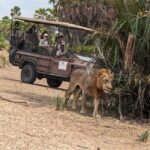
- 4-wheel safari vehicle: practical for getting around in a national-park setting
- Multilingual guides: your live tour guide can work in many languages (English, German, French, Spanish, Italian, Russian, and more)
- Meals included, but timing matters: you’ll be fed by the plan, yet day 1 can be long
Zanzibar to Mikumi: how the route really moves
This trip is built around one theme: getting you from the Indian Ocean coast into Mikumi National Park without wasting days. You start with hotel pickup at 5:15 a.m. in Zanzibar, which is early, yes—but it’s also what makes the schedule possible.
From there, you head to the port for the ferry at 7:00 a.m. to Dar es Salaam. The ferry ride lands at about 8:30 a.m. Then you’re quickly positioned near transport: around 9:00 a.m., you’re at the railway station area (close to the ferry), and by 9:30 a.m. the move toward Morogoro town begins by high-speed transport, followed by road transfer.
Once you reach Morogoro town, you’re not just changing vehicles—you’re switching worlds. The day’s pacing usually includes lunch en route and then the drive toward Mikumi National Park. That means you don’t spend the whole day in one long seat. You’ll see everyday Tanzania rolling past the windows, which many people find more memorable than a purely flight-based shortcut.
A practical note: your day 1 is packed, so build your comfort strategy around transit. If you’re the type who gets cranky after missing snacks, bring small, legal-from-your-country snacks and extra water planning (non-alcoholic drinks are included, but long travel can still dry you out).
You can also read our reviews of more evening experiences in Morogoro Region
Day 1 in Morogoro: Maasai village first, animals second
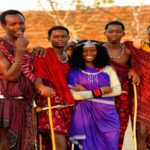
Day 1 is split into two moods. First is culture. You head to a Maasai village, where the focus is on customs and how people live. This matters because Mikumi can feel like “just animals” if you go in cold. With a village stop early on, you get a baseline for what you’re seeing back in the park—life and land are connected here.
Then you transition into park-adjacent movement: lunch on the way, then later check-in for dinner and an overnight stay at your lodge/hotel.
What I like about this order is that it prevents the common safari problem: people spend the whole first day tired and only half paying attention. Here, the itinerary gives you a mental reset. You’ll still be moving, but you’re doing something meaningful before the long game drive of day 2.
One more detail to keep in mind: you’re going to be tired. Many safaris start with a simple “go straight to the park” plan. This one adds a culture stop, which is great, but it also means the schedule doesn’t get any slower. If you want a smoother day 1, plan to hydrate, use sun protection, and treat evening dinner as your big recovery meal.
Mikumi National Park full-day game drive: where good visibility pays off
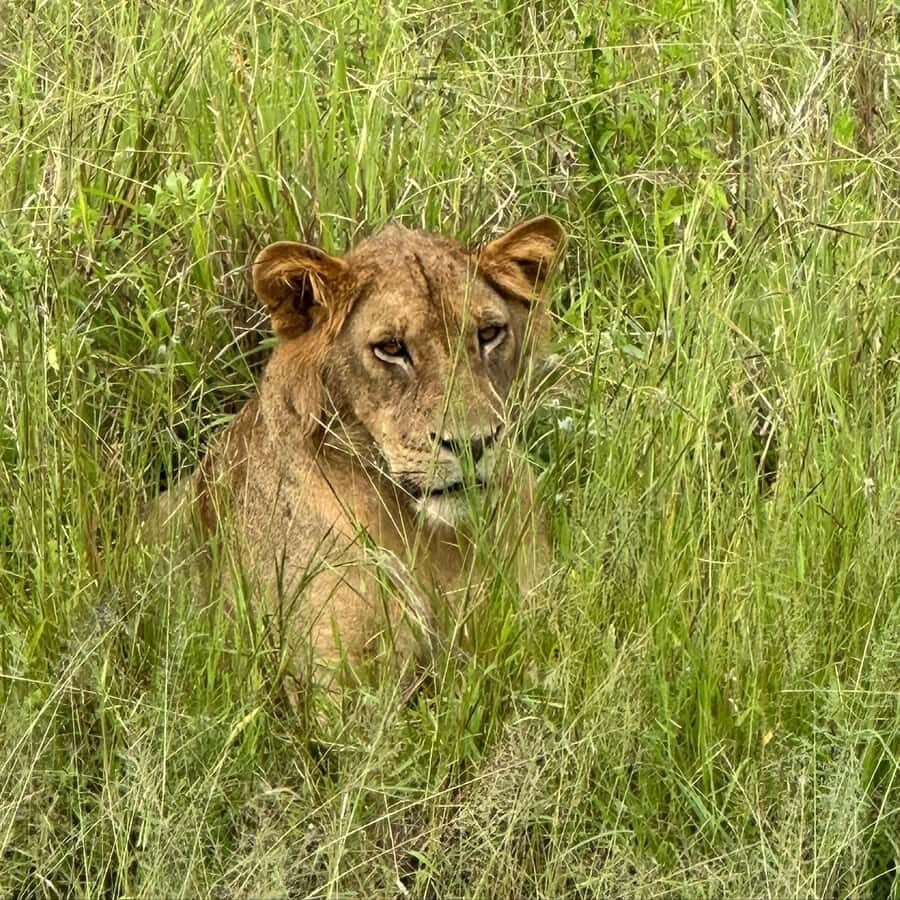
Day 2 is the payoff. After breakfast, you go for a full day game drive inside Mikumi National Park. This is the best part of the trip if your goal is actual wildlife time, not just a morning checklist.
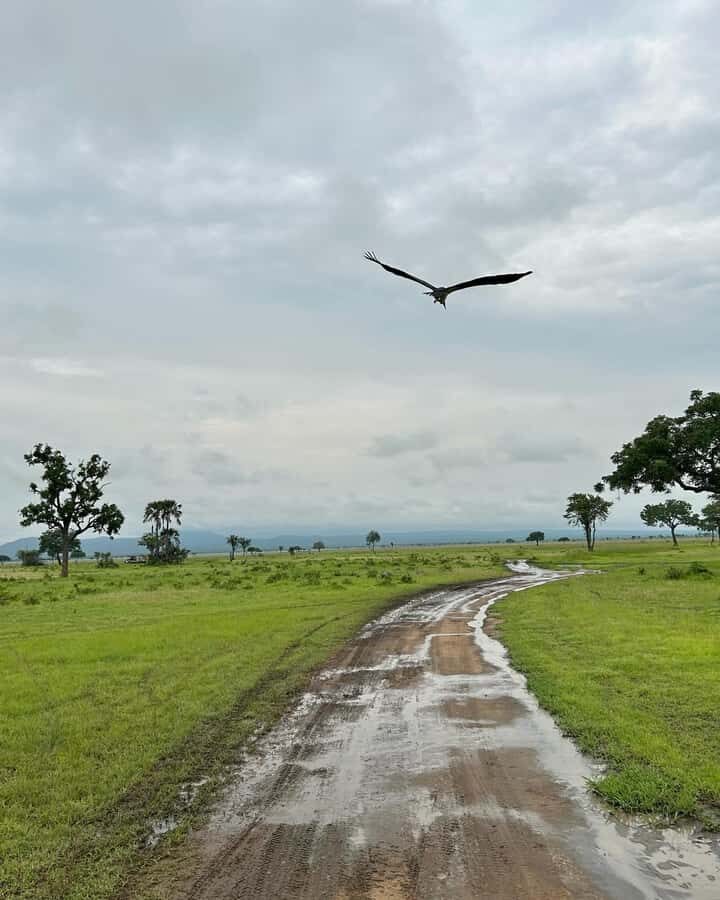
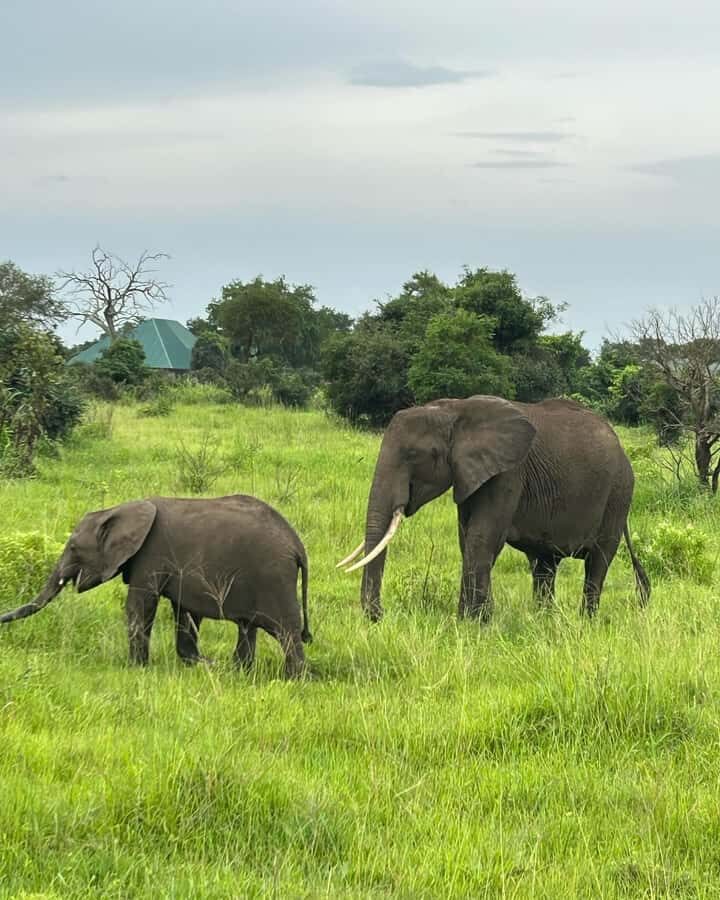
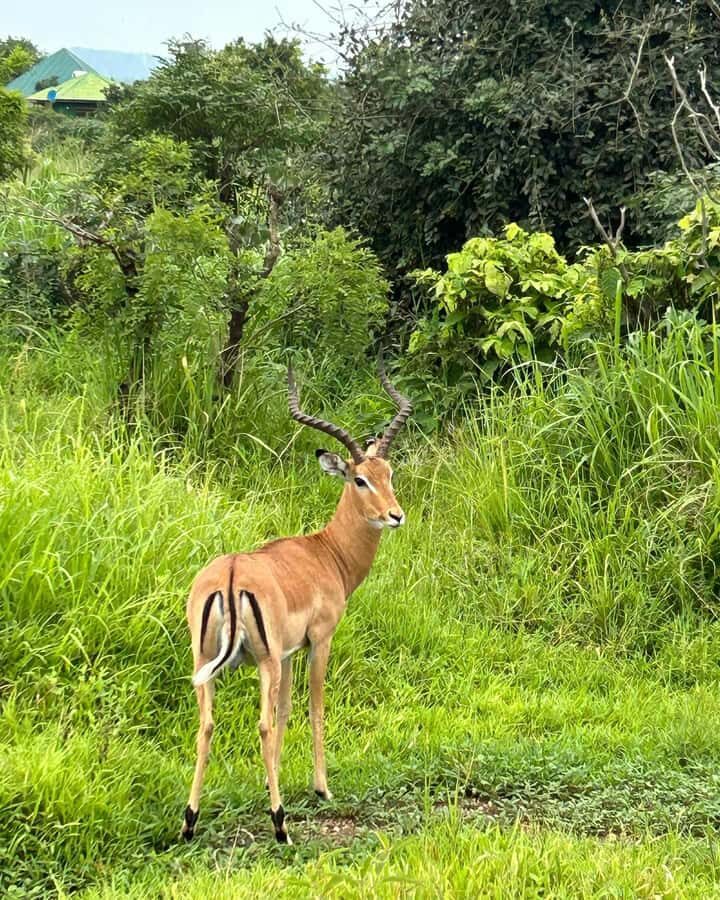
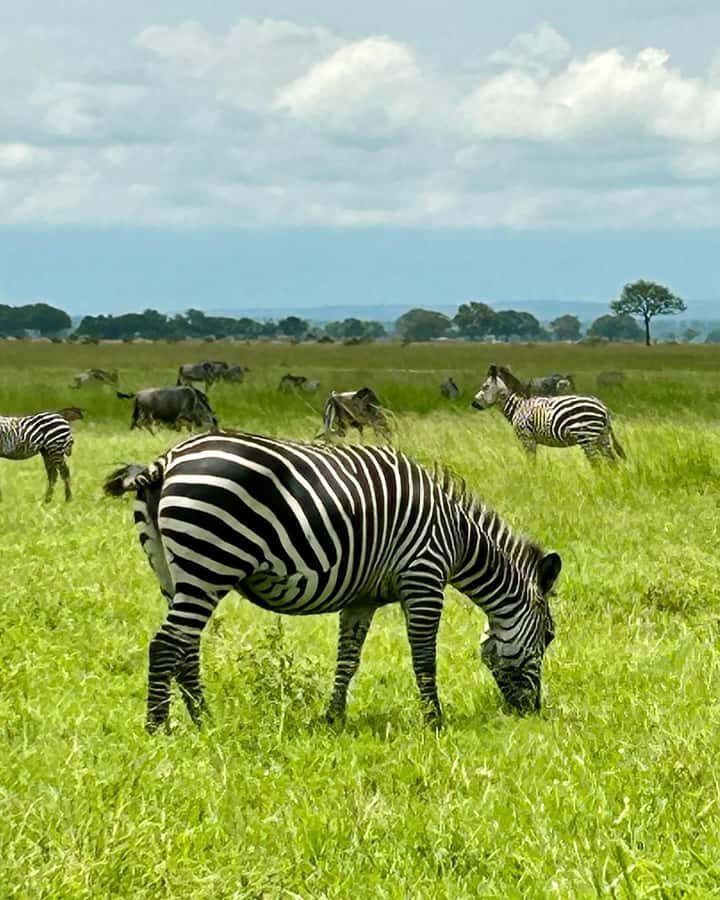
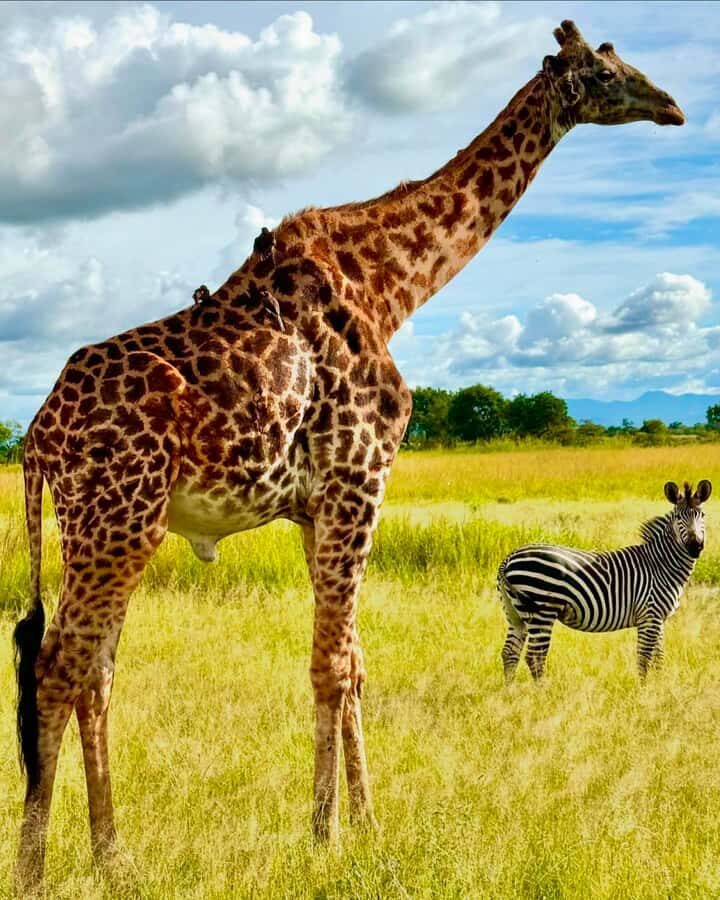
Mikumi is a grassland park, and that matters because you get very good visibility. In practical terms, better visibility means you’re more likely to spot animals sooner and keep your camera pointed in the right direction without constantly playing catch-up.
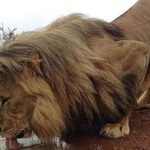
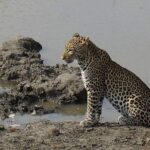
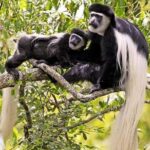
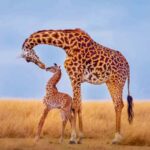
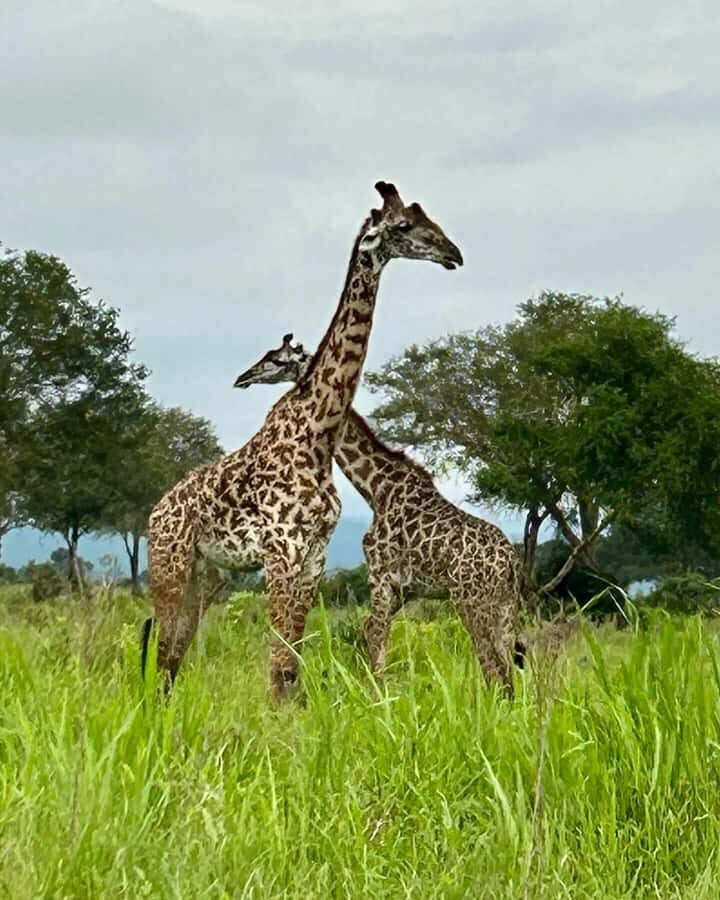
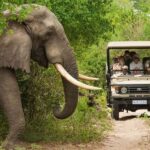
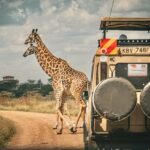
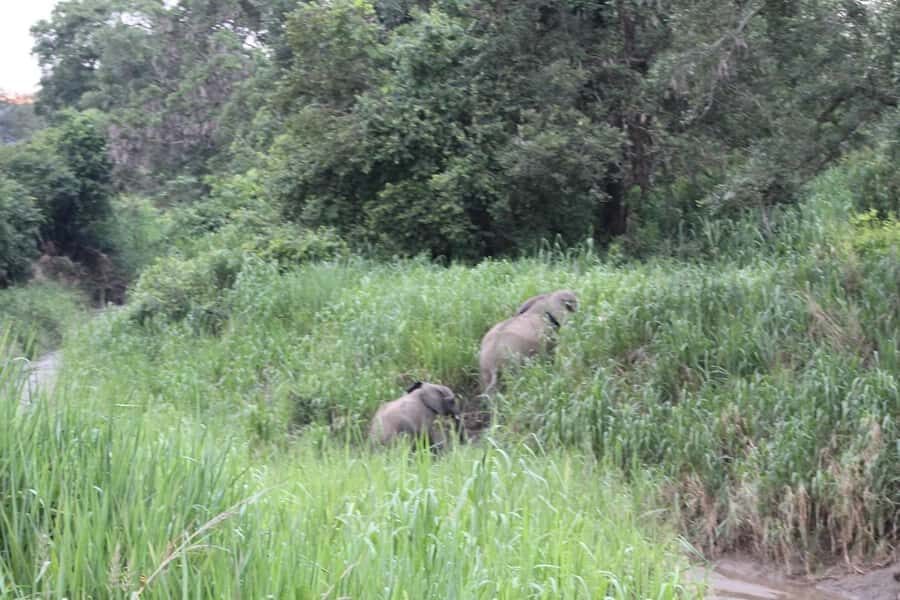
On the road, the day is designed around finding a range of wildlife. You can expect chances to see elephants, giraffes, wild dogs, lions, antelopes, and more. Also, the way this trip is structured gives you time to stop, look, and take photos when something good appears. That’s not guaranteed anywhere on safari, but the longer game-drive format improves your odds.
And if you care about explanations—this is one of the reasons people get excited about the guides—because a strong guide helps you make sense of animal behavior, not just locations. The trip supports live guides in multiple languages, including English and other major options, and guides like Tayc, Stephan/Stephane, and Mohammed/Moo, plus drivers like Abdul, have been specifically highlighted for guiding well through the most challenging transport moments and for helping with on-the-spot questions.
A small planning tip: a full day in the park usually means your body will feel it by late afternoon. So bring layers if you run cold. Even when the days are warm, mornings and shade can shift.
Your lodge and meals: included food, but don’t ignore the timing
The package includes 2 nights in a lodge plus all meals and non-alcoholic beverages. That’s a big value point. It removes the daily decision-making pressure—no hunting for restaurants after a day in the heat.
But here’s the reality check: included meals can still mean gaps if transit runs long, especially on day 1. One concern raised from prior participants is that the first day can stretch into long hours where food isn’t always right there when you want it. My advice is simple: don’t gamble on being fed on your exact schedule. Pack small snacks you can grab during transfers (fruit bars, biscuits, nuts—things that won’t spoil fast). If the meal plan lines up perfectly, great. If it doesn’t, you’ll feel in control.
What about the lodge comfort level? This is where expectations need adjusting. The tour describes lodge stays, and feedback points to the accommodations being basic in places with some properties older or more simple than you might picture from glossy safari marketing. One person also mentioned a night in Morogoro town that didn’t feel safe to go out from, and that breakfast wasn’t available that morning.
So I’d treat the accommodation as “part of the safari experience,” not a luxury hotel break. If you’re very sensitive to room condition or location safety at night, ask your operator which exact lodge/hotel you’ll use for each overnight before you pay attention. (That’s not about doom—it’s about getting the right expectations so the trip feels good overall.)
Price and value: is $760 per person a smart deal?
For $760 per person over 3 days, the big question is what you’re buying. This tour bundles a lot: ferry round-trip between Zanzibar and Dar es Salaam, ground and park transfers, admission fees, a professional guide, a 4-wheel safari vehicle, the Maasai village visit, plus two nights and all meals/non-alcoholic beverages.
That bundling is what can make the price feel fair—especially if you compare it to cobbling together separate transport, guides, and park entry on your own. With safari trips, time is money, and this itinerary compresses the route so you don’t burn extra days in logistics.
That said, value depends on your comfort with a few tradeoffs:
- If you’re expecting consistently modern, high-comfort lodges, you may find the stays simple.
- If you want a safari where every stop is wildlife-focused with zero downtime, you’ll need patience because day 1 is packed with transport and culture.
- If you’re the type who gets uneasy in less structured town areas, your overnight location matters.
In other words: this can be a strong deal if you prioritize wildlife time plus a guided cultural stop, and you’re okay with safari-style lodging. It can feel overpriced if you want a more hotel-like comfort level every night or you’re very sensitive to logistics fatigue.
A few more Morogoro Region tours and experiences worth a look
Who this trip suits—and who should rethink it
This safari is a good fit if you:
- Want a guided Mikumi experience with a full day in the park
- Like the idea of a culture stop (Maasai village) before you go wildlife hunting
- Prefer multilingual guidance if English isn’t your only option
- Are comfortable with early starts and long travel days in exchange for not losing days on planning
It might be less ideal if you:
- Need quiet, flexible pacing and hate long transit
- Expect high-end accommodations with consistent room standards every night
- Get anxious when you can’t easily control meals during long travel stretches (unless you bring snacks)
My take: if you’re traveling for the animals and the story, this trip has a solid structure. If you’re traveling for pure comfort and convenience, I’d carefully verify where you stay and how the day 1 timing works for your needs.
Should you book this Mikumi safari from Zanzibar?
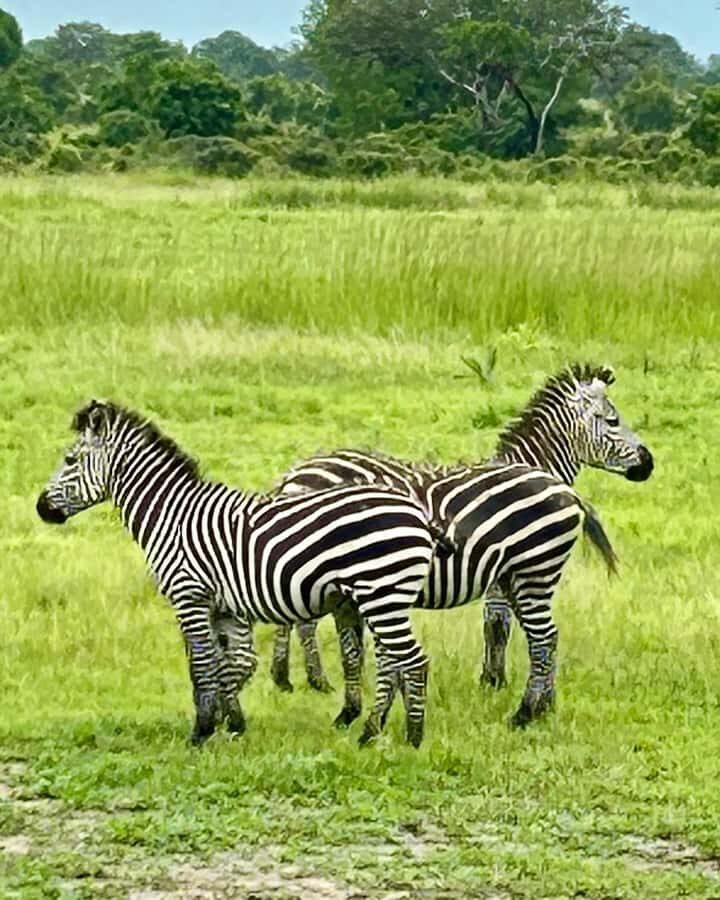
I’d book it if you’re excited by the idea of trading a long, early travel day for a full-day Mikumi game drive with chances at elephants, giraffes, wild dogs, lions, and antelopes—and you like adding meaning with a Maasai village stop.
I’d hesitate if your number-one priority is luxury lodging or if you know you struggle with long stretches without food during busy transfer days. For you, the best move is asking the operator what your exact overnight locations are and making a personal comfort plan for day 1.
If you want a straightforward safari package that handles transport, park entry, guiding, and food for you, this one makes practical sense. Just go in with eyes open: it’s a safari with a route that’s doing real work.
FAQ
How long is the Safari Wildlife trip from Zanzibar to Mikumi?
It runs for 3 days and 2 nights.
What time does pickup happen in Zanzibar?
Hotel pickup starts at 5:15 a.m. on day 1.
What ferry times are included between Zanzibar and Dar es Salaam?
The ferry departs Zanzibar at 7:00 a.m. and arrives in Dar es Salaam at about 8:30 a.m. There is also a return ferry on day 3.
How do you travel from Dar es Salaam to Mikumi?
After arriving in Dar es Salaam, you go to the nearby railway station area around 9:00 a.m., and then travel toward Morogoro town starting about 9:30 a.m., followed by a drive to Mikumi National Park.
What happens on day 1?
You travel from Zanzibar toward Morogoro, have lunch on the way, visit a Maasai village, then head to your lodge for dinner and overnight.
What happens on day 2?
It’s a full day game drive in Mikumi National Park, with lunch inside the park, then dinner and an overnight at your lodge.
What animals can you expect to see?
The itinerary highlights chances to see elephants, giraffes, wild dogs, lions, antelopes, and more.
What’s included in the price?
Included: 2 nights in a lodge, all meals and non-alcoholic beverages, admission fees, Maasai village, professional guide services, 4-wheel safari car, all transfers, and the ferry between Zanzibar and Dar es Salaam (both directions).
Are the guides multilingual?
Yes. The live tour guide can work in Arabic, German, French, Spanish, Hungarian, Italian, Russian, Czech, Serbian, Romanian, Polish, Portuguese, and English.
Is free cancellation available?
Yes, you can cancel up to 24 hours in advance for a full refund.