REVIEW · ZANZIBAR
Private Stone Town Walking Tour
Book on Viator →Operated by COASTLINE TOURS AND TRAVEL · Bookable on Viator
Stone Town’s streets hold big stories. I love how the guide connects the architecture to the people who lived here, and I love the mix of big landmarks with real market life in the same walk. One consideration: the former slave market area is heavy to see, and some indoor entries (like the Anglican Cathedral stop and the Freddie Mercury Museum) may cost extra.
At $43 per person for a private group, this is a good first-time orientation plan. You get a professional guide, a bottle of water, and the slave market entrance fee is handled, while the walk stays roughly 3 hours and ends back at the starting point near the Old Fort.
In This Review
- Key highlights to plan around
- Stone Town on foot: what you actually get in 3 hours
- Starting at Old Fort: good central energy, but arrive on time
- Beit-el-Ajaib House of Wonders: Zanzibar’s 1883 flex
- Old Fort (Ngome Kongwe): Portuguese to Omani, then festivals
- The slave market memorial and Christ Church Cathedral site
- St. Joseph’s Roman Catholic Cathedral: twin spires you can spot early
- Freddie Mercury Museum area: pop music, UNESCO Stone Town setting
- Market time and doorways: where the city becomes real
- Guide impact: Osman, Saïd, Mohammed, and what to ask for
- What’s included, and what you should budget for
- Private doesn’t mean rigid: how to pace it to your style
- Who should book this Stone Town walking tour
- Should you book this private Stone Town walk?
- FAQ
- FAQ
- How long is the private Stone Town walking tour?
- What’s included in the price?
- What costs are not included?
- Where does the tour start and end?
- Is this tour private?
- What happens if weather is poor?
Key highlights to plan around
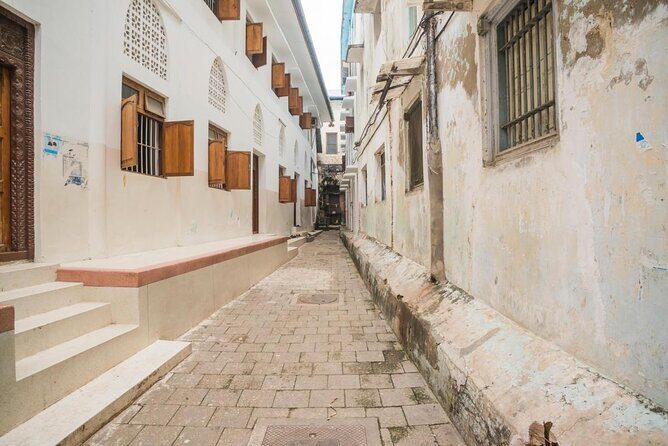
- House of Wonders (Beit-el-Ajaib) with 1883 tech bragging rights, including electricity, water taps, and an elevator
- Old Fort (Ngome Kongwe) tied to Portuguese, Omani, and later Zanzibar train-station history, now used for festivals
- Christ Church Cathedral site and the slave market memorial with a stone monument showing chained figures and sobering numbers from 1830–1873
- St. Joseph’s Roman Catholic Cathedral with twin spires linked to French missionary building in 1893–1898 and Marseille design
- Freddie Mercury Museum area for music fans, since Freddie was born in Zanzibar and Stone Town is UNESCO-recognized
- Private group flexibility so you can set the pace and spend a bit more time where you care most
Stone Town on foot: what you actually get in 3 hours
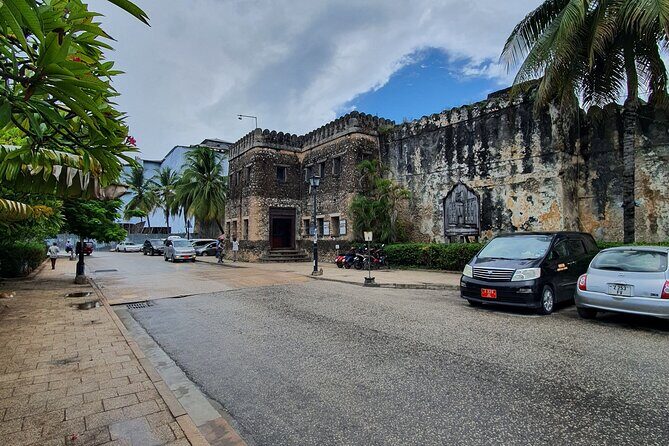
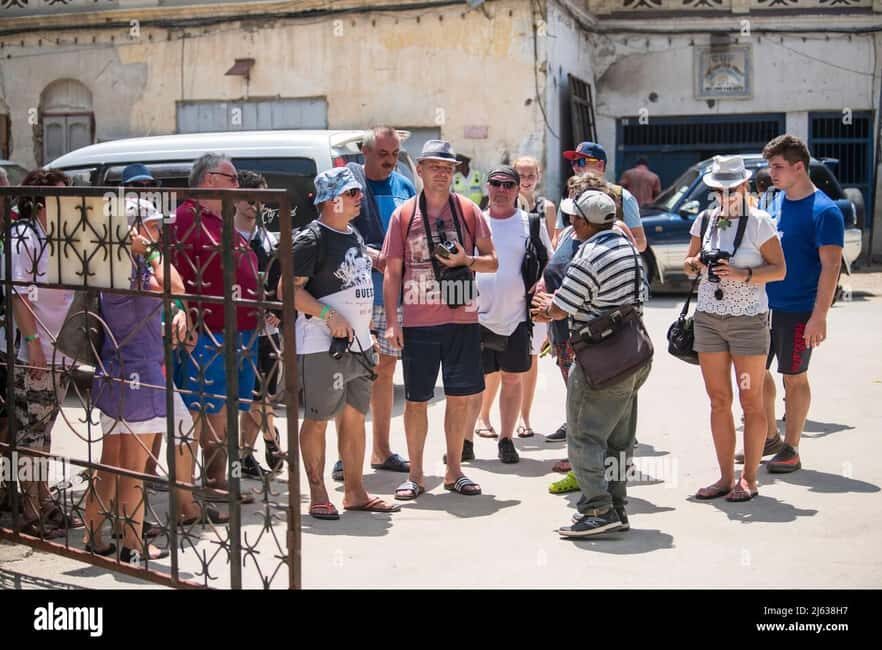
This walk is built for people who want to understand Stone Town quickly, without racing. In just about three hours, you move through the tight maze of alleys that made Stone Town famous, including the narrowest street in the world, plus the streets where mosques, churches, and temples sit side by side.
The best value is the way the stops connect. You’re not only looking at buildings. You’re learning how Zanzibar’s power shifted over centuries, and how that shows up in doorways, fort walls, and places of worship. And because it’s private, you can ask for more time at the doorways and corners you like, and less time where you don’t.
You can also read our reviews of more walking tours in Zanzibar



Starting at Old Fort: good central energy, but arrive on time
The tour meets at Old Fort on Mizingani Road and returns to the same meeting point. That’s handy for logistics: you don’t have to figure out a second pickup or end at some random corner.
Two practical tips help here. First, try to arrive a bit early. Stone Town’s lanes can slow you down, and you’ll want your group ready to roll at the start. Second, wear shoes that can handle uneven stone and narrow passages, because this is a walking tour through older streets, not a smooth boulevard.
Beit-el-Ajaib House of Wonders: Zanzibar’s 1883 flex
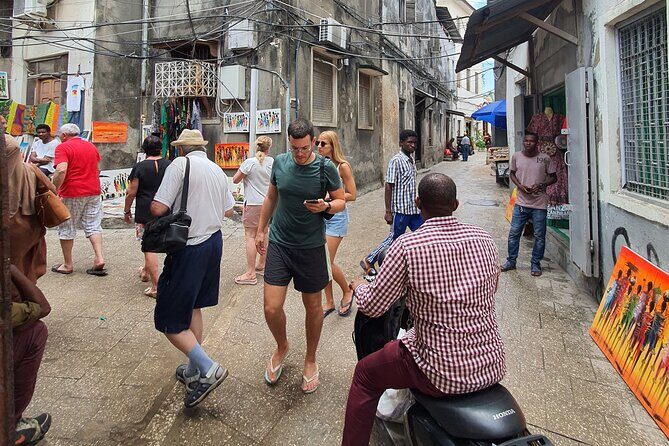
The first major stop is the House of Wonders, also called Beit-el-Ajaib. This is where you see why Stone Town’s story isn’t only about trade and ports, but also about ambition in architecture and infrastructure.
The key details to look for are the ones tied to its builder and its reputation. The house was constructed in 1883 by Sultan Barghash (the third Sultan of Zanzibar), and it earned the name House of Wonders because it reportedly had features that were rare at the time: electricity, a water tap system, and even an elevator. The tour frames it as one of the biggest houses in all of East Africa when it was built.
Admission for this stop is free, and you’ll spend about 30 minutes here. In my view, it’s a strong opener because it sets the tone: Zanzibar isn’t a one-note destination. The city can be both connected to wider world currents and intensely local in how those ideas were adopted.
Old Fort (Ngome Kongwe): Portuguese to Omani, then festivals
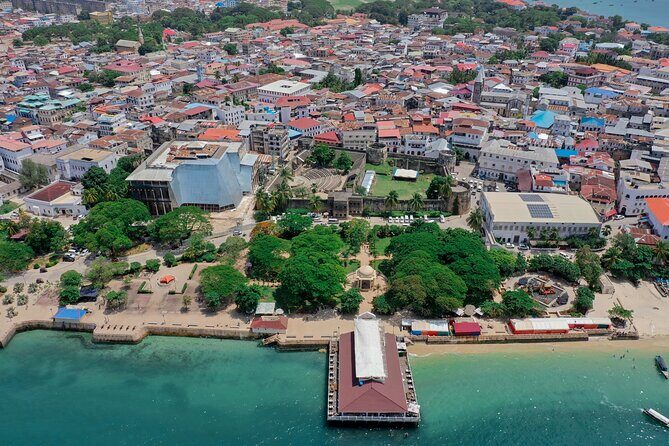
Next comes Old Fort, or Ngome Kongwe. This spot works like a history shortcut, because multiple eras leave marks in one place.
You’ll learn that the Portuguese originally built it (the tour places that in the 17th century). Later, the Omani rebuilt it (the 18th century), and over time it was used for different roles, including serving as a Zanzibar train station before becoming a cultural center.
What makes it feel alive today is the events. The fort hosts festivals such as Sauti za Busara and the Zanzibar International Film Festival, often using inner-court space for gatherings. Admission is free, and you’ll typically have about 30 minutes.
Possible drawback: forts can feel “same-y” if you’ve seen a lot of them in the region. If that happens, lean on your guide for context, and ask them to point out the details that connect Portuguese and Omani periods. That’s where the stop becomes more than a quick photo.
The slave market memorial and Christ Church Cathedral site
This is the stop that changes your pace. You visit the area where the biggest slave market of Eastern Africa operated, and it’s marked through the Christ Church Anglican Cathedral of Christ Church built in that exact location.
Outside the cathedral, there’s a stone monument that shows four people enchained by their necks. It’s meant to reproduce how enslaved people were offered to buyers. The tour also gives important context on the business mechanics of the slave trade: it commercially linked European plantation interests in the Indian Ocean with African rulers.
Then the tour brings numbers into focus. It estimates that between 1830 and 1873, around 600,000 people were sold as merchandise, with thousands more visiting temporarily. That’s a lot to hold in your head, even in a relatively short visit of about 40 minutes.
Admission details can be a little confusing here. The tour includes the slave market entrance fee in the overall package, but the Anglican Cathedral stop is marked as not included for admission in the stop details. So I’d plan extra money if you want to go inside fully and take your time.
You can also read our reviews of more private tours in Zanzibar





St. Joseph’s Roman Catholic Cathedral: twin spires you can spot early
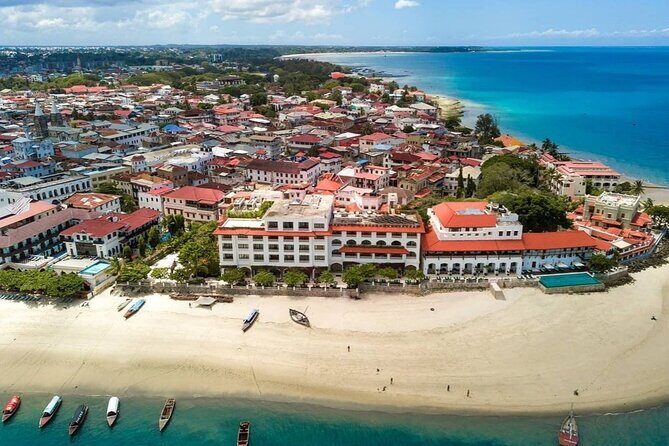
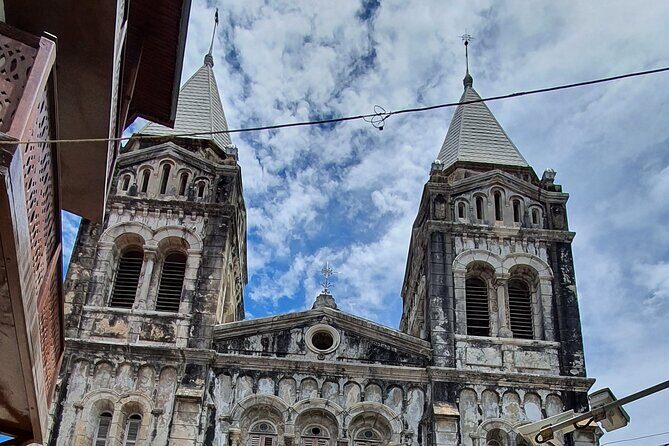
St. Joseph’s Roman Catholic Cathedral is a visual landmark for Stone Town’s skyline. The tour points out the twin spires, which resemble those of Marseille’s church, and that French connection is not just a style choice.
The building was created by French missionaries between 1893 and 1898, with plans attributed to the same French architect who designed the cathedral in Marseille. Inside, the murals depict scenes from the Old Testament. Even the material story is part of the connection: the tiles and stained glass windows were imported from France.
You’ll get about 15 minutes at this stop, and admission is free. It’s also in regular use for the Catholic community, with masses held each Sunday and occasionally on weekdays.
Practical note: if services are happening, you’ll want to be respectful with your photos and keep your voice down. A guide can usually help you navigate the right moments without making it awkward.
Freddie Mercury Museum area: pop music, UNESCO Stone Town setting
Then you shift to a different kind of fame. Freddie Mercury was born in Zanzibar, and Stone Town is recognized as a UNESCO World Heritage Site. The tour stop centers on the Freddie Mercury House area and the local museum connection.
The time here is about 20 minutes, and admission is not included in the tour’s listed inclusions. If you’re a fan, consider treating this as a flexible stop: you can spend more time inside if you purchase entry, or you can keep it lighter and use the time to watch everyday Stone Town life around the house location.
A small way to make this more meaningful: tie it back to the bigger Stone Town story you just heard at the fort and memorial sites. Mercury’s birthplace sits inside the same historic streets that carried trade, empire, and cultural mixing. That contrast is part of what makes the area memorable.
Market time and doorways: where the city becomes real
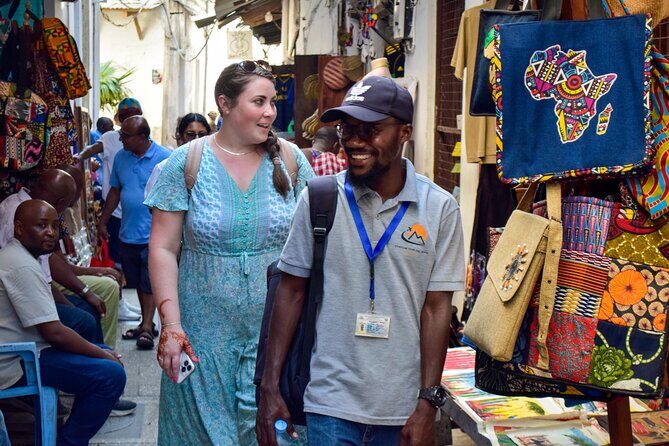
Stone Town is known for its iconic doorways that blend African style with Indian and Arabic designs. The walking route is set up so you don’t just stand at landmarks. You also pass through the market environment, which helps you understand how the city works day to day.
The tour includes time in the market area, and on at least some routes you’ll pass by sections like the fish area. This is more than scenery. Market streets are where you can see local rhythms, how people move, and how Stone Town’s history isn’t “behind glass.”
If you like shopping, this is where your guide’s flexibility matters. Some guides are comfortable giving you time to browse and buy, rather than keeping you on a tight timer. Still, keep an eye on your time buffer so you don’t cut into the more important cultural stops.
Guide impact: Osman, Saïd, Mohammed, and what to ask for
The guide is where this tour becomes personal. The most successful version of this experience is the one where you can ask questions and slow down at the details that catch your eye.
From the guides you may meet, there’s a clear pattern: people like Osman, Saïd, and Mohammed come with strong storytelling, plus the ability to adjust the route to what you care about. In some cases, guides also help with language needs, including French-language support.
Here are smart things to ask early, so you don’t feel rushed later:
- Which doorways or courtyards should I look for first?
- If I want photos, where is the best time and angle?
- Can we spend a little longer around the former slave market memorial and the cathedral area?
- Do you recommend the House of Wonders details that most visitors miss?
Also, don’t ignore the social side. A good guide will read the room: they’ll know when you want to talk and when you want quiet time to absorb a heavy place.
What’s included, and what you should budget for
This tour is priced at $43 per person, and it includes:
- Professional tour guide
- Bottle of water
- Entrance fee at the slave market
That already covers some of the most “must-do” logistics, especially the entrance portion tied to the former slave market site.
What’s not included:
- Tips for the guide
- Personal expenses
- Transfers to and from your hotel
Then there’s the stop-by-stop admission reality. House of Wonders, Old Fort, and St. Joseph’s are marked as free in the stop details. The Anglican Cathedral stop (slave market area) is marked as admission not included, and the Freddie Mercury Museum is also marked as admission not included.
So the best budgeting move is simple: plan to pay for whichever indoor entries you choose to do, especially the Freddie Mercury Museum. If you’re watching costs, you can still enjoy the outside viewing and the guided storytelling at many stops, but you might want to check with your guide on what’s optional vs essential.
Private doesn’t mean rigid: how to pace it to your style
Because it’s private, the tour isn’t locked into a one-size-fits-all route. That matters in Stone Town, where your interests can change how long you want to linger at:
- doorways and side streets
- market stalls
- religious buildings with active congregations
- the memorial site where you may need more time than the average visitor
If you want a history-focused walk, you can lean into the fort and memorial stops. If you’re more of a design and architecture person, ask for extra time on doorways and the skyline-spire spots. If you’re a mix of everything, the private format gives you room to breathe.
Who should book this Stone Town walking tour
This works best if you:
- are visiting Stone Town for the first time and want orientation fast
- want a mix of major landmarks and local-market texture in one outing
- like the idea of a private guide who can shape the pace
- want a thoughtful route that includes the former slave market site (not just postcard stops)
It might not be your ideal choice if you strongly prefer only lighter sightseeing. Stone Town has sorrowful chapters, and this route places them front and center.
Should you book this private Stone Town walk?
I’d book it if your goal is to understand Stone Town beyond the highlights. The stop order is logical: you start with a standout architectural statement at the House of Wonders, pass through a fort that explains power shifts, face the memorial site with real context, then finish with cathedrals and the Freddie Mercury connection. You leave with the city’s layers in your head, not just pictures on your phone.
If you do book, do one thing for yourself: set expectations for the slave market memorial. Give it the time it deserves, and ask your guide how to handle the most sensitive parts respectfully and at a pace that feels right.
FAQ
FAQ
How long is the private Stone Town walking tour?
It’s about 3 hours.
What’s included in the price?
The tour includes a professional guide, a bottle of water, and the entrance fee at the slave market.
What costs are not included?
Tips/gratuities for the guide, personal expenses, and transfers to and from your hotel are not included. Also, some stop admission is marked as not included (such as the Anglican Cathedral stop and the Freddie Mercury Museum).
Where does the tour start and end?
It starts at Old Fort, Mizingani Rd, Zanzibar, Tanzania, and it ends back at the same meeting point.
Is this tour private?
Yes. Only your group participates.
What happens if weather is poor?
The experience requires good weather. If it’s canceled due to poor weather, you’ll be offered a different date or a full refund.