REVIEW · ARUSHA
Fly inn to Central Serengeti from Zanzibar featuring Ngorongoro & Tarangire park
Book on Viator →Operated by Moorland Safari and Trekking · Bookable on Viator
Fly-in saves your time for more wildlife time. This 4-day safari is built for travelers who want Central Serengeti fast, then add Ngorongoro and Tarangire without long overland transfers. You also get the advantage of aerial views as you move between areas, which makes the trip feel like more than just another drive.
What I like most is the focus on efficient routing. You land at Seronera airstrip at about 11:00, meet your guide, and are back on safari by early afternoon for a full first day that ends with dinner and sleep in a Serengeti wild camp.
The second big plus is how this plan stacks variety. You’re not only chasing the big cats in Serengeti—you also get a crater day in the Ngorongoro Conservation Area (with Maasai life on the crater floor) and a separate Tarangire day known for dry-season animal sightings. The main drawback to consider is that this is a tight schedule, so you won’t have a lot of slack time for extra stops.
In This Review
- Key highlights you should care about
- Cutting driving time: what the fly-in safari really changes
- Day 1 at Seronera Airstrip: quick arrival, big-cat searching, wild camp dinner
- Day 2 to Karatu: Serengeti mornings, then the Ngorongoro crater edge view
- Day 3 inside the crater: conservation-area rules, Maasai grazing, and a thrilling drive
- Day 4 Tarangire National Park: dry-season elephants and acacia-focused viewing
- Price and what you truly get for $2,013 per person
- Lodges, meals, and the comfort basics that keep the safari from feeling like work
- Timing, start point, and how to plan your days around the schedule
- Who this 4-day Serengeti fly-in route fits best
- Should you book this fly-in Serengeti + Ngorongoro + Tarangire safari?
- FAQ
- What parks are included in this 4-day safari?
- When does the safari start, and where is the meeting point?
- Does the price include domestic flights from Zanzibar or Dar es Salaam?
- Are park fees and meals included?
- Is bottled water included?
- What if weather is bad or you need to cancel?
Key highlights you should care about
- Central Serengeti fly-in efficiency: less road time, more safari time
- Seronera airstrip landing: you start game viewing around lunch time on Day 1
- Ngorongoro crater edge + crater-floor drive: two different ways to experience the same “wow” factor
- Maasai graze inside the conservation area: adds real cultural texture to the wildlife day
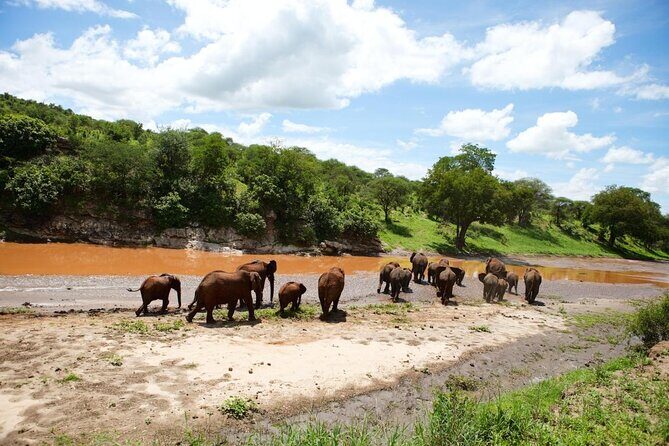
- Tarangire dry-season energy: strong odds of elephants and big herds when water draws animals in
- Mid-range lodges and included meals: dinner and breakfast are handled, not something you have to juggle
Cutting driving time: what the fly-in safari really changes
This is the kind of safari that’s designed for people with limited time. Instead of spending a big chunk of days on the road, you fly into Central Serengeti, then continue the circuit to Ngorongoro and Tarangire. For many first-time visitors, that matters because safari days feel long already. Reducing transit stress helps you stay focused.
There’s also the simple “views factor.” The overview notes aerial views of Serengeti, and even if you’re not the type to obsess over photos, it’s a different perspective on the same plains where you’ll be searching for animals on the ground. It’s a mental reset: you arrive already knowing this is going to be an open-sky safari.
One more practical thing: the itinerary is built around timed arrivals and game drives, with lunch stops and evening lodge plans. That structure tends to reduce the chance of your day feeling chaotic. It’s still a safari—things move at animal speed—but the day-to-day rhythm is clear.
You can also read our reviews of more tours and experiences in Arusha.
Day 1 at Seronera Airstrip: quick arrival, big-cat searching, wild camp dinner
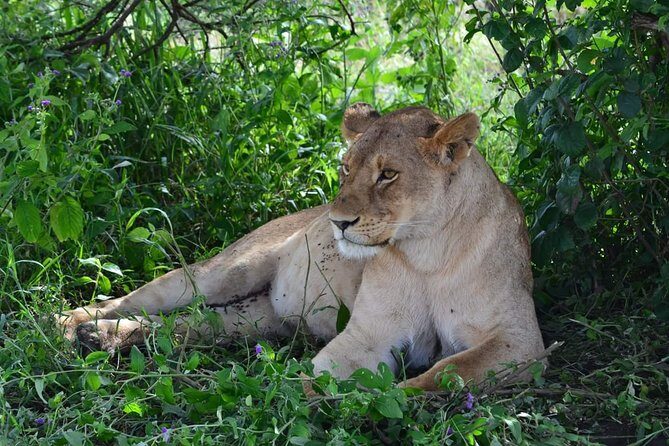
Your day starts with landing at Seronera airstrip around 11:00. From there, you meet the safari guide who has a picnic lunch ready and is prepared to start the safari right after. The first game drive is scheduled to begin about 13:00, which is a smart way to use your limited time without wasting half the day waiting around.
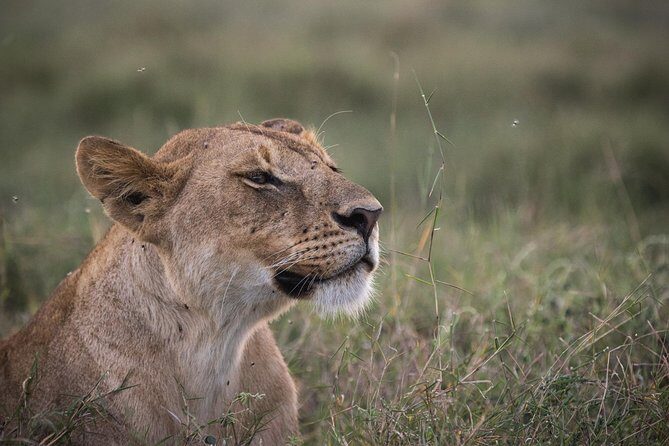
What you should expect on Day 1 is classic Serengeti action: the plan explicitly focuses on the big cats and other ungulates. The timing and location matter because you’re coming in to Serengeti from the Central area, where you’re set up to find lions, cheetahs, leopards, and large herds. You’re also heading toward a night in a Serengeti wild camp, which is the kind of experience that makes the safari feel immersive without adding extra driving.
The main “consideration” with Day 1 is also the nature of short safaris: you’re doing a lot quickly. If you’re the kind of traveler who likes slow mornings and spontaneous side quests, you might feel slightly rushed. But if your goal is maximum wildlife per day, Day 1’s structure is a strength.
Day 2 to Karatu: Serengeti mornings, then the Ngorongoro crater edge view
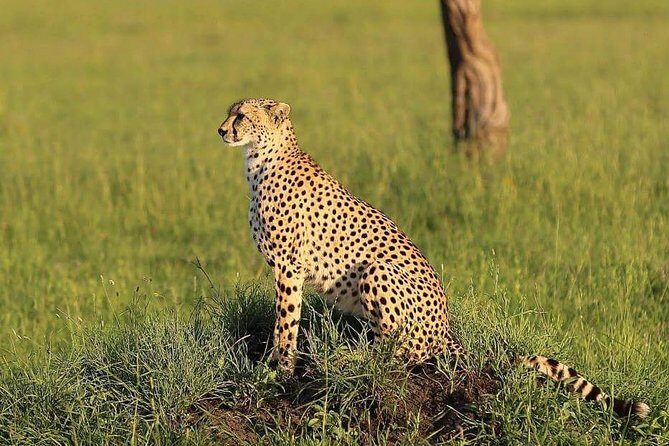
Day 2 begins with a morning game drive in Serengeti. The tour description highlights all three big cats being easier to see, with lions often found on kills, cheetahs common in the southeastern plains, and leopards lazing in large trees along the Seronera River. That’s useful because it tells you what the guide is likely to look for and where your eyes will go during the drive.
After lunch, the plan shifts direction toward Ngorongoro Crater. The itinerary calls out an important moment: arriving at the crater edge for a remarkable view. This isn’t the same as the crater-floor drive you’ll do on Day 3, but it’s still a big deal. Seeing the crater from above helps you understand the scale and why it concentrates wildlife.
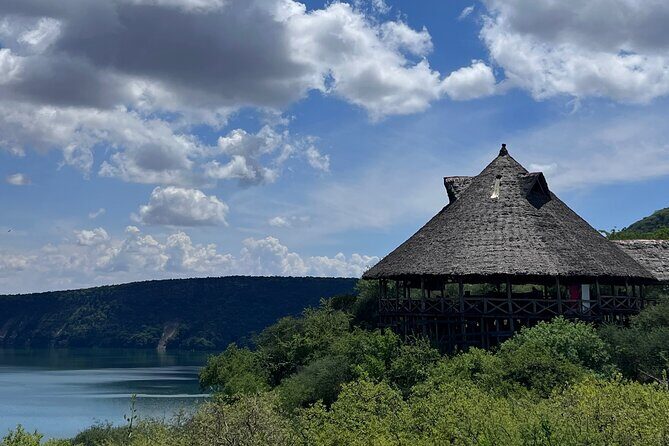
That evening you stay in Karatu at Farm of dream Lodge. Karatu is the “base” vibe between parks—comfortable enough for dinner and sleep, but close enough to make the next day’s crater experience work smoothly. In short: Day 2 turns one huge “big moment” into two.
Day 3 inside the crater: conservation-area rules, Maasai grazing, and a thrilling drive
Day 3 is the one many people remember as the signature day. After early coffee, you head out for a morning game drive in the Ngorongoro Conservation Area. The tour description even frames it around the thrill of a kill while chilling in the jeep—so the day is clearly aimed at predator action and dramatic wildlife behavior.
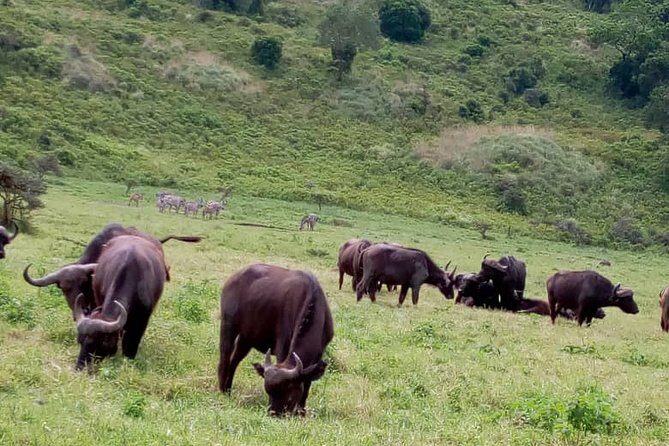
Here’s what makes this day different from “just another park drive.” The itinerary notes that indigenous tribes are permitted to live in the conservation area, and the local Maasai graze livestock on the crater floor alongside wildlife such as buffalo and wildebeest. That detail matters because it changes your mental picture: this is not a sealed-off zoo. It’s a living landscape where people and animals share space under conservation rules.
You’ll have dinner and overnight at Marera Valley Lodge. That’s a solid choice for a crater day because you’re not scrambling for food or transfers after a full morning. The whole point of a fly-in safari is that your logistics stay handled so you can stay present.
A reasonable consideration for Day 3: crater days are often a “big waiting game” in the sense that wildlife can be unpredictable, even when you know the area. The schedule is tight, so you’ll want to keep your mindset flexible. The trade-off is worth it when the crater is running at full speed.
Day 4 Tarangire National Park: dry-season elephants and acacia-focused viewing
On Day 4, after breakfast, you’re picked up from your lodge and driven to Tarangire National Park. The itinerary emphasizes scenic routes and calls out dry-season viewing as a big strength, especially for elephants. If you’re traveling during a period when water is limited, Tarangire’s animal concentration tends to become obvious fast.
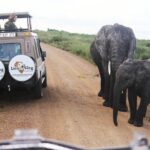
Tarangire is also described in very specific environmental terms. The tour mentions ancient baobao (baobab) trees and how elephants strip acacia bark from thorn trees. You’re also told to expect herds and groups like elephants, followed by zebras, buffalo, and oryxes that move from Maasai to Tarangire in search of water. Lions are also noted as prowling around.
What I’d take from that: this is a day where animal behavior and feeding patterns are part of what makes it special, not just sightings for the checklist. Even if you don’t track every species, you’ll understand why animals are where they are and why the park’s rhythm changes with season.
This day ends after the Tarangire experience with the overall trip returning to the starting meeting point. You’re finishing strong with a park that complements Serengeti’s plains energy and Ngorongoro’s crater drama.
Price and what you truly get for $2,013 per person
At $2,013.00 per person for an approximately 4-day safari, the value mainly comes from what the package bundles. The included items list domestic flights from Zanzibar/Dar es Salaam, all fees and taxes, mid-range accommodation, unlimited bottled water, and all key meals (multiple breakfasts, lunches, and three dinners).
You also get private transportation and a private tour/activity, meaning it’s handled as a group experience rather than a shared, crowded bus-style safari. And “Admission Ticket Free” is listed, which signals park entry is handled within the package rather than something you’ll pay separately at each checkpoint.
Compared to safari styles that stack costs room-by-room—flights, park fees, transfers, guide time—this package looks designed to reduce surprises. The trade-off with any safari package is that you’re committed to the schedule. Short safari routes mean you’re paying for time efficiency, not for lingering optional detours.
The only item explicitly not included is tips and gratuities. That’s common in Tanzania, but it’s still worth planning for so your budget doesn’t get nudged at the end.
Lodges, meals, and the comfort basics that keep the safari from feeling like work
This itinerary gives you a clear set of overnight bases: Serengeti wild camp on Day 1, Farm of dream Lodge in Karatu on Day 2, and Marera Valley Lodge on Day 3. Having those points locked helps you relax. You’re not searching for options at the end of a long day.
Meals are included in a straightforward way: dinners (3), breakfasts (4), and lunches (4) are listed. That’s important because safari days often run long. When food is handled, you can spend your attention on animals and sightings instead of logistics.
Also, the package includes unlimited bottled water. That’s not just a comfort detail. Hydration matters on safari days, especially when you’re spending hours in open sightlines and changing weather patterns.
From the reviews, there’s also a strong service angle tied to the operator. The name Nasr is specifically mentioned as organizing trips well and offering better prices than some competitors. Another detail that stands out: Lucas is praised as a guide/driver who works hard to help you see as much as possible. When you’re doing a fast route like this, that guide effort matters.
Timing, start point, and how to plan your days around the schedule
The experience lists a 7:00 am start at Shoppers Supermarket in Arusha, and it ends back at the meeting point. At the same time, the itinerary includes flights from Zanzibar/Dar es Salaam. In practice, this means you’ll want to make sure your flight times and the safari start connect cleanly, so you’re not arriving tired or late to the day’s plan.
Day 1’s key time anchor is the arrival at Seronera airstrip around 11:00, then safari time starting around 13:00. Day 2 shifts from Serengeti morning drives to the crater edge in the afternoon/evening, with Karatu as the base. Day 3 starts with coffee and a morning crater drive, then Lodge time afterward. Day 4 begins with breakfast and proceeds to Tarangire.
If you like your travel days to feel structured, this one fits. If you’re the type who plans everything down to the minute, keep your buffer for the connecting flight situation. The safari itself is scheduled tightly, and that’s a good thing—just don’t let your external travel get sloppy.
Who this 4-day Serengeti fly-in route fits best
I think this safari fits best if you meet at least one of these:
- You’re short on time and want Serengeti + Ngorongoro + Tarangire without long overland travel.
- You want to prioritize big wildlife days and keep logistics low-stress.
- You’re okay with a fast pace in exchange for covering multiple iconic areas.
It may be less ideal if:
- You want lots of free time between parks.
- You want a slower, more exploratory trip where the schedule flexes for extra viewpoints or long cultural stops (the itinerary here is about moving efficiently).
It’s also a solid option for first-timers who can get overwhelmed by safari planning. The reviews include comments about it being a first safari and feeling well organized. For people new to Tanzania, that kind of structure is a big deal.
Should you book this fly-in Serengeti + Ngorongoro + Tarangire safari?
If your top priority is Serengeti and you don’t want to burn days driving, I’d seriously consider booking this route. The fly-in approach is the whole idea here, and it aligns with the parks you want most. The itinerary also gives you a balanced set of experiences: Serengeti big-cat searching, a crater edge moment, then a crater-floor drive with Maasai grazing in the conservation area, and finally Tarangire’s dry-season animal concentration.
Before you book, do one quick reality check: confirm your flight connection timing relative to the Arusha start listed, and plan for tips since they’re not included. If those two pieces line up, you’re looking at a value-heavy safari package where a lot of the hard work is already handled—transport, domestic flights, lodges, and key meals.
In short: this is a smart choice for time-squeezed safari lovers who want the famous names—without the long-road fatigue.
FAQ
What parks are included in this 4-day safari?
You’ll visit Serengeti National Park, the Ngorongoro Conservation Area (including crater viewing and a drive in the area), and Tarangire National Park.
When does the safari start, and where is the meeting point?
The experience lists a start time of 7:00 am at Shoppers Supermarket, Arusha, Tanzania, and it ends back at the meeting point.
Does the price include domestic flights from Zanzibar or Dar es Salaam?
Yes. The included items state domestic flights from Zanzibar/Dar es Salaam.
Are park fees and meals included?
The package lists all fees and taxes and shows park admission as Admission Ticket Free. Meals included are 4 breakfasts, 4 lunches, and 3 dinners.
Is bottled water included?
Yes. The tour includes unlimited bottled water.
What if weather is bad or you need to cancel?
The experience notes it requires good weather; if canceled due to poor weather, you’ll be offered a different date or a full refund. Cancellation is free if you cancel up to 24 hours in advance for a full refund.