REVIEW · ARUSHA
Big Five Classic Safari in Tanzania **Sustainable Travel approach
Book on Viator →Operated by World Adventure Tours · Bookable on Viator
Big Five sightings start with good planning and good timing. This 7-day Northern Circuit safari covers Tanzania’s headline parks in a tight, efficient route, using open-roof 4x4s for classic savanna viewing. It’s also marketed with a Sustainable Travel approach, though the exact methods aren’t spelled out in the package details.
What I like most is how much is handled for you: park entry fees, all meals, and your safari vehicle setup are included, so you can focus on wildlife and not spreadsheets. I also like the small-group style—a max of 6 travelers per vehicle with window seats—because it makes game drives feel personal instead of chaotic.
One consideration: this is a full-on safari rhythm. Expect long days of driving and game viewing, and the pace may feel demanding if you prefer lots of downtime.
In This Review
- Quick hits before you go
- A 7-day Big Five route across Tanzania’s Northern Circuit
- What the price includes, and where you’ll likely spend extra
- Open-roof 4x4s and the small-group setup
- Day-by-day: how the route plays out (and what to watch for)
- Day 1: Arrive at Kilimanjaro, then Moshi overnight
- Day 2: Tarangire National Park for elephants, birds, and baobabs
- Day 3: Serengeti move-in day, plus optional culture or Olduvai
- Day 4: Full day in Serengeti predator country
- Day 5: Ngorongoro Crater—descend for black rhinos and big concentrations
- Day 6: Lake Manyara National Park for Rift Valley mix and tree-climbing lions
- Day 7: Kilimanjaro area morning, then fly home
- Weather reality: plan for a good day and changing nights
- Sustainable Travel approach: what you can assume (and what to ask)
- How to handle long safari days without burning out
- Who this classic Big Five safari is best for
- Should you book this Big Five safari?
- FAQ
- How long is the safari?
- What parks are included on this safari?
- Does the tour include airport transfers and pickup?
- What type of vehicle do you use for game drives?
- Are meals and park entry fees included?
- What’s not included in the price?
- Are the Masaai village tour and Olduvai Gorge included?
- Can you change or get a refund if you cancel?
Quick hits before you go
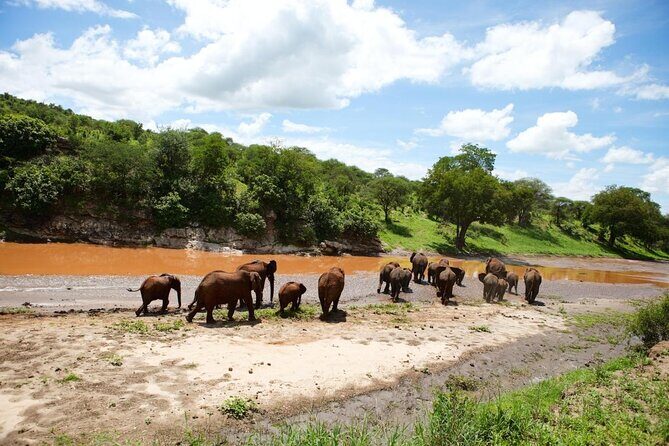
- Open-roof 4×4 safari vehicles designed for game viewing, with window seats for everyone
- Small group structure: up to 15 total travelers, with max 6 per vehicle
- Northern Circuit “greatest hits”: Tarangire, Serengeti, Ngorongoro Crater, Lake Manyara
- All meals plus park entry fees included, so your budget stays easier to control
- Bottled water on safari days and an English-speaking driver/guide to keep things smooth
A 7-day Big Five route across Tanzania’s Northern Circuit
This safari is built around the East African savanna’s most famous game areas, stitched together in a way that minimizes backtracking. You’ll move through four major parks over about a week, with enough time in each place to make wildlife viewing realistic instead of rushed.
The big selling point is that it’s a classic Big Five chase, but not just in name. The route is designed so you can see different “flavors” of Tanzania wildlife habitat: river-fed dry-season concentration, Serengeti predator country, Ngorongoro’s dramatic crater bowl, and Lake Manyara’s Rift Valley mix.
Also, the timing matters. On the calendar, this kind of itinerary tends to be in demand—on average it’s booked about 171 days in advance—so if you’re serious about dates, don’t wait until the last minute.
A few more Arusha tours and experiences worth a look
What the price includes, and where you’ll likely spend extra
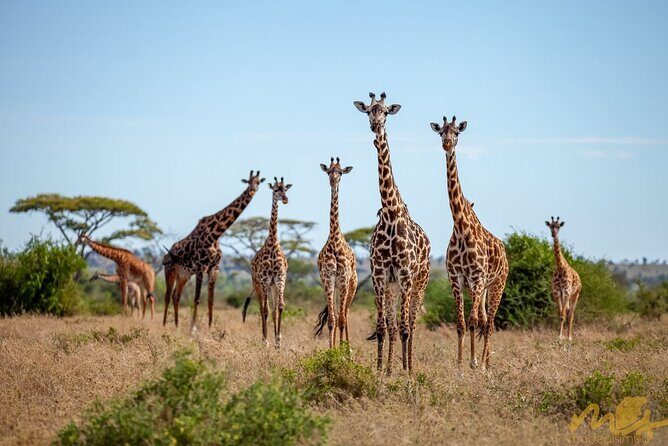
The price is $1,785 per person for a roughly 7-day safari in Tanzania (starting from the Kilimanjaro area and ending at the airport). Here’s what that cost is doing for you, based on what’s included:
- All fees and taxes
- All meals during the safari days (breakfast 7, lunch 5, dinner 5)
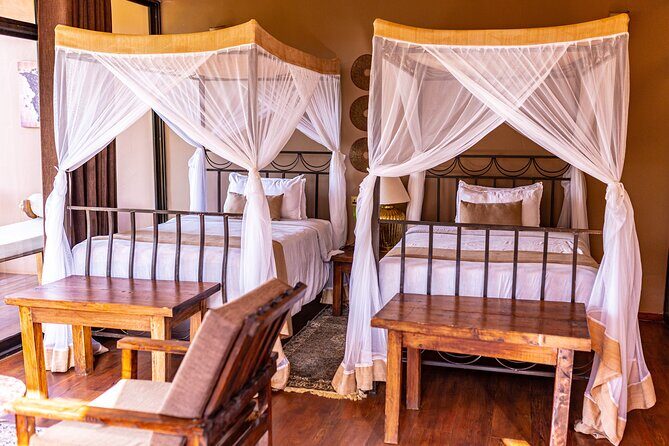
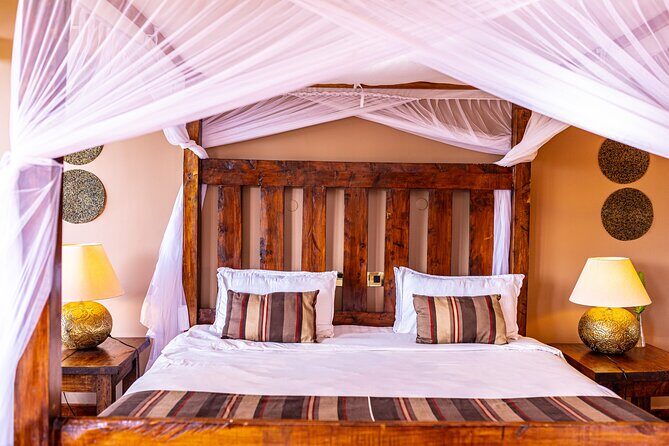
- Accommodation (your first night is in the Moshi area, then lodges during the safari days)
- Park entry fees (so you’re not paying on the spot)
- Professional English-speaking driver/guide
- Transfers to and from the airport
- Bottled water in safari vehicles
Where you’ll usually spend extra:
- International flights
- Tanzania visa
- Travel and health insurance
- Balloon excursion (optional)
- Gratuities for guide and lodge/hotel staff
- Masaai village tour and Olduvai Gorge tour (optional, at your own cost)
Value check: this is often where safari packages separate into “cheap-ish sticker price” and “actual all-in cost.” Here, park fees and meals are baked in. For many people, that turns budgeting from guessing into something you can plan around.
Open-roof 4x4s and the small-group setup
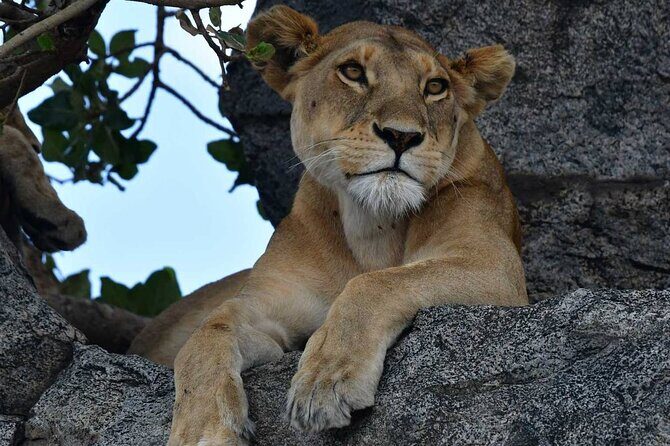
You ride in custom-designed 4×4 vehicles with open roofs for game viewing, plus window seats for everyone. That matters more than it sounds. When you’re scanning for movement—especially cats at a distance—having everyone positioned for sightlines makes a difference.
The “small group” structure is also real. The tour is described as a seat-in-vehicle safari with a maximum of 6 travelers per vehicle, even though the total group size can go up to 15. Practically, that means your guide can spend more time handling the drive and finding animals rather than managing a giant group.
One detail I appreciate: bottled water is provided in the vehicles. You’ll still want to plan for long days, but it removes one common friction point.
Day-by-day: how the route plays out (and what to watch for)
Day 1: Arrive at Kilimanjaro, then Moshi overnight
You land at Kilimanjaro International Airport and clear customs. A driver meets you with a sign and transfers you to Moshi. Overnight is at Springlands Hotel (with breakfast) or similar.
This first day isn’t about wildlife. It’s about getting you rested and ready. If your flight lands late or you’re sensitive to travel fatigue, you’ll be glad there’s a real overnight setup rather than an immediate long drive.
Day 2: Tarangire National Park for elephants, birds, and baobabs
After breakfast you head into Tarangire National Park for a full game drive day. Tarangire is special because the Tarangire River doesn’t dry up, especially important in the dry season. When water stays available, wildlife stays nearby—so your odds improve for both mammals and birds.
You’ll also get a varied feel to the scenery: savannah plains, swamps, hills, and those iconic baobab trees. This park is also a great place to start your safari because animals often appear in and around water zones and open areas where you can spot them sooner.
Day 3: Serengeti move-in day, plus optional culture or Olduvai
Today is the travel day into Serengeti National Park, with time for a game drive en route to your camp. Serengeti’s name comes from Maasai language and means endless plain, which fits how the park stretches out.
Along the way, you can add optional stops:
- Maasai village tour (at your own cost; not included)
- Olduvai Gorge / Olduvai Gorge museum (at your own cost; not included)
Either can be worth it if you want context beyond wildlife. If you’d rather maximize time in prime game-viewing areas, you can skip them and keep your focus on the drive and early Serengeti moments.
Day 4: Full day in Serengeti predator country
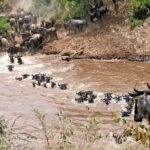
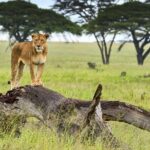
This is one of the core days: a full day of game drives in Serengeti. The park is famous for the Great Wildebeest Migration, and even if you’re not there during peak timing, you still get herds of plains game—wildebeest, zebra, and antelope—and the predators that feed on them.
Serengeti is also all about terrain features. You’ll see different zones: open grass plains in the south, acacia-scattered areas in the center, and the kopjes (rocky outcrops) that break up the view and become hunting stations for predators.
Practical expectation: Serengeti can be “hit or miss” in the short term, but a full day gives your guide time to adjust routes based on animal movement.
Day 5: Ngorongoro Crater—descend for black rhinos and big concentrations
Morning starts with a drive toward Ngorongoro Crater, then you descend for game driving and exploration. This crater is described as about 600 meters deep, 16 km across, and around 265 sq km. It’s also known for being a highly concentrated wildlife setting—often called among the world’s notable natural wonders.
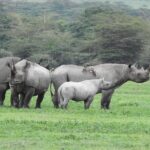
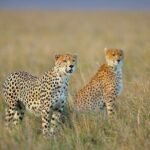
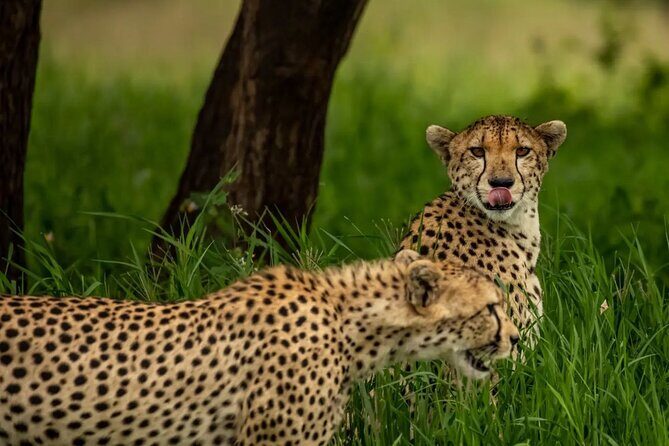
This is where the black rhino story becomes real. Many of Tanzania’s last remaining black rhinos can be seen grazing on the crater floor. You may also see lion, cheetah, eland, zebra, and gazelle, plus birds like flamingos around Makat Soda Lake.
After the crater time, you drive to your lodge for the night.
The main consideration here is physical. You’re descending and spending time at altitude-like conditions on crater rim and floor depending on weather. If you have mobility concerns, it’s worth going easy and taking your time during transfers.
Day 6: Lake Manyara National Park for Rift Valley mix and tree-climbing lions
Today heads to Lake Manyara National Park, set against the Rift Valley escarpment. Manyara has a mix of ecosystems: evergreen groundwater forest, acacia woodland, grassy plains, and swampy areas near the fan delta—plus, of course, the lake.
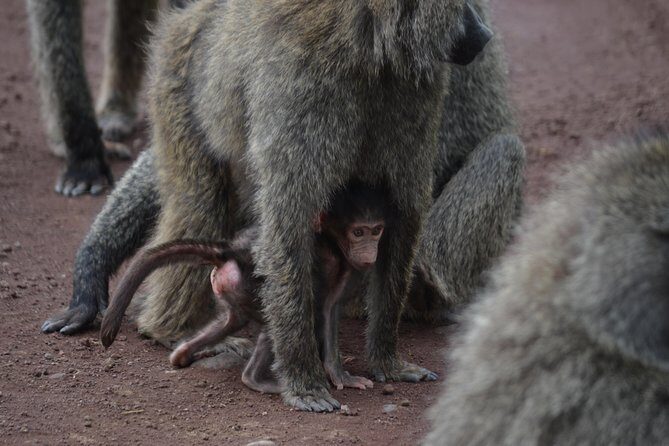
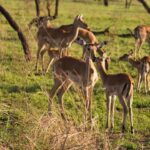
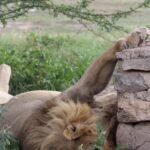
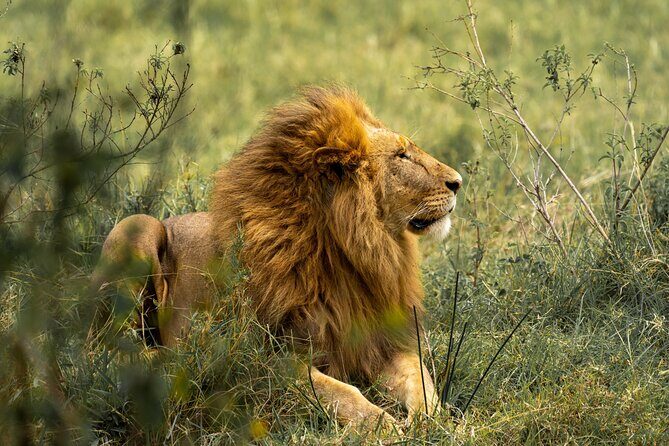
What you’re chasing here is variety, including the chance for tree-climbing lions. You can also see buffalo, impala, giraffe, bushbuck, waterbuck, hippos, and elephants near the lake. Expect monkeys too, including blue monkeys, velvet monkeys, and olive baboons.
This is a day where the wildlife can pop up in different settings, so it helps to stay open-minded. If you’re only thinking about one kind of animal, you might miss other great sightings.
Day 7: Kilimanjaro area morning, then fly home
On the final day you get a morning of leisure, then transfer to Kilimanjaro airport for your flight home.
It’s a relief that the last day isn’t another full driving day. After a week of savanna time, you want a smoother landing, not a rushed departure.
Weather reality: plan for a good day and changing nights
One past guest noted that daytime conditions were consistently good, with rain falling at night. That fits what many people experience in northern Tanzania: you can get clear, productive game drive hours and still have evenings turn wet.
Since you’re in the open-roof vehicle environment, you’ll feel weather more. It’s smart to dress in layers and be ready for surprise rain, especially in shoulder seasons.
Sustainable Travel approach: what you can assume (and what to ask)
The tour is branded as having a Sustainable Travel approach, but the specific sustainability practices aren’t listed in the package details you provided. That doesn’t mean it’s not meaningful—it just means you should look for specifics.
A practical way to handle this: ask the operator what their sustainable travel approach means on the ground. For example, you can ask about group size limits, wildlife viewing rules, vehicle behavior, and how they manage community or local hiring. A good operator should be able to answer clearly.
Even without extra details, this itinerary already helps in one respect: it uses one tight loop across major parks over a week rather than hopping randomly. Fewer unnecessary moves often means a smaller footprint than chaotic “scatter” routes.
How to handle long safari days without burning out
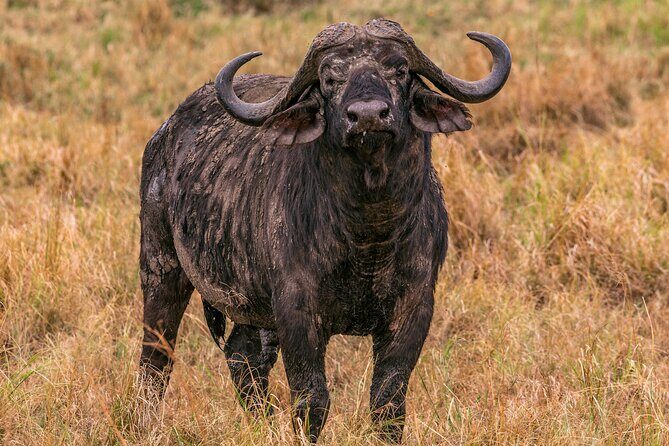
Game drives here are described as around 8 hours on multiple days, and the overall route is packed with major targets. That’s part of the appeal—this is a true safari schedule—but it can also test your patience if you don’t like sitting still.
What helps:
- Use the window seats and ask your guide where you’ll have the best sightlines.
- Stay hydrated. Bottled water is provided in the vehicles.
- Keep your expectations realistic: spotting can take time, and then it happens fast.
Also, you should be in moderate physical fitness range. That doesn’t mean athletic. It does mean you’ll need to manage long sits, transfers, and day-to-day movement without getting too stiff.
Who this classic Big Five safari is best for
This safari makes the most sense if you:
- Want a Northern Circuit highlight reel in about a week
- Appreciate the small-group structure (max 6 per vehicle)
- Prefer a package where park fees and meals are handled
- Are okay with a structured schedule and long days
It’s less ideal if you want lots of free time, slow travel, or a minimalist safari plan. This is built to deliver multiple major parks and major wildlife moments.
Should you book this Big Five safari?
If your priority is seeing the Big Five across the best-known northern parks with smooth logistics, this package is a strong match. The included items—meals, accommodation, park entry fees, transfers, and the professional guide—push the value beyond “just a ride and a promise.”
My “think twice” checklist is simple:
- Are you comfortable with long driving and full game-drive days?
- Do you understand that Masaai village and Olduvai Gorge are optional extras (not included)?
- Are you okay with a non-refundable, no-change booking policy if plans shift?
If those answers are yes, you’re likely to enjoy the pace and the payoff. And if you value classic safari viewing—open roofs, window seats, and a guide who keeps the day moving—this one has the right ingredients.
FAQ
How long is the safari?
It’s listed as 7 days (approximately).
What parks are included on this safari?
The route includes Tarangire National Park, Serengeti National Park, Ngorongoro Crater, and Lake Manyara National Park.
Does the tour include airport transfers and pickup?
Yes. Transfers to and from the airport are included, and pickup is offered. You’re met at Kilimanjaro International Airport and transferred to the Moshi area.
What type of vehicle do you use for game drives?
You travel in custom-designed 4×4 safari vehicles with open roofs for game viewing. It’s seat-in-vehicle with window seats, and there’s a maximum of 6 travelers per vehicle.
Are meals and park entry fees included?
Yes. The tour includes all meals and park entry fees (along with all fees and taxes).
What’s not included in the price?
Not included: international flights, Tanzania visa, travel and health insurance, balloon excursion, gratuities, and the Masaai village tour and Olduvai Gorge tour.
Are the Masaai village tour and Olduvai Gorge included?
They are not included, but you can visit at your own cost.
Can you change or get a refund if you cancel?
No. This experience is non-refundable and cannot be changed for any reason. If you cancel or ask for an amendment, the amount you paid is not refunded.