REVIEW · ZANZIBAR
3 Hour Community Walking Tour
Book on Viator →Operated by Assalam Community Foundation · Bookable on Viator
Zanzibar beyond beaches starts with a footpath. This 3-hour walk with Assalam Community Foundation takes you into everyday island life through a fisherman village, a permaculture farm, a community school, and then a cooking lesson with lunch. I like that it’s built for small-group questions (max 10) and that you actually cook Zanzibari food, not just watch. One possible drawback: it runs best with good weather, so be ready for a weather-dependent reschedule.
You’ll meet at Assalam Community Foundation in Kizimkazi Mkunguni at 10:00 am. The tour is priced at $20 per person, uses a mobile ticket, and is designed so most people can participate. Expect a real walking experience through community areas, plus coffee and snacks with sea views as you go.
In This Review
- Key things I’d put on your radar
- Why a community walk in Kizimkazi Mkunguni beats the usual Zanzibar circuit
- Assalam Community Foundation: what your visit supports
- Stop 1: the Mkunguni fisherman village walk (and why it’s the right opener)
- Permaculture farm tour: learning sustainability in human terms
- Community school: education you can actually picture
- Cooking lesson and lunch: the best souvenir is dinner
- Price and logistics: value for $20, done right
- Who this tour suits best (and who may want another plan)
- FAQ
- FAQ
- Where is the tour meeting point?
- What time does the tour start?
- How long is the community walking tour?
- What does the $20 price include?
- Is there a mobile ticket?
- What is the group size limit?
- Does the tour end back at the meeting point?
- Does the tour depend on weather?
- Is free cancellation available?
- Are service animals allowed?
- Should you book this community walking tour in Zanzibar?
Key things I’d put on your radar

- Small group size (max 10) means fewer people between you and real answers.
- Coffee and snacks with sea views are a nice break, not just a photo moment.
- Permaculture farm stop adds practical, hands-on learning about how people care for land.
- Community school + women-led work themes help you understand the foundation’s goals beyond sightseeing.
- Cooking lesson and lunch means you leave with a new skill and a full meal.
Why a community walk in Kizimkazi Mkunguni beats the usual Zanzibar circuit

Most Zanzibar plans revolve around beaches, spice tours, and historic buildings. This one swaps that script. Instead of looking at Zanzibar from a distance, you walk alongside the place that makes the island work at ground level: fishing communities, schools, and everyday projects tied to long-term support.
What makes it especially appealing is that it doesn’t treat the community like a set. You’re moving through specific parts of the Assalam Community Foundation’s work in a guided, structured way—so you’re not wandering with vague questions. And because the group is capped at 10, you can ask follow-ups without feeling like you’re fighting for time.
You’ll also get a calmer pace than many tours. Three hours is short enough to fit into a busy Zanzibar schedule, but long enough for a real narrative: see the community, learn about sustainability, meet the education side of the work, then end with food you helped prepare.
You can also read our reviews of more walking tours in Zanzibar



Assalam Community Foundation: what your visit supports
This tour is run by Assalam Community Foundation, based right where the experience begins: Kizimkazi Mkunguni. That matters. You’re not just visiting a landmark. You’re spending time in a place that supports education and local development.
The community school component is a big deal here. You’ll learn about the school as part of the tour, and it connects to why the foundation operates the way it does. From what I’ve gathered about how the site is presented, there’s also a strong thread of women’s empowerment—especially linked to skill-building work around the community.
Even if you come for the culture and the walking, you’ll probably leave thinking about something practical: how community support programs change daily life. It’s easier to feel the impact when you’re shown the context instead of handed a brochure.
Stop 1: the Mkunguni fisherman village walk (and why it’s the right opener)
You start in Mkunguni, one of the fisherman villages where the foundation is based. The village walk is about 30 minutes, and the admission ticket for this stop is listed as free.
This is a smart first stop because it sets your compass. Before you hear about farms and schools, you get placed in the island’s working reality: coastal life, community rhythm, and the setting that shapes local priorities. It also helps you understand why later stops make sense. Sustainability and education aren’t abstract here; they connect to how families live and what they need.
You’ll also get coffee and snacks along the way, with sea views thrown in as part of the break. That’s more than comfort. It gives you a moment to reset, take in the water and the village surroundings, and ask questions while everyone’s still settled.
A practical note: since this is a walking tour in community areas, wear comfortable shoes and plan for uneven ground where you can. It’s not a sit-in-a-van kind of outing.
Permaculture farm tour: learning sustainability in human terms
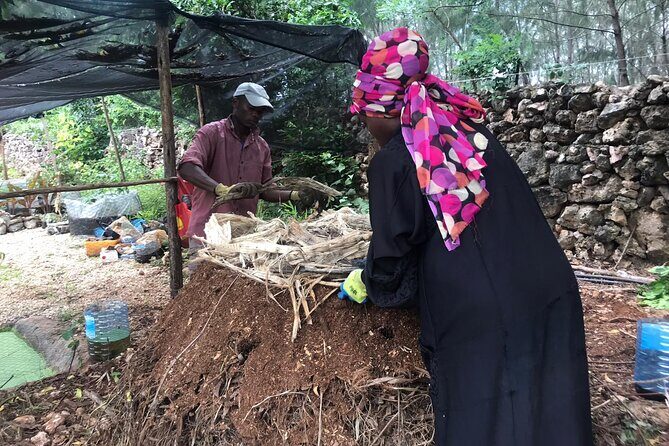
After the village walk, you head to a permaculture farm. This is the part that often surprises people who signed up for “just culture.” Permaculture usually sounds technical, but on a tour like this it’s presented in a way that aims to be understandable: how people organize land and resources to support long-term living.
What I like about including the farm is that it gives you another lens on the community. Fishing village life explains the coast. The permaculture stop explains the inland “how we manage” side. Together, they tell a more complete story than either topic alone.
Because the tour runs about three hours total, you won’t get lost in details. Instead, you’ll get enough to recognize the idea: it’s about working with nature rather than fighting it, and it’s about using knowledge that people can keep building on locally.
If you’re the kind of traveler who enjoys asking simple questions—What are you growing? Why this method? What challenges do you face?—this stop is a good match.
Community school: education you can actually picture
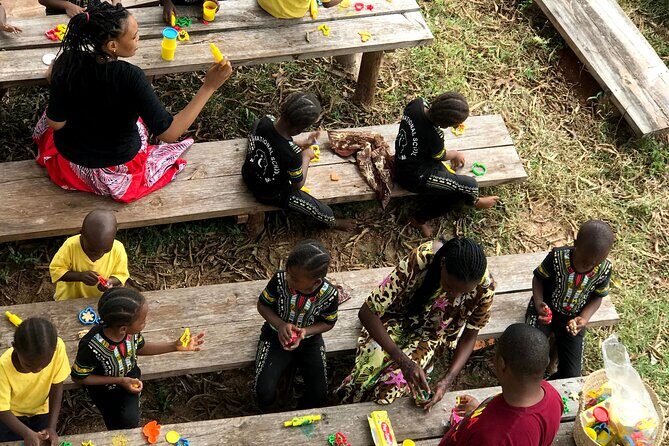
Then comes the community school stop. This is where the tour shifts from scenery to purpose.
You learn about the school as part of Assalam Community Foundation’s work, including how education opportunities tie into broader community support. Based on how the site is described in traveler feedback, the school is also part of the foundation’s focus on empowerment and improving options for local children.
This stop tends to land well because it gives you a concrete example of how support turns into day-to-day routines: a place where kids learn, and a community structure built to last.
One consideration: if you’re a privacy-sensitive traveler, you’ll want to keep expectations respectful. You’re not there to treat this like a sightseeing photo op. You’ll get the most out of it by staying curious and listening.
A few more Zanzibar tours and experiences worth a look
Cooking lesson and lunch: the best souvenir is dinner
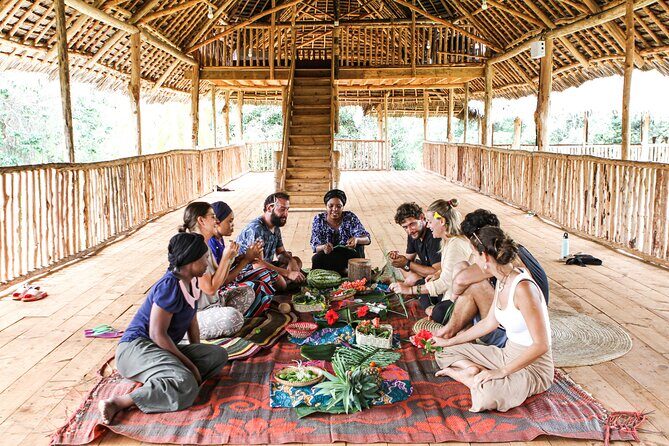
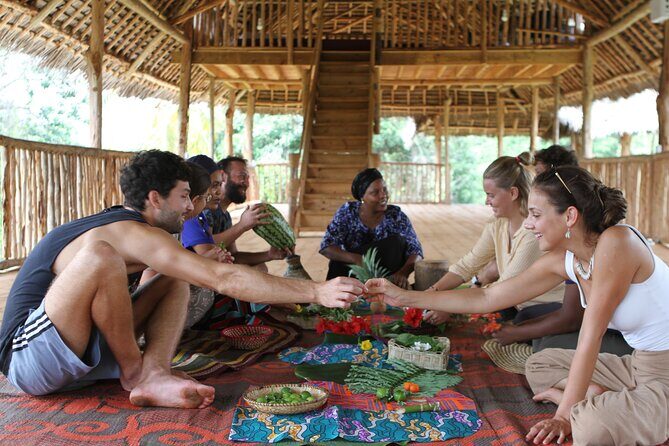
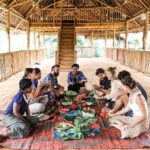
The tour ends with a cooking lesson and lunch. This is one of the best parts because it turns learning into something you can repeat later at home.
You’ll learn to cook Zanzibari food and then dine on what you make. That detail matters. Many tours feed you, but they don’t teach you. Here, the cooking lesson is the bridge between culture and your own senses—smell, texture, and taste. You’ll likely remember the experience more because you can recreate it.
Also, this ending makes the whole tour feel complete. You started by seeing daily life. Then you learned about land and education. Finally, you closed with a meal that’s part of Zanzibari identity. It’s a tidy way to translate what you saw into what you ate.
If you have food allergies, you’ll want to check directly with the operator when you book, since the data you provided doesn’t list specific dietary accommodations. Better to confirm early.
Price and logistics: value for $20, done right
At $20 per person for about three hours, this is priced in the “doable day activity” range. The value comes from what’s included: village walking, farm and school visits, and then the cooking lesson plus lunch. You’re not paying just for transport or a guide’s talk.
You also get structure that reduces hassle. The tour uses a mobile ticket. It starts and ends back at the meeting point at Assalam Community Foundation in Kizimkazi Mkunguni. And it caps at 10 travelers, which helps keep the experience personal rather than rushed.
One more practical perk: service animals are allowed, and it’s listed as near public transportation. It’s also described as suitable for most travelers, which suggests the pace and route are built to be broadly accessible (within normal walking expectations).
Finally, this is a tour that people often book ahead—on average, about 9 days in advance. If you’re traveling in a busy season or have a tight schedule, booking early is a smart move.
Who this tour suits best (and who may want another plan)
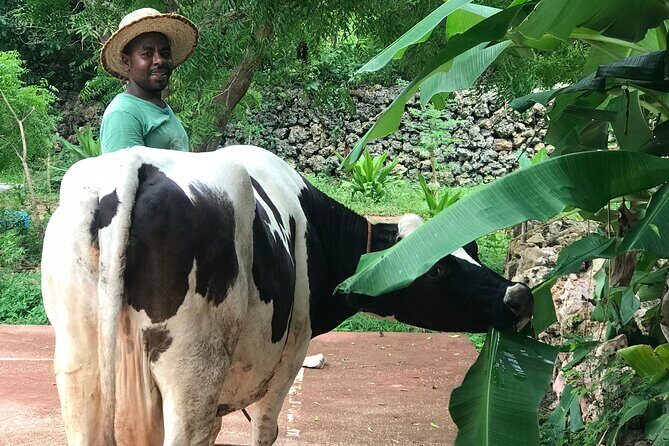
This one is ideal if you want Zanzibar beyond the beach postcard. You’ll enjoy it most if you like cultural learning that’s hands-on and community-centered: asking questions, seeing how projects work, and connecting the dots between fishing village life, land management, and education.
It’s also a good fit if you enjoy food experiences that teach you something real. The cooking lesson and lunch are a strong reason to choose this over a purely sightseeing tour.
Who might think twice? If your dream Zanzibar day is all relaxation, long beach time, and minimal walking, then this won’t match your vibe. This is a community walking tour first. You trade some downtime for a more active, more meaningful day.
And because the tour requires good weather, plan for flexibility. If rain or rough conditions hit, you may get offered a different date or a refund.
FAQ
FAQ
Where is the tour meeting point?
The tour starts at Assalam Community Foundation in Kizimkazi Mkunguni, Tanzania.
What time does the tour start?
The start time is listed as 10:00 am.
How long is the community walking tour?
It runs for approximately 3 hours.
What does the $20 price include?
It includes the guided walking experience with stops at the community areas (including the permaculture farm and community school), plus a cooking lesson and lunch.
Is there a mobile ticket?
Yes, the tour uses a mobile ticket.
What is the group size limit?
This experience has a maximum of 10 travelers.
Does the tour end back at the meeting point?
Yes, it ends back at the meeting point (Assalam Community Foundation).
Does the tour depend on weather?
Yes. The experience requires good weather. If it’s canceled due to poor weather, you’ll be offered a different date or a full refund.
Is free cancellation available?
Cancellation is free up to 24 hours in advance for a full refund. If you cancel less than 24 hours before the experience starts, it’s not refunded.
Are service animals allowed?
Yes, service animals are allowed.
Should you book this community walking tour in Zanzibar?
If you want Zanzibar that feels real and not just photographed, I’d book it. For $20, you get more than a guide’s patter: you get a structured visit to the foundation’s community work, you walk a fisherman village area as context, and you end with a cooking lesson plus lunch.
Book it especially if you’re the kind of traveler who likes learning by doing—smelling herbs, tasting food you cooked yourself, and asking questions in a small group. And if you’re planning a busy day, pick a time when you can handle a few hours of walking and keep an eye on weather, since the tour is weather-dependent.
If your goal is a low-effort beach day, then this won’t be your best match. But if you want the island in your day plan in a way that actually connects to people and projects, this is a strong choice.