REVIEW · ZANZIBAR CITY
Zanzibar: Spice tour + Stone Town Walking tour
Book on GetYourGuide →Operated by ZANZIBAR ADVENTURE · Bookable on GetYourGuide
Spices and sobering history in one walk. This Zanzibar experience pairs a hands-on spice plantation outing with a Stone Town walking tour that explains why the city’s story is so tied to the slave trade.
I love the chance to walk through tropical spice growing up close, then smell and test ingredients like cinnamon, cardamom, black pepper, ginger, vanilla stick, lemongrass, turmeric, nutmeg, and cloves. I also like the private pace in Stone Town, with a guide who can slow down for your questions, including the everyday Swahili life context that makes the past feel real.
The main drawback to consider is emotional weight: the Stone Town portion covers the slave trade from the 17th and 18th centuries, including a visit to the old slave market site. If you are sensitive to this topic, plan for a slower mood afterward, and remember that foods aren’t included.
In This Review
- Key highlights worth planning for
- A 6-hour combo that fits Zanzibar’s best two moods
- Spice plantation walking tour: smell, test, and learn the spice garden logic
- What to consider on the plantation side
- Entering Stone Town with context: slave trade sites and changing empires
- The cultural timeline your guide should help you piece together
- The emotional reality check
- Private guide experience: pace, language, and the value of good answers
- Itinerary flow in plain terms: how the day usually unfolds
- Why this flow makes sense
- Price and what you’re truly paying for at $85
- Who this tour suits best (and who might reconsider)
- Should you book Zanzibar Spice + Stone Town?
- FAQ
- How long is the Zanzibar Spice tour + Stone Town walking tour?
- What is the price per person?
- Is hotel pickup and drop-off included?
- What does the tour include?
- Are meals included?
- What languages are available, and is there free cancellation?
Key highlights worth planning for

- Spice-farm walk with smell and tasting: you get to experience how common kitchen spices actually grow in Zanzibar
- A private Stone Town history focus: slave trade context from the 17th–18th centuries, not just sightseeing photos
- Iconic Stone Town stops on foot: Darajani fish market, Freddie Mercury house area, House of Wonders, and Old Fort
- Multiple cultural layers explained: Persian, Portuguese (Vasco da Gama), Omani Arabs, then British influence
- A standout coconut-tree moment: you may see someone called human butterfly climbing high and singing Hakuna Matata
A 6-hour combo that fits Zanzibar’s best two moods

This is built for people who want two very different sides of Zanzibar without spending a whole day on transport and transfers. You start with a spice plantation walk, where the theme is senses—smell, test, and see how spices are grown. Then you switch gears to Stone Town, where the theme is story, trade, and the heavy role Zanzibar played in the slave trade.
At $85 per person, the value comes from what’s included: hotel pickup and drop-off, guide time, and entrance fees for key sites (spice firm and the slave market site). It’s also private, so you’re not stuck behind someone else’s pace.
You can also read our reviews of more walking tours in Zanzibar City



Spice plantation walking tour: smell, test, and learn the spice garden logic
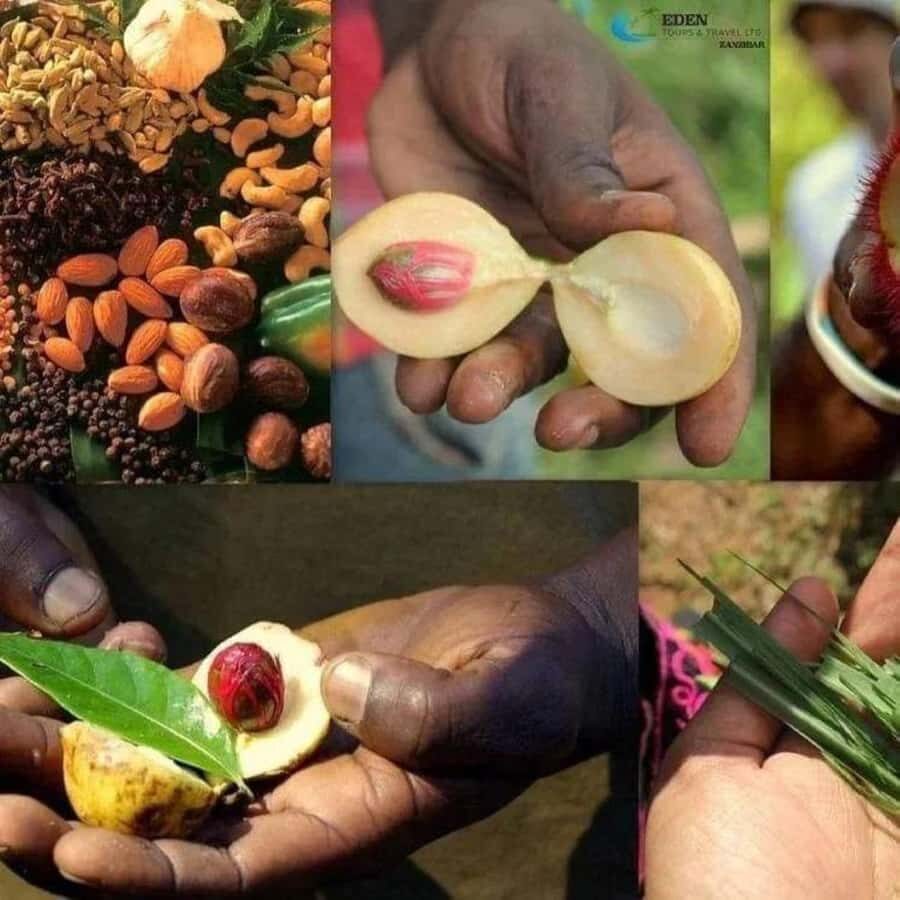
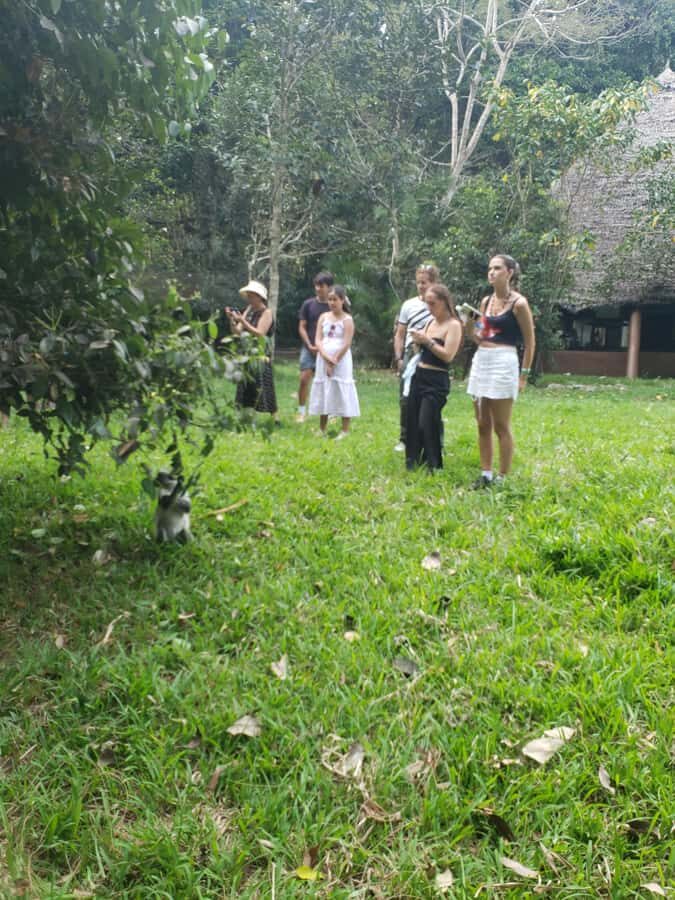
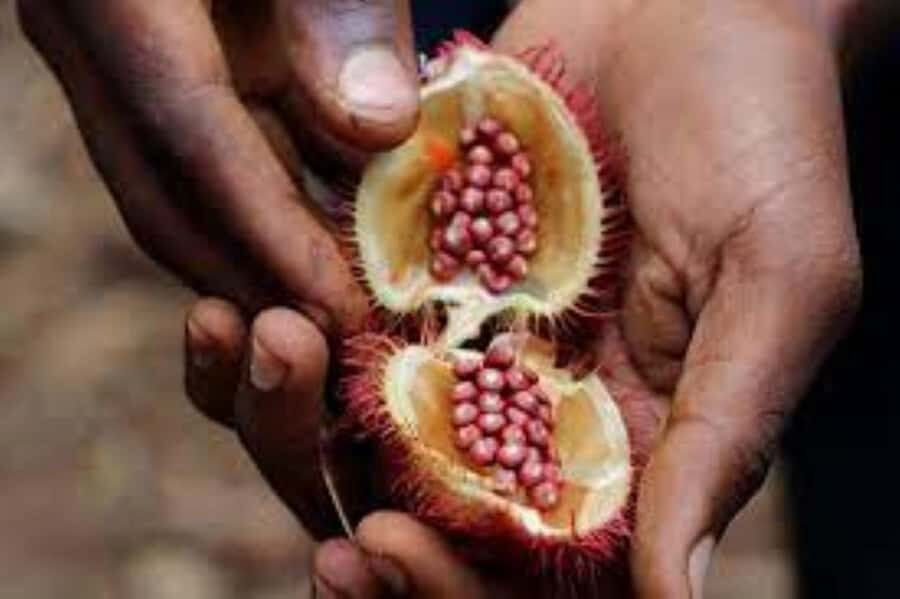
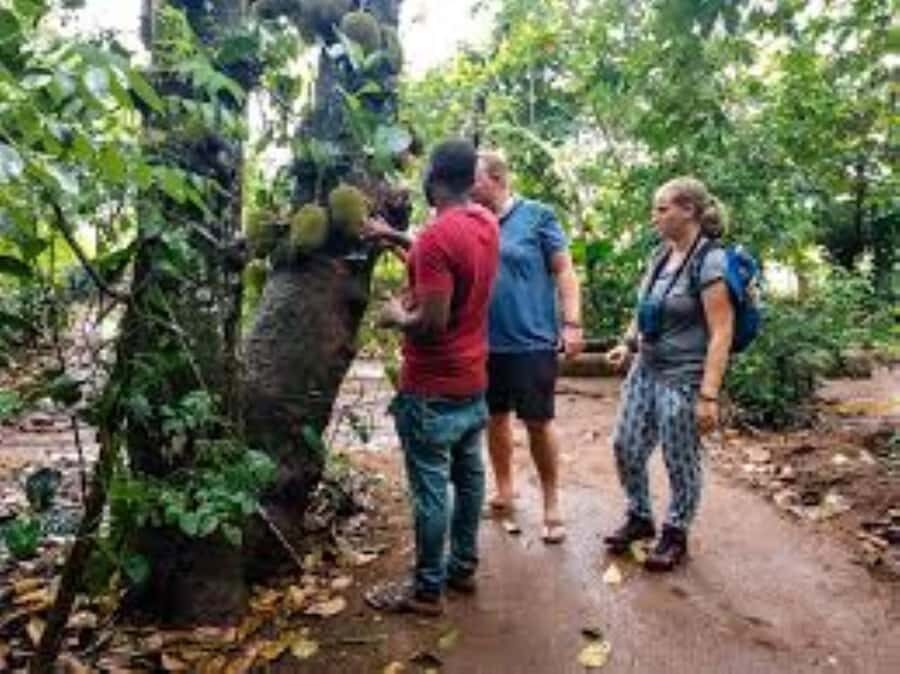
The spice part of the day is the more playful half. You’ll walk to the spice plantation with a guide who helps you connect what you know from cooking to what you see growing on Zanzibar soil. The fun part is that this isn’t just looking at plants behind a fence. You get the chance to see, smell, and test tropical spices and fruits.
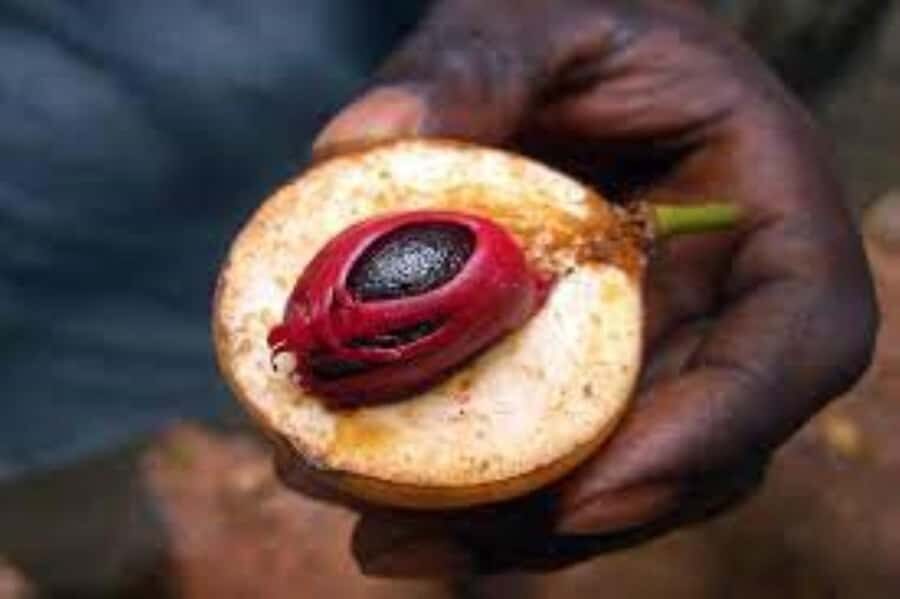
Expect spice names you’ll recognize immediately, plus the sensory details that make them feel more “real” than a spice aisle back home. The tour includes cinnamon, cardamon, black paper, chili/pepper (as listed), ginger, vanilla stick, lemongrass, lemon mint, turmeric, nutmeg, and cloves. It also includes fruit experiences tied to the plantation setting.
What makes this portion especially useful for your trip is that it explains the “nature of spices”—how they’re grown locally and why Zanzibar became known for them. Spices weren’t just flavor. They were trade goods, and the spice economy is one reason Zanzibar’s story ends up connected to bigger world networks and migration routes.
And then there’s the entertainment beat you might catch on the route: you may see someone called human butterfly climbing a coconut tree while singing the Hakuna Matata song. It’s the kind of moment that turns a normal farm visit into something you’ll remember on the long walk back into Stone Town.
What to consider on the plantation side
This segment is very hands-on with scent and tasting. If you have allergies or strong dietary restrictions, ask your guide ahead of time what’s being offered to test. Also, since the tour doesn’t include foods, you’ll want to be ready for snacks on your own later, especially if the plantation tasting makes you feel like you ate a full meal.
Entering Stone Town with context: slave trade sites and changing empires
Once you reach Stone Town, the mood turns serious. This walking tour focuses on the slave trade and why Zanzibar became a center for it, with historical context stretching back to the 17th and 18th centuries. It also connects the dots to why the city is called Stone Town—because it grew and hardened into a trading and holding hub shaped by outside influence.
You visit specific places tied to those stories, including the old slave market site and Darajani fish market. The fish market stop is a good reminder that Stone Town isn’t just a museum. Trade still pulses here, just with different products and a different rhythm.
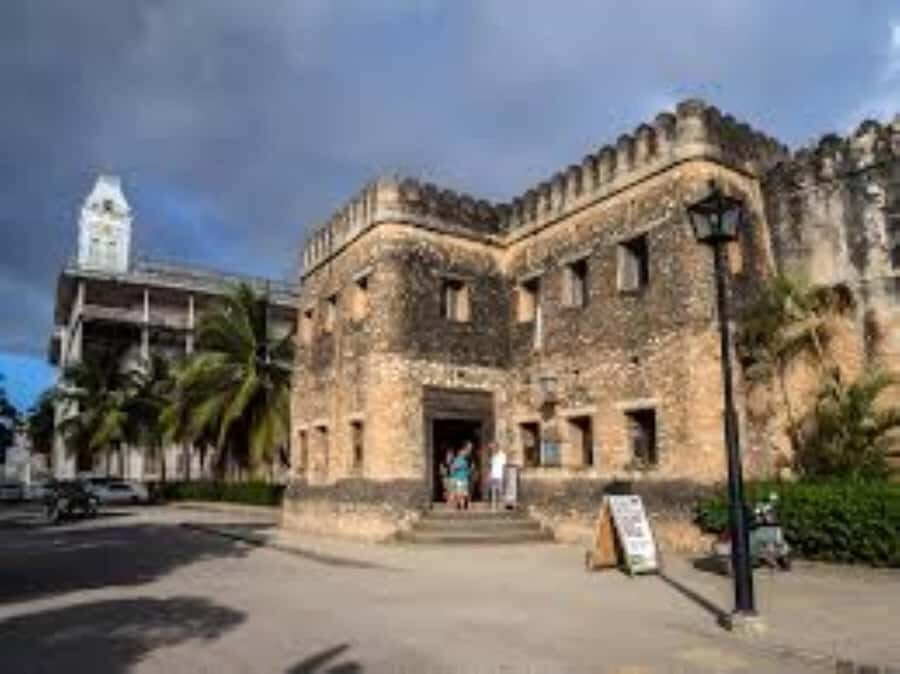
The Freddie Mercury house area is another highlight, but the key is how it’s framed. It’s not just name-dropping; it’s part of understanding how Stone Town’s global reputation sticks around across decades. You also see the House of Wonders and Old Fort—both tied to the way power, architecture, and trade patterns changed over time.
The cultural timeline your guide should help you piece together
One of the most interesting angles of this tour is how it shows the city as a crossroads. You’ll learn that early visitors and settlers included Persians from Iran. Later, the region became tied to Portugal under Vasco da Gama. After that came Arabs from Oman, and later British influence.
That sequence matters because it helps you stop thinking of Stone Town as one single culture preserved in amber. It becomes a living blend—built from repeated waves of commerce and rule, then reshaped by local communities.



The emotional reality check
The tour includes a visit to the old slave market site. That means you should go in mentally prepared for the fact that this history is hard. If you’re traveling with kids or you don’t handle intense historical topics well, it’s worth reassessing your expectations for this day. For many adults, though, this part is exactly why the tour is worth it.
Private guide experience: pace, language, and the value of good answers
This is a private group tour, and that changes how the whole day feels. Instead of squeezing into a rushed train of facts, you can ask questions and get answers tailored to you.
You can also choose a language: English, French, or German. That’s not a small detail in a place where the local story can get complex. When you can understand the guide’s explanations fully, you pick up more nuance about trade and daily life in Zanzibar.
One guide name stands out from the experience feedback: Mu. The consistent theme around Mu is that he’s patient and answers questions clearly, including questions about Swahili life in general. That matters because Zanzibar history isn’t just dates and buildings—it’s people, language, and the way culture holds together despite outside pressure.
Another practical plus: the pickup-and-drop style is handled through the operator’s transport, and feedback notes the vehicle was comfortable and well maintained. For a 6-hour day with walking in both spice gardens and Stone Town streets, comfort on the transfer leg is more important than it sounds.
Itinerary flow in plain terms: how the day usually unfolds
Here’s how the timing typically works conceptually: you’re picked up from your Zanzibar hotel area, then you head out for the spice plantation walk. During that time, you’ll do the sensory spice experience—seeing plants, smelling them, and testing some items. You may also see the human butterfly coconut-tree moment with singing.
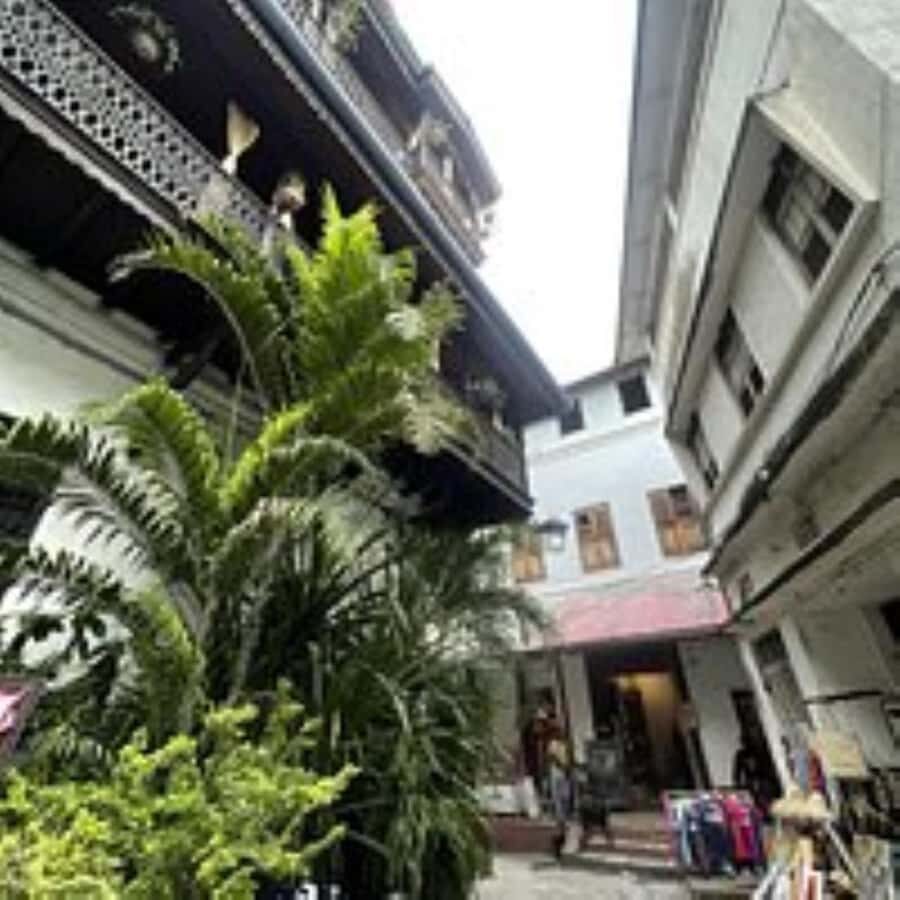
Then you return to Stone Town for a private walking tour that moves through major sights tied to history and trade. The stops you’ll encounter include:
- old slave market site (focused on slave trade context)
- Darajani fish market
- the Freddie Mercury house area
- House of Wonders
- Old Fort
By the end, you’ll return back to Zanzibar, with hotel drop-off.
Why this flow makes sense
This ordering is smart. The spice portion gives you a lighter starting point. Then Stone Town hits with weight, and you still have energy to walk because the day isn’t stacked with back-to-back long transfers.
The only drawback is that you should expect this to be active. It’s a walking day, so wear shoes that can handle uneven streets and cobblestone texture.
Price and what you’re truly paying for at $85
At $85 per person, the ticket price is really about access and guidance. You’re paying for:
- hotel pickup and drop-off
- a guide for the full experience
- entrance at the spice firm
- entrance at the slave market site
Food and personal needs are not included, so plan to handle your own meals or snacks. That’s also why the best value comes if you’re the type who enjoys learning in real time instead of speed-walking past landmarks. A good guide can turn a set of stops into a connected story—and in this tour format, that’s where the money goes.
If you’re deciding between a cheaper option that skips entrances or skips the deeper historical explanation, this one can be the better deal. The entrances and guide time are part of what makes the experience feel complete.
Who this tour suits best (and who might reconsider)
I’d point this toward you if you want:
- a hands-on spice experience with tasting and plant explanations
- a Stone Town walk that includes slave trade history as a central theme
- a private format where you can ask questions and control the pace
It may not be the best fit if:
- you want a purely relaxed, scenic day with no heavy historical content
- you’re only interested in general landmarks without context
And if you’re a history-minded traveler who likes understanding how Persian, Portuguese, Omani, and British influences shaped the city, this tour is built for your curiosity. You’ll walk away with a clearer sense of why Stone Town looks the way it does and why its story became tangled with global trade networks.
Should you book Zanzibar Spice + Stone Town?
Yes, if your ideal Zanzibar day includes both the sensory fun of spice cultivation and the sobering education of Stone Town slave trade sites. The included entrances, hotel pickup, and private guided structure make it a strong value at the $85 price point, especially for people who want more than a quick checklist of sights.
But if slave trade history hits too hard for you, or you prefer sightseeing that avoids difficult topics, consider a different Stone Town option. You can also make the day easier by planning snacks and giving yourself emotional recovery time afterward.
FAQ
How long is the Zanzibar Spice tour + Stone Town walking tour?
The tour duration is 6 hours.
What is the price per person?
The price is $85 per person.
Is hotel pickup and drop-off included?
Yes. Hotel pickup and drop-off are included, and the guide meets you at the lobby of your hotel.
What does the tour include?
It includes hotel pickup and drop-off, entrance at the spice firm, entrance at the slave market site, and a tour guide.
Are meals included?
No. Foods are not included. Personal needs are also not included.
What languages are available, and is there free cancellation?
The live tour guide is available in English, French, and German. Free cancellation is available up to 24 hours in advance for a full refund.