REVIEW · ARUSHA
8 Day Spectacular Migration Serengeti mid -Range Tanzania Safari
Book on Viator →Operated by Lion King Adventures · Bookable on Viator
Migration season turns safari into theater. This 8-day Northern Circuit trip is built for comfort and less hassle, with pickup, park fees included, and direct entry tickets that help you skip long queues. You get the full sequence of Northern highlights: Tarangire’s big-elephant energy, Serengeti’s plains drama, the Mara River crossing window, Ngorongoro’s crater world, and a peaceful end at Lake Manyara.
I like that the itinerary focuses on where wildlife is right now, not just check-the-box stops. You spend dedicated days in the Serengeti’s northern zone when the wildebeest and zebra patterns often bring the herds toward the Mara River, including time aimed at the famous river-crossing moments. I also really love the “real safari” feel of working with a professional driver/guide in a private group setup, not a packed bus.
One thing to plan around: wildlife timing controls the day. Even with set game-drive plans and two migration-focused days, you’re still chasing animals, and sightings can shift with weather and herd movement. Also, the food can feel fairly traditional rather than varied, depending on what you’re hoping for at camp.
In This Review
- Key Reasons This Safari Earns Such Strong Praise
- Starting in Arusha: Pickup, Setup, and a Calm First Night
- Tarangire National Park: Elephants by the River and Predators on the Move
- Serengeti South: Open Plains, Predators, and the Big-Game Rhythm
- The Mara River Migration Window: Two Full Days of Chasing the Herd
- Day 4: Migration Search in Northern Serengeti
- Day 5: Mara River Crossing and the Predator Waiting Game
- Central Serengeti Game Drive Day: Keep Looking Without the Rush
- Ngorongoro Crater: The Volcano World You Drive Into
- Lake Manyara Finale: Birds, Rift Views, and a Smaller Park Feeling
- Price and Value: What $4,257 Gets You (and Where You Still Need to Plan)
- Who This Safari Fits Best
- Should You Book This 8-Day Migration Safari? My Take
- FAQ
- FAQ
- What parks are included on this 8-day safari?
- Where does the safari start, and when does it begin?
- What is included in the tour price?
- What is not included?
- Does the tour include park entry tickets to skip queues?
- Is this a private safari?
- How does the tour handle the wildebeest migration?
- Can I cancel for a full refund?
Key Reasons This Safari Earns Such Strong Praise
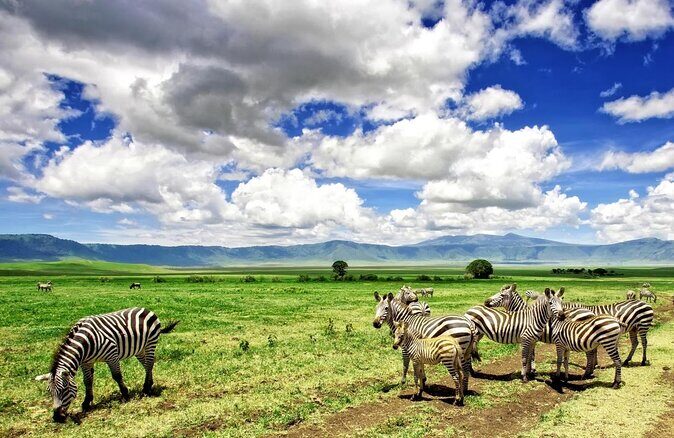
- Two migration-focused days: You get time built specifically around the Mara River crossing scenario, not just a quick peek.
- Direct park entry tickets: Park access is handled for you, which means fewer slowdowns at gates.
- Tarangire’s dry-season “river of warthogs”: Wildlife gathers where water is available, especially elephants.
- Serengeti’s changing zones: The tour moves from open grasslands to hill-and-river terrain as you track the migration.
- Ngorongoro Crater is a whole different ecosystem: A descent into a volcanic amphitheater creates a unique day, not just another drive.
- Guides named for spotting talent: Feedback highlights guides like Oswald, Ozzie, Joseph, Benjamin, Salehe, and Geoffrey Wanka for finding animals and keeping the day moving.
Starting in Arusha: Pickup, Setup, and a Calm First Night
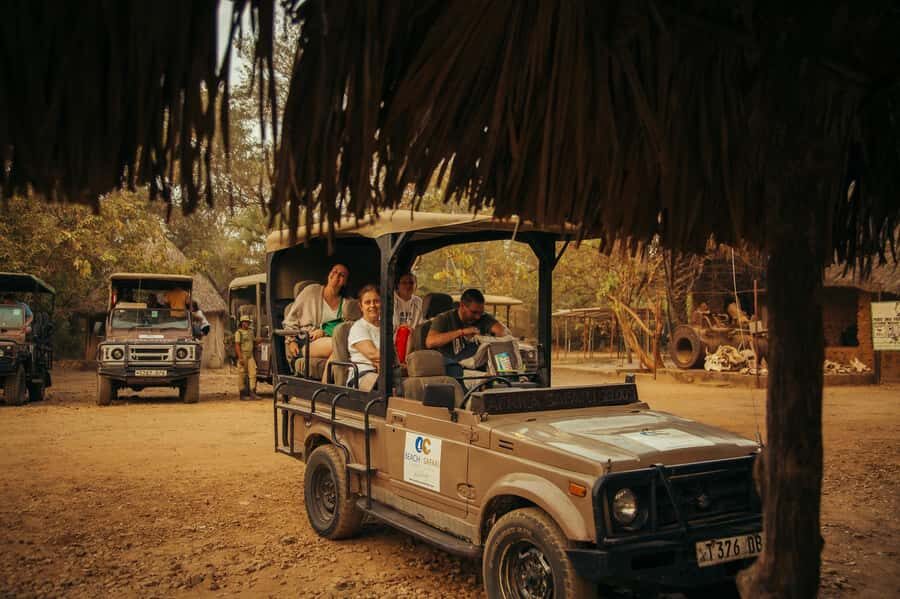
You start in Arusha with an airport pickup by a Lion King representative. From there, you overnight and get your first proper night of rest before the driving begins. Your first lodge stop is Ilboru Safari Lodge, described as an oasis of calm, which is exactly what you want after flying in: a place to reset before you trade pavement for dust roads and early mornings.
This first day matters more than it seems. It buys you time to settle in, confirm you know where you’re going next, and start mentally in safari mode rather than jet-lag mode. The tour also includes the stuff that usually eats up time—accommodation, a professional driver/guide, and taxes/VAT—so you can focus on the actual wildlife part.
If you’re traveling with friends, you may also see the benefit of the tour’s group discount approach. At the same time, the “private tour/activity” detail is important: it’s for your group, not a large shared herd of strangers.
A few more Arusha tours and experiences worth a look
Tarangire National Park: Elephants by the River and Predators on the Move
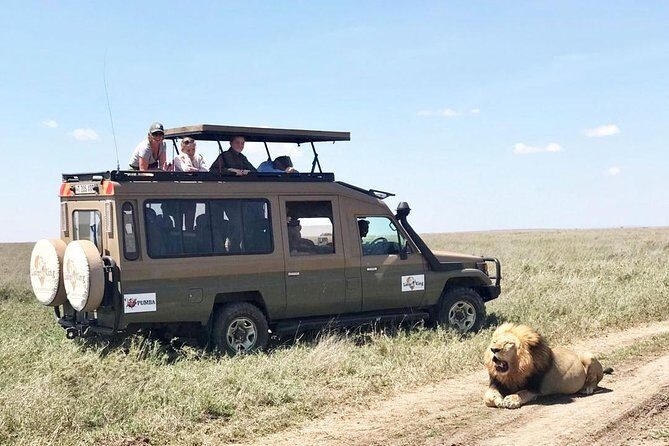
Day two takes you to Tarangire National Park, about a 2.5-hour drive on good tarmac roads. That’s a real plus on a safari schedule: you get a solid stretch of travel without it feeling like punishment. Tarangire is named for the river that runs through it, and the guide will frame it as the region’s key water source during the dry season. In practical terms, this is why the park is so reliable for seeing animals close to each other.
Tarangire’s headline is elephants—families often gather by the river. You might also spot giraffes, bushbuck, and hartebeest. What makes the day feel “alive,” though, is the food chain effect. Predators such as lions and leopards tend to track where herbivores are concentrated, so game drive time isn’t just for photos; it’s for watching behavior—who’s drinking, who’s wary, who’s hunting.
A possible drawback here is also the reality of dry-season wildlife viewing: when everyone is gathering at the same water point, drives can feel a little repetitive if you’re expecting huge variety of scenery. Still, repeat sightings often turn into better sightings as the guide reads the animals’ signals.
Serengeti South: Open Plains, Predators, and the Big-Game Rhythm
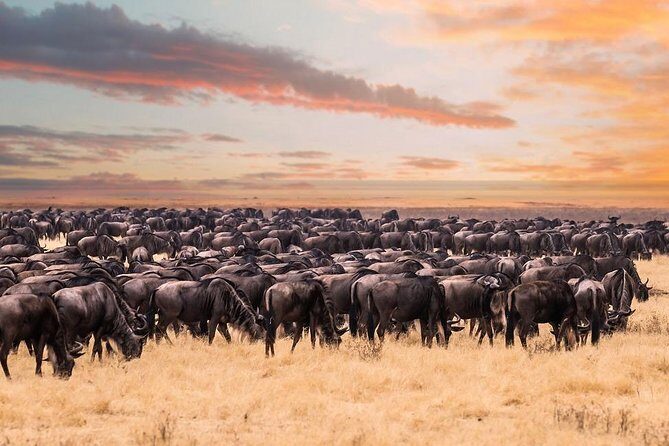
On day three, you head toward Serengeti after breakfast, with the drive passing through the Ngorongoro Conservation Area. There’s a chance to stop and see Ngorongoro Crater along the route, before continuing into the south Serengeti zone.
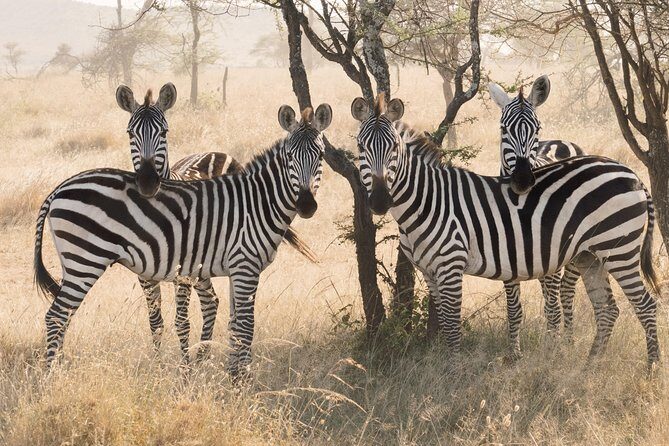
This is the Serengeti many people imagine: vast, open grasslands where wildlife sightings can be excellent because there’s space for animals to show up at distance. The tour description includes a wide range of species you may encounter—impala, buffalo, crocodiles, and hippos—plus predators like lions, cheetahs, and leopards when the timing lines up.
Here’s what I’d watch for if you want the best odds: the guide’s ability to spot and position your vehicle. Feedback often points to guides like Salehe and Joseph for finding animals at distance, so you’re not just sitting and hoping. A good driver/guide setup can change your day from “we drove a lot” into “we caught the action.”
After the game drive, you head to your accommodation in time for dinner. That rhythm—drive, game viewing, recharge—keeps you steady for the longer migration days ahead.
The Mara River Migration Window: Two Full Days of Chasing the Herd
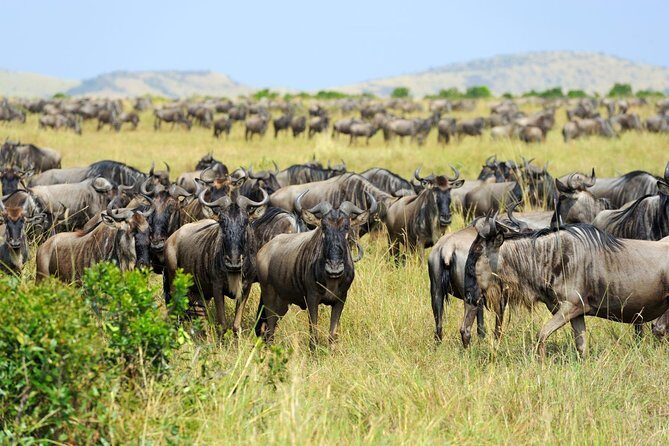
Days four and five are the heart of this safari: migration time inside Serengeti’s northern region. The tour frames it clearly: the great migration happens in an annual pattern, and the herds can be found in different areas depending on the month. For this itinerary, the expectation is that the migration is in the Northern Serengeti, which matters because the Mara River is the dramatic bottleneck people dream about.
Day 4: Migration Search in Northern Serengeti
You wind through the Serengeti toward the northern area, stopping along the way for more wildlife chances. This day is about getting into the right region so you can track movement. Even if you’re not yet at the river edge, you’re seeing the “migration engine” at work—wildebeest, zebra, and antelope following fresh grazing patterns.
If you love wildlife that feels in motion rather than wildlife that feels staged, you’ll likely prefer these migration days to the more straightforward “big animals in predictable habitat” days.
Day 5: Mara River Crossing and the Predator Waiting Game
Day five is the page-turner. The scenery shifts here into hills, riverine forests, plains, and rocky outcrops. Then the Mara River cuts through the area, setting the stage for the crossing.
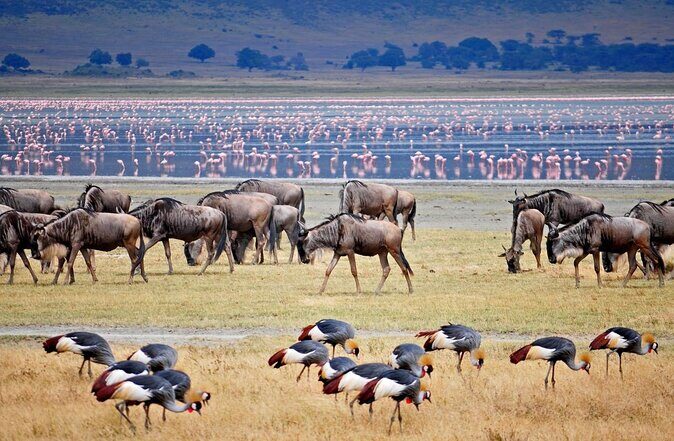
The tour description doesn’t shy away from the scale: over two million wildebeest, along with hundreds of thousands of zebra and antelope, attempting to cross the river for grazing and water. And yes—the crocodiles are a major part of the tension. Nile crocodiles are mentioned directly as making it harder for the herds, while lions, hyenas, leopards, and cheetahs may wait on the other side.
This is the day where a skilled guide matters even more than luck. You want someone who understands where to position the vehicle and when to move. Feedback highlights guides like Benjamin and Ozzie as experts at spotting animals, which is exactly what helps you make the most of a day where the action can change fast.
Central Serengeti Game Drive Day: Keep Looking Without the Rush
On day six, you return slowly toward central Serengeti with an en route game drive. The idea is simple: every day in the Serengeti can be different, and the tour gives you time to keep searching without making this a “race to the next stop.”
This part can be a relief after the intensity of the migration days. Instead of chasing one specific event, you get a more classic Serengeti experience: find animals, watch predator-prey interactions, and let the guide’s planning bring you to good viewing spots.
A practical consideration: the Serengeti is big, and drives can feel long even when you’re excited. The win here is that the schedule doesn’t just shove you onward nonstop; it builds in enough time to make the day feel worthwhile.
Ngorongoro Crater: The Volcano World You Drive Into
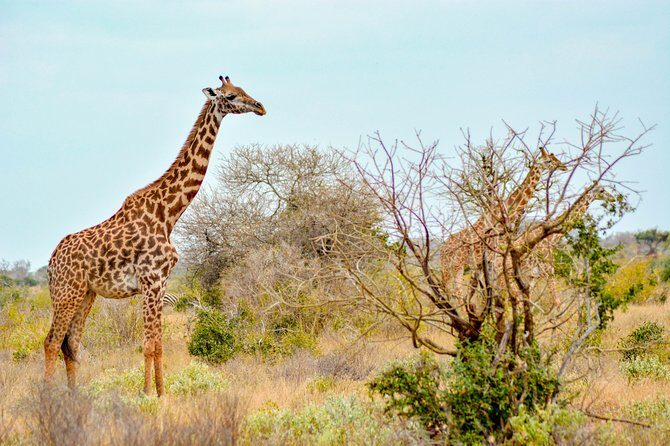
Day seven is Ngorongoro Crater time. You gently wind through Serengeti and the Ngorongoro Conservation Area, with another wildlife chance en route—giraffes are specifically mentioned as a common sight on lush slopes. You should reach the crater by lunchtime.
Ngorongoro Crater hits different because it’s like stepping into a sealed world. The tour describes steep volcanic walls hiding savannah, acacia woodland, and glistening lakes and swamps. Geologically, it traces back to a volcano explosion and collapse about two to three million years ago, which is a wild way to think about what you’re looking at: wildlife living inside a natural amphitheater shaped by deep time.
The drive down into the crater is also part of the day’s payoff. It’s not just transportation; it’s an experience. And because the crater concentrates animals into a smaller area than the open plains, game drives here often feel focused and “close,” even when sightings are still unpredictable.
The only real drawback is timing and patience. Crater days can involve longer holds and careful road movement as everyone manages viewing positions, but that’s also what makes the experience feel controlled and special.
Lake Manyara Finale: Birds, Rift Views, and a Smaller Park Feeling
Your final park is Lake Manyara on day eight, about 120 km west of Arusha. Lake Manyara is described as small and diverse, with the Great Rift Escarpment towering over the western boundary. That’s a nice change of pace after the big open-space feel of Serengeti.
The park’s namesake is a shallow salt lake that floods and dries with the seasons. That seasonal rhythm affects what you’ll see, especially birdlife. The tour notes thousands of wading birds and includes flamingos, along with over 500 bird species. If you enjoy birds as much as mammals, this is a strong finish.
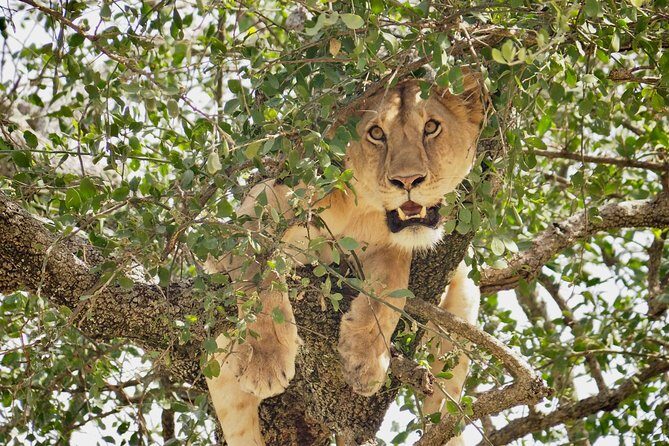
It also isn’t only birds. Baboons and elephants are mentioned, and you may see them in thick evergreen forest. The description also hints at tree-climbing behavior, so keep your eyes up and scan branches when you’re near the right habitat.
This last day is a gentle landing. You’ll have the satisfaction of having seen the migration and the crater, without ending on a high-pressure “make it happen” schedule.
Price and Value: What $4,257 Gets You (and Where You Still Need to Plan)
The tour price is listed at $4,257 per person for the 8-day experience. That’s not cheap, but for a mid-range Northern Circuit safari with multiple parks, it can feel fair when you compare what’s included versus what most travelers end up paying separately.
Here’s the value breakdown based on what the tour includes:
- Park fees and entry handling (including direct tickets that help you avoid queues)
- All accommodation across the route
- A professional driver/guide and all taxes/VAT
- Meals: breakfast each day, plus lunches (7) and dinners (6)
You don’t have to budget for park access on your own, and you’re not coordinating transport between regions. That reduces risk. Safari planning can go wrong when you’re missing a ticket, delayed by paperwork, or short on time. This itinerary is built to remove those friction points.
What’s not included is also clear: international flights, any extra accommodation before or at the end, and tips. If you want a clean budget, set aside money for gratuities and assume you’ll still pay for airfare to get to Tanzania.
Who This Safari Fits Best
This safari is a strong match if you want the Northern Circuit highlights in one go, with Serengeti migration focus as the centerpiece. It also suits you if you like structure but still want flexibility within safari driving—wildlife rarely follows a neat timetable, so having a guide and driver handling the day-to-day decisions is a big deal.
It may not be ideal if you’re the type who hates long days in the vehicle. Transfers between parks are part of the deal, and the schedule includes several drive days. Also, if you expect highly varied gourmet dining, the tour’s meal style may feel more traditional than fancy, based on the feedback tone you’ll see.
Should You Book This 8-Day Migration Safari? My Take
If your dream is to be in the Serengeti during the migration window, this itinerary is one of the more sensible ways to do it because it commits real time: multiple Serengeti days, including two built for the Mara River crossing possibility. You also get the full Northern mix—Tarangire for dry-season concentrations, Ngorongoro for that volcanic crater effect, and Lake Manyara as a bird-and-forest finish.
I’d book this if you value convenience (tickets, park fees, accommodation, driver/guide) and you’re excited by the chase nature of safari wildlife viewing. I’d think twice if you’re extremely picky about food variety or if you’re not comfortable with the fact that migration and predators still run on animal time, not human time.
FAQ
FAQ
What parks are included on this 8-day safari?
The safari covers Tarangire National Park, Serengeti National Park, Ngorongoro Crater (within the Ngorongoro Conservation Area), and Lake Manyara National Park.
Where does the safari start, and when does it begin?
It starts in Arusha, Tanzania. The start time is listed as 8:30 am.
What is included in the tour price?
The listed inclusions are park fees, all accommodation, a professional driver/guide, all taxes/VAT, breakfast each day, and meals including lunch (7) and dinner (6).
What is not included?
International flights, any additional accommodation before and at the end of the tour, and tips are not included.
Does the tour include park entry tickets to skip queues?
Yes. The tour is described as including direct entry tickets so you can avoid long registration queues at the parks.
Is this a private safari?
It’s listed as a private tour/activity, meaning only your group participates.
How does the tour handle the wildebeest migration?
The itinerary includes migration-focused days in the Serengeti’s northern region. The migration happens in different places depending on the time of year, and the tour is scheduled so you’re looking in the areas where the migration is usually found during that period.
Can I cancel for a full refund?
Yes. Free cancellation is allowed up to 24 hours in advance of the experience start time for a full refund.