REVIEW · ZANZIBAR CITY
Zanzibar: Spice Tour, Prison Island and Stone Town Tour
Book on GetYourGuide →Operated by Zanzibar Blue Paradise Tour and Safaris · Bookable on GetYourGuide
If you like your travel days hands-on, this one fits. It mixes a spice farm walk with animal-filled Changuu Island, then finishes in Stone Town where history and markets sit on the same streets. You’ll spend the day moving from scent to sea to alleyways, and it all feels connected instead of like three random stops.
I particularly love the way the shamba tour turns spices into something you can actually understand. You touch, smell, and taste crops like clove, cinnamon, nutmeg, turmeric, vanilla, and black pepper, then hear how they’re grown. One consideration: snorkeling may not always play out the way you expect, even though snorkeling gear is listed—so it’s smart to clarify on the day and pack snacks for a long outing.
In This Review
- Key points to know before you go
- A Full-Day Triangle: Spice Farm, Changuu Island, and Stone Town
- On the Shamba: Smelling, Tasting, and Learning Zanzibar’s Spice Roots
- What you’ll likely smell and taste
- Lunch reality check
- Prison Island (Changuu): Tortoises, Island Wildlife, and Sea Air
- What the island feels like
- Snorkeling Time: Gear Included, But Confirm How It’s Used
- How to make your water time go smoothly
- Stone Town Walking: Markets, Slave Market Sites, and Old-School Streets
- What to look for while you walk
- The Tour Guide Factor: Why Hussain’s Approach Gets Noticed
- Price and Value: Is $100 Per Person Fair?
- Where the value can slip
- Who This Tour Fits (and Who Might Want a Different Plan)
- Should You Book This Zanzibar Spice Tour and Prison Island Combo?
- FAQ
- What time does the tour start?
- What’s included in the snorkeling gear?
- Does the tour include lunch?
- What places are visited during the day?
- How much does the tour cost?
- What languages are available for the tour?
Key points to know before you go
- 9:30 hotel pickup starts the day quickly, so plan for a full schedule.
- Shamba spice tasting is interactive: you’ll smell and taste seasonal fruits and spice crops.
- Prison Island (Changuu) highlights include giant tortoises and a nature trail.
- Wildlife sightings can include tortoises plus peacocks and antel/antelopes in the island grounds.
- Snorkeling gear is included, but you should still set expectations clearly when you arrive.
A Full-Day Triangle: Spice Farm, Changuu Island, and Stone Town
This tour is shaped like a triangle across Zanzibar’s south and central sights: start with a farm, then head to Prison Island (Changuu Island), and close with a Stone Town walking tour. The big win is flow. You’re not just collecting stamps—you’re building a story, starting with how Zanzibar’s spices grew, then moving to how the island coastline and trade routes shaped everyday life.
You’ll be picked up from your hotel around 9:30 after breakfast. From there, the day keeps moving: farm time, then a boat ride to the island, then back to Stone Town for the city walk and shopping stops.
You can also read our reviews of more tours and experiences in Zanzibar City.



On the Shamba: Smelling, Tasting, and Learning Zanzibar’s Spice Roots
The morning portion happens at a spice farm (shamba), and it’s designed as a walking experience rather than a quick photo stop. The guide talks through cultivation and uses, and you’re meant to engage with the plants. That means you don’t just see clove trees and spice vines—you learn what parts people use and how the crops fit together.
Zanzibar’s spice reputation didn’t appear out of nowhere. Portuguese traders helped introduce many spices to the islands back in the 16th century, bringing them through their trade networks from South America and India. On the tour, that history matters because it explains why Zanzibar became a major producer of spices like clove, nutmeg, and cinnamon—and why the farm walk feels more meaningful than a generic herb garden.
What you’ll likely smell and taste
The farm experience includes tasting and smelling a long list of crops and fruits. Depending on what’s in season, you can expect highlights such as:
- Clove, lemongrass, nutmeg, cinnamon
- Turmeric, vanilla, coconut
- Papaya, chili, black pepper
- Jackfruit, cardamom, cassava
- Oranges, plus other seasonal fruit
For you, the value here is sensory learning. Spices are easier to remember when you’ve smelled them up close, handled the plants, and tasted them in context. It’s also a nice change of pace if you’ve already seen Zanzibar beaches and want something that feels rooted in local work.
Lunch reality check
A traditional Swahili lunch at the farm is part of the farm experience, but lunch is listed as not included. So treat the lunch moment as a chance to try food on your own terms, not something fully covered in the tour price. Since it’s a long day, I’d plan for hunger the practical way: carry water, and bring a couple of snacks you can use if the day runs tight.
Prison Island (Changuu): Tortoises, Island Wildlife, and Sea Air
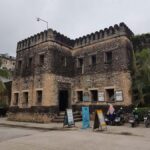
After the spice farm, the tour heads to Prison Island (Changuu Island). Despite the name, what you’re really going for here is the animal sanctuary and the atmosphere on the island. It’s the kind of place where the pace slows because the tortoises take their time—like, really take their time.
The standout attraction is the Aldabra Giant Tortoise Sanctuary. These tortoises are described as not indigenous, but they are treated as a major visitor draw. You’ll see both younger adults and very old individuals; the tour information highlights an oldest tortoise of around 200 years, with animals averaging around 200 kg.



What the island feels like
You’ll enjoy a nature trail during your visit. That matters because you’re not trapped in one viewing spot—you get to walk and look for wildlife. Expect to encounter more than tortoises, too. The highlights include peacocks and antel/antelopes, so your time there can feel like a small wildlife circuit rather than just an animal photo line.
Also, you get sea views and island greenery that contrast with Stone Town. That change of scenery is part of why the day works. You’re not going from farm to city; you’re going from farm to wildlife and water, then to the streets.
Snorkeling Time: Gear Included, But Confirm How It’s Used
Snorkeling is listed as part of the experience, with snorkeling gear included: life jacket, mask, and flippers. The promise is crystal clear water and a chance to see coral reefs.
Here’s the practical catch: one experience report flagged a mismatch between the snorkeling claim and what happened on arrival—specifically that snorkeling equipment wasn’t available and the activity was described as more limited. I can’t guarantee how your day will run, but I can tell you the smart move: at check-in or before you get in the water, ask what’s available for snorkeling in practice and how the activity will be managed that day.
How to make your water time go smoothly
- Wear swim clothes under your outfit so you’re not wasting time.
- Keep your mask and fins secure in the bag before getting on the boat.
- If snorkeling conditions look questionable, don’t treat it like a disaster. The island itself still delivers with the tortoises, wildlife trail, and the nature of the coastline.
If you’re the type who needs reliable snorkeling, ask questions early. If you’re okay with “water time plus island time,” you’ll still likely enjoy the day.
Stone Town Walking: Markets, Slave Market Sites, and Old-School Streets
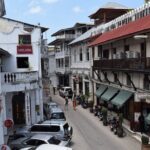
Stone Town is the final act, and it’s the one that rewards good pacing. This isn’t a drive-by. You’ll do a stone town tour that can include historical sites, slave market areas, and daily markets, plus the feel of narrow streets where you’ll notice architecture blending multiple cultures.
Stone Town’s cultural mix is part of the point. Zanzibar reflects influences from Arabian, Indian, Persian, and European worlds, and it was designated a UNESCO World Heritage Site in 2000. So when you’re walking through markets and lanes, you’re also walking through layers of trade history.
What to look for while you walk
A good city walk here isn’t about ticking boxes. It’s about recognizing how the streets work:
- You’ll pass daily markets, where the “local life” part is right in front of you.
- You’ll see areas associated with the slave trade, which helps explain why Zanzibar’s history is so central to the island’s identity.
- You’ll have time for shopping, which is easiest if you keep a budget and avoid decision fatigue.
If you want a more fun shopping strategy, I’d do it like this: browse first without buying, then circle back after your street tour. That way you don’t buy the first item you like and later wish you compared prices.
The Tour Guide Factor: Why Hussain’s Approach Gets Noticed
A recurring highlight is the guide’s role in turning three locations into one story. Several accounts name Hussain as the person who made the day flow well. What stands out in the feedback: he explains clearly, keeps the group comfortable, and adjusts the timing if you need a bit more or less time at each stop.
That matters because the day has multiple parts that can stretch. If your spice farm time runs long, the island and Stone Town portion can feel rushed. If you spend too little time at the farm, you miss the sensory learning. A guide who can balance the minutes helps you get the best version of the itinerary without you feeling like you’re chasing a schedule.
Language options are also built in. The experience lists guide languages including English, Spanish, Italian, German, and French, which is handy if you want to understand details without relying on a translation app.
Price and Value: Is $100 Per Person Fair?
At $100 per person, this tour is priced like a mid-range Zanzibar day trip that bundles transportation, guides, and entry fees. The included items help explain the cost:
- Hotel pickup and drop-off
- Snorkeling gear (life jacket, mask, flippers)
- Tour guide
- Boat ride
- Entry fee
What you’re paying for isn’t just “three stops.” You’re paying for the connective tissue: guided learning at the spice farm, a structured island visit with a nature trail, and a city walk where local context can make markets and historical sites easier to read.
Where the value can slip
The two value risks are practical:
- Lunch isn’t included, even though farm lunch is part of the experience story. That means your real out-of-pocket cost can creep up if you get hungry.
- Snorkeling expectations may need a quick reality check on the day. If snorkeling is your top priority, ask about how it will work before you commit.
If you’re coming for the mix—spices, islands, and Stone Town—you’re likely to feel you got your money’s worth. If you’re laser-focused on snorkeling only, I’d treat this as an island-plus-tour day first, snorkeling second.
Who This Tour Fits (and Who Might Want a Different Plan)
This is a good match for you if:
- You like interactive tours where you touch, smell, and taste rather than just listen.
- You want a balanced day: farm learning, wildlife sanctuary time, then city streets.
- You enjoy historical context, especially when it’s connected to what trade made possible.
It may be less ideal if:
- You want a long, relaxing beach day instead. This tour is structured and fast-moving.
- Snorkeling must be guaranteed. The gear is listed as included, but real-world execution can vary.
If you’re traveling with kids or older adults, the plan can still work because the island visit and city walking are guided. Still, take into account that it’s a full-day schedule starting at 9:30, so bring patience and plan for breaks when you can.
Should You Book This Zanzibar Spice Tour and Prison Island Combo?
I’d book it if you want a Zanzibar day that teaches you something real and still gives you variety. The spice farm shamba walk is the strongest reason, because it turns Zanzibar’s spice identity into something you can taste and remember. Add Prison Island with its giant tortoises and island wildlife, and you get a day that feels like more than a checklist.
If you do book, do two things to protect your day: bring snacks since lunch isn’t included, and confirm snorkeling expectations when you’re there. If you can do that, this tour becomes a very solid value for $100.
FAQ
What time does the tour start?
Pickup from your hotel happens in the morning at 9:30, after breakfast.
What’s included in the snorkeling gear?
The tour includes a life jacket, mask, and flippers.
Does the tour include lunch?
No. Lunch is not included, even though a traditional Swahili lunch is part of the farm experience.
What places are visited during the day?
You visit a spice farm (shamba), Prison Island (Changuu Island), and then take a Stone Town city tour.
How much does the tour cost?
The price is $100 per person.
What languages are available for the tour?
Languages listed include English, Spanish, Italian, German, and French.