REVIEW · ZANZIBAR
Zanzibar Stone Town Private Walking Tour
Book on Viator →Operated by abdulzanziguide · Bookable on Viator
Stone Town rewards slow walking. This private 3-hour tour turns a confusing maze into a clear story, led by guides like Abdulrazak (often called Abdul) and sometimes his team members including Mcha, Mohammad, or Omar. I love that you get to see big landmarks plus the small in-between details that explain how the city worked. You’ll also be in a UNESCO World Heritage Site without having to guess what you’re looking at.
One thing I particularly like is the mix of eras: Portuguese-era structures, Swahili and Arab influences, and the Christian architectural marker of the Anglican Cathedral. Another plus: you’re not stuck in a rigid group schedule, since it’s private. The main drawback is simple—Stone Town streets can feel tight and busy, so if you hate walking or crowds, you’ll want to plan your pace.
In This Review
- Key Highlights You’ll Actually Care About
- Stone Town Orientation Starts at Forodhani Gardens
- Why Fuerte Viejo Matters: Portuguese Fort Feel, Not Just Photo Stops
- House of Wonders Ruins: Learning the Name Behind the Legend
- Sultan’s Palace Museum and the Old Dispensary: Power, Purpose, and Daily Life
- Anglican Cathedral and the Old Slave Market Area: Faith and Hard History in One Walk
- What Makes This Tour Feel Different: Abdul’s Style and the Private Format
- How the 3-Hour Timing Works (and How to Prepare)
- Price and Value: $26 for a Guided UNESCO Walk
- Who Should Book This Stone Town Walk?
- Should You Book This Zanzibar Stone Town Private Walking Tour?
- FAQ
- Where does the Zanzibar Stone Town Private Walking Tour start?
- How long is the walking tour?
- Is this tour private?
- What’s the price per person?
- What’s included in the tour price?
- Is lunch included?
- Do I receive a mobile ticket?
- When will I get confirmation after booking?
- Is the tour suitable for most travelers?
- What’s the cancellation policy?
Key Highlights You’ll Actually Care About
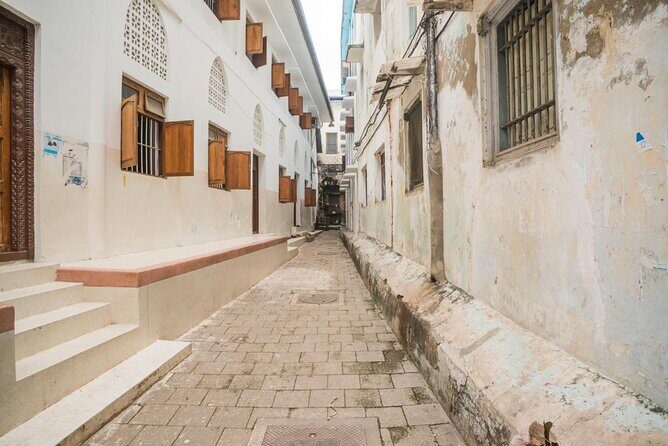
- Private, small-group feel: It’s just your group, not a big pack.
- Forodhani Gardens start point: A great way to orient yourself right away.
- Portuguese 17th-century stop: You’ll pass Fuerte Viejo de Zanzibar, built by the Portuguese.
- House of Wonders ruins context: You learn why the building’s name became famous across East Africa.
- Church architecture stop: The Anglican Cathedral is highlighted as an important early Christian example in East Africa.
- Admission ticket included: You’re not paying extra for entry fees on top of the tour price.
Stone Town Orientation Starts at Forodhani Gardens
If Stone Town is your first stop in Zanzibar, this is a smart way to get your bearings fast. The tour begins around Forodhani Gardens, right where the historic heart of the city starts to make sense. You’re set up to walk the old corridors with a guide reading the city like it’s a map.
I like that the start isn’t random. Forodhani Gardens sits in a spot that connects what you’ll see next: fortifications, royal spaces, and religious landmarks, all tied to how Stone Town became a trading hub. You’ll likely notice how the streets funnel you from open spaces into narrow lanes, which is part of the experience.
Practical note: bring water and wear shoes you trust. You’re walking through heritage streets, not museum hallways, and you’ll cover real ground in about 3 hours.
You can also read our reviews of more walking tours in Zanzibar



Why Fuerte Viejo Matters: Portuguese Fort Feel, Not Just Photo Stops

Next you’ll move toward Fuerte Viejo de Zanzibar (also called an Arab fort), one of the oldest buildings in Stone Town. The big detail here is that it was originally built by the Portuguese in the 17th century—and that single sentence helps you understand why Stone Town looks the way it does.
A lot of places in the world have “old buildings.” Fuerte Viejo is more useful than that because it’s a reminder that control, trade, and influence shifted over time. Seeing it with context makes the architecture feel less like a backdrop and more like evidence.
You’ll also appreciate that this isn’t just a fortress-spotting exercise. The tour is designed to connect each stop, so you’re not left with a stack of unrelated landmarks. That’s where a great guide earns their tip—especially one like Abdul, who’s repeatedly praised for turning street-level walking into an easy-to-follow story.
House of Wonders Ruins: Learning the Name Behind the Legend

Then you’ll pass the House of Wonders ruins. The tour focuses on how the name came about and why the building became well known across East Africa. Even if you only remember one thing from the whole walk, that explanation is usually the kind that sticks, because it gives you a reason for the reputation—not just a label.
Ruins can be tricky when you don’t know what you’re looking at. Here, the payoff is that you get the story behind the site, which helps you interpret the broken-down structure in front of you. You’re not just staring at stones; you’re learning why the stones matter.
If you love architecture and urban history, this is one of the stops that turns curiosity into clarity. And if you’re not usually into history, it still works, because names and rumors travel faster than facts—and this tour is built around separating what matters from what’s just noise.
Sultan’s Palace Museum and the Old Dispensary: Power, Purpose, and Daily Life
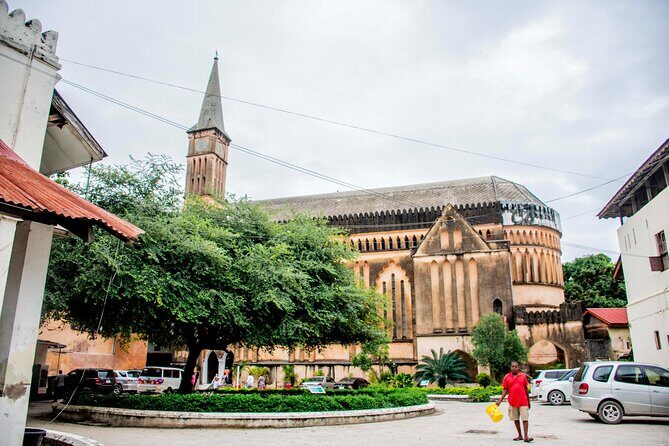
A big chunk of Stone Town’s identity comes from its rulers and institutions, not only from traders and ships. That’s why the tour includes the Palace Museum, also known as the Sultan’s Palace. You’ll get a stop that anchors the city’s political and cultural authority.
Nearby, you’ll also pass the Old Dispensary. That’s the kind of location that often gets overlooked if you’re sightseeing on your own. But with a guide, it becomes part of the larger picture of how the city functioned—health, services, and social structures that helped keep a trading port alive.
I like this pairing because it keeps the tour from becoming all “royal glamour.” Palace buildings tell you about power. The dispensary hints at the human side of a historic city: how people coped, were treated, and lived day to day.
Also, an important value point: the tour includes all fees and taxes, and there’s an admission ticket included. That matters here because museum-style stops can otherwise add surprise costs if you’re building the itinerary yourself.
Anglican Cathedral and the Old Slave Market Area: Faith and Hard History in One Walk
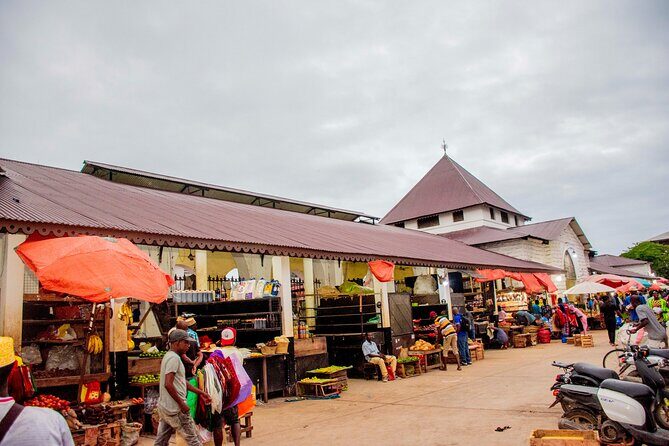
Stone Town has beautiful architecture—but it also carries heavy stories. The walk includes the Anglican Cathedral and the nearby area associated with the Old Slave Market concept.
The Anglican Cathedral stop is described as the most prominent example of early Christian architecture in East Africa. That’s a useful framing because it’s not just a church photo; it’s a sign of how different cultures and belief systems took root in the city over time.
As for the Old Slave Market area, I’m glad the route includes it. You can’t understand Stone Town while skipping the brutal parts. A guided explanation helps you stay oriented without getting lost in shock or confusion. Even if the topic is difficult, this kind of context turns “I saw a place” into “I understand what it represented.”
Balance check: if you’re sensitive to darker history, pace yourself. The tour is only about 3 hours, but these are powerful stops, and you may want a brief pause to reset your head before moving on.
You can also read our reviews of more private tours in Zanzibar





What Makes This Tour Feel Different: Abdul’s Style and the Private Format
Many walking tours promise “history.” This one is often praised for how the guide delivers it. In the feedback you’ll see a clear theme: Abdul (and his team, including Mcha, Mohammad, Omar, and Mohammad) is repeatedly described as warm, approachable, and good at explaining connections between past and present.
That matters because Stone Town is not a city where you can “see everything” quickly. The streets fold on themselves. There are signs, symbols, and building styles that only start making sense when someone helps you connect them. A private guide makes that easier because you can ask questions and move at a pace that fits your group.
You’ll also feel more secure when you’re walking as a small unit. One reason this tour earns high marks is that people appreciate guidance that goes beyond facts—like help building confidence while moving through the area, especially for solo visitors. The route stays focused, but the guidance around it can make a real difference.
How the 3-Hour Timing Works (and How to Prepare)

At about 3 hours, you’re getting a focused loop rather than an all-day marathon. For Stone Town, that’s a sweet spot: long enough to cover major landmarks and learn what they mean, short enough to keep your brain from melting in the midday heat.
This tour is listed as ending back at the start point. That’s convenient because you don’t have to worry about being dropped in the middle of nowhere. Your feet will be tired, though, so plan the rest of your day lightly.
Before you go, keep your clothing simple and comfortable. This is an old city with walking lanes, and you’ll want shoes with grip. Bring sun protection. If you plan to do other stops after, schedule them for later, when you can process what you just learned.
Price and Value: $26 for a Guided UNESCO Walk

$26 per person is the kind of price that feels reasonable for a private heritage walk. The key value here isn’t only the low cost—it’s what’s included. The tour covers all fees and taxes, and an admission ticket is part of the package.
If you’ve tried self-guided Stone Town sightseeing, you know how quickly costs stack up when you start buying entries to museums or special sites. This tour bundles at least one entry fee into the price, so you’re not constantly doing math while you’re trying to enjoy the city.
Also, it’s often booked about 28 days in advance on average. That’s a hint that demand is steady, likely because private, guided orientation in Stone Town is genuinely helpful. If your travel dates are firm, booking ahead is the smart move.
Who Should Book This Stone Town Walk?
This tour is a great fit if you want:
- A clear introduction to Stone Town without wandering aimlessly
- Guided explanations that connect buildings to why they mattered
- A private setup that works for couples, families, or small groups
- A route that covers major landmarks like Fuerte Viejo, the House of Wonders ruins, the Sultan’s Palace Museum, the Old Dispensary, and the Anglican Cathedral
It’s especially worth it if you care about architecture and cultural layers, or if you want to ask questions instead of reading alone. Reviews also highlight that the guide team can work well with children, which makes it a more flexible choice for families than tours that feel too academic or too strict.
If you’re the type who hates group tours entirely, the private format gives you breathing room. If you’re the type who dislikes any walking at all, then you might find Stone Town itself to be the bigger challenge than the tour.
Should You Book This Zanzibar Stone Town Private Walking Tour?
I think this is a solid booking when your goal is understanding Stone Town fast and well. For $26 you get a structured walk through key sites, admission included, and a guide approach that’s repeatedly praised—especially for clear explanations and friendly service.
Book it if you want a guided “first map” of Stone Town, not just a checklist of sights. Skip it only if you’re short on time and hate walking in old-street conditions, or if you’re already fully confident navigating and interpreting Stone Town’s architecture on your own.
If you’re arriving with limited context, this tour is the shortcut: it helps you read the city while you’re still in the streets.
FAQ
Where does the Zanzibar Stone Town Private Walking Tour start?
The tour starts at the Cape Town Fish Market Zanzibar / Forodhani Gardens area.
How long is the walking tour?
It’s about 3 hours.
Is this tour private?
Yes. It’s a private tour/activity, so only your group participates.
What’s the price per person?
The price is $26.00 per person.
What’s included in the tour price?
All fees and taxes are included, and there is an admission ticket included.
Is lunch included?
No. Lunch is not included.
Do I receive a mobile ticket?
Yes, the tour uses a mobile ticket.
When will I get confirmation after booking?
Confirmation is received within 48 hours of booking, subject to availability.
Is the tour suitable for most travelers?
Most travelers can participate.
What’s the cancellation policy?
Free cancellation is available. You can cancel up to 24 hours in advance for a full refund. Changes within 24 hours are not accepted, and within 24 hours there’s no refund.