REVIEW · ZANZIBAR ARCHIPELAGO
Zanzibar: Spice Farm Tour with Traditional Cooking Class
Book on GetYourGuide →Operated by Zanturtle Explore Tours and Safaris · Bookable on GetYourGuide
Spices don’t just sound exotic here—they smell like the day. This Zanzibar tour pairs a guided spice farm walk with a traditional Swahili cooking class, so you learn what you’re eating while you’re eating it. I love the sensory part: tasting and smelling spices like cinnamon, vanilla, nutmeg, cloves, lemongrass, and more as you go. I also like that you’re not watching from the sidelines—you harvest ingredients and cook your own meal with a local chef.
The cooking is the main event. If your guide is Aïcha (one of the chefs you may meet), you’ll get a friendly, practical lesson and a real-feeling lunch break with tropical fruit. One thing to keep in mind: the day can include multiple moments where people expect tips or small donations, so plan a tip budget if that’s not your favorite travel style.
In This Review
- Key highlights to know before you go
- Spice tasting and Swahili cooking: why this combo works
- Jambo Spice Farm Dole walk: what you’ll see and smell
- The harvest part: getting your hands on ingredients
- Lunch at the fire: what the cooking class is really like
- Tropical fruit tastings and spice shopping without regret
- Pickup, timing, and the Stone Town rhythm
- Price check: is $61 good value for this day?
- What to bring, plus the day’s possible surprises
- Should you book the Zanzibar Spice Farm and Cooking Class?
- FAQ
- How long is the Zanzibar spice farm and cooking class tour?
- Where does the pickup happen?
- Is this a private tour?
- What languages are available for the guide?
- What’s included in the price?
- What should I bring?
- Should I tip during the tour?
Key highlights to know before you go
- Hotel pickup in Zanzibar (including Stone Town) means you start and finish with less hassle than self-arranging.
- Hands-on harvesting turns spice education into something you can actually remember.
- Big spice-and-herb list gets explained through both culinary and medicinal uses.
- Old-school Zanzibar cooking setup is part of the show, not just a background detail.
- Lunch + tropical fruit are included, and spice shopping is built into the flow.
- Private group keeps the pacing more comfortable than you might get on busier tours.
Spice tasting and Swahili cooking: why this combo works
Zanzibar is famous for spices, but this tour helps you connect the dots between the plants and the flavor. You’ll walk through a spice garden with a trained guide, hearing how each ingredient shows up in Zanzibar food and traditional uses. Then, instead of only tasting, you’ll cook—so the smells and stories land fast.
The best part is that the spice lesson isn’t abstract. You’ll be guided to taste and smell spices and herbs such as cinnamon, vanilla, nutmeg, lemongrass, cloves, ylang-ylang, cumin, ginger, pepper, tamarind, chili, and others. That matters because the moment you cook with something, you understand why it’s used.
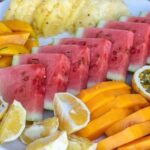
You’ll also sample tropical fruits during the day—think mango and passion fruit, plus avocado, papaya, bananas, pineapple, and local grapefruits (and more, depending on what’s in season). It’s a nice way to keep the experience varied, especially in the heat.
You can also read our reviews of more tours and experiences in Zanzibar Archipelago.



Jambo Spice Farm Dole walk: what you’ll see and smell
Your visit centers on Jambo Spice Farm Dole in Unguja South Region, with time built in to wander and learn on foot. Expect a guided walking tour where the guide makes you identify and connect scents with names—spices aren’t handed to you as labels, they’re presented as sensory clues.
This is also where you’ll notice the practical reality: it’s not usually a massive working estate you’d see on a remote plantation itinerary. Several people describe it more like a well-used garden and tourist walk, with groups moving through at the same time. That doesn’t make it bad—just don’t expect silence and space.
Still, the spice variety is the point. The tour experience leans hard into aroma and texture: woody spices you can smell up close, herbs with sharp notes, and pods or leaves that feel different in your hands. When guides encourage you to taste and smell repeatedly, it helps your brain lock in the flavors you’ll later use in cooking.
The harvest part: getting your hands on ingredients
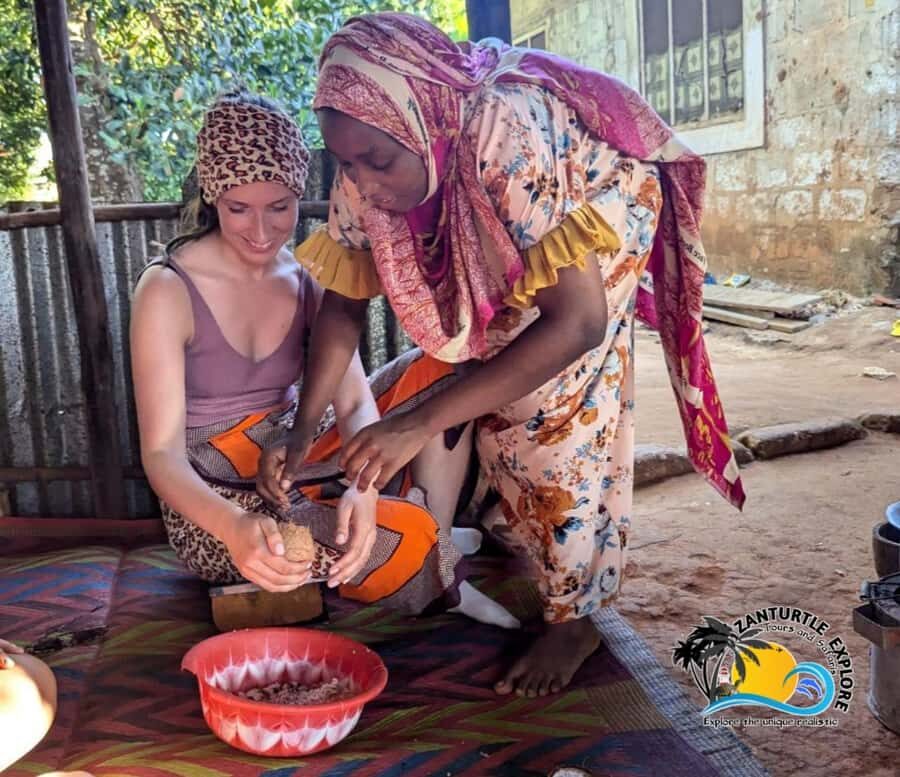
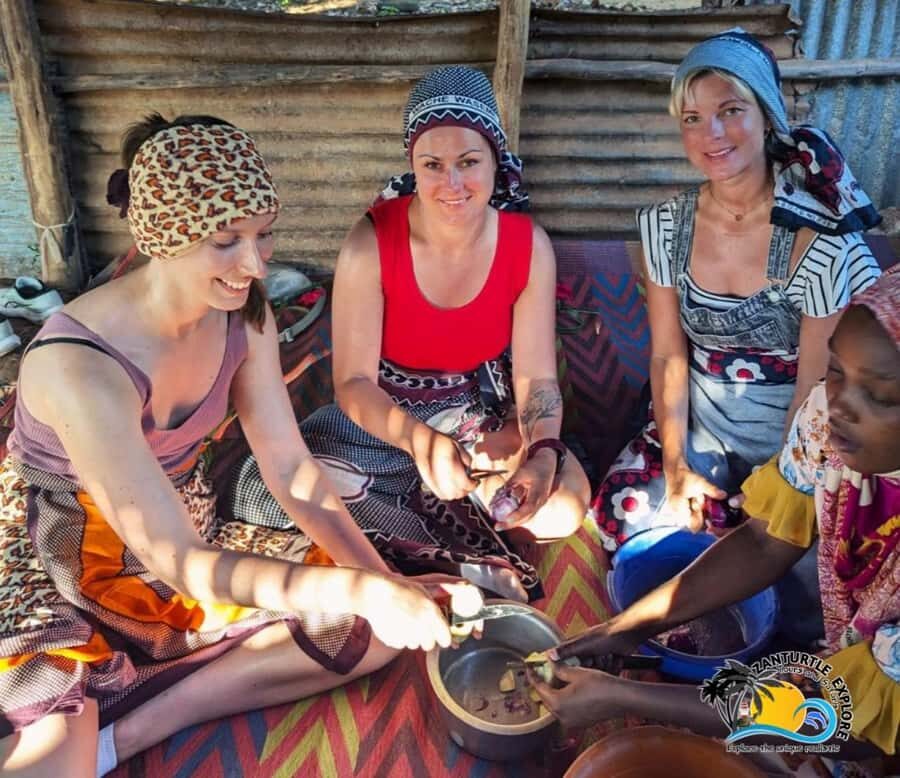
A real value-add here is that you’re not just learning names. After the initial walking portion, you’ll harvest some ingredients with your culinary expert. It’s hands-on in the truest sense: you’ll pick vegetables and spices, then head back to cook.
For me, this is one of those travel moments that changes how you remember a place. When you’ve pulled an ingredient from a plant yourself, you’re more attentive during the cooking step. You also get a better sense of how a Zanzibar meal can be built from garden-to-kitchen ingredients—at least for the parts your group is working with that day.
Wear comfortable shoes. The farm paths are part of the experience, and you’ll want grip and support. If you arrive with bland sandals or flip-flops, you’ll spend more effort watching your footing than enjoying the tour.
Lunch at the fire: what the cooking class is really like

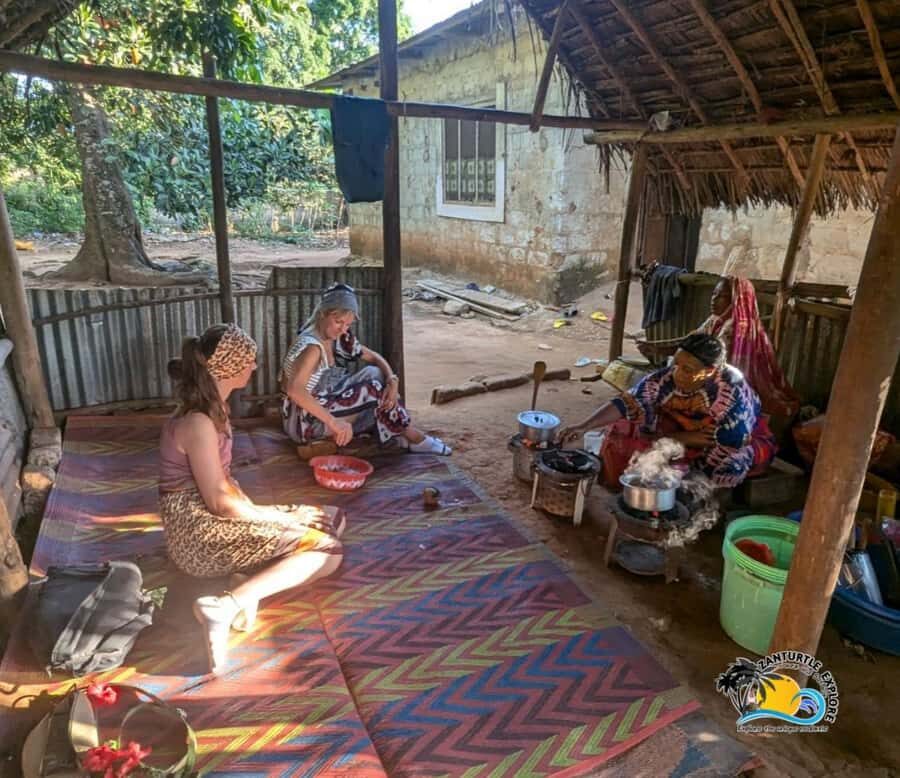
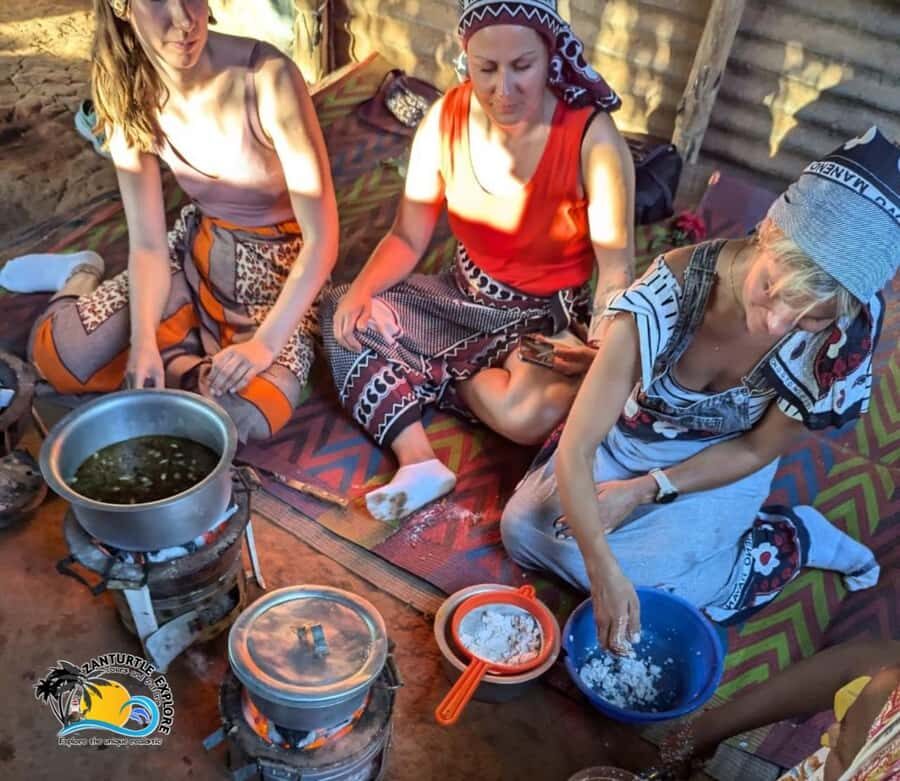
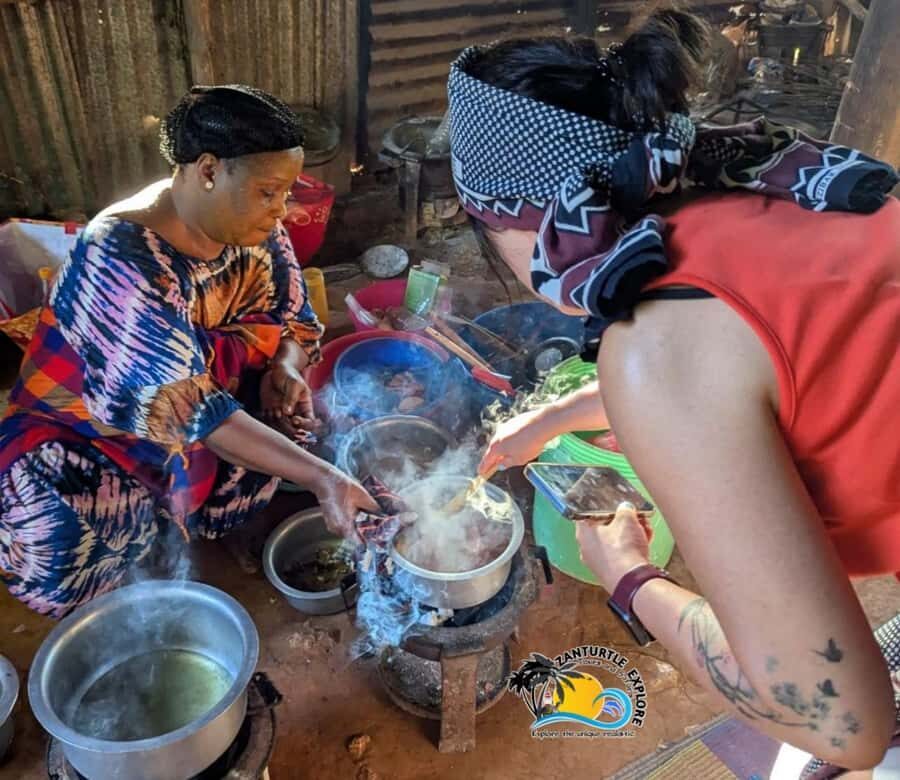
The cooking class is where the day justifies its time. You’ll return with your harvested items and cook together with a local chef and the kitchen team. Even if you’ve never cooked Swahili food before, the instruction style is practical—step-by-step, with clear guidance on the ingredients you picked.
One detail I appreciate: the cooking apparatuses are replicated from older times when people around the Zanzibar coast gathered for meals. That turns the class into something cultural, not just functional. You’re watching and cooking on equipment designed to mirror traditional methods, which makes the flavor lesson feel grounded.
During class and lunch, you’ll likely hear traditional music and see dance as part of the program. That adds energy without needing you to be a performer yourself. The day stays focused on food and learning, but it has a celebratory rhythm.
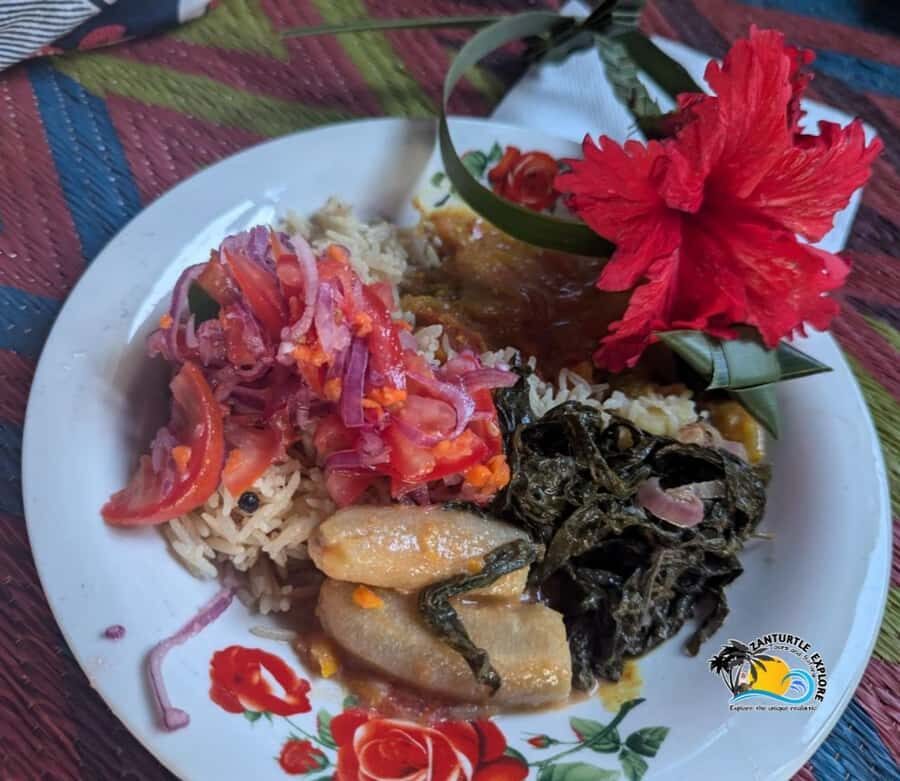
As for what you’ll eat: it’s described as a traditional Swahili meal. The specific dishes aren’t listed in the tour info you provided, so I’d treat this as a flexible menu experience. The key point is that you’ll cook as a group and then eat the results, with drinks and tropical fruit included.
Tropical fruit tastings and spice shopping without regret
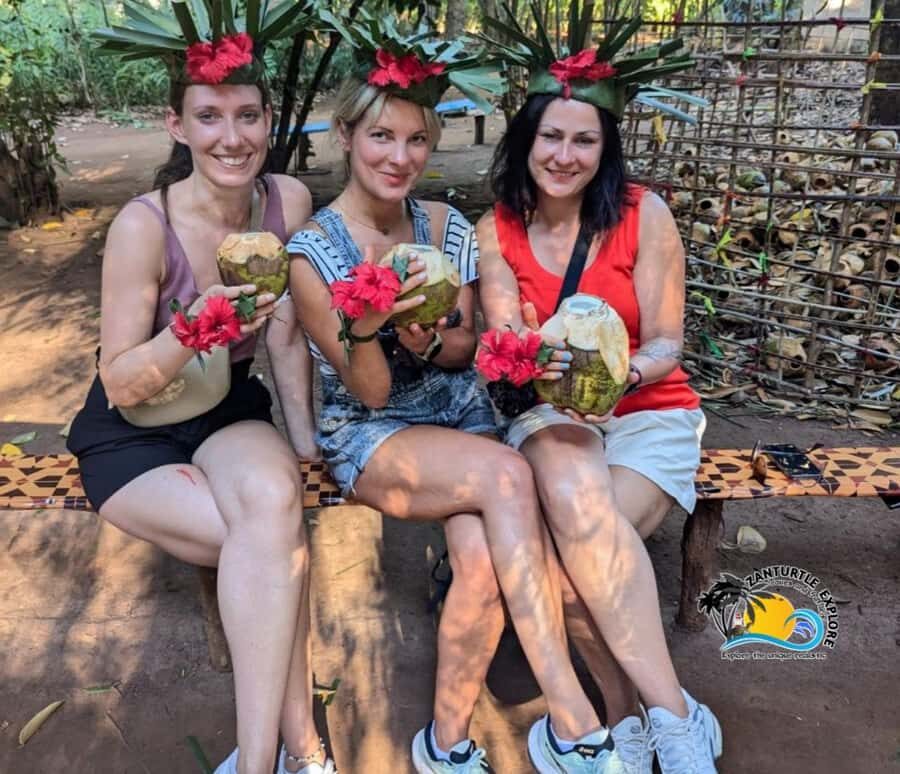
Fruit sampling is built into the flow, with tropical options like mango, passion fruit, avocado, papaya, local grapefruits, bananas, and pineapple. It works as a reset between the spice walk and the cooking. It also helps you understand how Zanzibar meals balance spicy, aromatic ingredients with fresh sweetness and acidity.
Shopping is also part of the experience. You’ll have opportunities to buy spices and fruits, and you’ll likely get guidance while browsing. Here’s how I’d spend smarter in the store moment:
- Buy smaller amounts first if you’re unsure which spice matches your cooking style.
- Ask the guide what the spice is typically used for in Zanzibar cooking, since that’s a common theme of the lessons.
- If you want gifts, consider buying spices in practical combinations (ones you’ll actually use at home).
If you come hungry and expect everything to be free-form tasting only, you might feel the pressure when shopping becomes expected. But if you approach it like an ingredient hunt, it’s a fun add-on.
A few more Zanzibar Archipelago tours and experiences worth a look




Pickup, timing, and the Stone Town rhythm
This is a 5-hour experience with pickup and drop-off included. If you’re staying around Stone Town, you’ll have an easier start: you can be picked up from Stone Town (and you can also be collected from your hotel in Zanzibar, as long as you share your hotel name and room number).
The van transfer is about 1 hour each way, so your day is basically structured around the drive, the farm walk and break time, then the cooking and lunch. That pacing helps if you want a focused activity without juggling taxis or rentals.
Because it’s a private group, your guide is less likely to rush you like they would on a shared bus tour. You’ll also have a live tour guide in multiple languages—Arabic, English, French, German, Italian, Polish, Russian, and Spanish—so you can match your comfort level with explanations.
The heat is real. Plan your clothing for sun exposure and walking. You’ll be outside, and you’ll want to stay hydrated.
Price check: is $61 good value for this day?
At $61 per person for a 5-hour outing, the best way to judge value is by what’s included. In this case, you’re not just paying for a walk. Your ticket covers:
- trained guide and a culinary component
- hotel pickup and drop-off
- entrance and conservation fees
- spice tour with taste, flavor, and smell activities
- harvesting vegetables
- cooking class with cooking equipment
- lunch and drinks plus tropical fruits
- traditional music and dance
- time to buy spices and fruits
If you tried to recreate this on your own, you’d likely spend on transportation, a guide, entrance fees, and a cooking setup. Here, those pieces come bundled, and the day ends with a meal you helped prepare.
So for me, the price makes sense if you want the full package: education plus cooking plus lunch plus transport. If you only care about seeing spices and don’t want to cook or harvest, you could feel like you’re paying for more than you’ll use. But if you like hands-on food experiences, it’s a fair deal.
What to bring, plus the day’s possible surprises
Bring comfortable shoes because you’ll walk and participate in harvesting. Add a hat and sunscreen for sun protection, and pack water so you don’t feel frantic halfway through. Insect repellent is also a good idea. A camera helps, because the spice garden and cooking moments are very photo-friendly.
Now, for the part you should mentally prepare for: tip expectations. Multiple people note that requests for tips or small donations can show up at several stops. This isn’t automatically a deal-breaker, but it can affect your mood if you dislike constant fund-raising moments. If that would stress you out, set a realistic tip amount beforehand so you’re not deciding on the spot.
Also consider the practical downside of being on a working tourist garden: one review flags toilets as terrible. The tour info doesn’t promise anything specific here, so if restrooms matter to you, plan your timing and be flexible.
Should you book the Zanzibar Spice Farm and Cooking Class?
I’d book this if you want a Zanzibar food experience that’s not only about photos. The combination of spice tasting, hands-on harvesting, and a Swahili cooking class is the core strength, and the lunch + tropical fruit make the time feel complete.
I’d pause if you hate tip moments or you strongly prefer a quiet, non-touristy setting. Some elements feel designed for visitors, and you should expect multiple stops where people interact with you and may ask for small gestures.
FAQ
How long is the Zanzibar spice farm and cooking class tour?
It runs for about 5 hours, starting at scheduled times based on availability.
Where does the pickup happen?
Pickup options include Stone Town, Zanzibar. The tour can also pick you up from any hotel in Zanzibar—just share your hotel name and room number.
Is this a private tour?
Yes. It’s listed as a private group.
What languages are available for the guide?
The live tour guide is available in Arabic, English, French, German, Italian, Polish, Russian, and Spanish.
What’s included in the price?
It includes a trained guide, government fees and taxes, hotel pickup and drop-off, harvesting, a spice tour with taste/smell, a cooking class with equipment, lunch and drinks with tropical fruits, entrance and conservation fees, and time to buy spices and fruits.
What should I bring?
Bring comfortable shoes, a hat, camera, sunscreen, water, and insect repellent.
Should I tip during the tour?
Tipping isn’t listed as part of what’s included, and the day may involve people asking for tips or small donations at multiple points, so it’s smart to plan for it if you want a smooth experience.