REVIEW · MOROGORO REGION
Day Trip To Lupanga Peak
Book on Viator →Operated by KURUMBIZI TOURS & SAFARIS · Bookable on Viator
Lupanga Peak is a full-day mountain test. This hike gives you ridge views all the way up, plus real birdwatching in a protected reserve. I also like the fact that you’re guided and covered by the right permits, so you can focus on the trail instead of second-guessing what’s safe. One drawback: this is steep and long, so if you’re not used to uphill walking, you’ll feel it hard.
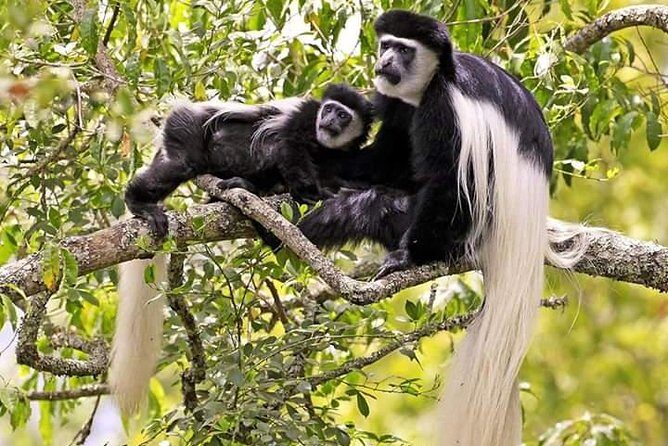
You’ll start early, move through forest and open stretches, and work your way toward the second-highest summit of the Uluguru Mountains. Along the route you may spot black-and-white colobus monkeys and flowers, and the guide can help you make sense of what you’re seeing. If you want an easy stroll, skip this one and choose something flatter.
The upside is that the effort pays off in variety: you’ll get long-distance scenery from near the top, and you’ll also catch glimpses of Morogoro in the mid-hike and before the deeper forest. The German Tower at the summit area is a neat landmark too, even if the town view isn’t directly from the top.
In This Review
- Key things I’d watch for on Lupanga Peak
- Why Lupanga Peak in the Uluguru Mountains is worth your early start
- Kibwe Village to Lupanga: what the day feels like (and how long it really takes)
- Forest permit, guiding fee, and why this matters on a steep ridge trail
- What you’ll see on the ascent: colobus monkeys, flowers, and the in-between views
- Birdwatching in the Ulugurus: Livingston Turaco and hornbills on foot
- The German Tower at Lupanga Peak: viewpoint reality check
- Lunch, pace, and managing energy for a steep 12-hour day
- Price and value: what $130 buys you (and what you must plan for)
- Who this hike suits best (and who should choose another day)
- A note on guides: stories that make the climb feel personal
- Should you book Lupanga Peak?
- FAQ
- How long is the Lupanga Peak hike?
- What time does the tour start?
- How difficult is Lupanga Peak?
- What’s included in the price?
- What is not included?
- What wildlife and birds might I see?
- Can I see Morogoro town from the peak?
- What if the weather is bad?
Key things I’d watch for on Lupanga Peak
- Small group size (max 15): less chaotic on a narrow, steep trail.
- Guide + forest permit included: you’re walking with local safety support.
- 2,150m altitude challenge: you’ll feel the climb even without high-tech hiking.
- Birdwatching potential: Livingston Turaco and Silvery-cheeked Hornbills are part of the reserve’s birdlife.
- German Tower at the peak area: a clear target point for the summit.
- Morogoro views are timed: you see the town before deeper forest and again mid-forest, not from the summit.
Why Lupanga Peak in the Uluguru Mountains is worth your early start
Lupanga Peak sits in the Uluguru Mountain range near Morogoro Region, and it’s famous for a simple reason: the ridge hiking gives you a constant sense of going somewhere. This is not a one-view-and-done trek. The trail keeps offering sightlines, so your eyes and your legs are both working.
This hike also has a strong “nature reserve” feel. You’re not just walking through generic woodland. You’re moving through a protected area where birdlife can be a real highlight. If you’re even mildly into birds, this kind of walk is the best way to see them—quiet, on foot, and in the same habitat they use.
Finally, there’s a cultural layer that’s easy to miss if you only chase scenery. When your guide talks about the Uluguru Mountains and the Waluguru who live around them, the trek feels more grounded. Even during rests, the conversation can turn a tough climb into a story-driven day.
A few more Morogoro Region tours and experiences worth a look

Kibwe Village to Lupanga: what the day feels like (and how long it really takes)
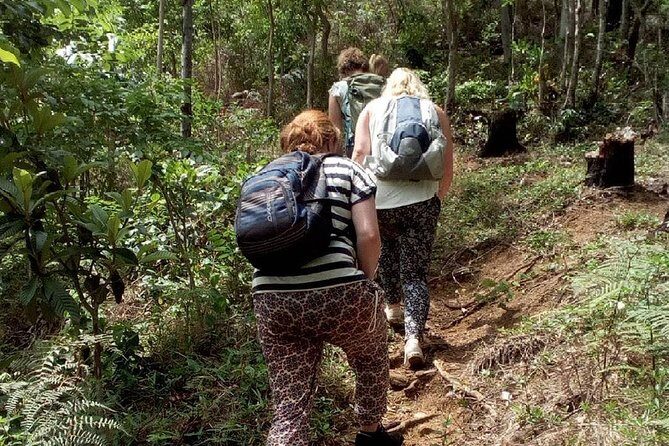
Your day starts early, around 6:30am. The plan is a long round trip: about 10 to 12 hours for the hiking portion, plus time to get you to the starting point in the area of Kibwe Village. So treat this as a true “leave at dawn, return after dark or near it” kind of outing.
The climb begins steep and stays demanding. Even though you’re not given a mile-by-mile profile, the big picture is clear: you’re going almost up to 2,150m above sea level. That altitude plus the steepness means you should pace yourself from the first section, not halfway up.
Expect a changing rhythm. There are stretches that feel like steady uphill work. Then there are moments where the ridge opens up and you can pause for views. The best strategy is to build in short breaks before you feel wiped out, especially if you’re going with a small group and everyone is sharing the pace.
Forest permit, guiding fee, and why this matters on a steep ridge trail
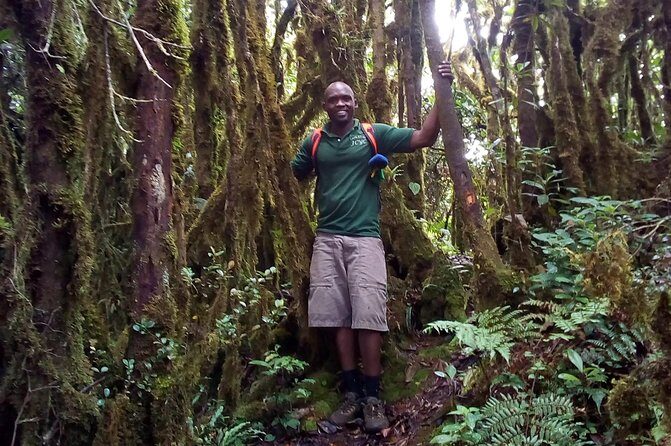
This hike includes the forest permit and a guiding fee. That sounds administrative, but it actually changes how safe and smooth the day is.
First, guides help you read the terrain. On a steep, long trek, your biggest risk is not knowing where footing gets tricky or where the trail narrows. A guide also keeps you moving in a sensible order so you’re not forced to rush.
Second, permits mean you’re entering a managed conservation area. In practical terms, that typically comes with clearer rules about where you can go and how you should behave in the habitat. It’s one of those “boring” items that improves the real experience once you’re on the trail.
What you’ll see on the ascent: colobus monkeys, flowers, and the in-between views
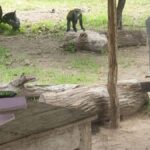
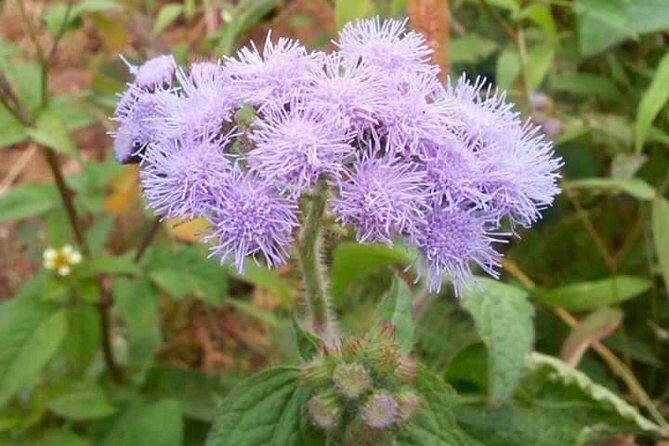
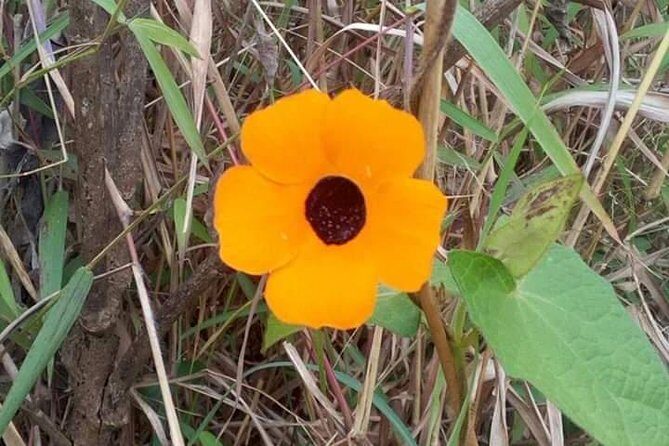
On the way up, you should expect a mix of life and scenery. The trail passes through areas where you may see black-and-white colobus monkeys and different flowers. You might not spot wildlife at every turn, but the reserve setting raises the odds that you’ll see something if you slow down and look.
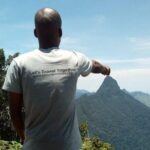
Views are also part of the “work.” You’ll see panoramic scenery throughout the hike, especially along ridge sections. That’s great for morale. It’s also useful for orientation—when you can see farther, you understand you’re making progress even if the climb feels constant.
One detail I like in the plan: the Morogoro town view isn’t a one-time prize at the summit. You can catch it before entering the forest and also in the middle of the forest. So even if you’re tired, there’s likely another moment of payoff later in the day, not just at the end.
Birdwatching in the Ulugurus: Livingston Turaco and hornbills on foot
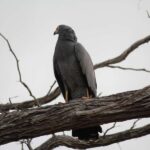
If birds are your thing, Lupanga Peak is a strong choice because the reserve is home to exotic species. Two named birds in the local birdlife include Livingston Turaco and Silvery-cheeked Hornbills.
The key is how this tour is structured: you’re not searching with a vehicle. You’re walking slowly enough for the habitat to reveal itself. Birds often respond to quiet movement and time. A guide can point out calls or help you scan the right areas, which saves you from guessing.
Even if you don’t tick every species off your list, birdwatching adds variety to the climb. It breaks the day into smaller wins: spot feathers, pause, learn something, keep going. That mental rhythm can make a tough trek feel more manageable.

The German Tower at Lupanga Peak: viewpoint reality check
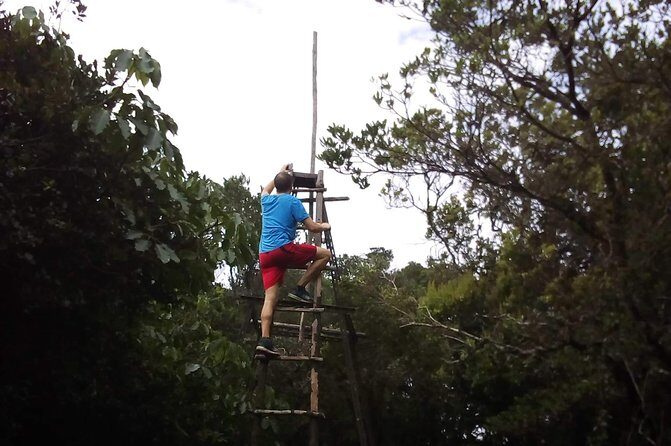
Reaching the peak area includes a stop at a German Tower—a landmark you can aim for. From there, you’re set up for long-distance scenery. That’s one of the big reasons hikers make the effort: the Uluguru ridges open out into far-reaching views.
Now here’s the practical reality: from Lupanga Peak, you can’t see Morogoro town. The town views come earlier and again mid-forest. So if your main goal is seeing the city far below, set your expectations and enjoy what the summit gives you instead: wider, more mountainous distance.
I like this setup because it keeps the day from feeling like one big gamble. Even if you end up arriving winded, you still get the payoff of ridge views from the higher areas.
Lunch, pace, and managing energy for a steep 12-hour day
Lunch is included, which matters on a long hike. You don’t want to be scrambling to find food or spending extra time hunting down snacks while your energy is already low.
That said, this is still a physical challenge. You’re walking at altitude, on a steep trail, and doing a full go-and-return day. If you’re the type who starts too fast, this tour will punish that habit.
A smart approach is to treat lunch as a real reset. Eat enough to recover, but don’t overdo it. Then continue at a pace you can maintain for the descent. On steep routes, the downhill can be harder on your legs than you expect.
Price and value: what $130 buys you (and what you must plan for)
The price is $130 per person. For that, you’re getting lunch, the forest permit, and the guiding fee.
That’s good value if you consider what those items cost on their own. The permit is tied to the protected nature reserve, and the guide is what keeps the day safer and more meaningful—especially for wildlife and the ridge route. Since transport and transfer are listed as not included, you should budget separately for getting yourself to the starting area in the morning and back at the end.
One more thing: pickup is noted as offered. In practice, that can mean different things depending on where you’re staying. Before you commit, confirm whether your pickup is truly included in your total cost or if you’ll pay for transport separately.
Also note the group limit: a maximum of 15 travelers. For a tough hike, smaller groups usually mean a better experience. Less waiting. Less trail congestion. More time for the guide to help you.
Who this hike suits best (and who should choose another day)
This is best for people with strong physical fitness. The hike is steep and long, tied to altitude around 2,150m, and it’s designed as a full day.
If you enjoy walking in nature, watching birds, and learning how people relate to the Uluguru Mountains, you’ll likely have a great time. You’ll also like it if you want a challenge that still feels rewarding because the scenery and wildlife keep coming.
If you’re a beginner hiker, or if your idea of a great day is level ground and short distances, this route may be too much. In that case, look for a different hike in the Morogoro area that’s shorter and less steep.
A note on guides: stories that make the climb feel personal
One name that came up in earlier experiences is Evance. He’s described as friendly, knowledgeable, and good at English, and that matters more than you might think. When a guide can explain what you’re seeing—villages, the Uluguru Mountains, and the Waluguru way of life—the day turns into more than just exercise.
On tough hikes, that kind of storytelling can also help you keep a steady pace. You’re not just watching your feet. You’re learning while you walk.
Should you book Lupanga Peak?
I’d book Lupanga Peak if you want a real hiking day in the Uluguru Mountains and you’re ready to work for the views. The combination of a guided nature reserve trek, lunch included, and named birdlife like Livingston Turaco and hornbills makes it more than a basic summit attempt.
I wouldn’t book it if you hate steep climbs, you’re short on stamina, or you’re counting on easy pacing. The Morogoro town view also isn’t from the top, so if that’s your only goal, know where the best sightlines happen earlier in the hike.
If you match the fitness level, this is one of those hikes where the morning effort holds together all day—views up high, wildlife along the trail, and a clear landmark at the summit.
FAQ
How long is the Lupanga Peak hike?
Plan on about 12 hours total, with the uphill and downhill walk taking roughly 10 to 12 hours.
What time does the tour start?
It starts early, around 6:30am from your hotel to the hike area.
How difficult is Lupanga Peak?
It’s described as physically challenging and involves walking up to about 2,150m above sea level. You should have a strong fitness level.
What’s included in the price?
Lunch, plus the forest permit and guiding fee are included.
What is not included?
Transport and transfer are not included, and alcohol is not included.
What wildlife and birds might I see?
The reserve can include black-and-white colobus monkeys, and birdlife such as Livingston Turaco and Silvery-cheeked Hornbills.
Can I see Morogoro town from the peak?
You cannot see Morogoro town from Lupanga Peak. You can see it before the forest and also in the middle of the forest.
What if the weather is bad?
The experience requires good weather. If it’s canceled due to poor weather, you’ll be offered a different date or get a full refund.