REVIEW · ZANZIBAR CITY
Zanzibar stone town tour
Book on GetYourGuide →Operated by Host zanzibar tours & Safaris · Bookable on GetYourGuide
Coral-stone streets tell Zanzibar’s toughest story. This 3-hour Stone Town tour guides you through the UNESCO-listed maze of narrow lanes and historic buildings, with a professional guide helping you make sense of what you’re seeing.
What I like most is the way the walk balances atmosphere (carved doors, coral-stone walls, photo moments) with the serious stop at the former slave-market site connected to the Anglican Cathedral Church. One caution: with just 3 hours, you hit key highlights rather than every big landmark, so the time goes quickly.
In This Review
- Key takeaways before you go
- Entering Stone Town: coral stone, carvings, and tiny streets
- Why 3 hours works (even if you want more time)
- Getting picked up and finding your pace in the streets
- The main Stone Town circuit: photos, markets, and shopping time
- The Old Slave Market site by the Anglican Cathedral: a short stop with heavy weight
- Stone Town details you can look for as you wander
- Forodhani Gardens and sunset: where the waterfront fits in
- How the guide can make or break your experience
- Price and value: what $29 buys you in Stone Town
- Safety and comfort: what to expect on the ground
- Who should book this tour (and who might want something longer)
- Should you book the Zanzibar Stone Town tour?
- FAQ
- How long is the Zanzibar Stone Town tour?
- What does the tour cost?
- What’s included in the price?
- Do I get pickup from my hotel?
- Where does the tour start and where does it end?
- What main stops are covered?
- Are there guided explanations or just walking around?
- What languages are available for the live guide?
- Is the slave market entrance fee covered?
- When can I cancel for a full refund?
Key takeaways before you go
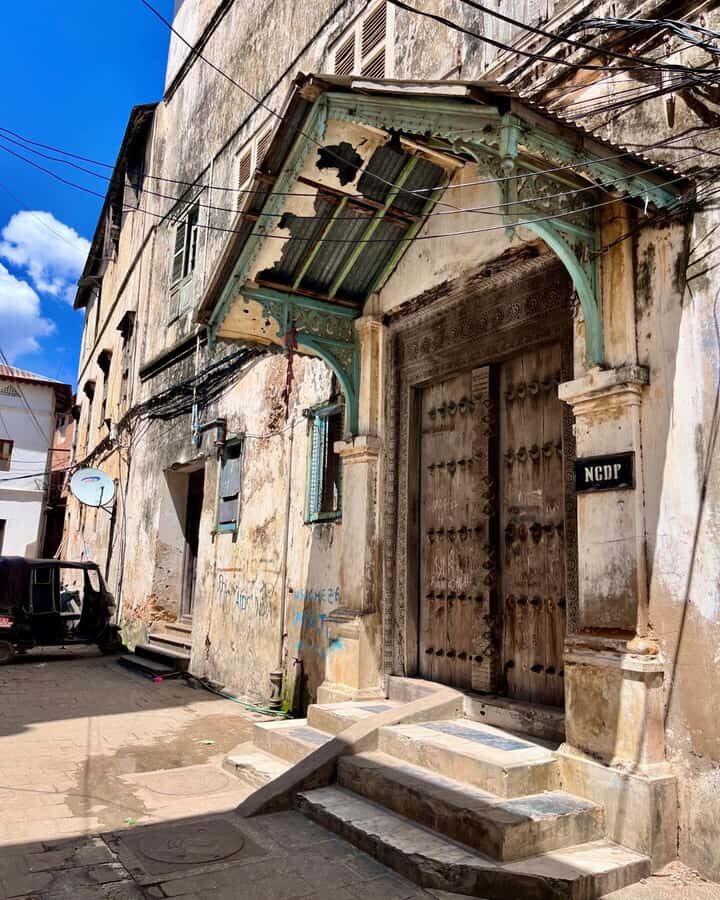
- Coral stone + UNESCO lanes: Expect a maze of 19th-century trading-era architecture.
- A focused, human-scale circuit: 2.5 hours in Stone Town plus a short, meaningful site stop.
- Old Slave Market area included: Entrance fees at that site are included in the tour price.
- Guides can shape the experience: You’ll get more from the visit if you ask questions.
- Shopping time is real: You’ll have breathing room to browse along the way.
- Return to the seafront: The tour wraps back near Mizingani Seafront Hotel.
Entering Stone Town: coral stone, carvings, and tiny streets
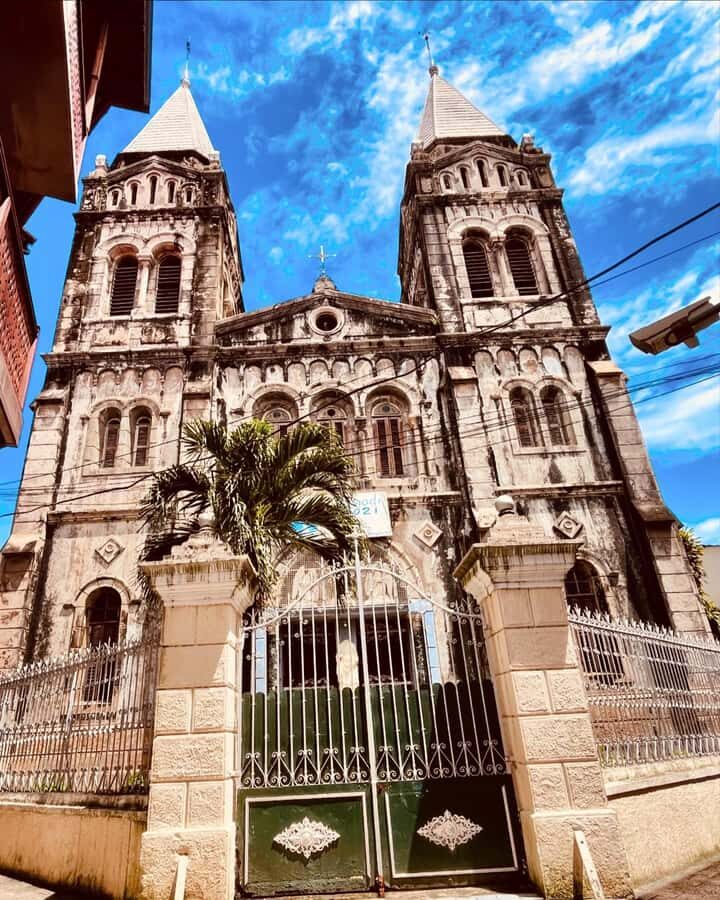
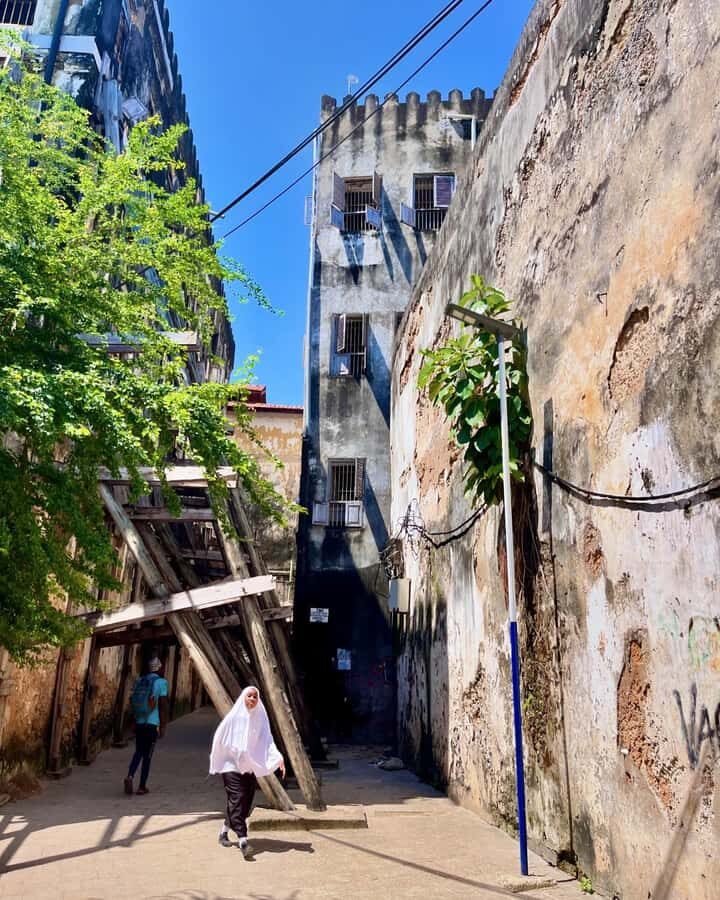
Stone Town is the historic heart of Zanzibar City, and it’s the kind of place where you keep turning corners and suddenly you’re staring at something you missed ten minutes earlier. The look is distinctive: coral-stone buildings line narrow alleys, and the architecture mixes Swahili, Arab, Persian, Indian, and European influences. Even if you’re not a “history person,” the setting does the talking.
The most practical part, for you as a visitor, is that Stone Town is built for wandering. You don’t get one straight road and a few stops. You get winding lanes, wooden doors carved in detail, and ornate balconies that make a simple walk feel like a photo scavenger hunt. That’s why having a guide matters: they help you understand what you’re looking at without you having to decode everything on your own.
You can also read our reviews of more tours and experiences in Zanzibar City.


Why 3 hours works (even if you want more time)

This tour is short by design: it’s built for getting oriented fast. You spend about 2.5 hours in the Stone Town area, then about 30 minutes at the Old Slave Market / Anglican Cathedral Church area, and you’re back at the seafront hotel zone after. For first-time visitors, that timing is smart.
Here’s the tradeoff. You’ll see the main storyline and the most important stops, but you won’t have time to linger for long at every single landmark. If you like to read every plaque, sketch every doorway, or stop repeatedly for photos, you might feel the clock. On the other hand, if your goal is to get your bearings and leave with a strong sense of place, this length is a good match.
Getting picked up and finding your pace in the streets

The meeting setup is flexible. Pickup depends on the option you select, and if you don’t have pickup where you’re staying, you can meet the group at a set meeting point or at the reception/lobby area.
Once you’re out in Stone Town, the pacing shifts. The route includes guided walking plus breaks: there’s time for photo stops and a stretch of free time where you can shop and move at your own speed. That mix is helpful because Stone Town can feel crowded and chaotic in spots. Streets can be busy, and you’ll want a guide who keeps you from feeling lost.
Practical tip: wear comfortable shoes you can walk in for a good chunk of time. The streets are narrow, and you’ll naturally slow down for details—wooden doors, old facades, street views—so your “walk time” feels longer than it sounds.
The main Stone Town circuit: photos, markets, and shopping time
The bulk of your tour is centered on Stone Town itself: you’ll get a guided walk, a chance to pause for photos, and time to explore around the market area. That matters more than it sounds. Stone Town isn’t just a museum-like street. It’s an active city, and the market atmosphere is part of the experience.
During this portion, you can expect:
- Sightseeing and guided commentary as you move through the lanes
- Photo stops so you can actually frame the places that look like postcard scenes
- Free time for browsing and shopping
- A walk that helps you see the layout of the historic core
If you’re the kind of traveler who likes souvenirs, this is a real advantage. You won’t be shoved through a stop-and-go checklist. You’ll have moments to browse spices, local crafts, and other items sold along the way (while still keeping the tour moving).
Balanced advice: shopping is great in Stone Town, but do keep your expectations grounded. You’ll see lots of stalls and sellers, and the city can feel busy. If you want a calmer experience, you’ll still be fine—you just may want to focus on specific items and move slowly rather than trying to evaluate everything at once.
The Old Slave Market site by the Anglican Cathedral: a short stop with heavy weight
The tour’s most emotionally serious moment is the stop at the former slave-market site connected to the Anglican Cathedral Church area. The entrance fees for this site are included, which is one of those small value wins that saves you time and hassle in the middle of a focused schedule.
This is not a stop where you rush. Even though the time is about 30 minutes, it’s meant to land. The place connects to the period when Zanzibar was a major trading hub for spices, ivory, and slaves, and the surrounding context helps you understand why Stone Town has both grandeur and pain built into it.
What’s worth doing as you’re there: slow down and listen. A strong guide will explain the setting clearly without turning it into a lecture you can’t process. In the best cases (like the guides named Mohommad and Adil), the tone feels thoughtful and paced, giving you room to take it in while still keeping the group moving.
If you don’t want your visit to be all solemn, you don’t have to make it that way. The tour moves on after this stop, so you’re not stuck in one mood for the entire trip. But do respect the site. Even a short visit can leave an impact.





Stone Town details you can look for as you wander
Stone Town rewards attention. Here are a few things you’ll likely notice during your walking time, even if the guide is doing most of the heavy lifting with explanations.
- Intricately carved wooden doors: These aren’t just decorations. They’re clues to skill, wealth, and craft traditions.
- Ornate balconies: Many buildings show layered design influences, not one single style.
- Maze-like alleys: It’s called a labyrinth for a reason. Take your time turning corners.
- 19th-century trading-era fabric: Many buildings date back to the period when Zanzibar’s port power shaped the region’s economy.
These details are part of why Stone Town stays memorable. You’re not just seeing landmarks; you’re reading an environment that evolved over time.
Forodhani Gardens and sunset: where the waterfront fits in
Stone Town’s waterfront atmosphere is a highlight for many visitors, and it’s tied to a specific place: Forodhani Gardens. It’s a waterfront park where locals and tourists gather in the evenings, with freshly grilled seafood and other local delicacies.
Even if your tour time doesn’t perfectly match the evening crowd, Forodhani Gardens is still worth knowing about. During your Stone Town portion, keep an eye out for the area near the seafront. If your timing lines up, you’ll likely have a chance to appreciate the views of the Indian Ocean and the mood that builds toward sunset.
Value note: food is not listed as included, so treat any snacks or meals as your own expense. But knowing where the action is makes your free time feel less random.
How the guide can make or break your experience
In a place like Stone Town, a guide does more than point. They connect architecture, trade routes, and social history into something you can actually hold in your head.
The best feedback you can take from past tours is that the guiding style matters:
- One guide, Bernhard, was described as punctual, friendly, and doing his best.
- Mohommad stood out for being fantastic, interesting, and relaxed—also allowing visitors to move at their own pace and buy things along the way.
- Adil was praised for clear explanations, helping with shopping, and recommending the best place to eat Swahili food.
For you, the practical takeaway is simple: ask questions. If you want to understand why the doors look the way they do or what a specific site means in Zanzibar’s slave trade story, ask on the spot. You’re paying for context, not just movement.
Also, know the language range is broad: the live tour guide can be German, English, Italian, Spanish, French, or Polish. That’s a big deal if you want the storytelling to land without translation gaps.
Price and value: what $29 buys you in Stone Town
At $29 per person for about 3 hours, this tour is positioned as an efficient way to cover Stone Town’s core highlights without building a full day plan.
Here’s what you’re getting for the money:
- A professional tour guide
- Bottle of water
- Pick-up from Stone Town hotels if you request it in advance
- Entrance fees at the slave market site
- A guided Stone Town walk with photo breaks and free time for shopping
The value logic is straightforward. Entrance fees at the most serious site are included, and you’re not paying extra to access that stop. You’re also saving time by having a guide help you navigate the layout and focus your attention.
What you’re not getting is unlimited time. If you want to linger for hours in each corner, you may feel rushed. But if your goal is a clear, guided overview plus the most important historical stop, this price-to-time ratio is solid.
Safety and comfort: what to expect on the ground
Stone Town can feel relative safe but chaotic, especially around markets and busy lanes. That’s not unusual for older port cities, and it’s exactly why a guide is helpful: you’ll move with someone who knows where people naturally flow and how to keep the group together.
Your comfort checklist:
- Comfortable walking shoes
- Water (you get a bottle, but you’ll still want to pace yourself)
- A plan for personal spending during shopping time
- Patience in crowded areas
And remember: Stone Town is not a sterile, controlled environment. It’s an active place. The energy is part of the experience, as long as you stay aware.
Who should book this tour (and who might want something longer)
This tour is a great fit if:
- You’re visiting Stone Town for the first time and want a focused orientation
- You want a guided visit that includes the Old Slave Market / Anglican Cathedral Church area
- You like having some free time to browse and shop without losing the structure of a guided tour
- You prefer a short format that doesn’t eat your entire day
You might consider a different option if:
- You want deep time at every single major landmark and don’t like moving along quickly
- You’re very sensitive to emotionally heavy sites and would prefer a longer, slower pace with more reflection time
Should you book the Zanzibar Stone Town tour?
I’d book it if you want a smart first pass through Stone Town: coral-stone lanes, key historic stops, and the former slave market / Anglican Cathedral Church area with entrance fees included. The guide-driven pacing is a big part of the value, and the best versions of this tour sound relaxed, allowing you to move at your own rhythm while still getting clear explanations.
I wouldn’t rely on this tour alone if your ideal Zanzibar day is all about long, unhurried wandering and deep dives at multiple sites. Still, as an efficient “get oriented and leave changed” experience, it’s a strong choice.
If you book, do this: wear good shoes, carry some cash for shopping or meals, and ask your guide questions at the sites. That’s when a short tour starts to feel like more than the sum of its stops.
FAQ
How long is the Zanzibar Stone Town tour?
The tour lasts 3 hours.
What does the tour cost?
It costs $29 per person.
What’s included in the price?
The tour includes a professional tour guide, bottle of water, entrance fees at the slave market site, and pickup from Stone Town hotels if you request it in advance.
Do I get pickup from my hotel?
Pickup is optional. You can request pickup in advance from Stone Town hotels, or you can meet at the meeting point or at the reception/lobby.
Where does the tour start and where does it end?
You start from your chosen pickup option or the meeting point, and you return to the Mizingani Seafront Hotel area.
What main stops are covered?
The tour includes Stone Town sightseeing and the Old Slave Market / Anglican Cathedral Church site.
Are there guided explanations or just walking around?
There is a guided tour component during Stone Town, plus sightseeing at the Old Slave Market / Anglican Cathedral Church area.
What languages are available for the live guide?
The live guide is available in German, English, Italian, Spanish, French, and Polish.
Is the slave market entrance fee covered?
Yes. Entrance fees at the slave market are included.
When can I cancel for a full refund?
Free cancellation is offered up to 24 hours in advance for a full refund.