REVIEW · ZANZIBAR CITY
Stone Town & Spice Tour, Zanzibar secrets with Lunch – Zanzibar
Book on Viator →Operated by Class Travel · Bookable on Viator
Spices and doorways in one packed day. This Stone Town & Spice Tour mixes UNESCO Stone Town landmarks with a hands-on spice plantation visit, plus lunch and round-trip pickup if you choose it. I especially liked the guide energy, including stories and humor from guides such as Abraham (Abracadabra) and the team, and I also loved that the spice tour leads to food you actually eat, not just samples. One thing to keep in mind: the Stone Town walking part can feel more casual than deep, and it may run hot and tiring mid-day.
I’d call this a great first-Zanzibar combo tour because it gives you history landmarks and the reason Zanzibar earned Spice Island. You’ll see key spots like the Old Market (opened in 1903) and then switch gears to black pepper vines, cardamom bushes, cinnamon trees, nutmeg, cloves, and vanilla, with spice tea along the way. The possible drawback is simple: part of the experience is built around optional paid entrances, so the final cost may rise a bit.
With a small cap of 20 travelers, you’re not stuck in a huge crowd, which helps on narrow Stone Town alleys. Just plan for walking, sun, and uneven shade, and expect that timing matters. In one case, a guest reported a late pickup by about an hour, so I’d strongly suggest staying reachable on your tour morning.
Key things I’d pay attention to before you go
- Old Market details in Stone Town: sections for fish, meat, vegetables, and fruits, plus a spice market nearby
- Spice tour is hands-on: you’ll sample and can buy locally-grown spices, with spice tea included
- Coconut palm climb: guided with local help during the plantation portion
- Lunch is part of the value: homemade and built from the spice story, not a random add-on
- Small-group pace: max 20 travelers, making the walk feel more manageable than a bus tour
- Some entrances cost extra: the slave market and spice farm entrance are listed as $10 per person
In This Review
- How This 7-Hour Stone Town and Spice Mix Really Works
- Stone Town Landmarks: Old Market, House of Wonders, and Tippu Tip House
- Old Market and the spice market connection
- Museums and iconic houses
- Africa House, the Old Fort, and the Palace Museum
- Narrow alleys, carved doors, and balconies
- The Old Dispensary and the former Slave Market
- Spice Plantation Walk: Pepper Vines, Cardamom Bushes, and a Spice Tea Break
- What you’ll see and smell
- Medicinal uses and practical tasting
- Coconut palm climb: the moment people remember
- Spice tea and buying locally-grown spices
- Lunch With Real Spice Flavor: What Included Means for Your Day
- Guide Quality and Timing: Fun Stories vs. the Pickup Risk
- Price and What’s Extra: When $30 Turns into the Real Total
- What you get for $30
- What costs extra
- Who Should Book This Tour (and Who Might Want Something Else)
- Should You Book This Stone Town & Spice Tour With Lunch?
- FAQ
- How long is the Stone Town and spice tour?
- What does the $30 price include?
- Is hotel pickup available?
- What’s not included in the ticket price?
- Is lunch included?
- How many people are in the group?
- What is the spice plantation portion like?
- When should I plan for booking?
- What is the cancellation policy?
How This 7-Hour Stone Town and Spice Mix Really Works
This tour is about 7 hours long in Zanzibar City. It’s priced at $30 per person, and it’s the kind of activity people often book with some lead time (on average, about 27 days ahead). With a maximum group size of 20, you get a more personal feel than big-city group tours.
The day’s structure is straightforward: you start with Stone Town, then go to the spice plantation, and you finish with lunch included. If you select the pickup option, you’ll get an air-conditioned vehicle to and from your accommodation. If you’re staying outside Stone Town city limits, the transfer can cost extra, since that part is specifically marked as additional.
One practical note: even when a tour is “half-day,” it still means walking time and heat. Stone Town’s lanes and doorways look great, but they also move you along in the sun. If you’re the type who gets cranky when you’re hot, this is not the tour to ignore that side of the schedule.
Stone Town Landmarks: Old Market, House of Wonders, and Tippu Tip House
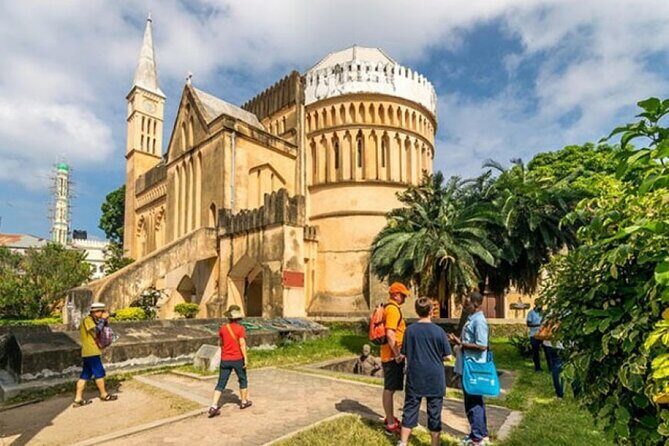
Stone Town is a UNESCO World Heritage Site, and this tour treats it like a guided walk through the places that shaped Zanzibar’s power and trade. Expect a mix of markets, museums, forts, and symbolic buildings that reflect how Zanzibar moved between cultures, rulers, and economic eras.
A few more Zanzibar City tours and experiences worth a look


Old Market and the spice market connection
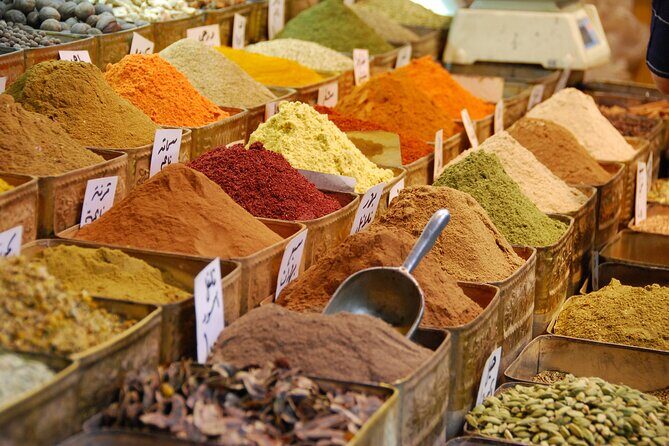
One of the most interesting stops is the Old Market, which opened in 1903. The market is organized into distinct sections: fish, meat, vegetables, and fruits. Outside it, you’ll find a spice market area. This is a nice moment for two reasons: it shows how everyday food was arranged, and it quietly links into the spice plantation story you’ll see later.
Museums and iconic houses
You’ll also visit the House of Wonders (National Museum) and the Tippu Tip House. These stops help you put faces and names on the history you see in the street layout—so even if you’re not a hardcore history reader, you get context instead of just photo stops.
Africa House, the Old Fort, and the Palace Museum
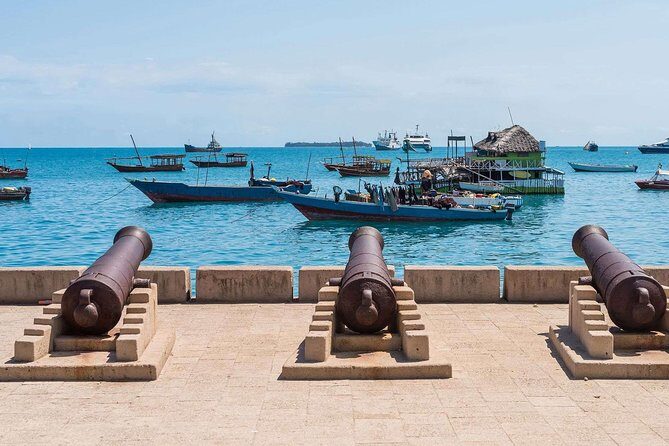
The tour includes Africa House, described as the former English Club. You’ll also see the Old Fort and the Palace Museum. Think of these as the “power points” in the walking route: where Zanzibar’s wealth and authority became buildings you can still point at.
Narrow alleys, carved doors, and balconies
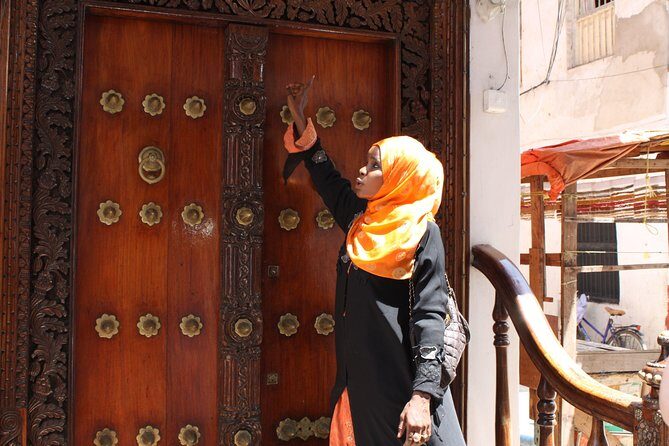
Stone Town is famous for its streets that seem made for wandering. Here, you’ll stroll through narrow alleys to notice the small details: unique doors and intricate wooden balconies. If you love architecture and street texture, this is where the tour becomes more than a checklist.




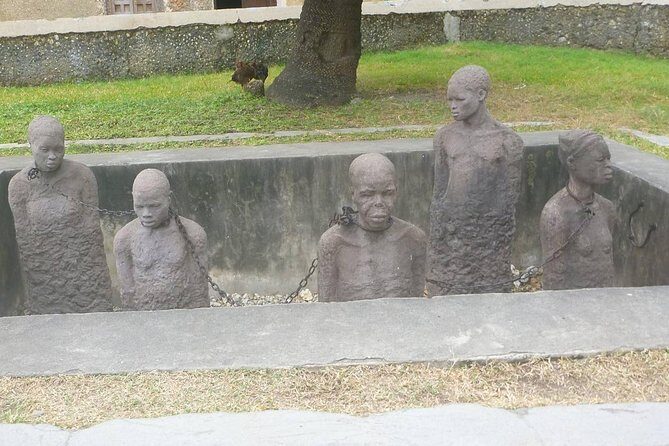
The Old Dispensary and the former Slave Market
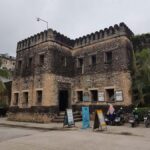
You’ll visit the Old Dispensary and the former Slave Market. Important cost detail: the tour data lists the slave market entrance as not included, with an extra $10 per person for that entrance. So if you plan to see everything fully, budget for it.
A balanced reality check
In feedback, I saw a split view on the Stone Town portion: some people loved the guide’s kindness and added stories, while others felt it was just okay or a bit light on explanation. Translation: you’ll likely get a nice orientation, but if you want deep, slow, meaning-heavy history, you might want extra time or a more focused approach.
Spice Plantation Walk: Pepper Vines, Cardamom Bushes, and a Spice Tea Break
Then the day shifts from street corners to plants. This is the part that tends to feel most memorable because it hits your senses fast: smell, touch, and guided tasting.
What you’ll see and smell
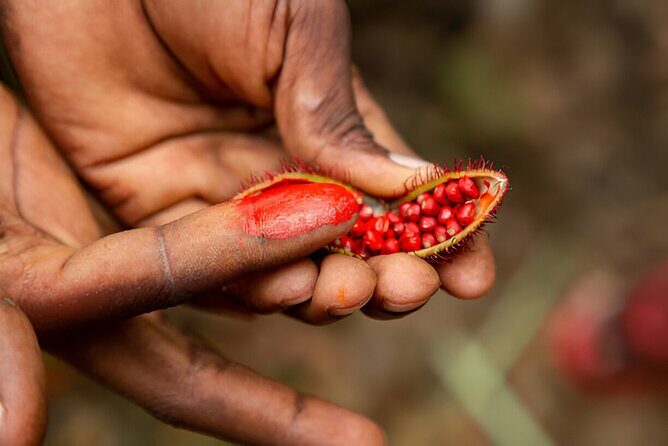
On the spice plantation tour, you’ll explore different spices, herbs, and tropical fruit trees. The tour specifically highlights aromas and plants such as:
- black pepper vines
- cardamom bushes
- cinnamon trees
- nutmeg
- clove trees
- vanilla vines
…and more varieties depending on what the plantation is featuring that day.
This matters because Zanzibar’s identity is tied to spice trade and spice cultivation. Walking among the actual plants makes the whole Spice Island idea feel real, not just like a marketing line.
Medicinal uses and practical tasting
The tour also includes a focus on how spices can be used for medicinal purposes. You’ll get explanations during the walk, plus the chance to sample things as part of the experience. If you’re the sort of person who hates tours that feel like sales traps, the key is that this one is built around a plantation guide plus tasting and tea, so you’re not only being pushed to buy.
Coconut palm climb: the moment people remember
One of the most fun elements is that you can climb a coconut palm with guidance from local spice boys. You’re not expected to be a jungle athlete; it’s more about trying something hands-on with help nearby. If you want a story to bring home, this is it.
Spice tea and buying locally-grown spices
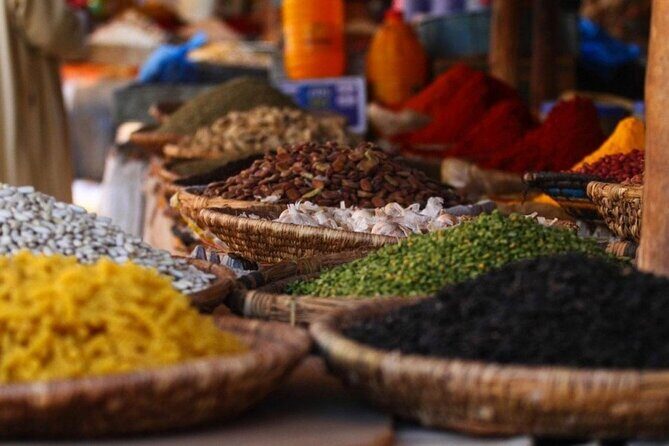
You’ll have a refreshing cup of spice tea during the tour, and there’s a chance to sample and purchase locally-grown spices. This is useful even if you don’t intend to bring spices home: sampling helps you understand flavors, and it makes shopping easier later because you know what you like.
Cost note: the spice farm entrance is not included and is listed as $10 per person. So again, plan for a small extra payment if you want full access.
Lunch With Real Spice Flavor: What Included Means for Your Day
Lunch is included, and that part shows up as one of the strongest positives. In feedback, I saw praise for it being home-made and delicious, and I’d treat it as a real feature rather than filler.
Why this matters for you: spice plantation tours can feel slow or repetitive if lunch is just a basic meal at the end. Here, the lunch connects to the spice theme, so you’re tasting the story you just heard.
One practical consideration: the tour data doesn’t say anything specific about dietary options. If you have allergies or a strict diet, I’d message ahead and confirm what the lunch includes and whether adjustments are possible.
Guide Quality and Timing: Fun Stories vs. the Pickup Risk
Guides can make or break a tour, and this one seems to swing heavily based on execution. The positive side is strong in the feedback: guides like Haji, Muda, Ibrahim, Mike, and Abraham (Abracadabra) are described as friendly, patient, and knowledgeable, with humor and relatable stories. That matters because Stone Town can feel like a lot of names and buildings in a short time. A lively guide helps you keep up and enjoy the walk even if you’re not reading every plaque.
On the other hand, there’s a cautionary report of a late pickup. The guest described a delay of about an hour and extra hassle to coordinate. I can’t predict your timing, but I can tell you what to do to protect your day: keep your phone accessible, double-check pickup time the day before, and be ready with your accommodation details for the meeting point.
Also, the tour has a max of 20 travelers, which can help guides manage time and attention. Still, heat and walking pace can slow things down, and one review pointed to Stone Town feeling hot and tiring during the later portion.
Price and What’s Extra: When $30 Turns into the Real Total
Let’s talk value without pretending there are no add-ons.
What you get for $30
At $30 per person, you’re getting:
- a professional guide
- Stone Town with major stops such as House of Wonders and Tippu Tip House
- stops including Africa House, Old Fort, and Palace Museum
- visits like Old Dispensary and the former Slave Market
- the spice plantation tour
- climb coconut palm with guidance
- lunch
- round-trip transfers if pickup option is selected (by air-conditioned vehicle)
That’s a lot for one ticket. The lunch plus guided spice tour plus coconut palm climb are usually the anchors that make the price feel fair.
What costs extra
Two extra items are explicitly listed:
- Slave market and spice farm entrance: $10 per person
- Transfer from outside Stone Town city can cost extra
So, if you plan to include the entrance fees, your effective total could be closer to $40 per person. It’s still plausible this is worth it, since the tour includes guide time, lunch, and the coconut palm climb experience. But you shouldn’t ignore those add-ons when budgeting.
Who Should Book This Tour (and Who Might Want Something Else)
This is a strong fit if you:
- want a one-day orientation to Zanzibar City
- like a mix of street-level history and hands-on plant experiences
- would enjoy a small-group pace (max 20)
- want lunch included without hunting for a place after the morning
It might be less ideal if you:
- want Stone Town to feel like a slow, deep seminar with extra time in each building
- get impatient with walking in heat and a more casual pace
- are sensitive to delays and need perfectly scheduled timing (the pickup risk is the one item you can’t fully control)
Should You Book This Stone Town & Spice Tour With Lunch?
I’d book it if you want two Zanzibar stories in one day: the human story told through Stone Town streets, and the plant story told by spice growers. The tour’s biggest strengths are the combination of guided landmarks, the sensory spice plantation experience, and an included lunch that people describe as home-made and satisfying.
Before you commit, do two quick checks:
- Budget for the $10 per person entrance fees that are not included (slave market and spice farm entrance).
- Make sure you select pickup if you need it, and stay reachable on pickup day.
If you like fun guides and hands-on moments like the coconut palm climb, this tour is likely to make your Zanzibar time feel fuller without turning into a stressful day.
FAQ
How long is the Stone Town and spice tour?
The tour lasts about 7 hours.
What does the $30 price include?
It includes a professional guide, Stone Town visits (including House of Wonders and Tippu Tip House, plus Africa House, Old Fort, Palace Museum, Old Dispensary, and the former Slave Market), the spice tour, coconut palm climb, and lunch. Hotel pickup and drop-off are included if you select the transfer option.
Is hotel pickup available?
Yes, pickup and drop-off by an air-conditioned vehicle are offered if you select that option.
What’s not included in the ticket price?
The slave market entrance and the spice farm entrance are not included and cost $10 per person. Transfers from outside Stone Town city are also extra charged.
Is lunch included?
Yes. Lunch is included in the tour.
How many people are in the group?
The tour has a maximum of 20 travelers.
What is the spice plantation portion like?
You’ll explore spices, herbs, and tropical fruit trees, enjoy spice tea, sample and purchase locally-grown spices, and climb a coconut palm with guidance.
When should I plan for booking?
On average, this tour is booked about 27 days in advance.
What is the cancellation policy?
You can cancel for free up to 24 hours in advance for a full refund.