REVIEW · ZANZIBAR CITY
Zanzibar: North Coast and Turtle Sanctuary Tour
Book on GetYourGuide →Operated by Zanzibar Local Experience · Bookable on GetYourGuide
North Zanzibar has a way of surprising you. You’ll start with traditional dhow boat making, then shift gears to a working turtle sanctuary where healing comes before release. It’s a rare combo: hands-on culture plus a conservation mission that feels real, not staged.
I especially love the chance to swim with sea turtles and feed them under careful guidance. I also like how the day is built around meaningful stops—like Nungwi’s dhow workshop area and a lunch break with a local restaurant that actually gets you grounded.
One consideration: the turtle swim and feeding part can feel a little intense at first. The good news is the guides help you ease in, but if you’re nervous around animals in water, plan to take it slow.
In This Review
- Key Highlights You’ll Care About
- Why Nungwi Works for Dhow Boats and Turtles
- Pickup and the North Coast Drive With Live Guidance
- Dhow Boat Making in Nungwi: Wood, Craft, and a Sea-Led Mindset
- The Beach Stop: Low Tide Time and Easy Walkability
- Natural Aquarium Entrance and the Lead-Up to Turtle Rehab
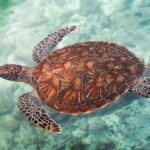
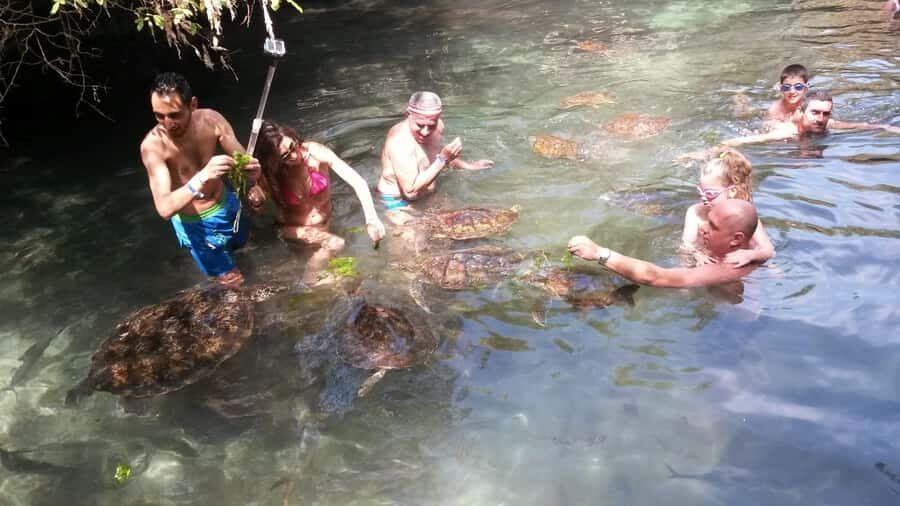
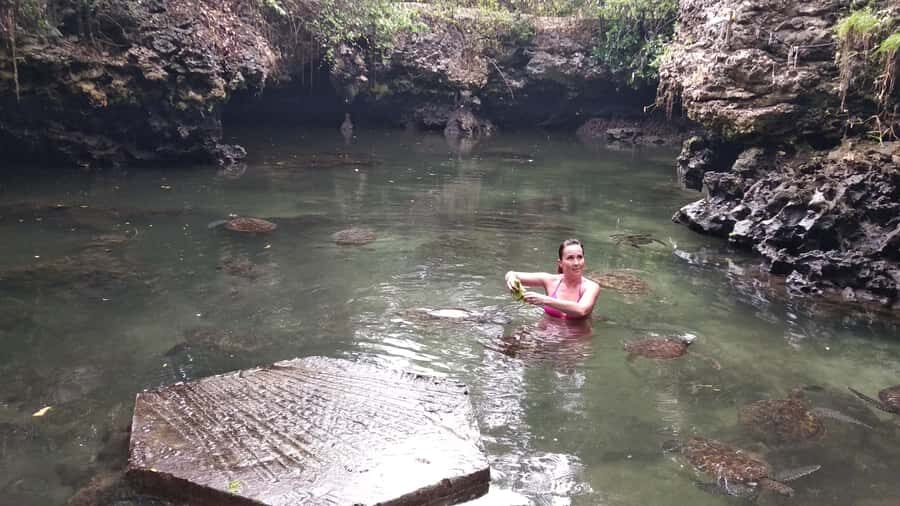
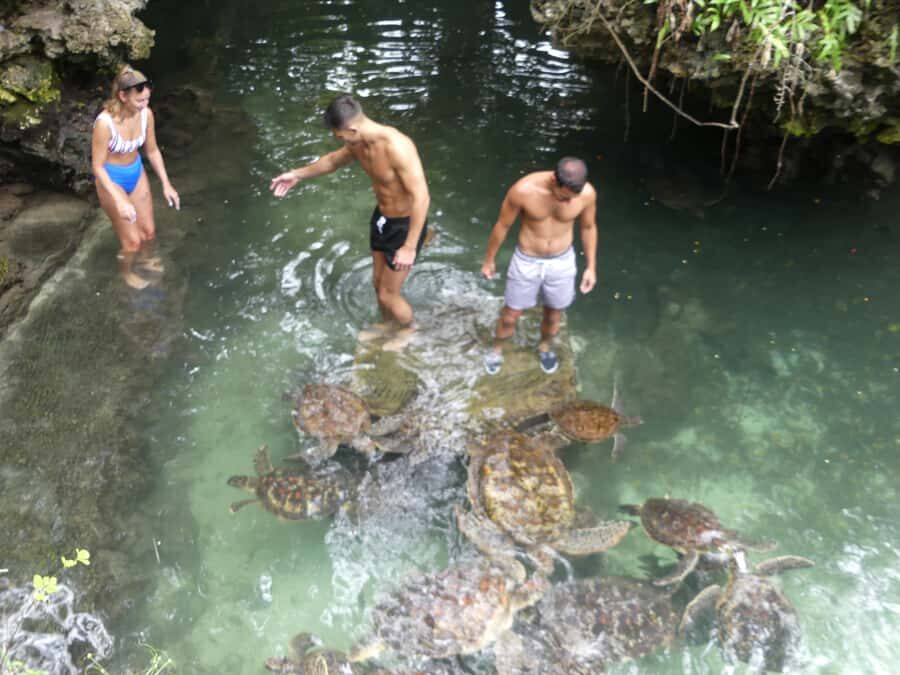
- Swimming and Feeding Turtles: The Part You’ll Remember
- Lunch With One Drink: A Real Reset in the Middle
- Value and Price: Why $112 Can Make Sense
- Who This Tour Is Best For
- Should You Book the Zanzibar North Coast and Turtle Sanctuary Tour?
- FAQ
- How long is the Zanzibar North Coast and Turtle Sanctuary tour?
- Is pickup included, and do they collect from any hotel in Zanzibar?
- What’s included for snorkeling?
- Is lunch included?
- What entrance fees are covered?
- Can I get a refund if I cancel?
Key Highlights You’ll Care About
- Dhow boat building in Nungwi: see how craftsmen shape wood and use traditional methods
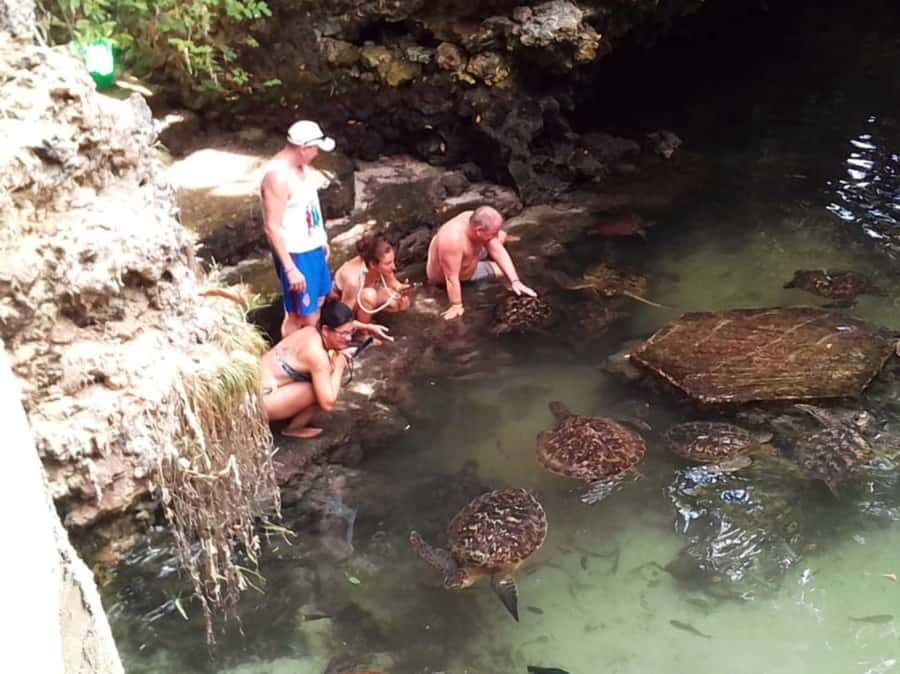
- Swim and feed sea turtles: a close-up conservation experience with clear animal focus
- Turtle rehab before release: you’ll learn how injured turtles are treated, then returned to the ocean
- Beach time at Nungwi (low tide advantage): more time on the sand and easier access for photos and walking
- Lunch plus one drink included: a real break, not a rushed grab-and-go stop
- Transfers, gear, and guide time included: you spend less time coordinating and more time enjoying
Why Nungwi Works for Dhow Boats and Turtles
This tour is timed around a big practical fact about Zanzibar’s beaches: at Nungwi, tidal effects are less dramatic than on many other coast spots. That matters because it usually means more stable beach access for walking, photos, and water time. It also helps you fit the day into a smooth 6-hour schedule without constantly second-guessing where the shoreline will be.
Nungwi is also the place where you can connect two ideas that often feel separate. Dhow boat culture is part craft, part sea engineering, and part heritage. Pair that with a turtle sanctuary focused on rehab and release, and you get a day that feels like it belongs to the island, not a generic excursion.
You can also read our reviews of more tours and experiences in Zanzibar City.


Pickup and the North Coast Drive With Live Guidance
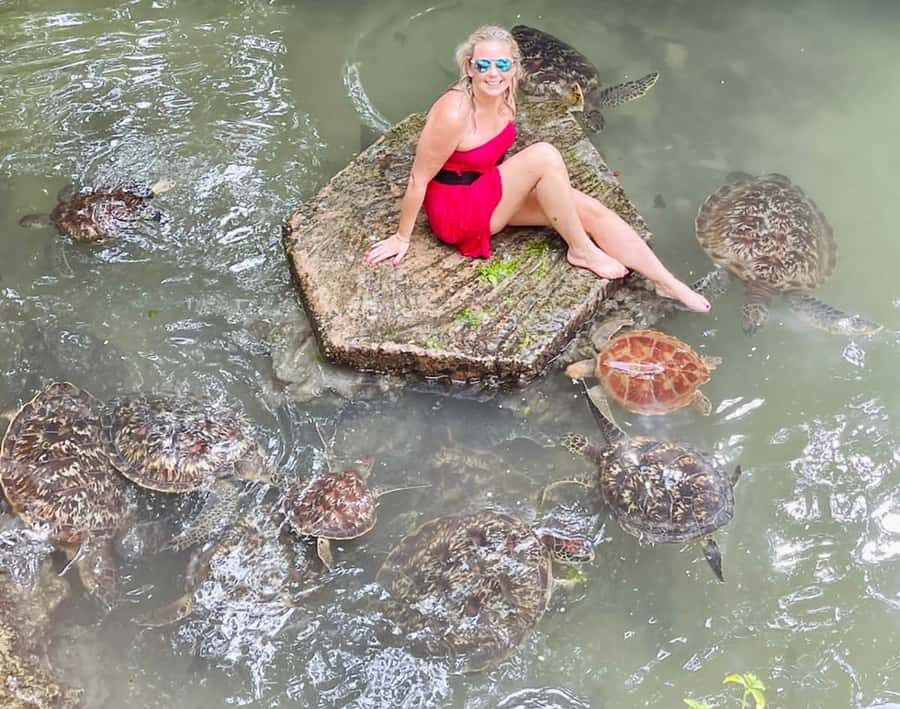
Your day starts with transfer from any hotel in Zanzibar. From there you head north, and the drive is not wasted time. Your live English guide (you might be with people like Juma, Ahmad, or Zahran Faki based on guide rosters) typically shares what makes Zanzibar tick—how locals live, what you’re seeing on the route, and what to watch for when you reach the coast.
If you like learning in small, usable chunks, this part delivers. You’ll pick up context before you reach the sanctuary or the dhow area, so the experience doesn’t feel like a stop-and-run photo session.
Dhow Boat Making in Nungwi: Wood, Craft, and a Sea-Led Mindset
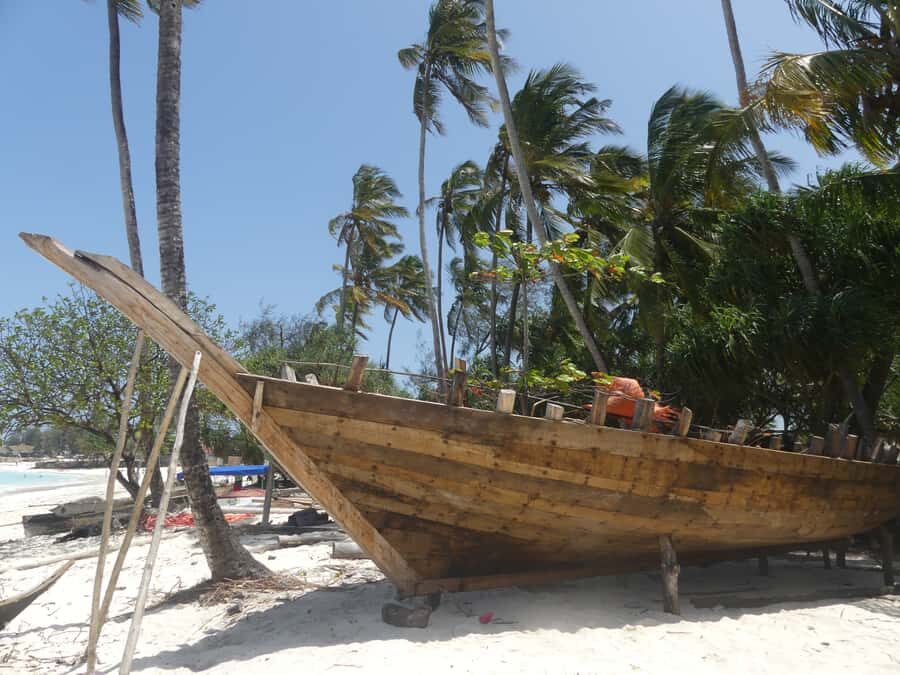
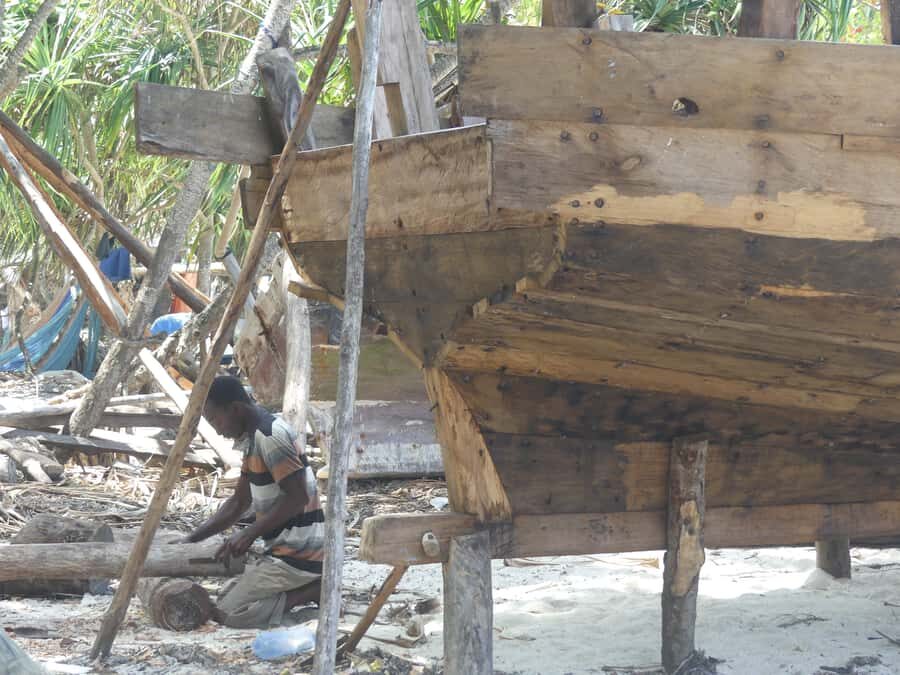
One of the strongest reasons to choose this tour is that it’s not just sightseeing. You’ll get time to find out how traditional sailing vessels are made and to see local craftsmen in action. Nungwi is known for this work, so you’re not dealing with a far-off demo with no connection to real production.
A highlight for many people is getting hands-on with the traditional drilling method. In one example, you may get to try how a drill made of wood and string works—simple tools, careful technique, and the kind of practical skill you don’t get from museum labels. The best part is that you see the logic behind it: materials, motion, and craftsmanship built for a life at sea.
The Beach Stop: Low Tide Time and Easy Walkability
After the dhow stop, you’ll enjoy time at one of the most popular local beach areas around Nungwi. This is where the tour’s planning pays off, because the tides don’t grab the shoreline as aggressively as in other regions. That means you can walk closer to boats and enjoy the sand without constantly adapting to changing water levels.
Bring a relaxed mindset here. You’re not just passing by—you’re getting a chance to breathe, take photos, and watch daily coastal activity. If you’re the type who likes to linger, you’ll appreciate this built-in pause.
Natural Aquarium Entrance and the Lead-Up to Turtle Rehab
Before you get fully into the turtle swim part, you’ll have the entrance fee covered for the natural aquarium area. This is a useful setup because it frames what you’ll see next. You’re not jumping straight from a beach into a turtle encounter with zero context.
The sanctuary model matters. Turtles are treated and healed of illnesses before they’re released back into the ocean. From what you’ll hear on-site, some turtles may stay in rehabilitation for 1–2 years before returning to the wild, which is a powerful reminder that conservation isn’t instant. It’s slow work, and this stop helps you understand that timeline.

Swimming and Feeding Turtles: The Part You’ll Remember
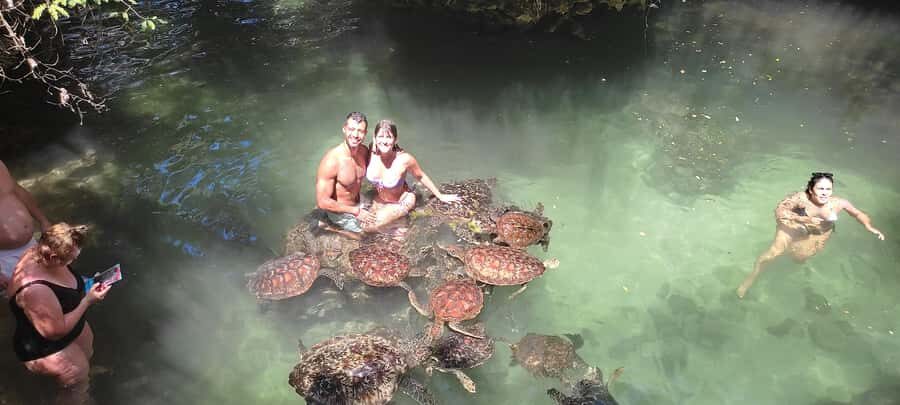
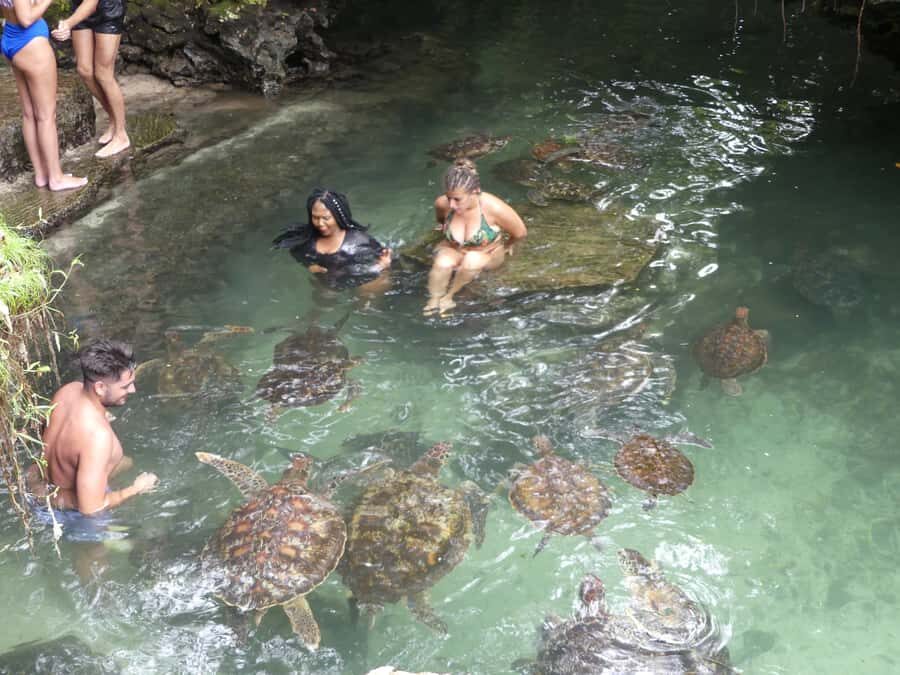
This is the core of the day: you’ll get the chance to swim with the turtles and also feed them. Guides typically help you ease into the experience, especially if it’s your first time working around marine animals in water. If you’re worried about how it will feel at the start, plan on a short learning curve—then it usually clicks.
Feeding is often the moment people realize this isn’t just a thrill. The sanctuary’s approach is tied to turtle welfare and education. You’ll learn that the fees paid contribute toward turtle care and tourist education on how visitors affect the local environment. In other words, you’re paying for a practice that aims to protect animals and reduce harm, not just for a photo.
A practical detail: the sanctuary staff may ask for your phone to take pictures and videos. That can be a plus if you’re focused on staying calm and watching the turtles instead of trying to multitask with your camera. You’ll get guidance on what’s expected, and the moment is usually better when you let someone else handle the filming.
Lunch With One Drink: A Real Reset in the Middle
Midday, you’ll stop for lunch at a local restaurant, and your tour includes one complimentary drink. That drink can be local beer, water, or soda. I like this structure because it keeps the day from feeling like constant motion.
This is also a chance to eat something familiar enough to enjoy after time in the sun. The restaurant stop is generally described as a standout, with good food and friendly staff. If you enjoy trying local dishes when you travel, this is the kind of lunch break that helps the day feel like Zanzibar, not just a schedule of activities.
Value and Price: Why $112 Can Make Sense
At $112 per person for about 6 hours, the value mostly comes from what’s bundled in. You get hotel transfers, entrance to the natural aquarium, snorkeling gear, lunch plus one drink, and a guide fee. If you tried to piece those items together yourself—especially transfers plus a guide plus snorkeling gear—the total often climbs quickly.
The other value point is less measurable: you’re paying for an experience that connects craft and conservation. The dhow boat portion gives cultural depth, and the turtle sanctuary portion gives an ethical focus. That combo is the reason this doesn’t feel like one of those “check a box” tours.
If you’re on a tight Zanzibar schedule and want one day that hits both culture and animal-focused conservation, this price fits the bill.
Who This Tour Is Best For
This tour is a strong match if you want:
- a hands-on look at dhow boat making rather than only viewing from a distance
- a sea turtle encounter centered on rehab and release, not just casual viewing
- a guided day that includes transportation, gear, and food so you can relax
It may be less ideal if you hate structured schedules or you prefer fully independent travel. Also, if you’re extremely uncomfortable with the idea of swimming close to marine animals, you may want to mentally prepare for a slower start and follow the guide’s pacing.
Should You Book the Zanzibar North Coast and Turtle Sanctuary Tour?
I think you should book this tour if you want one well-organized day that feels authentic and purposeful. The standout features are the dhow craftsmanship in Nungwi and the turtle sanctuary experience with swimming and feeding, plus the built-in lunch break. The guides also seem to do a good job keeping the day calm and friendly—especially when people feel nervous at the beginning.
If you’re mainly chasing quiet beach time, you might find the day packed with planned activities. But if you want a mix of culture, beach access at Nungwi, and a conservation-focused turtle experience, this is a solid choice.
FAQ
How long is the Zanzibar North Coast and Turtle Sanctuary tour?
The tour lasts 6 hours.
Is pickup included, and do they collect from any hotel in Zanzibar?
Yes. Transfer from any hotel in Zanzibar is included.
What’s included for snorkeling?
Snorkeling gear is included.
Is lunch included?
Yes. Lunch is included, along with one complimentary drink (local beer, water, or soda).
What entrance fees are covered?
The entrance fee to the natural aquarium is included.
Can I get a refund if I cancel?
Yes. You can cancel up to 24 hours in advance for a full refund.