REVIEW · ZANZIBAR
Zanzibar Spice Tour and Lunch Experience
Book on Viator →Operated by COASTLINE TOURS AND TRAVEL · Bookable on Viator
Spices smell like Zanzibar before you even arrive. I like the fact that this Hill Kidichi Spice Farm stop is hands-on— you walk among spice plants, herbs, and tropical fruit, with a guide explaining how they’re used locally and internationally. I also like that the day doesn’t end with sightseeing; you get a Swahili lunch prepared by local chefs using the spices you just learned about. One consideration: it’s a mostly outdoor farm visit, so bring good shoes and expect a bit of walking on a moderate-fitness day.
This experience starts at Old Fort, Mizingani Rd and ends back there, with pickup offered. It’s listed as a private tour/activity for your group, and some days you’ll be paired with friendly guides you may recognize from past guest feedback, like Osman, Othman, or Mohammed. If you’re in Zanzibar and want a fun, flavorful plan that’s not locked to a museum timeline, this is a practical way to spend about 5 hours.
In This Review
- Quick hits
- The 5-Hour Value: What This Day Costs and What You Get
- Old Fort to the Spice Farm: The Pickup and Timing That Matter
- Hill Kidichi Spice Farm: What You’ll Actually See and Do
- Why Zanzibar Is Called Spice Island: The Trade Story in Plain Terms
- Tropical Fruit and Real Plant Uses: The Part That Feels Most Hands-On
- Swahili Lunch Included: What You’ll Eat and Why It’s Not an Afterthought
- Guides, Drivers, and the Personal Touch You Can Expect
- Who This Spice Tour Suits Best (and Who Might Want Something Else)
- Pairing This Day With Your Other Zanzibar Plans
- Should You Book the Zanzibar Spice Tour and Lunch?
- FAQ
- How long is the Zanzibar Spice Tour and Lunch Experience?
- What is the price per person?
- Is pickup available?
- Where does the tour start and end?
- What’s included in the price?
- Is there admission cost mentioned for the farm?
- What will we do at the spice farm?
- What should I know about physical demands?
- Are tips included?
- Does the experience run only with good weather?
- Can I cancel for a full refund?
Quick hits
- Hill Kidichi Spice Farm: See spice trees and learn how spices are used and sold.
- Spice shopping time: Buy spices directly at the farm to take home.
- Swahili lunch included: Local food prepared by local Swahili chefs.
- Why Zanzibar is Spice Island: Hear the trade history tied to long-distance routes.
- Pickup + Old Fort meeting point: Easy start location and return to the same spot.
- 5 hours outdoors: Comfortable pacing, but you’ll still want sturdy footwear.
The 5-Hour Value: What This Day Costs and What You Get
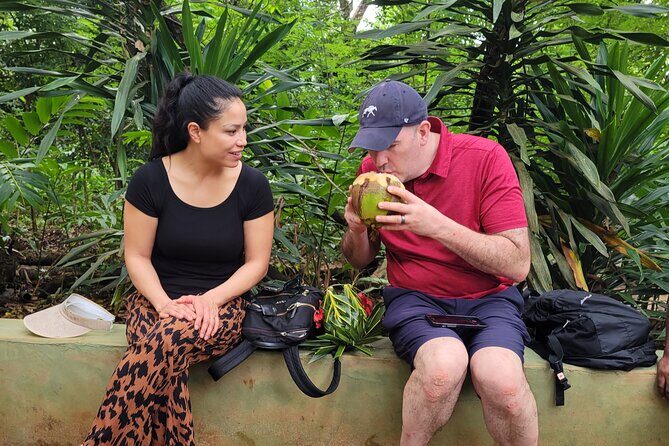
At $85 per person for roughly 5 hours, this isn’t the cheapest thing you can do in Zanzibar—but it’s also not trying to be a “bus tour with a souvenir.” You’re paying for three things that matter in the real world: guided time on a working spice farm, included lunch, and the convenience of a pickup-to-farm schedule that ends back where you started.
The best value here is the combination. A spice farm visit alone can be mostly looking and photo-taking. A lunch alone can be nice, but you lose the story behind the flavors. This experience is designed to connect those dots: you learn what grows, you see how it’s used, and then you eat it.
The duration also makes sense. In about half a day, you can learn a lot without turning your whole vacation into a single activity. Still, it’s enough time that you’ll want to go in rested. If you’re planning a long evening in Stone Town right after, give yourself a little breathing room first.
A few more Zanzibar tours and experiences worth a look



Old Fort to the Spice Farm: The Pickup and Timing That Matter
Your start point is Old Fort, Mizingani Rd in Zanzibar, and the experience finishes back at the meeting point. Pickup is offered, which matters because getting across the island on your own can eat time—especially if you’re trying to fit this into a day with other plans.
Because the total time is about 5 hours, your schedule will likely be structured rather than flexible. That’s not a bad thing; it just means you should treat it like a planned outing. If you’re the type who needs to wander slowly through markets or add “one more stop,” you may find the time limit a little tight.
Also note the practical reality: it’s a farm. Even with a guide leading the way, you’ll be outside for stretches. You’ll feel it more if the weather is hot. For that reason, choosing a day with good conditions is smart, since the experience notes that it requires good weather.
Hill Kidichi Spice Farm: What You’ll Actually See and Do

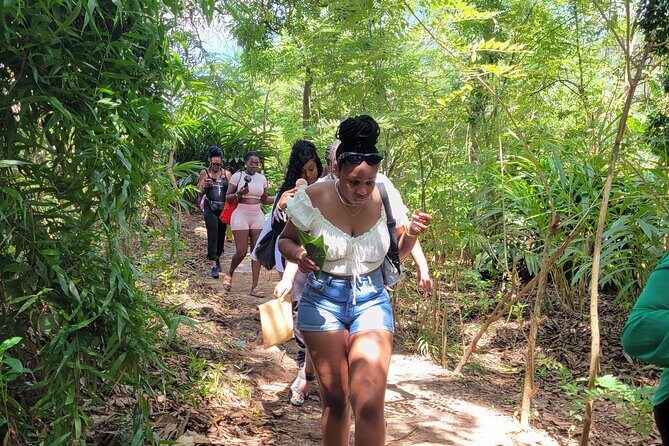
The core of the experience is a guided visit to Hill Kidichi Spice Farm. This is not presented as a quick walk past a few display plants. You’re meant to discover spice plants, herbs, and tropical fruit on the plantation, with time to ask questions and learn the uses of what you’re seeing.
What I like about this kind of farm visit is that your senses do the work. You don’t just read about spices—you smell them, look at how they grow, and connect the plant to the product. That connection is what makes buying spices more meaningful later at home. When you know which plant gives which aroma, you’re less likely to bring back jars you can’t identify.
There’s also a shopping element: you’ll have the opportunity to buy spices to take home. That’s valuable if you want souvenirs that don’t just sit on a shelf. It also keeps the visit from feeling like a one-way lecture.
One small drawback to keep in mind: spice shopping can tempt you to overspend. If you’re budget-minded, decide ahead of time what you want—say, a few everyday cooking spices—so the farm stop stays fun instead of stressful.
Why Zanzibar Is Called Spice Island: The Trade Story in Plain Terms
Zanzibar’s spice reputation isn’t just branding. The experience connects the island to the global trade story, including how the Zanzibar Archipelago became more visited around the early 15th century as long-distance trade routes—like the silk route era—connected regions. The message is clear: spices were valuable enough to move people and goods across oceans, and the island kept that role as spice producer.
This part of the tour can be especially useful if you’ve been wondering why Zanzibar’s history feels different from other East African coastal stops. You’ll walk away with a more practical idea of how “Spice Island” became an identity, not just a nickname.
And it doesn’t stop at trade. The tour description also points out that the spices were and still are used as remedies for different ailments, and that local people treat these plants as both everyday ingredients and medicinal options. I’d treat this as cultural education rather than a medical promise, but it’s still interesting context—especially if you’re into how traditional knowledge shaped daily life.
Tropical Fruit and Real Plant Uses: The Part That Feels Most Hands-On

A big part of why this tour works is that it includes more than spices. You’ll be shown tropical fruits alongside herbs and spice plants. That matters because spices aren’t just about taste; they’re part of the island’s broader mix of growing conditions and local diets.
When the guide explains uses locally and internationally, you get a sense of how Zanzibar’s products move beyond the island. Even without getting too technical, you’ll likely come away with mental anchors: which spices are common in cooking, which ones are more known for fragrance, and how whole plants connect to the powder or paste version you buy later.
If you like practical travel learning—things you can name and use at home—this is the section that will stick with you. It turns the farm into a “food map” you can reference later when you cook.




Swahili Lunch Included: What You’ll Eat and Why It’s Not an Afterthought
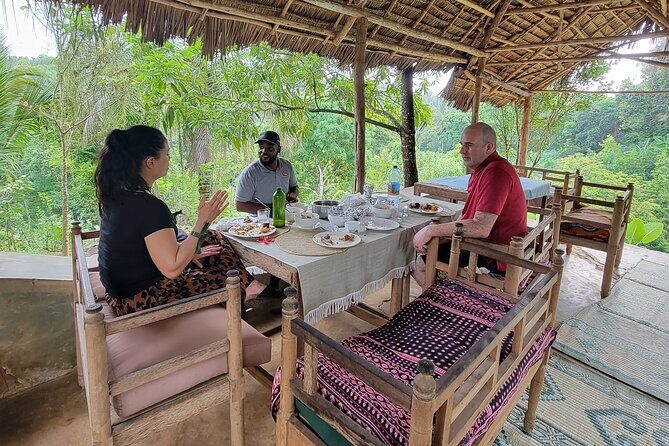
Lunch is included, and it’s local Swahili food prepared by local Swahili chefs. In my experience, this is often the make-or-break item on tours like this. A good spice day earns its money when the meal actually uses the spices you just heard about.
The way this is set up helps you notice flavors rather than just eating to fill time. You’re not watching spices as props. You’re eating them as ingredients. That’s why the lunch feels like part of the lesson, not a pause in the middle.
You also get the benefit of social context. Eating with local chefs—rather than a generic restaurant stop—tends to make the food feel connected to the place you’re touring. If you’re curious about Swahili cooking, this is one of the simpler ways to get a real taste without turning your day into a food quest.
One thing to keep in mind: since this is local lunch, you should expect flavors that might be stronger than what you’re used to back home. If you have spice sensitivity, it’s smart to mention it when you can, so the kitchen can adjust where possible.
Guides, Drivers, and the Personal Touch You Can Expect
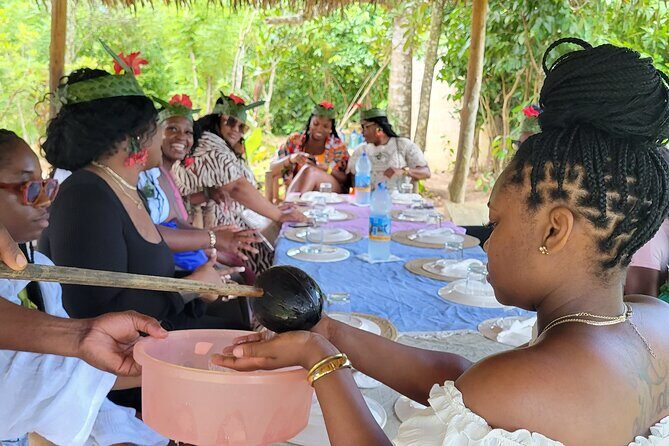
Even though the experience is structured, the human part matters. Past guest feedback highlights guides like Osman and Othman and also calls out Mohammed as a guide on at least one occasion. There’s also mention of a driver named Abdulrahman in one set of feedback.
You’ll probably notice this in the small stuff: the pace of the farm walk, how clearly spice uses are explained, and whether you get time for questions before lunch. A good guide won’t just list names—they’ll connect plant to use, and that connection is what makes this tour more than a photo stop.
If you’re traveling as a group, the tour is described as private for your group, which usually means you won’t feel swallowed by a crowd. You should still expect a guided flow, but it typically feels calmer than a big bus group.
Who This Spice Tour Suits Best (and Who Might Want Something Else)
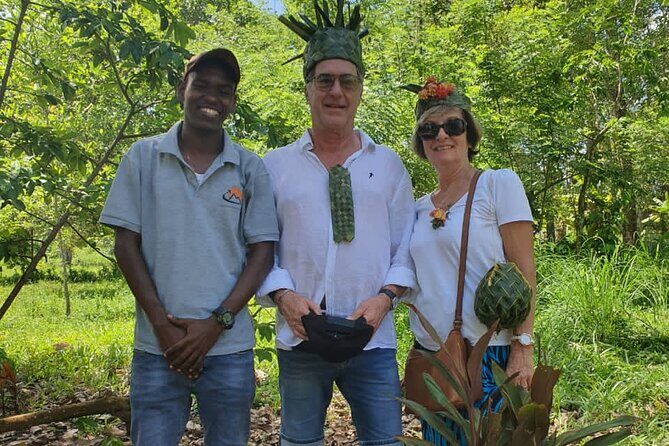
This tour is a strong match if you want:
- a guided farm experience rather than self-guided wandering
- a practical food-focused activity that ends with a meal
- the chance to buy spices in context (not random souvenirs)
- a half-day plan that fits well into a Zanzibar itinerary
It may be less ideal if you:
- hate any outdoor walking, even short stretches
- want a lot of free time to roam without guidance
- dislike meals that follow local spice intensity
Also, if you’re already planning a lot of heavy history days, this one adds variety. It’s learning through taste and smell, which can be refreshing when you’ve already seen enough fort walls for the week.
Pairing This Day With Your Other Zanzibar Plans

This experience ends back at Old Fort, which makes it easy to link with other Stone Town area activities. That’s especially helpful if you like staying close to where you’re sleeping.
If you’re the kind of traveler who likes mixing a farm day with a city walking plan, you might find your schedule works better than trying to squeeze everything across Zanzibar in one long day. The key is to protect your energy. After a spice farm walk and lunch, you’ll probably want to keep the evening plans easy—think exploring nearby streets rather than adding a distant transfer.
Should You Book the Zanzibar Spice Tour and Lunch?
I think you should book it if you’re a foodie, a curious learner, or someone who wants a memorable Zanzibar souvenir that you’ll actually use. The combination of Hill Kidichi Spice Farm guidance plus Swahili lunch gives you a complete arc: learn what grows, understand why it matters, then taste it.
I wouldn’t book it as a “random activity” if you’re primarily looking for beaches or pure beach-bumming time. This is a farm and a meal day. Go for it when you want flavor, context, and a guided plan that doesn’t require you to figure out logistics on your own.
FAQ
How long is the Zanzibar Spice Tour and Lunch Experience?
It runs for about 5 hours (approximately).
What is the price per person?
The price is $85.00 per person.
Is pickup available?
Pickup is offered.
Where does the tour start and end?
It starts at Old Fort, Mizingani Rd, Zanzibar, Tanzania, and it ends back at the same meeting point.
What’s included in the price?
Lunch is included, with local Swahili food.
Is there admission cost mentioned for the farm?
The information lists admission ticket as free.
What will we do at the spice farm?
You’ll discover spice plants, herbs, and tropical fruits, learn why Zanzibar is known as Spice Island, and have the opportunity to buy spices to take home. You’ll also eat local Swahili food during the experience.
What should I know about physical demands?
The tour calls for a moderate physical fitness level.
Are tips included?
No. Tips and personal needs are not included.
Does the experience run only with good weather?
Yes. It requires good weather, and if it’s canceled due to poor weather you’ll be offered a different date or a full refund.
Can I cancel for a full refund?
Free cancellation is available up to 24 hours in advance for a full refund.
If you tell me your travel dates and whether you’re staying near Old Fort or farther away, I can help you fit the 5-hour block into a smooth Zanzibar day plan.