REVIEW · ZANZIBAR CITY
Village Tour With Witch Doctor Visit
Book on Viator →Operated by Zanzibar Local Experience · Bookable on Viator
A witch doctor, rope, seaweed—real Zanzibar. This private 6-hour village tour is built around everyday life in Jambiani, with two things I really like: hands-on coconut husk rope-making and a visit to a working witch doctor using natural medicine. One thing to consider is that the health-related stops and traditional healing are genuine, so come with respect and an open mind.
I like that you’re not bouncing between quick photo stops. You get a private guide, time to ask questions, and the comfort of an air-conditioned vehicle while the day moves at village pace. If you’re staying around Zanzibar City, this feels like a focused escape into community routines rather than a generic sightseeing loop.
Good value also matters here. Lunch is included at no extra charge and bottled water is provided, which helps a lot during a warm coastal morning. If your idea of a perfect day is mostly lounging, you may find this one more active and more “human” than “easy.”
In This Review
- Key things to know before you go
- Why Jambiani village life feels different from typical shore trips
- Zanzibar City pickup and what 6 hours means for your day
- Women’s handicraft collective: work you can actually explain
- Seaweed harvesting: the quiet coastal economy in plain sight
- School and hospital stops: community priorities, not postcard scenes
- Rope-making from coconut husk fiber: a hands-on skill lesson
- The witch doctor visit: natural medicine and how locals define healing
- Lunch and water: small inclusions that make the day better
- Price and value: does $96 per person make sense?
- Who should book this Zanzibar village tour
- Should you book this Zanzibar City village tour?
- FAQ
- What time does the tour start in Zanzibar?
- How long is the Village Tour With Witch Doctor Visit?
- Is pickup included?
- What’s included in the price besides the guide?
- Is this a private tour?
- Where do you go during the tour?
- Do you actually learn about making rope?
- Do you visit a traditional healer during the tour?
- Is it possible to cancel for a full refund?
- Is the tour accessible for most people and does it allow service animals?
Key things to know before you go

- Women’s handicraft work with context: You’ll see how items get made and learn the purpose behind the craft, not just the final product.
- Seaweed harvesting in action: You’ll be shown how seaweed farming fits into local livelihoods.
- School and hospital visits: Expect a look at community infrastructure, with real people and real routines.
- Coconut husk fiber becomes rope: Watch the process and learn how a local material turns into a useful tool.
- A working natural healer: You’ll meet a traditional practitioner who still helps people with herbal medicine.
- Lunch and water included: No extra fee for lunch, plus bottled water to keep you comfortable in the heat.
Why Jambiani village life feels different from typical shore trips
A lot of Zanzibar outings focus on views, spices sold to you from a cart, or a quick “look and leave” tour. This day is different because it’s built around work you can understand. Women’s handicrafts, seaweed farming, coconut-fiber rope, school life, and healthcare are all part of one connected story: how people sustain a community along the coast.
I also like the tone of the experience. It’s private, so your guide can pace the conversations around your interests and comfort level. If you’re curious about how daily routines shape what people value, you’ll probably enjoy the day’s rhythm more than a checklist-style tour.
Still, this isn’t a theme park. If you’re sensitive to anything health-related or you prefer everything sanitized and “tourist-polished,” be mentally ready for a more real-world feel.
You can also read our reviews of more tours and experiences in Zanzibar City.



Zanzibar City pickup and what 6 hours means for your day

The tour starts at 8:00 am and runs about 6 hours. That timing is smart: you get through the most active parts of the day before the late-afternoon heat takes over. It also means you can still keep your Zanzibar evenings free for Stone Town wandering or a relaxed dinner.
Pickup is offered, and the ride is in an air-conditioned vehicle. That matters because your day includes multiple stops that can involve some walking and standing. If you’re traveling with a cruise schedule or arriving by port, it’s been reported that a driver can meet you there as well—so you’re not stuck waiting around.
Because it’s a private tour for your group only, you’re not pressured to match someone else’s pace. That’s great if you want time for questions, especially for the more personal topics like natural medicine and community care.
Women’s handicraft collective: work you can actually explain
One of the best parts of this tour is the women’s handicraft group visit. You’re not just seeing products; you’re watching a craft system tied to daily life. Handicrafts in Zanzibar often carry two jobs at once: they support household income and they keep skills and designs alive.
What you can expect here is a guided look at how the group works and what different items represent. Your guide can translate the “why” behind what you’re seeing, which is the difference between buying a souvenir and understanding it.
A practical tip: if you’re interested in buying, ask simple questions—what’s easiest to make, what takes the longest, and what materials are used. You’ll feel more confident and you’ll shop with purpose, not just impulse.
Seaweed harvesting: the quiet coastal economy in plain sight
The tour includes seaweed farming and seaweed harvesting. This is one of those Zanzibar topics that sounds niche until you understand how many livelihoods it supports. Seaweed cultivation is a coastal job with a clear process, and it’s fascinating to see how it fits into the broader village rhythm.
This stop is valuable because it gives you a working perspective. You see that Zanzibar’s economy isn’t only tourism and spices; it also includes everyday marine labor. It also helps you appreciate why locals pay attention to water conditions, timing, and sustainable practices.
If you’re expecting a “wow, movie-like” view only, you might miss that. The payoff is in learning how the work happens and why it matters.
School and hospital stops: community priorities, not postcard scenes
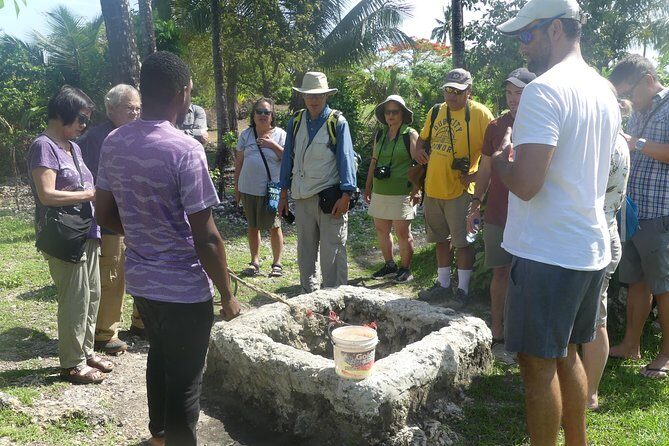
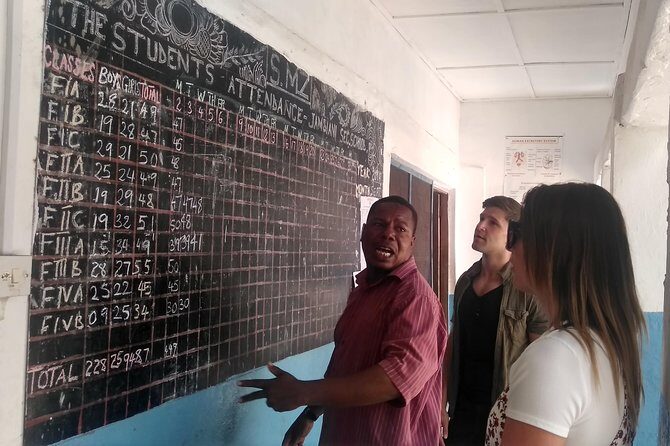
You’ll also visit a local school and a hospital. These stops shift the day from crafts and coastal work into community needs and public services. It can feel more emotional than the other activities because it’s directly tied to education and healthcare.
The upside is clarity. A village day like this helps you connect the dots: why children’s schooling matters, and how the hospital role fits alongside traditional healing. Your private guide’s job is to help you understand what you’re seeing without turning it into awkward guessing.
This is also where respect is key. Don’t treat these visits like photo opportunities only. Ask questions, keep your voice calm, and follow your guide’s lead about what’s appropriate.




Rope-making from coconut husk fiber: a hands-on skill lesson
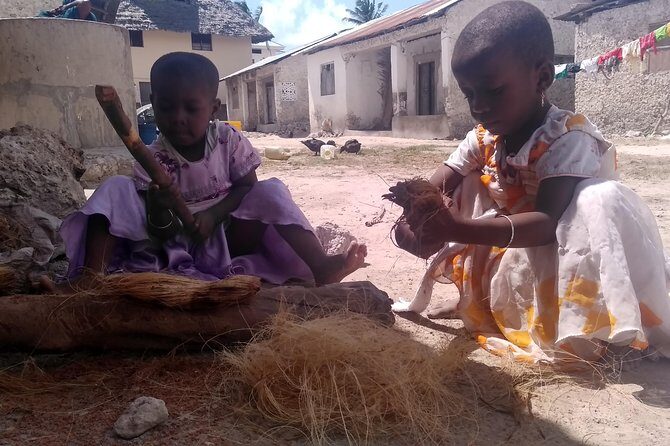
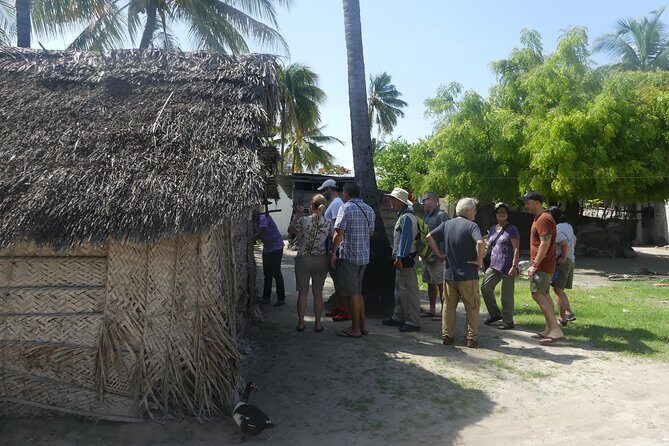
If you want a practical, memorable activity, the coconut husk rope-making stop is it. You’ll visit the lady who shows the process of making rope from coconut husk fibers. This is exactly the kind of skill that makes a village tour stick in your mind because you can see the transformation from raw plant fiber to usable cord.
What makes this portion especially good is that it’s not abstract. Rope-making is physical and step-by-step, and your guide can explain how locals rely on materials that are already around them. It’s also a great contrast to the modern world—something you can think about on the walk back to your hotel.
I recommend watching closely before you ask questions. When you know what stage you’re looking at, your questions turn into real understanding rather than general curiosity.
The witch doctor visit: natural medicine and how locals define healing
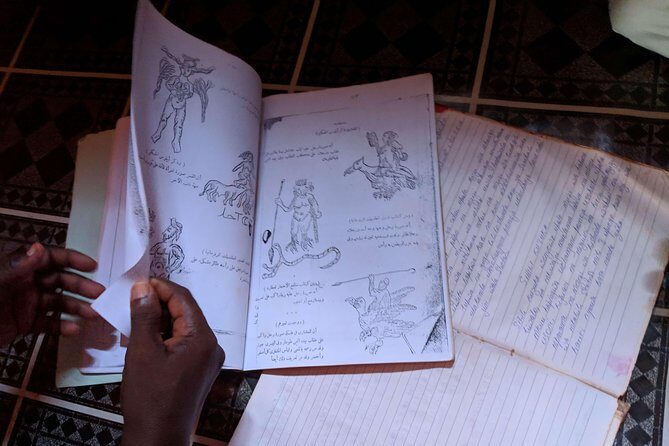
Yes, you’ll visit a traditional healer—often described as a witch doctor—who uses old natural medicine and is still working to help people. This is one of the most talked-about parts of the day for a reason: it connects culture, health, and belief systems in a way a museum can’t.
Just keep your expectations grounded. You’re not going to leave with a guaranteed cure or a Hollywood miracle. What you’ll take away is an understanding of how healing works in this community—how herbs, knowledge, and tradition come together when someone is dealing with illness or discomfort.
Important attitude check: if you’re skeptical, ask questions anyway, but stay respectful. If you’re open-minded, you’ll likely find it more meaningful because you’ll focus on the explanations and the reasons behind the practice.
Lunch and water: small inclusions that make the day better

Lunch is served with no extra charge, and bottled water is provided. Those details matter more than people think. When you’re spending the day moving between stops, hydration and a real meal keep the experience comfortable and less stressful.
Also, the fact that lunch is included helps with value. When a tour charges extra for food, you end up spending time negotiating your schedule and price. Here, you can just go with the flow.
If you have dietary restrictions, you’ll want to plan ahead with your guide or booking message. The tour data confirms lunch is included, but it doesn’t spell out specific menu options.
Price and value: does $96 per person make sense?
At $96 per person for about 6 hours, this isn’t a budget bus ride. It’s a private, village-focused day with a dedicated guide, pickup options, air-conditioned transport, multiple community stops, and an included lunch.
So the value question is simple: do you want a personal guide and real local access? If yes, you’re paying for more than transportation. You’re paying for someone to interpret what you’re seeing—women’s handiwork, seaweed farming, education and healthcare visits, coconut-rope making, and the traditional healer conversation.
It also helps that admission ticket cost is listed as free, which reduces “surprise extras.” Group discounts are available too, which can make the per-person cost feel more reasonable if you’re traveling with friends or family.
The booking lead time—about 46 days on average—suggests this is a popular format. In high season, that usually means planning ahead is smart if you want your preferred start time.
Who should book this Zanzibar village tour
This tour fits best if you:
- Want Zanzibar beyond beaches and hotels
- Enjoy asking questions and learning from local specialists
- Prefer private pacing over crowded group schedules
- Are curious about seaweed farming, coconut-fiber crafts, and traditional healing
It may be less ideal if you want a low-energy, purely scenic day, or if you don’t feel comfortable around topics connected to health and medicine (even when handled respectfully and locally).
Should you book this Zanzibar City village tour?
My take: book it if you want an honest village day in Jambiani with a guide who can connect activities to real life. The combination of women’s handicrafts, seaweed farming, school and hospital visits, coconut rope-making, and a traditional healer visit is exactly the kind of variety that helps you understand a place instead of just passing through it.
Skip it if your vacation brain wants only relaxation and minimal human-facing moments. This is a day with people, questions, and community focus.
If you do book, come prepared to be respectful, bring comfortable shoes for standing and walking, and treat lunch and water as part of your “energy plan” for the morning.
FAQ
What time does the tour start in Zanzibar?
The tour start time is 8:00 am.
How long is the Village Tour With Witch Doctor Visit?
It lasts approximately 6 hours.
Is pickup included?
Pickup is offered.
What’s included in the price besides the guide?
Lunch is served at no extra charge, free bottled water is provided, and travel is in an air-conditioned vehicle. Admission tickets are listed as free.
Is this a private tour?
Yes. It’s private, meaning only your group participates.
Where do you go during the tour?
The tour focuses on Jambiani and includes visits to a women’s handicraft collective, seaweed farming, a local school, a hospital, coconut husk rope-making, and a traditional healer.
Do you actually learn about making rope?
Yes. You visit the lady who shows the process of making rope from coconut husk fibers.
Do you visit a traditional healer during the tour?
Yes. You’ll visit a witch doctor who uses natural medicine and is still working to help people.
Is it possible to cancel for a full refund?
Yes. Free cancellation is available if you cancel at least 24 hours before the experience’s start time.
Is the tour accessible for most people and does it allow service animals?
Most travelers can participate, and service animals are allowed.