REVIEW · KILIMANJARO NATIONAL PARK
#1. Kilimanjaro 5-days hiking Marangu joining tour
Book on GetYourGuide →Operated by KILINGE -ADVENTURES · Bookable on GetYourGuide
Kilimanjaro hits you with a midnight staircase. I like the way this Marangu Route tour starts at Marangu Gate with an experienced, English-speaking guide, and I like that hut nights come with a mattress plus camping gear so you can focus on the climb. The one catch: national park fees are extra and may need paying before you start.
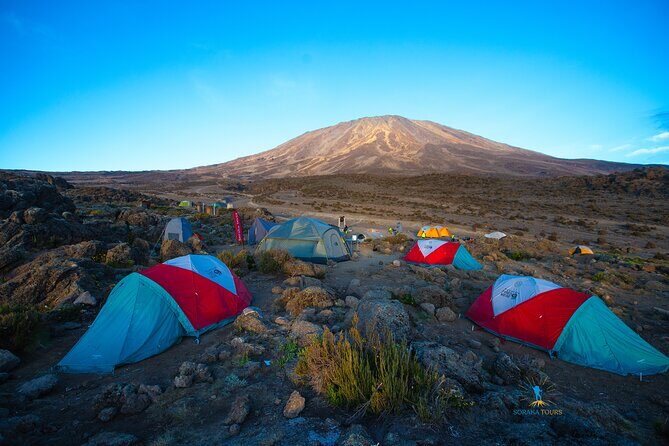
Day 4 is the long haul, with the summit push beginning at midnight and the big sunrise moment at Gilman’s Point before you reach Uhuru Peak. Along the way, you move through rainforest, heather and moorland, then up into alpine desert and arctic conditions in a tight five days.
What makes this feel like more than a hike is the team support. When altitude issues show up, the staff can help with luggage, food, and advice on medicine, and a guide named Shedrack is specifically praised for his steady leadership.
In This Review
- Key things that make this Kilimanjaro Marangu tour worth your time
- Why the Marangu Route is built for a 5-day schedule
- Marangu Gate to Mandara Hut: rainforest walking and the Maundi Crater option
- Mandara Hut to Horombo Hut: moorland climbing, waterfalls, and acclimatization time
- Horombo Hut to Kibo Hut: the alpine desert push and Last Water Point
- Midnight summit: from Kibo Hut to Uhuru Peak, then down to Horombo
- Horombo Hut to Marangu Gate: the rainforest fade-out and your summit certificate
- Price and logistics: what $675 covers (and what can surprise you)
- What to bring for hut nights, summit cold, and long days
- Who this Kilimanjaro joining tour is best for
- Should you book the Kilimanjaro 5-day Marangu joining tour?
- FAQ
- FAQ
- How long is the Kilimanjaro 5-day Marangu joining tour?
- What route does the tour follow on Kilimanjaro?
- What is the highest elevation on this itinerary?
- What is included in the price?
- Are national park fees included?
- What should I pack for the climb?
- What language will the guide speak?
- Is travel insurance included, and what about cancellations?
Key things that make this Kilimanjaro Marangu tour worth your time
- Marangu Gate start, with an English-speaking guide that gets you registered and moving the right way
- Mandara Hut rainforest day that’s scenic and practical, with a Maundi Crater optional add-on
- Horombo Hut acclimatization stop in lively hut life, right after heather and moorland scenery
- Water-and-views Day 3, including the Last Water Point and the jump to Kibo Hut
- Midnight summit strategy: Gilman’s Point at sunrise, then Uhuru Peak on the crater rim
- Staff support that can matter on summit night, including help if altitude sickness hits
Why the Marangu Route is built for a 5-day schedule
The Marangu Route is famous for being a structured climb with hut stops. That matters because Kilimanjaro isn’t just about walking up a mountain. It’s about rhythm, pacing, and getting your body used to altitude across multiple days.
This tour runs five days, and the daily elevation steps are planned to keep you climbing steadily instead of jumping too fast. You start around 1,870m near Moshi/Arusha, end up near 5,895m on summit day, then come back down to the gate area. It’s a dramatic range, and the hut schedule helps you manage it.
Another practical plus is the support system. You’re not doing this solo with a local map and a hope. You get a professional English-speaking guide, transportation from your hotel area to the gate, drinking water, and meals as listed in the itinerary. In real terms, that reduces mental load on a climb where you already have plenty to think about.
You can also read our reviews of more hiking tours in Kilimanjaro National Park
Marangu Gate to Mandara Hut: rainforest walking and the Maundi Crater option
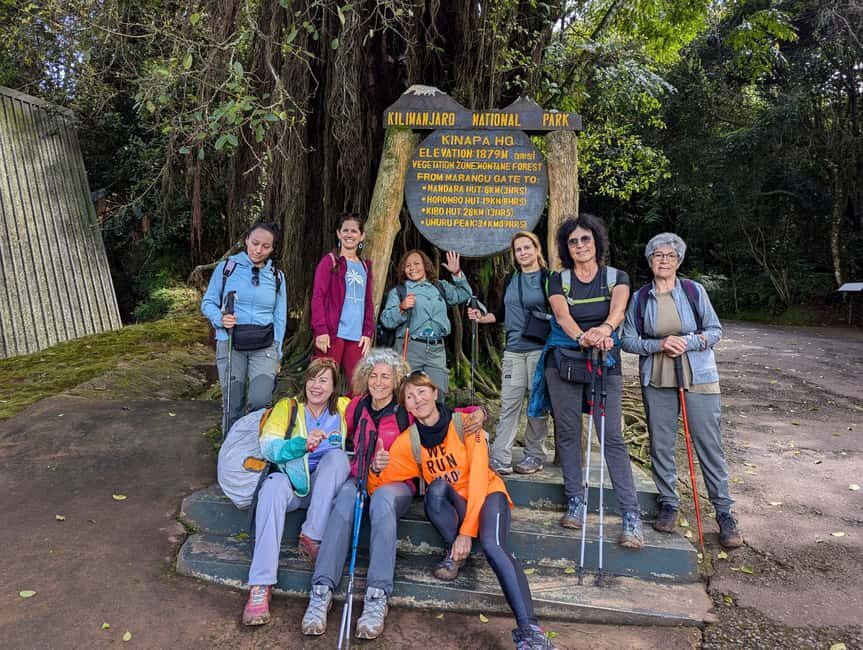
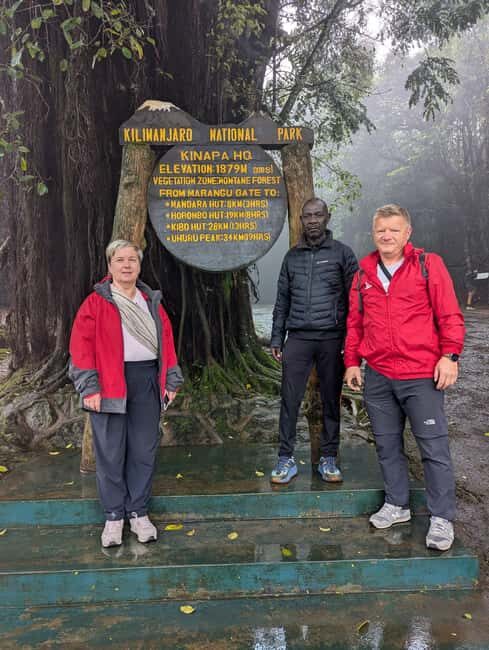
Day 1 runs from Marangu Gate to Mandara Hut, starting at 1,870m and climbing to about 2,720m. It’s about 8 km and usually takes 4–5 hours, which is a friendly way to ease into the trip without burning your energy too early.
You’ll walk through rainforest. That’s not just pretty; it can also feel easier on your body than open, windy trails. In the trees, you may spot monkeys and unique plant life along the way. It’s the kind of start that makes you feel like you’re already in a different world before altitude fatigue even has a chance to show up.
At Mandara Hut, you’re surrounded by forest and you get a calm base to regroup. There’s even an optional short hike to Maundi Crater, if you want extra views without adding a huge day. If you’re the type who likes to get a payoff early, this is a good way to do it.
One small thing to keep in mind: Day 1 is still uphill. You don’t want to treat it like a casual nature walk. Go slow, keep breathing steady, and save your legs for the higher days.
Mandara Hut to Horombo Hut: moorland climbing, waterfalls, and acclimatization time
Day 2 moves you from 2,720m to 3,720m. Expect about 12 km and 6–7 hours of hiking. The rainforest fades, and you transition into heather and moorland zones, which usually means more exposure to wind and sky.
This is also where you start to see Kibo and Mawenzi peaks more clearly. Those views aren’t just for photos. They help you understand what’s coming next: a very long climb toward the summit area. When you can see the “shape” of the mountain, it’s easier to stay mentally patient.
The trail also includes stunning waterfalls on the route to Horombo Hut. That’s a nice psychological break. In a climb like this, a few moments of surprise keep you from feeling like the day is one long grind.
Horombo Hut is a bigger deal than it sounds. The plan includes rest time there for acclimatization, and it’s one of the key reasons the schedule works. You reach Horombo and you’re not forced to keep climbing immediately. Instead, you get hut life and a chance to slow down: other climbers swap stories, and you can compare notes about how the altitude is treating you.
Practical tip: at Horombo, use the downtime. Eat, hydrate, and don’t “test” your body by running around. You’re prepping for the harder push.
Horombo Hut to Kibo Hut: the alpine desert push and Last Water Point
Day 3 is where the mood shifts. You go from 3,720m up to 4,703m (about 10 km and 6–7 hours). The habitat becomes alpine desert, and the world around you turns barren and stark.
This day is gradual ascent, but it’s still a big step upward. The trail takes you past the Last Water Point, and the combination of dry terrain and thinner air is a reminder that your body is working on altitude, not just muscles.
You’ll also get striking views of Kibo Peak from this section. It helps that today’s trail is visually focused. When the scenery is simple and dramatic, it’s easier to keep your pace steady and avoid overexerting just because you feel good.
Arriving at Kibo Hut is also a timing game. You rest early and prepare for the midnight summit attempt the next day. This is where your packing choices matter: flashlight ready, jacket layer accessible, and your headlamp/torch plan squared away. The goal is to keep things simple at night—no fumbling.
Midnight summit: from Kibo Hut to Uhuru Peak, then down to Horombo
Day 4 is the make-or-break day. It’s listed as 22 km and 11–15 hours, with the day starting at the coldest point in your climb cycle. The route is from 4,703m up to 5,895m and then a descent back down to 3,720m.
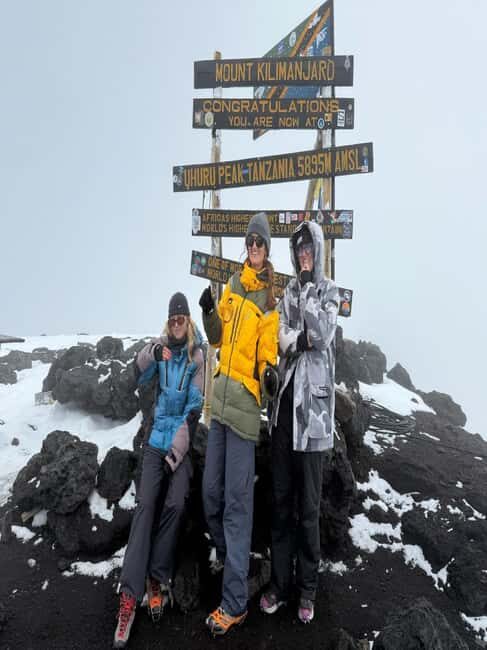
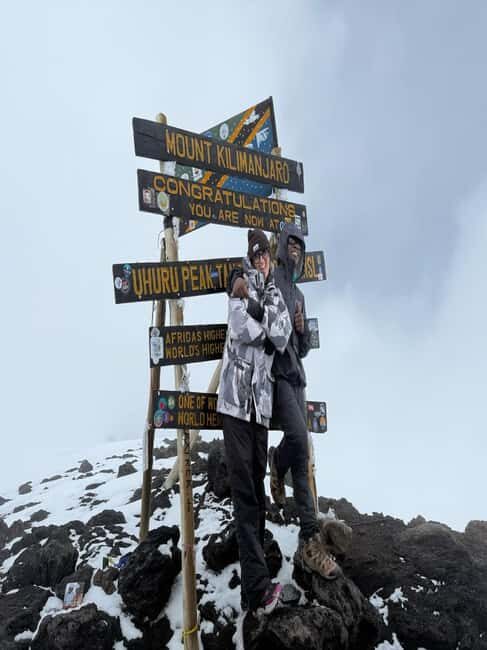
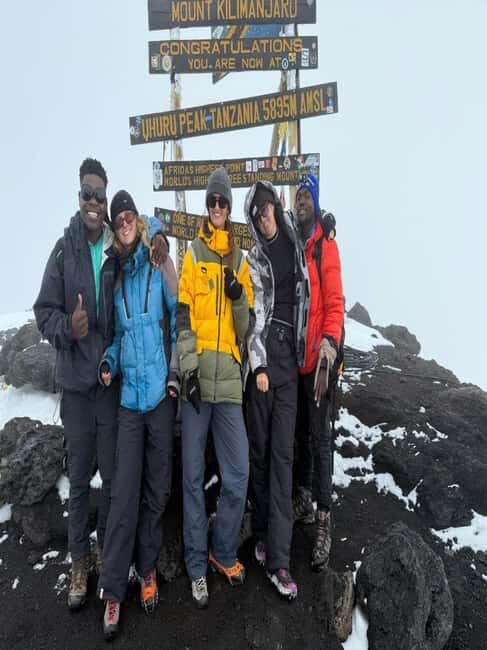
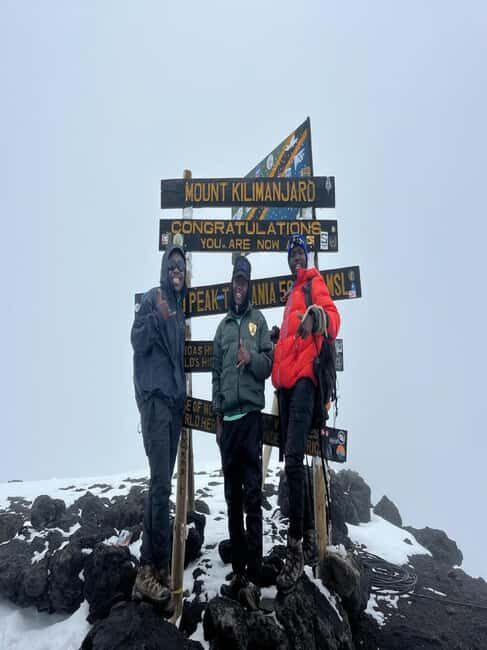
The summit push begins at midnight. You’re trekking under starlight, usually with cold air in your lungs and a pace that feels more like steady survival than hiking. Then you reach Gilman’s Point (5,681m) around sunrise, which is a huge milestone. From there you continue along the crater rim to Uhuru Peak, the highest point in Africa.
At sunrise, things can look impossibly clear. But don’t let that trick you into speeding up. The crater rim can still drain you, even when it looks like you’re nearly done. Your job is to keep moving, breathe, and trust your guide.
Once you reach the summit, you celebrate, then you descend back to Kibo Hut for lunch and rest. After that, you head back down further to Horombo Hut. That order matters. Descending is hard, too. Your knees and feet take the hit, and fatigue can make your steps sloppy if you rush.
What I like about this plan is that it acknowledges the full day reality. It’s not only the summit that counts. The descent to Horombo puts the final day into a more manageable shape for your body.
Horombo Hut to Marangu Gate: the rainforest fade-out and your summit certificate
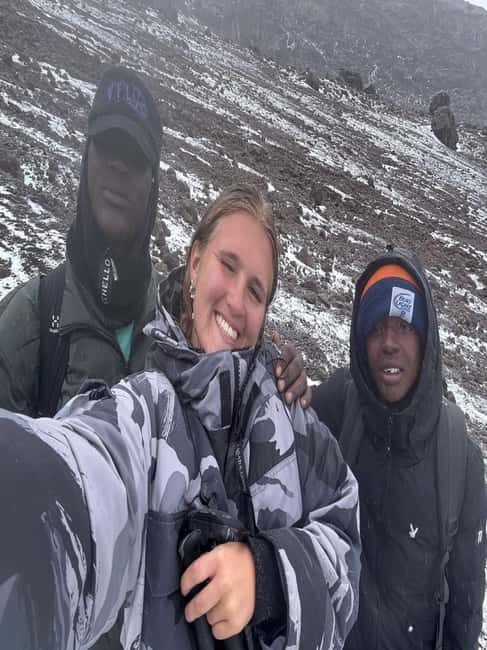
Day 5 turns you back toward lower altitude. You go from about 3,720m down to 1,870m, covering 20 km over 5–7 hours. The habitat shifts back from heathland toward rainforest.
This is when you finally feel the air get thicker. That can make your walking feel easier, but don’t go too fast. Your body is recovering from a huge altitude swing, and the right pace now helps you end the trip strong.
You’ll hike down to Marangu Gate, where you receive your summit certificate. That moment is more than paperwork. It’s a clear finish line that your brain can grab onto after days of counting steps and conserving energy.
Then it’s transportation back to Moshi or Arusha. The trip structure keeps the end simple: hike, certify, drive.
Price and logistics: what $675 covers (and what can surprise you)
The tour price is $675 per person. What you get for that money is a lot of the infrastructure that usually costs time and effort on your own:
- Hut accommodation
- Camping equipment and a sleeping mattress
- A professional English-speaking guide
- Transportation and transfers from your hotel to the gate
- Meals as indicated in the itinerary
- Drinking water
There’s also value in the support layer. The staff are described as extremely helpful, including help handling luggage and providing support if someone feels sick at high altitude. On a mountain where things can change quickly, that human backup matters.
Now for the part that needs your attention: national park fees are not included. Even when a tour says park fees are excluded, the real-world cost can still sting. One clear note is that an additional $750 may be required before starting the hiking. So do your budget math like this: $675 plus park fees.
Also not included: travel insurance and alcoholic beverages. That’s normal, but it’s worth planning for up front so you’re not scrambling later.
A smart approach is to treat $675 as the hiking-package cost, then add the national park fee when you plan. If you do that, the total feels less like a surprise and more like a known mountain expense.
What to bring for hut nights, summit cold, and long days
This is a hut-based climb, so you’re not hauling everything like a full-on expedition. Still, you need the key items that handle cold, night hiking, and comfort.
Bring these essentials:
- Hiking shoes
- Jacket
- Gloves
- Sleeping bag
- Flashlight
- Daypack
- Trekking gear
- Power bank
A sleeping bag is especially important. Even with a mattress provided, you’ll want your own bag for temperature control at high altitude. Day 4 also runs through arctic to heathland conditions, so plan for real cold during the midnight hours.
Flashlight matters because nights start early and move fast. I like having a headlamp or flashlight you can use one-handed. You’ll appreciate it when you’re adjusting layers, keeping hands warm, and staying focused.
Finally, pack a daypack for the trail. You don’t want to rummage at every stop. Keep your must-haves easy to reach: water routine items, gloves, and a warm layer.
Who this Kilimanjaro joining tour is best for
This works well if you want a structured 5-day Kilimanjaro climb with hut stops and clear milestones. The Marangu Route is built around taking you from rainforest to moorland to alpine desert, then into the high crater zone with a planned summit push at midnight.
It’s also a strong fit if you value language support. You get an English-speaking guide, and the team approach is meant to keep you moving with clear guidance.
Choose it if you:
- Want hut accommodations instead of camping-only nights
- Like a guided plan that handles logistics like transfers and water
- Appreciate acclimatization time at Horombo Hut
- Are ready for a very long, very demanding summit day
It might not be the best choice if you’re on a tight budget and a park-fee add-on would feel stressful. It also may not suit you if you hate long days; Day 4 can run 11–15 hours, even for fit hikers.
Should you book the Kilimanjaro 5-day Marangu joining tour?
I’d book this if you want a real shot at the summit with a clear timetable, hut-based comfort items included, and a team that stays involved when altitude gets tough. The staff support is not just a nice extra; it’s the difference between feeling “managed” and feeling alone when the mountain pushes back.
I’d think twice if you’re the type who gets irritated by extra costs at the start. Park fees are the big unknown in your budget, and it can mean paying around $750 before hiking begins. Also be honest with yourself about Day 4. If 11–15 hours in cold night air sounds like a nightmare, don’t pretend it won’t be hard.
If you can handle a long summit day and you plan for the park-fee add-on, this tour’s structure is a smart way to take on Kilimanjaro.
FAQ
FAQ
How long is the Kilimanjaro 5-day Marangu joining tour?
It runs for five days, starting with travel from Moshi/Arusha to Marangu Gate and ending with the descent back to Marangu Gate on Day 5.
What route does the tour follow on Kilimanjaro?
It follows the Marangu Route with hut stops at Mandara Hut, Horombo Hut, and Kibo Hut, and it includes the summit push to Uhuru Peak.
What is the highest elevation on this itinerary?
The itinerary lists Uhuru Peak reached at about 5,895m, with Gilman’s Point around 5,681m.
What is included in the price?
The tour includes hut accommodation, a professional English-speaking guide, transportation and transfers from the hotel to the gate, meals as indicated in the itinerary, drinking water, camping equipment, and a sleeping mattress, plus guided safari tours.
Are national park fees included?
No. National park fees are not included in the tour price, and an additional cost may be required before hiking begins.
What should I pack for the climb?
Bring hiking shoes, a jacket, gloves, a sleeping bag, a flashlight, a daypack, trekking gear, and a power bank.
What language will the guide speak?
The tour includes an English-speaking guide.
Is travel insurance included, and what about cancellations?
Travel insurance is not included. Cancellation is listed as free up to 24 hours in advance for a full refund.