REVIEW · ZANZIBAR
Zanzibar Spice Adventure by Imani Zuberi
Book on Viator →Operated by Imani Zuberi · Bookable on Viator
Spices on Zanzibar make real sense fast. In the Zanzibar Spice Adventure by Imani Zuberi, you don’t just walk a farm—you hear how the spice trade evolved, taste what’s growing, and get practical explanations for the medicinal values people attribute to common plants.
I like two things right away: first, the hands-on spice tastings and product-making view from the local community side. Second, the tour includes a Swahili cuisine lunch, plus bottled water and seasonal fruit, so you’re not guessing what to eat after the walking.
One thing to keep in mind is weather. This experience needs good conditions, so plan to be flexible if it has to be rescheduled.
In This Review
- Key highlights at a glance
- Why This Zanzibar Spice Adventure Starts at a School of Agriculture
- Spice-Trade Stories, Tastings, and Medicinal Uses (What You’ll Actually Learn)
- The Coconut Climber Moment and Fresh Young Coconuts
- Swahili Cuisine Lunch, Water, and Seasonal Fruit
- Imani Zuberi’s Guide Style: Safe, Funny, and Willing to Adjust
- Price and Time: Getting Value for 2 to 4 Hours in Zanzibar
- Who This Spice Adventure Works Best For
- Should You Book the Zanzibar Spice Adventure by Imani Zuberi?
- FAQ
- How long is the Zanzibar Spice Adventure?
- What’s included in the price?
- Is pickup available?
- Is this a private tour?
- Do you need good weather?
- What isn’t included with lunch?
Key highlights at a glance
- A focused spice stop at the School of Agriculture, built around trade history, tastings, and plant uses
- Medicinal-value explanations tied to real plants you can see in the field
- Coconut climber + young coconut moment that feels like Zanzibar theater, minus the tourist trap vibe
- Included Swahili lunch with bottled water (plus seasonal fruit)
- Private tour style, so your questions actually get answered
- Imani Zuberi’s guide approach, described as safe, personable, and willing to go the extra distance
Why This Zanzibar Spice Adventure Starts at a School of Agriculture
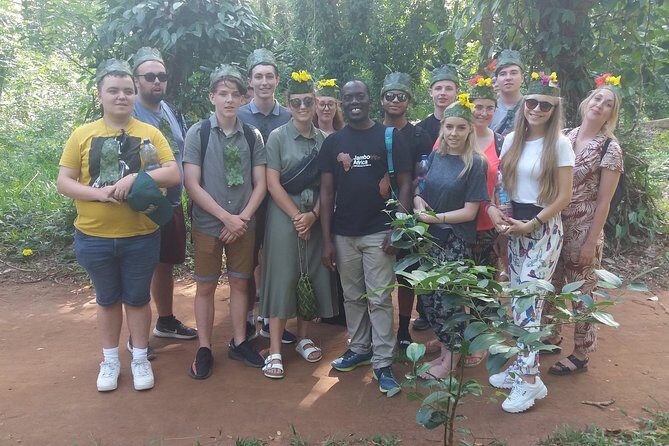
If you’ve done spice tours elsewhere and felt like you were speed-running a souvenir catalog, this one has a different pace. The heart of the experience is the School of Agriculture stop, which means the day is organized around learning—what the plants are, how they’re used, and how Zanzibar’s spice story shaped life on the islands.
You’ll get more than a list of spices. The guide frames the history of the spice trade in a way you can connect to the plants in front of you. That matters because spices aren’t just flavors here. They’re tied to how people farm, trade, and make products for both locals and visitors. Even if you’re not a “plant person,” you’ll usually start seeing patterns: what grows where, what’s harvested, what’s used fresh versus processed.
Also, this is timed for real vacation life. Expect about 2 to 4 hours, so you can fit it between beach time, Stone Town wandering, or whatever else you have planned. It’s long enough to feel like an experience, not so long that it eats your whole day.
You can also read our reviews of more tours and experiences in Zanzibar.



Spice-Trade Stories, Tastings, and Medicinal Uses (What You’ll Actually Learn)
The tour’s learning style is hands-on. You’ll hear about how Zanzibar’s spice trade developed, then you’ll be able to taste various spice plants as you go. That “see it, smell it, try it” loop is a big part of why these tours stick in your memory. Your brain connects the word cinnamon or clove to the real plant—and to the way it’s used.
You’ll also get explanations for the medicinal value that people associate with these spices. Now, a quick reality check: medicinal claims can vary widely, and the information you hear on tours is usually based on local traditions and practical use. What you can trust is the purpose of the lesson—it helps you understand how communities think about plants as more than food. If you’re the type who asks questions, this is where you’ll get them answered in a calm, respectful way rather than a hard sell.
Another useful piece is exposure to spice products made by the local community. That shifts the conversation from only “what is this plant?” to “how does it become something you can use or buy?” You’ll get a clearer sense of the value chain: growing, harvesting, processing, and packaging. Even if you don’t buy anything, it makes the market make more sense.
What I’d suggest you do during the tastings: don’t treat it like a challenge. Go slow, ask what you’re smelling and tasting, and note which ones you like. If you want to bring spices home later, you’ll have a shortlist.
The Coconut Climber Moment and Fresh Young Coconuts
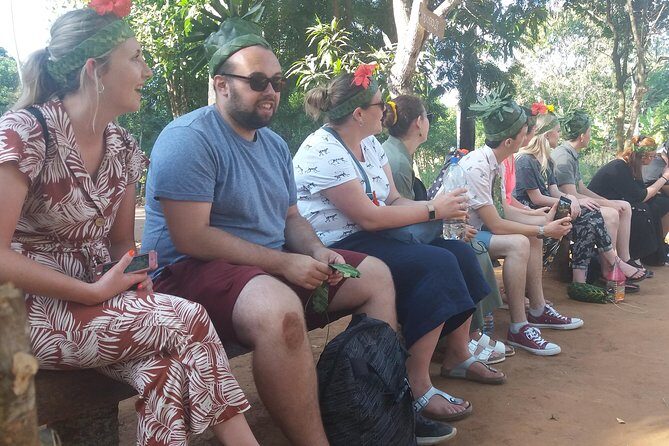
A standout part of the plan is the coconut experience. You’ll watch a coconut climber, then you can enjoy fresh young coconuts. It’s one of those activities that feels alive, not staged. The climbing show gives you context for why coconuts matter on the island—this isn’t just a drink. It’s a resource.
A quick practical thought: young coconuts are a treat, but they also mean you’ll be carrying liquid taste in your mouth for the next part of the day. Plan to take a few minutes after tasting the spices and let your palate reset. If you’re doing this right before lunch, the timing usually works out nicely.
This is also the section where the tour becomes more than lecture. If you like movement and visual moments, this is a great payoff for the learning part earlier. It’s a reminder that on Zanzibar, agriculture isn’t background scenery—it’s a daily system.
Swahili Cuisine Lunch, Water, and Seasonal Fruit
One of the easiest ways to judge a good spice tour is what happens after your stomach checks in. Here, you get lunch: Swahili cuisine plus bottled water (1.5 liters) and seasonal fruit. That’s a lot of practical value for the price, because it removes two common vacation headaches: finding food on time and paying surprise prices for water.
The Swahili lunch aspect is also meaningful. Spices don’t live only in the field. They show up in kitchens, in everyday flavor, and in how people eat. Even if you’re not sure what to order later in the day, the lunch helps you connect the spice tour to real meals.
A small note on drinks: beer or soda isn’t included. Bottled water is part of the package, so plan your extras accordingly if you want something fizzy or alcoholic with the meal. Simple planning here keeps the day smooth.
Imani Zuberi’s Guide Style: Safe, Funny, and Willing to Adjust
This is where the experience sounds different from the standard script. In feedback about Imani, the recurring themes are clear: he’s described as a gentleman, knowledgeable about spices, and funny in a way that makes people relax. More than jokes, the big point is effort. The guide is said to go the extra distance to ensure you have a great time and stay safe.
That matters because spice tours can be uneven. Some are fast, salesy, and a bit chaotic. A tour that feels safe and well paced changes how you experience everything else. When you’re not worried about logistics, you pay attention. And when you pay attention, you actually learn.
Also, this is a private tour/activity, meaning it’s only your group participating. That’s a real quality upgrade. You can ask follow-up questions about plants, medicinal uses, or how spice products are made without feeling like you’re interrupting a big group schedule. It also makes it easier to tailor timing if your group wants a bit more time at the tasting stage or needs a short break before lunch.
If you like conversation, this is a good day to bring curiosity—what you’re tasting, what you’re seeing, and how life works around these crops.


Price and Time: Getting Value for 2 to 4 Hours in Zanzibar
The price is $71.80 per person for a tour running about 2 to 4 hours. On paper, that can look “reasonable” or “expensive,” depending on your travel style. The real value comes from what’s included.
You’re not just paying for a walk. Admission is included, you get lunch in Swahili cuisine style, you get 1.5 liters of bottled water, seasonal fruit, spice tastings, and the guide time focused on spice trade history and plant uses. That package can save you money you’d otherwise spend on a standalone meal and drinks during the same hours.
Pickup is offered, which can also protect your time. In Zanzibar, cutting down on “where do we meet?” moments matters. Mobile ticket convenience helps too: less fuss, more day.
If you’re the kind of traveler who wants one solid, memorable activity rather than five fragmented ones, this fits well. It’s a concentrated experience with multiple built-in value items: education, tastings, a cultural agricultural moment, and food.
Who This Spice Adventure Works Best For
This tour is a great fit if you want a real Zanzibar agriculture and spice introduction without committing to a full-day excursion. It also suits groups who appreciate guided explanations, tastings, and a lunch that doesn’t feel like an afterthought.
You’ll likely enjoy it most if:
- you like learning about everyday life in a place, not only monuments
- you’re interested in spices as flavors and as part of local tradition
- you want a structured activity with time for breaks and food
- your group prefers a private format over a large crowded tour
If your idea of fun is only beaches and views, you might feel the day is a bit too hands-on. But even then, the coconut climbing + young coconut moment is usually a win for anyone who likes watching people do real work.
Should You Book the Zanzibar Spice Adventure by Imani Zuberi?
Book it if you want a smart, short spice experience in Zanzibar with included lunch, lots of practical learning, and a guide who’s known for staying safe, keeping things friendly, and going the extra mile. The private format is a strong quality signal for people who hate feeling rushed or unheard.
Skip or reconsider if you’re traveling during poor weather and don’t want to gamble on schedule changes. Since the experience requires good weather, flexibility is your friend here.
Overall, this is one of those tours that makes the island’s spice identity feel real, not just advertised. If you want to leave Zanzibar with better taste memory and a clearer picture of how spice culture connects to daily life, this one does that—fast and for a fair price.
FAQ
How long is the Zanzibar Spice Adventure?
It runs about 2 to 4 hours, depending on how the experience flows that day.
What’s included in the price?
The tour includes lunch (Swahili cuisine), 1.5 liters of bottled water, seasonal fruit, and admission ticket entry for the agriculture stop.
Is pickup available?
Yes, pickup is offered.
Is this a private tour?
Yes. It’s a private tour/activity, so only your group participates.
Do you need good weather?
Yes. The experience requires good weather, and if it’s canceled due to poor weather you’ll be offered a different date or a full refund.
What isn’t included with lunch?
Beer or soda isn’t included. Bottled water is included.