REVIEW · ARUSHA NATIONAL PARK
Arusha National Park: Walking Safari and Game Drive
Book on GetYourGuide →Operated by Adventure Bats · Bookable on GetYourGuide
Walking through Arusha National Park changes your pace fast. This combo tour pairs a ranger-led walking safari with game drives, so you’re scanning for wildlife both on foot and from the vehicle. Add optional hikes toward Mt. Meru’s base camp and the famous fig tree, plus a picnic lunch inside the park, and you get a full day that feels active but not rushed.
I especially like two things: the chance to get close on the walking safari with a ranger (zebras, giraffes, elephants, baboons and more), and the way the day is built around multiple “animal windows” with game drives before and after the hike. One drawback to consider: timing can make or break the walk—if the schedule gets tight, you may end up spending more time moving through bushes than actually watching animals.
In This Review
- Key things to know before you go
- A Walking Safari and Game Drive Combo in Arusha National Park
- The Day’s Rhythm: Morning Drive, Ranger Walk, Picnic, Afternoon Drive
- What Makes the Walking Safari Work: Ranger Skills, Waterfalls, and Animal Close-Calls
- Mt. Meru Base Camp (6 Hours) vs the 3-Hour Hike: Picking the Right Effort
- The Fig Tree Area and Why Vehicle Access Matters
- Lunch in the Park: How to Enjoy It Like a Safari Pro
- Price and Value: Is $270 Fair for This 8–9 Hour Mix?
- Who Should Book This Walking Safari Day (and Who Might Not)
- Should You Book Arusha National Park Walking Safari and Game Drive?
- FAQ
- How long is the Arusha National Park walking safari and game drive?
- Where does the tour start, and do you get pickup?
- What animals might I see during the game drives?
- What’s included in the walking safari portion?
- What hike options are available?
- Does lunch happen inside the park?
- How do I choose between a van and a 4×4?
- What languages are available for the guide?
- Is the tour accessible for wheelchair users?
- What’s the ticket price?
Key things to know before you go
- Ranger-led walking safari: You hike through forest trails and marshy areas while the guide reads animal signs.
- Two game drives in one day: A morning-to-afternoon rhythm that boosts your chances.
- Mt. Meru base camp options: Go for a longer trek (6 hours) or a gentler hike (3 hours).
- Fig tree focus: The route includes the iconic fig tree with vehicle access in mind.
- Van vs 4×4 choice: A 4×4 can reach remote spots the van can’t.
A Walking Safari and Game Drive Combo in Arusha National Park

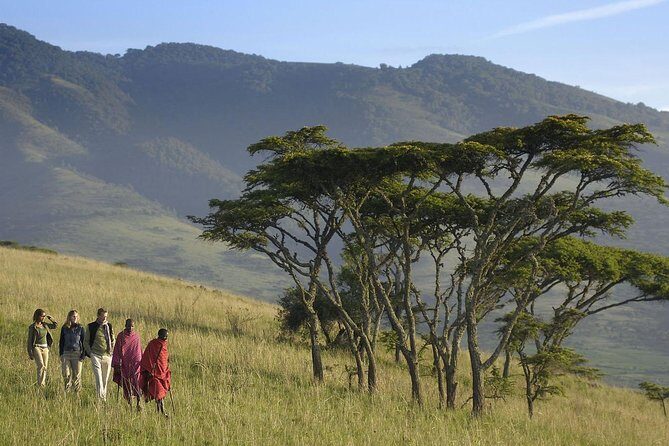
Arusha National Park is one of Tanzania’s easier places to feel like wildlife is right there with you. You’re not only looking from a track—you’re also walking a trail where your senses matter. On this tour, the day starts with a game drive through varied park areas, then shifts to a ranger hike to waterfalls and the fig tree area, and finishes with another game drive.
What makes this format good value is simple: it gives you more chances to see animals. Some species are easier to spot while the vehicle covers distance. Others feel more present when you’re moving slower and listening for movement in the trees. The tour intentionally mixes both.
It also helps that the ranger hike isn’t just “take a photo and walk.” The route includes forest trails, waterfalls, and open marshlands. That matters because marshy edges and waterfall zones tend to draw animals for practical reasons—water, feeding, and travel corridors.
You can also read our reviews of more tours and experiences in Arusha National Park.

The Day’s Rhythm: Morning Drive, Ranger Walk, Picnic, Afternoon Drive

You’re out for about 8–9 hours, which is a solid chunk of time for a park day without feeling like your whole trip is one long safari. The structure is straightforward: drive first, hike second, picnic in the middle, then drive again.
Here’s how each part tends to feel, and what you can do to get the most out of it:
Game drive #1 (start strong)
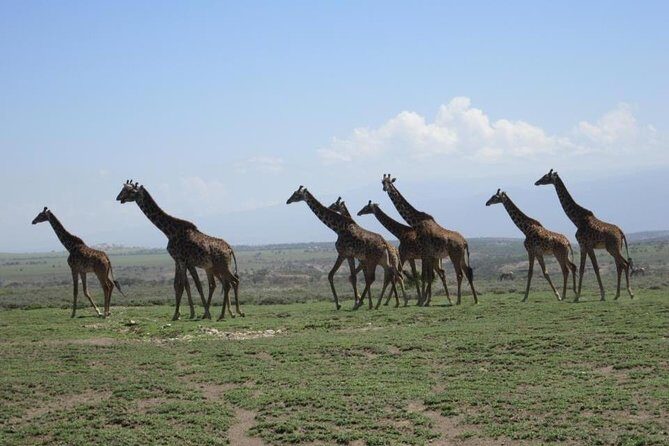
Expect a scan for bigger, higher-visibility wildlife: giraffes, Cape buffalos, zebras, elephants, and warthogs are all in the park mix. You may also spot flamingos, plus monkeys like colobus and blue monkeys. This is when your guide typically sets the tone—finding where animals are active and pointing out tracks or feeding signs.
Ranger hike (slow the brain down)
Once you step out, the goal changes. You’ll be hiking through lush forest trails to waterfalls, then into open marshland areas. This is where your ranger experience really counts, because you’re learning to read what’s in front of you—movement in shrubs, animal calls, and the “why” behind where the animals go.
Picnic lunch inside the park
Lunch is included, and the whole point is that you eat in the park rather than rushing to leave. You’ll want to keep your eyes open while you eat, because wildlife can be nearby. When lunch happens mid-day, it also helps you avoid the energy crash that often makes a hike feel longer than it is.
Game drive #2 (wrap up with the best timing)
The afternoon drive gives you a second pass at wildlife—often with different light and different animal behavior than the morning. If you missed a particular animal earlier, this final drive is where luck can improve.
What Makes the Walking Safari Work: Ranger Skills, Waterfalls, and Animal Close-Calls

A walking safari sounds romantic, but it’s only special if it feels safe, purposeful, and animal-focused. On this day, you’re with an English-speaking guide and you’re also paying a walking fee—so the hike is the real deal, not just a stroll.
The route includes two key features:
1) Waterfalls on forest trails
2) Open marshlands afterward
Those aren’t just scenery stops. Waterfalls can concentrate animals that use the area for drinking and comfort. Marshy edges can act like natural feeding and movement zones. When you’re walking, you’re not always guaranteed to see a parade of animals in every minute—but you’re positioned to notice them when they do appear.
One review detail stuck with me as a practical lesson: if things run behind schedule, the hike can feel less about animal spotting and more about reaching the fig tree. That doesn’t mean the park day is ruined—but it’s a reminder to arrive ready for a full walking block where your guide tries to balance distance, safety, and sightings.
Mt. Meru Base Camp (6 Hours) vs the 3-Hour Hike: Picking the Right Effort

One of the most useful parts of this tour is the choice. You can do a longer 6-hour Mt. Meru base camp trek or an easier 3-hour hike on flatter terrain. Both options include waterfalls, so you’re not giving up the best scenery if you pick the shorter day.
Here’s how I’d think about it when choosing:
Go for the 6-hour trek if you want depth
This option heads toward the first base camp and includes the iconic fig tree area. Because it’s longer, it’s better for you if you enjoy steady hiking and you’re okay with being more physically committed. It also tends to create more time for slow wildlife searching along the way.
Choose the 3-hour hike if you prefer easier pacing
The shorter hike is described as gentler and on flatter terrain. It’s the choice I’d make if you want the walking safari experience without spending most of your energy on a long uphill grind. Importantly, it still pairs with full park access through the vehicle plan.
Either way, you’re still getting waterfalls, and you’re still going to the fig tree region. Your main trade-off is time and effort.
The Fig Tree Area and Why Vehicle Access Matters

The fig tree is more than a landmark here—it’s built into how the day is designed. The tour notes that the fig tree area is large enough for a vehicle to pass through, and that the vehicle choice helps you reach spots a van might not.
That’s where the van vs 4×4 decision becomes practical:
If you take the van
Expect an easier, more scenic overall ride pattern. It’s typically what you choose when you want comfort and you don’t need to chase the most remote access points.
If you take a 4×4 safari vehicle
You get access to more remote areas, including places tied to the fig tree route. A 4×4 also helps with flexibility, especially if the longer hike is paired with additional park exploration where you want the vehicle to reach beyond what a van can handle.
If you’re combining the shorter hike with “more park time,” a 4×4 setup can make the day feel more complete rather than like you did just a quick walk and then sat in the vehicle.
Lunch in the Park: How to Enjoy It Like a Safari Pro
Included lunch is a big part of what keeps the day feeling like a park experience, not a check-the-box outing. The best move is to treat lunch as a reset, not a break from paying attention.
A few practical tips:
- Bring a light layer. Even in Tanzania’s warmer months, mornings and shaded forest areas can feel cooler once you’re in motion.
- Stay ready to scan. Sitting still is when you notice smaller movement—birds around trees, monkeys crossing edges, and sometimes large animals at a distance.
- Eat on schedule. When your meal time gets pushed by driving or hiking changes, it can throw off the energy you need for the afternoon game drive.
Because the lunch is inside the park, you’re already in the wildlife rhythm. That’s the real value: you don’t escape the environment to eat, then return feeling like you’re starting over.
Price and Value: Is $270 Fair for This 8–9 Hour Mix?

At $270 per person for an 8–9 hour day, this is not a bargain-basement safari. But it also isn’t just “a vehicle ride with a snack.” The price is supported by several things that matter on the ground:
- Hotel pickup and drop-off (time-saving and safer than trying to figure out timing solo)
- Entry fees, plus ranger fee and walking fee (the walking portion isn’t an afterthought)
- English-speaking guide and guided hiking
- Lunch and water
For value, what you really want to check is whether the walking safari is a meaningful part of your day—not a token add-on. This tour gives you a dedicated hike option and includes waterfalls and the fig tree route. If everything runs on time and your ranger stays focused on sightings, it can be worth it.
Your main “value risk” is schedule tightness. If morning timing forces a rushed walk, you lose some of the animal-seeing payoff that makes walking safaris special. The afternoon game drive can still be great, but you’ll want the walking part to deliver too.
Who Should Book This Walking Safari Day (and Who Might Not)

This tour is a strong match if you want variety in one day. You’ll likely enjoy it most if:
- You like walking safaris and want wildlife up close rather than only from the vehicle
- You’re comfortable choosing between a longer and shorter hike (Mt. Meru base camp or a 3-hour route)
- You want the security of two game drives rather than betting the whole day on one drive
It might feel less satisfying if you’re expecting constant animal sightings during the walking portion. In any walking safari, animals decide whether they’re visible. You can do everything right—then still spend time in forest and scrub while watching the ranger work the area.
If you’re traveling with someone who strongly prefers minimal hiking, the 3-hour hike option plus vehicle access should help. If your group wants maximum physical effort and plenty of time in the fig tree and base camp direction, go for the 6-hour trek.
Should You Book Arusha National Park Walking Safari and Game Drive?

I’d book this if you’re after a day that mixes slow looking and classic safari driving. The big selling points are the ranger-guided walking safari, the inclusion of waterfalls and the fig tree route, and the fact that the itinerary builds in game drives before and after so your odds improve naturally.
I wouldn’t book it if you’re mainly chasing a long list of easy sightings and hate the idea of time on trails where animals may be distant. In that case, you’d probably get more satisfaction from a longer vehicle-focused safari day.
If you do book, a smart mindset helps: arrive ready to walk, listen, and let your guide time the day. When the ranger pacing matches the terrain, this becomes one of those Arusha days you talk about later—because you remember the feeling of being close, not just the photos.
FAQ

How long is the Arusha National Park walking safari and game drive?
The experience runs about 8 to 9 hours.
Where does the tour start, and do you get pickup?
Hotel pickup and drop-off are included, and you’ll be picked up in a safari vehicle.
What animals might I see during the game drives?
The tour includes opportunities to spot zebras, giraffes, elephants, baboons, Cape buffalos, flamingos, warthogs, bushbucks, and monkeys like colobus and blue monkeys.
What’s included in the walking safari portion?
You’ll hike with a ranger through forest trails to waterfalls and through areas that include open marshland, and you’ll have the option of the longer or shorter hike.
What hike options are available?
You can choose a 6-hour Mt. Meru base camp trek or a gentler 3-hour hike on flatter terrain.
Does lunch happen inside the park?
Yes. Lunch is included and is served during the park day.
How do I choose between a van and a 4×4?
The tour offers a van for an easier scenic tour, while a 4×4 safari vehicle helps reach remote areas (including access related to the fig tree that a van can’t reach).
What languages are available for the guide?
The guide is available in English, Swahili, and French.
Is the tour accessible for wheelchair users?
Yes, the tour is listed as wheelchair accessible.
What’s the ticket price?
The price is $270 per person, and it includes entry fees plus ranger and walking fees.