REVIEW · ZANZIBAR
Zanzibar: Swim with Turtles Sanctuary Tour
Book on GetYourGuide →Operated by Zari Tours & Safari · Bookable on GetYourGuide
Sea turtles in a lagoon, close enough to feel the calm. I like how the experience mixes hands-on turtle time with real conservation education. You’ll also get a relaxed, guided setup that’s friendly for first-timers.
The main thing to keep in mind: the turtles are still turtles. They can bite, so you’ll want to follow your guide’s cues and move slowly around them.
In This Review
- Key things to know before you go
- Nungwi Turtle Sanctuary: why this turtle swim is more than a photo stop
- Checking in at Baraka Aquarium Bungalows in Nungwi
- The lagoon hour: feeding and swimming with rescued sea turtles
- What you’ll learn during the conservation talk
- Timing tips: when to go for calmer water and fewer people
- Price and value: is $13 really enough?
- What to bring (and what Zanzibar won’t allow)
- Who this turtle swim is best for
- Making it work in your Zanzibar day plan
- Should you book the Swim with Turtles Sanctuary Tour?
- FAQ
- Where do I meet for the turtle sanctuary tour?
- How long is the experience?
- Is hotel pickup and drop-off included?
- Do I need to be an experienced swimmer?
- What should I bring?
- What items are not allowed?
- What language is the guide?
Key things to know before you go
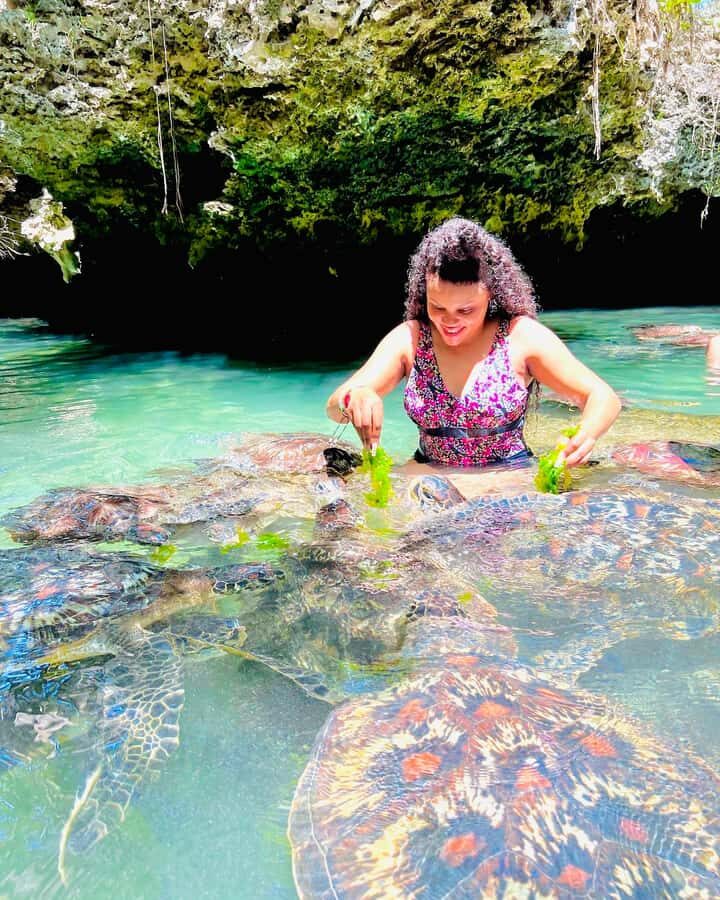
- Nungwi Turtle Sanctuary lagoon access: You get a safe, controlled setting to meet rescued sea turtles.
- Feed and swim (respectfully): You’ll be in the water with clear rules to keep both you and the turtles comfortable.
- Conservation education included: Expect an explanation of how injured or endangered turtles are rehabilitated and protected.
- Go early for more space: Arriving around 8:00 AM can mean fewer people and a quieter lagoon.
- Turtles can nip: Move gently and let the guide manage the interaction.
Nungwi Turtle Sanctuary: why this turtle swim is more than a photo stop
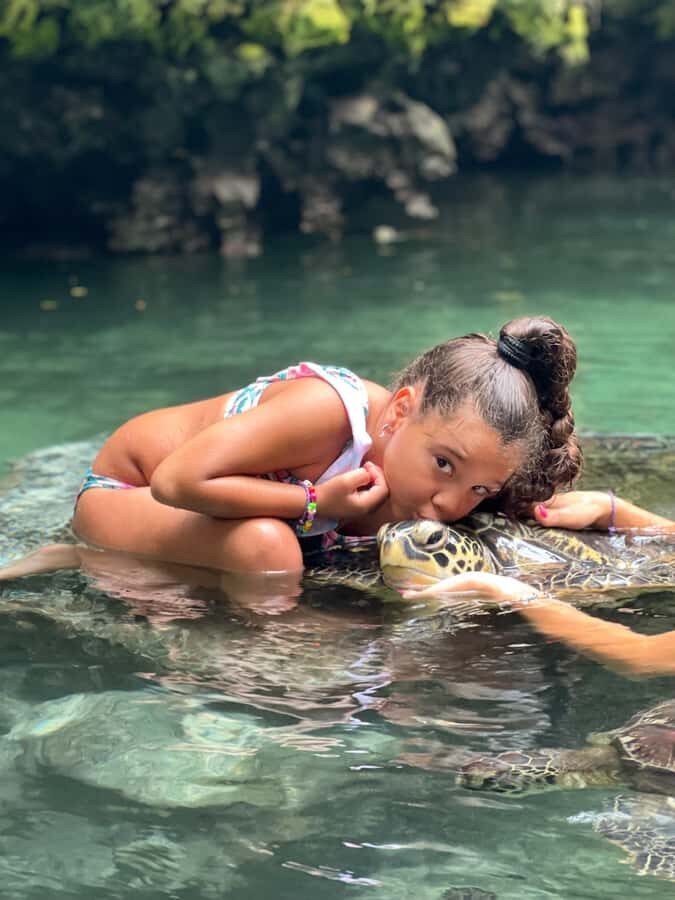
If you’ve ever seen sea turtles in documentaries and thought they’d look bigger in real life, this is your chance. The Nungwi Turtle Sanctuary experience centers on rescued turtles living in a lagoon where you can meet them in a calm, guided way.
What I like most is the balance. You get real face-time—feeding and swimming in the water—without it turning into a chaotic contact sport. You also get the “why” behind the conservation work, not just the “look at the turtle” part.
The setting matters too. This isn’t open-ocean surfing with ropes and strangers. It’s a sanctuary environment designed to keep interactions safer and more respectful, which helps make the experience feel responsible rather than random.
You can also read our reviews of more tours and experiences in Zanzibar.



Checking in at Baraka Aquarium Bungalows in Nungwi
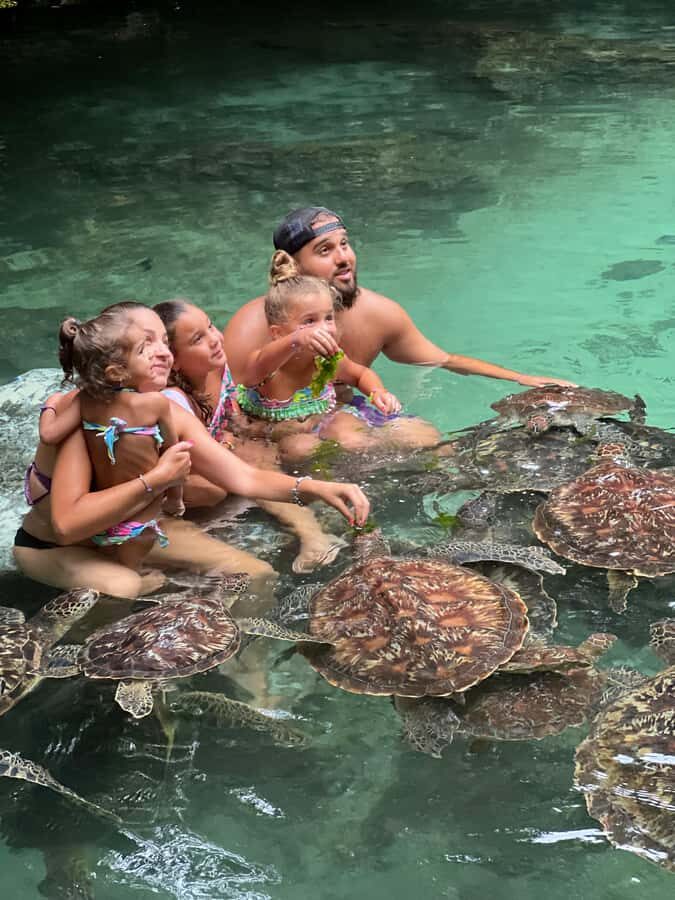
Your visit starts at the Baraka Aquarium Bungalows reception in Nungwi. Plan to arrive a little early so you can settle in, meet the staff, and get briefed before you head to the water.
Once you check in, you’ll be introduced to the sanctuary’s mission and what happens to rescued turtles. That matters because it frames your time in the lagoon: you’re there to learn how recovery works, not just to tick a wildlife box.
The guide uses English, so you should be able to ask questions and understand the conservation explanation. If you want help with photos, you’ll likely get it—some guides are happy to take pictures for you, especially if you’re traveling solo.
The lagoon hour: feeding and swimming with rescued sea turtles
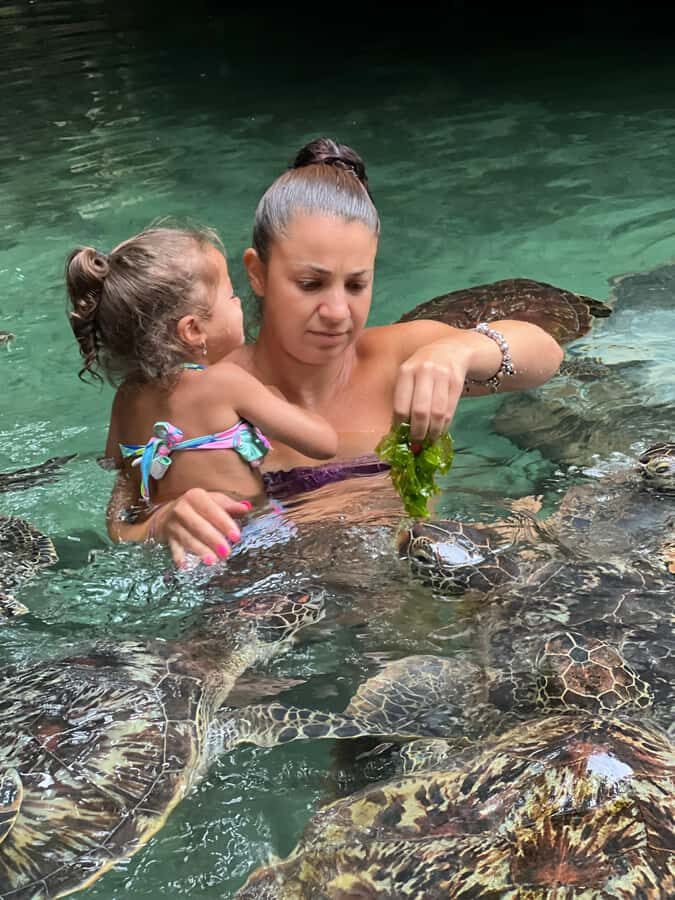
You’ll spend the bulk of your time in the lagoon. The experience is designed so it works for all ages, and you don’t need advanced swimming skills to join in.
When it’s your turn, the interaction is straightforward. You’ll learn how to feed the turtles (using the sanctuary’s approach) and then you can swim alongside them in the clear water. The turtles often glide calmly around you, which is exactly the point—this isn’t about wrestling for attention.
One practical caution: don’t rush. Turtles are curious, and they can bite if you move too fast or if you put your hands where they’re curious but not expecting pressure. Go slow, keep your body relaxed, and follow your guide’s positioning advice.
If you’re the type who loves wildlife but hates the “stand behind a rope” feeling, you’ll probably like this. You’re not just watching from a distance—you’re in the water, with guidance, and you get to see how these animals behave when they’re not being handled.
What you’ll learn during the conservation talk
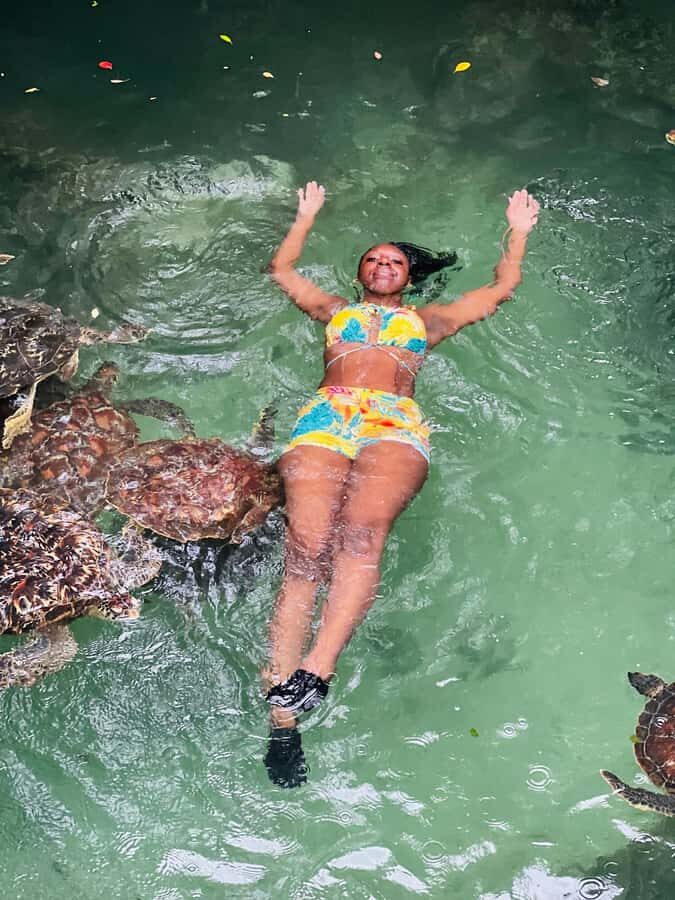
The educational part is part of the value. Your guide will explain how injured or endangered turtles are rehabilitated and protected, and you’ll hear facts about different turtle species and their life cycle.
I like this approach because it turns the experience into something you can carry home. Instead of thinking, That was cool, you end up thinking, That’s the reason a sanctuary exists in the first place—and what kind of harm they try to prevent.
You’ll also learn how turtles fit into the wider ocean ecosystem. Even if you don’t remember every detail, you’ll walk away with a clearer sense of why protecting turtles matters beyond the animal itself.
Timing tips: when to go for calmer water and fewer people
The sanctuary is open daily from 8:00 AM to 6:00 PM. Within that window, timing can change the feel of the lagoon.
Going early has a real advantage. When you arrive around 8:00 AM, you may find the lagoon less crowded, which makes it easier to focus on the turtles’ behavior. You’ll also spend less time waiting and more time actually in the water.
Late afternoon can also be great. If you time your visit closer to 5:00 PM, you might catch conditions where the water looks extra beautiful and the area feels calmer with fewer people. Tide can affect water color and how the space feels, so if you have flexible plans, choose your time thoughtfully.
If you’re a photographer, both early and late have perks. Early gives you quieter water and more time to observe. Late can give you a nicer color tone, which makes turtle photos look more dramatic.



Price and value: is $13 really enough?
At $13 per person, this tour is priced like a local activity, not a luxury wildlife performance. You’re paying for guided time, entry to the sanctuary, and the chance to feed and swim with rescued turtles—plus a conservation explanation.
That’s a solid value combination. Many wildlife encounters charge more just to access a viewpoint. Here, you get guided interaction time in the lagoon, which is the expensive part of the experience in real life: staff supervision, sanctuary operations, and safe management.
Two things can affect your overall value. First, you’re responsible for getting there—hotel pickup and drop-off aren’t included. Second, you’ll want to arrive prepared so you don’t waste time hunting for a towel or realizing you forgot the one thing that’s required.
If you’re looking for a genuinely meaningful wildlife moment in Zanzibar that doesn’t feel overpriced, this is one of the better bets at its price level.
What to bring (and what Zanzibar won’t allow)
Keep your packing simple. Bring a towel—that’s the only must-have listed for the experience.
Bring a camera too. You’ll want it. Getting close enough to capture how the turtles move is the whole point of the day, and it’s usually much easier to bring your own camera than rely on someone else’s timing.
Now the “don’t do this” list is important:
- No sunscreen while you’re at the sanctuary.
- No alcohol and drugs.
That sunscreen rule matters more than people expect. Even if you’re not thinking about product chemistry, the sanctuary asks you to skip it entirely, so plan to protect yourself with clothing and shade instead.
Who this turtle swim is best for
This is a strong fit for animal lovers who want a close encounter with a conservation message built in. It’s also a good match for families, since it’s described as suitable for all ages and doesn’t require advanced swimming skills.
Couples often like it because it feels calm and “once-in-a-lifetime” without being stressful. If you’re traveling with kids, the chance to learn about turtle life cycles and why they need rescue can make it feel more like a meaningful outing than a random splash.
If you have animal allergies, this is not suitable. Also, if you’re the kind of swimmer who hates the idea of any animal contact at all, you’ll probably feel uneasy. This is still wildlife, even if it’s in a sanctuary setting.
Making it work in your Zanzibar day plan
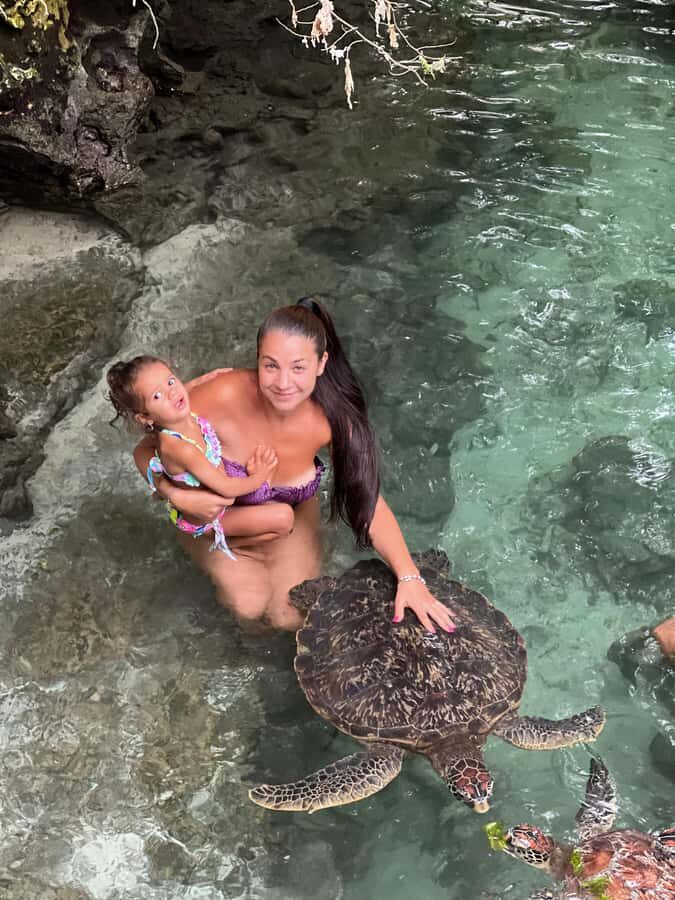
The meeting point is fixed: Baraka Aquarium Bungalows reception in Nungwi. Since pickup and drop-off aren’t included, you’ll want to budget for getting there on your own—by taxi, local transport, or whatever method you’re already using in the area.
Once you check in, expect a guided flow: you’ll be briefed, then you’ll head into the sanctuary experience, then you’ll return to the starting area after your time in the lagoon. Reviews commonly describe about an hour in the water, so plan your schedule accordingly.
Also, keep the rest of your day flexible. After you rinse and change, you’ll likely still have the “just met turtles” feeling, and you may not want to immediately stack something intense right afterward.
Should you book the Swim with Turtles Sanctuary Tour?
I think this is worth booking if you want something hands-on, guided, and tied to real conservation work. The price is approachable, the setting is designed for safety and respect, and you leave with more than a souvenir—you leave with an understanding of how rescued turtles are protected.
Skip it if you’re not comfortable around animals (especially in the water), or if you have animal allergies. And if you’re extremely nervous about turtles biting, remember: the interaction is managed, but you still need to follow guidance and move gently.
If your time in Zanzibar includes a morning or late-afternoon window, I’d aim for one of those quieter timeslots. It’s when the lagoon tends to feel most personal—and you’ll get the most out of that close, calm swim.
FAQ
Where do I meet for the turtle sanctuary tour?
You should come directly to the Baraka Aquarium reception in Nungwi. The staff there will welcome you and guide you to the activity.
How long is the experience?
The schedule is set up for about an hour at the sanctuary, including the guided portion and time in the water.
Is hotel pickup and drop-off included?
No. Hotel pickup and drop-off are not included, so you’ll need to get to the meeting point on your own.
Do I need to be an experienced swimmer?
No advanced swimming skills are required. The experience is set up so people can join without being advanced swimmers.
What should I bring?
Bring a towel. You may also want to bring a camera for photos during the experience.
What items are not allowed?
Alcohol and drugs are not allowed. Sunscreen is also listed as not allowed during the activity.
What language is the guide?
The tour guide is listed as speaking English.