REVIEW · KIWENGWA
Zanzibar: Spice Farm & Stone Town Tour with Lunch
Book on GetYourGuide →Operated by TripTrek · Bookable on GetYourGuide
Old streets, strong smells, one great day.
This tour mixes a spice farm sensory walk with an on-foot Stone Town history route, so you get the why behind Zanzibar’s Spice Island nickname. I like that you’ll taste and smell specific crops like turmeric, cardamom, cinnamon, black peppers, cloves, and nutmeg, not just hear about them. I also like the Stone Town pace: markets and key landmarks without feeling rushed. One consideration: the included lunch can be simple (and it may be eaten in an informal setup), so go in expecting basic, not fancy.
You’ll start with hotel pickup and a van ride, then do an approximately 2-hour guided walk through a private spice farm. After lunch, the tour shifts into Stone Town, with a guided route that covers Darajani market areas plus famous street details and historic influences. The guide experience matters here, too—some groups have praised guides like Samir for mixing history with humor, and others have thanked guides such as Salum and Izaac.
If you like shopping, bring the right mindset. There’s time for shopping at both stops, and one thing to watch is that souvenir pricing can rise fast when you’re tired and hungry (especially around markets).
In This Review
- Key Things to Know Before You Go
- Zanzibar Spice Farm + Stone Town: Why This Combo Makes Sense
- Spice Farm Walk: What You’ll Actually Taste and Smell
- The Included Lunch at the Spice Plantation
- Stone Town Walking Tour: Darajani Markets and Arab-Design Streets
- Old Fort, Freddie Mercury House, and the Street-Level Details
- Slave Market Access: What’s Included and What Costs Extra
- Shopping in Zanzibar Markets Without Getting Burned
- Van Transfers and Timing: How the Day Flows
- Price and Value: Is $50 Fair for Spice Farm + Stone Town?
- Who This Tour Fits Best (and Who Might Prefer Something Else)
- Should You Book This Zanzibar Tour?
- FAQ
- What is the duration of the Zanzibar Spice Farm & Stone Town Tour?
- What does the spice farm part include?
- Which spices are mentioned in the tour?
- Is hotel pickup and drop-off included?
- Is lunch included?
- Is the slave market ticket included?
- Is English the guide language?
Key Things to Know Before You Go
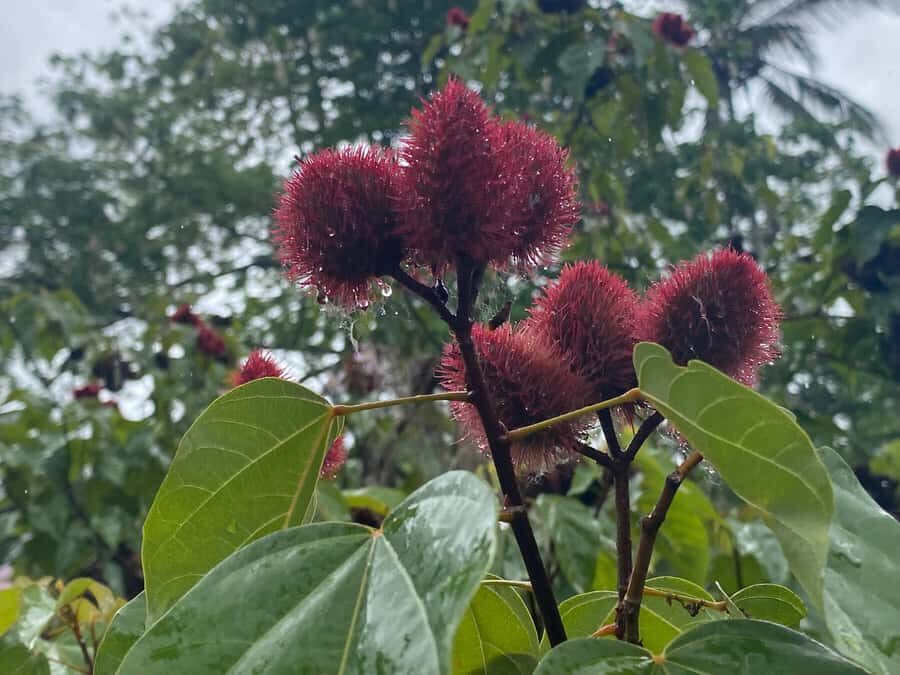
- Smell-first spice farm walk: You’ll taste and smell spices grown on Zanzibar, including turmeric and cloves.
- Two zones in one: A spice farm lunch day pairs nature and markets in the same 7 hours.
- Stone Town on foot: Old streets with Arab-style design features, plus market visits like Darajani.
- Landmarks you can connect to: Old Fort area and Freddy Mercury House are part of the route.
- Slave market access may cost extra: The slave market ticket is not included unless you add it on.
- Shopping time exists: You’ll have opportunities to buy—so plan to bargain lightly and choose carefully.
Zanzibar Spice Farm + Stone Town: Why This Combo Makes Sense
Zanzibar days can be either all-beach or all-city. This one is different. It’s built around two things Zanzibar does unusually well: spices and street-level history.
At the spice farm, you’re not stuck watching someone point at plants. You get guided walking time, a chance to taste fruits and spices, and an explanation of how these crops shape daily life and Zanzibar trade. Then, you switch to Stone Town with a guide who helps you connect what you saw on the farm—fragrances, trading value, and cultural exchange—to what you see in the city: markets, architecture, and layered influences.
The best part for your planning is that it stays realistic. You’re on the move for about 7 hours total, with clear blocks of time: van transfers, roughly 2 hours on the farm, and about 2 hours in Stone Town. It’s a full day, but not an all-day grind.
You can also read our reviews of more tours and experiences in Kiwengwa.



Spice Farm Walk: What You’ll Actually Taste and Smell
The spice farm portion is the heart of the tour. You’ll arrive at a private spice farm for a guided visit that includes walking and time to shop. The tour is designed around a sensory experience—so don’t treat it like a museum stop. Expect to slow down, pay attention to smells, and try spices the way locals use them: by experience, not by reading.
Here’s what’s specifically highlighted as part of the spice tasting and exposure:
- Turmeric
- Cardamom
- Cinnamon
- Black peppers
- Cloves
- Nutmegs
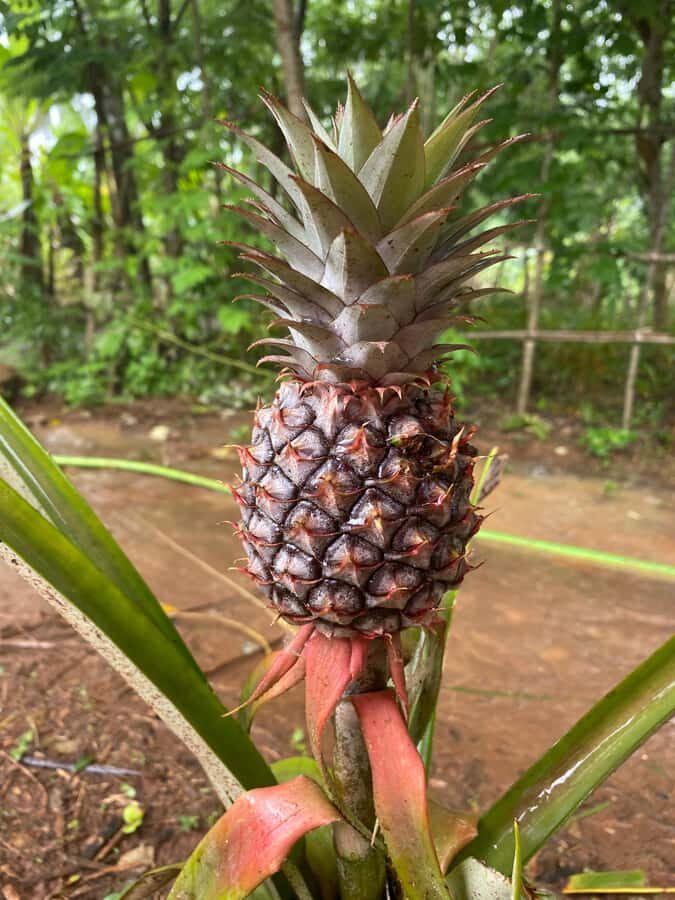
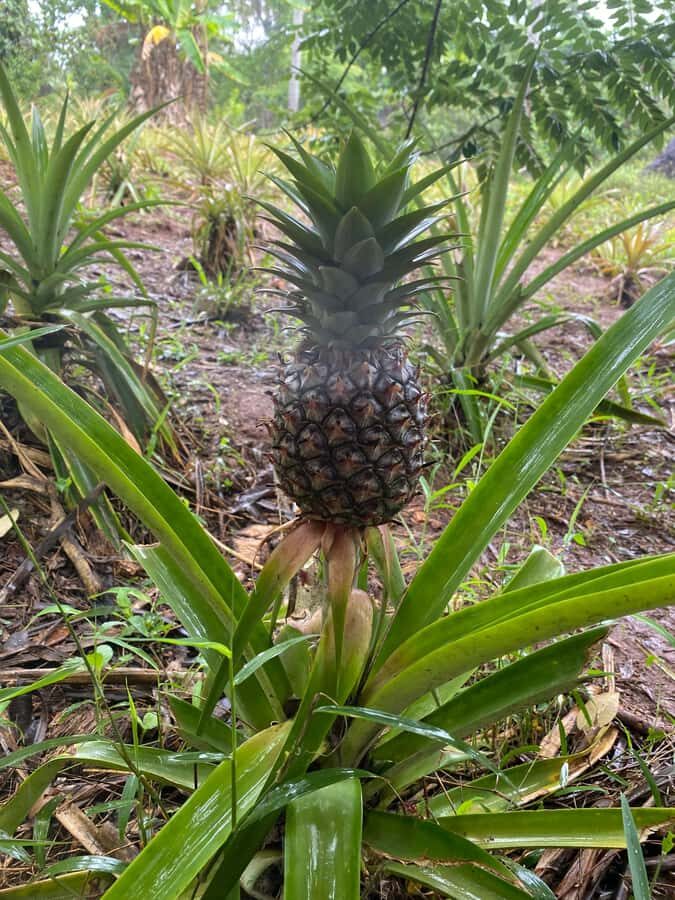
Depending on the day, you may also find talk about tropical fruits grown alongside these spices. You’ll be in a setting described as rainforest nature with lots of tropical plants and trees, which matters because it explains why Zanzibar historically became so important in global spice routes.
Practical tip: wear light, breathable clothes and closed-toe shoes with grip. You’ll be walking on uneven surfaces, and the whole point is getting close enough to smell and touch what’s growing.
The Included Lunch at the Spice Plantation
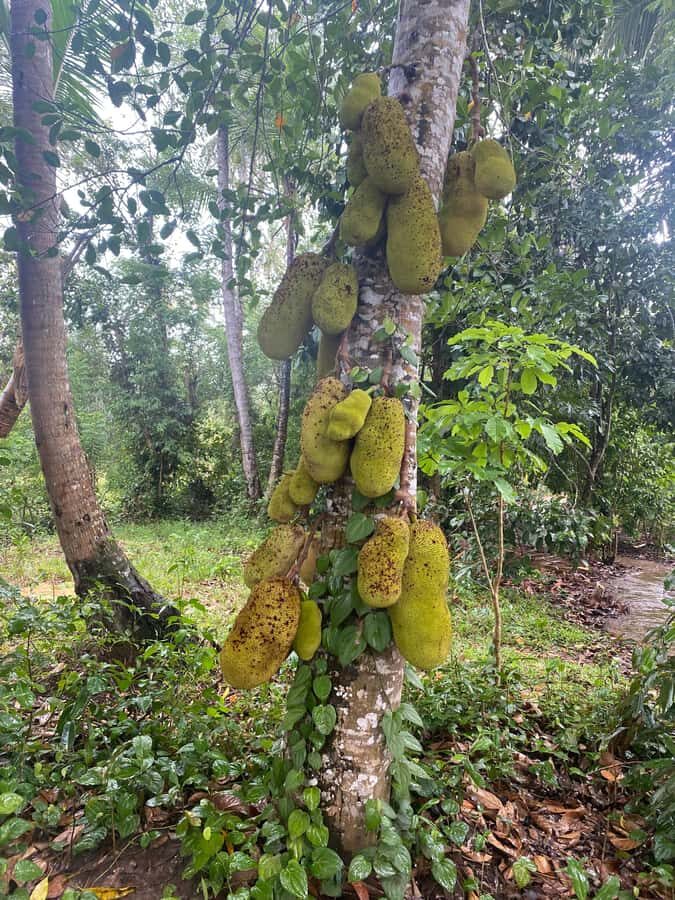
Lunch is included, which is a big value point for a 7-hour day. It’s eaten at the spice farm as part of the experience, so you’re not forced to hunt for food between the van ride and Stone Town.
That said, go in with the right expectations. Some groups have described the lunch as traditional but simple, and one account noted an informal setup where food was eaten on the floor. Translation: it’s not about table service or a spotless dining room. It’s about being fed in the environment you came for.
What to do with that information:
- If you like trying local food, you’ll probably enjoy the vibe.
- If you’re picky about formality, plan to adjust your expectations and focus on taste and setting instead.
If you’re sensitive to heat, note that you’ll likely spend time outdoors before and after lunch. Bring a light water plan, and keep your pace calm.
Stone Town Walking Tour: Darajani Markets and Arab-Design Streets
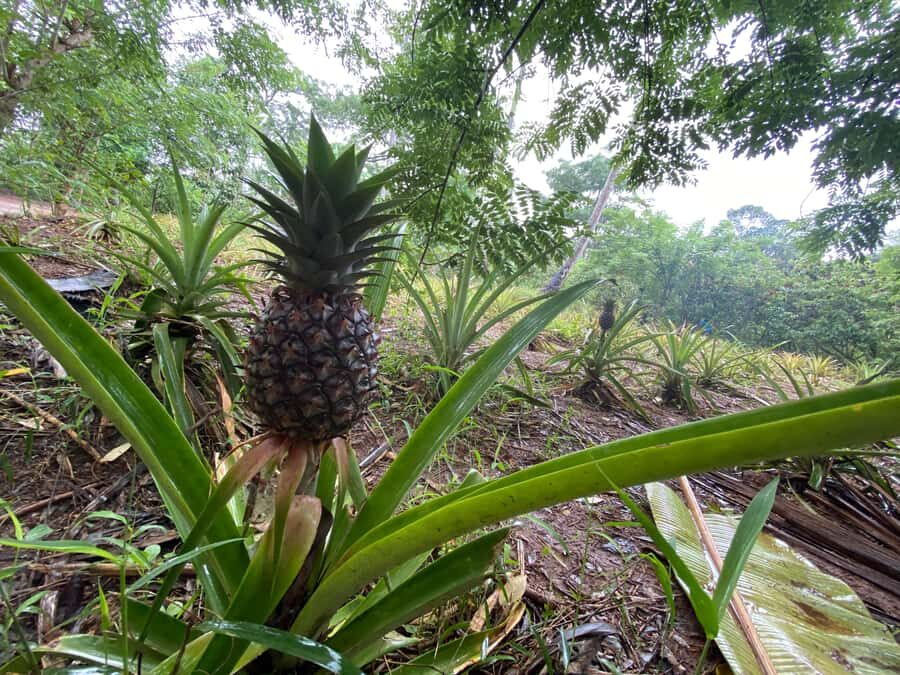
After lunch, you head to Stone Town for guided sightseeing on foot. This is where the tour becomes more urban and historical, and where your spice-farm context starts paying off. Zanzibar’s spices were valuable, and Stone Town’s streets reflect that—through trade, architecture, and market life.
Your Stone Town segment includes:
- guided walking through old streets
- time for shopping and sightseeing
- a food market visit
- Darajani markets, including areas associated with fish and produce
One of the standout descriptions of Stone Town here is the presence of Arab designs in the streets. That’s not just decorative trivia. It’s a clue to why the city looks the way it does and how different cultures interacted on this island.
The guide experience is crucial. Some guides, like Samir, have been praised for explaining what you’re seeing with energy and humor, and for keeping the group engaged while moving through market areas. If you like a guided narrative (not just a checklist of sights), this is where you’ll feel it.
Practical note: markets can be intense. Keep your phone secure, watch your footing, and don’t let souvenir shopping distract you from the actual walking route.
Old Fort, Freddie Mercury House, and the Street-Level Details
Stone Town isn’t one attraction—it’s a web of spots you connect as you walk. This tour includes stops tied to recognizable landmarks and stories.
Highlights included in the route:
- Old Fort
- Freddy Mercury House
- market areas like Darajani fish market and spice-focused markets (time is built into the guided route)
- street sightseeing designed around influences across different dynasties
The Old Fort connection is useful because it gives you a sense of how power and protection mattered in a trading hub. Freddy Mercury House is the fun, modern punctuation mark that helps you anchor the day in something widely recognizable—even if your main interest is architecture and history.
If your travel style is photos plus meaning, you’ll like how the guide helps you translate street design into a story. If you’re more of a slow-stroll person, pace yourself around markets; the city is dramatic, but it can be crowded.
Slave Market Access: What’s Included and What Costs Extra
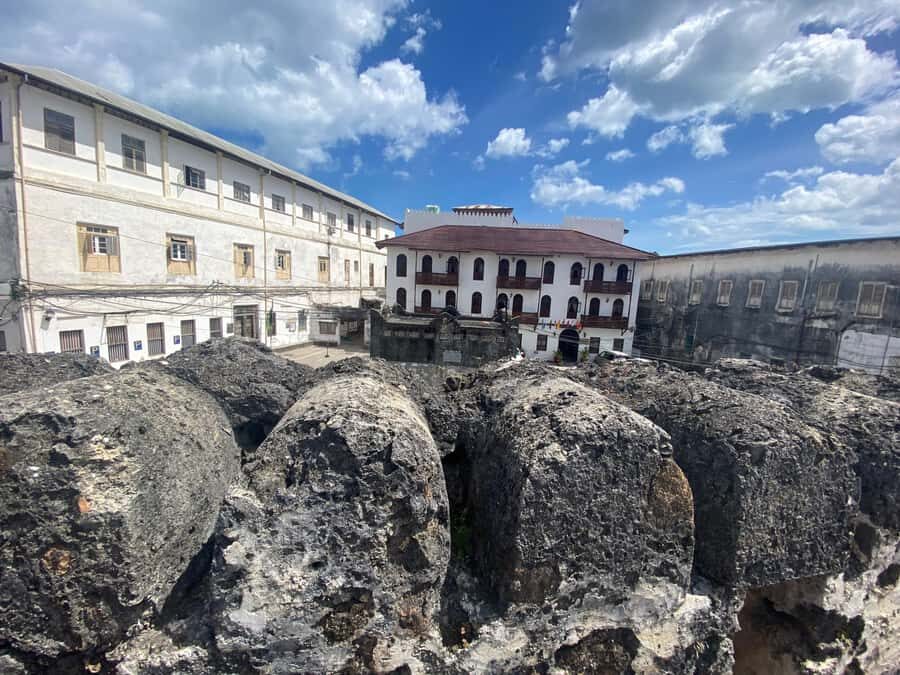
The tour description includes the opportunity to see the slave market. However, the slave market ticket is not included unless you select it as an add-on. That’s an important planning detail because the stop can be emotionally heavy.
If you choose to add it on, approach it as a historical responsibility moment, not a casual photo stop. If you’re unsure, ask your guide how the stop fits into your exact route and timing so you can decide without feeling pressured.
Also, because it’s an official ticketed site in this tour setup, you’ll want to carry the right mindset for paperwork and rules. Keep your plans flexible so you don’t get stuck trying to decide at the last second.
Shopping in Zanzibar Markets Without Getting Burned
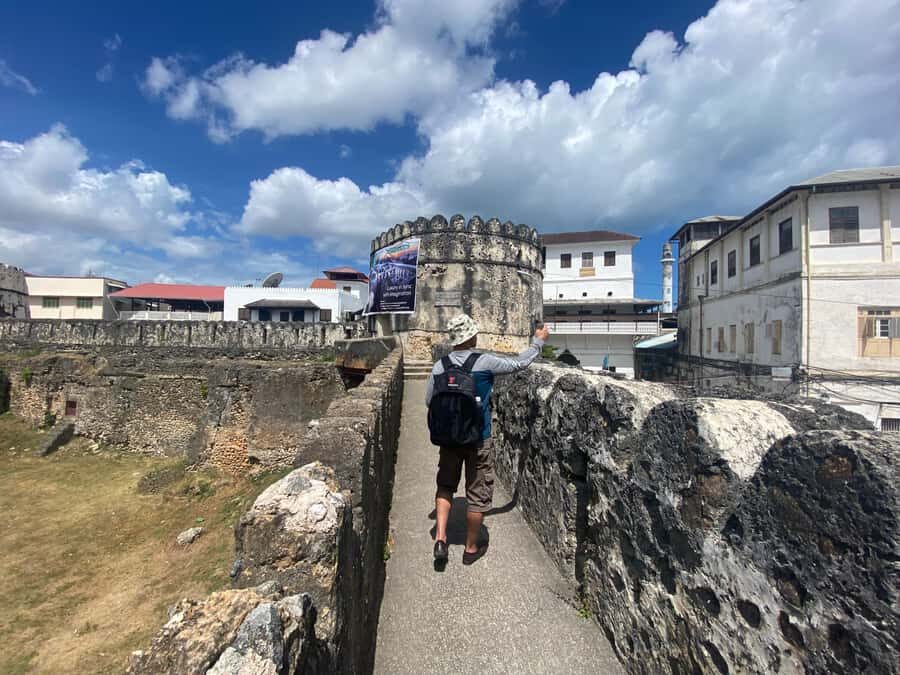
You’ll have shopping time both at the spice farm and in Stone Town. That’s part of the appeal—Zanzibar is a place where spices are genuinely worth buying if you know what to look for and how to handle them.
The key value move here is attitude. One of the clearest pieces of practical advice from experience: at souvenir and spice moments, prices can jump. You’ll likely feel that more if you’re distracted, hot, or running on hunger.
Use these tactics:
- Shop after you’ve heard the guide’s explanation—then you know what you’re buying.
- Compare options quickly, not slowly. Make a decision, then move on.
- Don’t overbuy at one stall. Your nose and taste will adjust as you walk.
If you want spices to actually work in cooking, focus on what you can store and use. Strong-smelling whole spices often keep longer than pre-ground blends.
Van Transfers and Timing: How the Day Flows
This tour runs about 7 hours total and uses a van for transport. The schedule is structured like this:
- pickup from one of 8 hotel locations
- van time of about 75 minutes
- spice farm visit with a guided walk and shopping for about 2 hours
- a short van transfer (about 15 minutes) to Stone Town
- Stone Town guided tour and market visit for about 2 hours
- return van time of about 75 minutes to drop-off
That rhythm matters because it keeps you from bouncing around aimlessly. It also means you’re not free to linger in one place all day. If you want maximum flexibility, this isn’t the style—this is the guided “see the core and learn it” option.
Your pickup experience is designed to be easy: the driver recognizes guests through room number, and the pickup list includes areas like Pwani Mchangani, Matemwe, Kizimkazi Mtendeni, Paje, Uroa, Kiwengwa, Nungwi, and Kendwa.
Comfort tip: bring a light layer for the van ride and keep water accessible. Zanzibar weather can shift, and your day includes outdoor time in both nature and markets.
Price and Value: Is $50 Fair for Spice Farm + Stone Town?
At $50 per person, this tour has a clear value argument. You’re paying for a full guided day that includes:
- hotel pickup and drop-off
- a guide
- spice farm entrance fees
- lunch
And you’re getting two experiences tied together—spice farm nature learning plus a Stone Town walking tour with market time. That combination usually costs more when booked separately, because you’d need separate guides, separate transport arrangements, and separate food stops.
Where value can feel less perfect is at the edges:
- If you want to visit the slave market, you may need to pay an added ticket.
- Lunch is included, but it can be simpler than what some people expect.
- Shopping upsells can inflate what you spend beyond the base tour price.
Still, for most visitors, $50 is competitive because the heavy lifting is handled for you: transport, guide, entrance fees, and a meal.
Who This Tour Fits Best (and Who Might Prefer Something Else)
This tour fits best if you want:
- a guided day that mixes nature and city history
- an explanation-led spice experience with tasting and smelling
- a walking route through Stone Town that covers Darajani markets and major street landmarks
It may be less ideal if you:
- need a very formal dining setup for meals
- dislike markets and crowds
- want total freedom to customize every stop
- are sensitive to the emotional weight of slavery-related history (especially if you add the ticket)
Group size is described as private or small groups available, which is a plus if you want less chaos on the streets.
Also note a rule: alcohol and drugs are not allowed. If you’re thinking about bringing anything for your day, skip it.
Should You Book This Zanzibar Tour?
I’d book this if you want one efficient day that turns Zanzibar’s Spice Island story into something you can smell, taste, and then see reflected in Stone Town markets and architecture. The structure—spice farm walk, included lunch, and an on-foot Stone Town route—makes the day feel purposeful instead of random.
Before you book, decide these two things:
- Do you want the slave market ticket as an add-on? If yes, plan for the added cost and emotional weight.
- Are you comfortable with a simple included lunch setup in a plantation setting?
If both answers are yes, this is a strong value pick for a first or second day in Zanzibar—especially if you enjoy guided walking, market energy, and practical shopping for real spices.
If you want to keep plans flexible, the tour offers free cancellation up to 24 hours in advance and reserve now, pay later, which is handy if your Zanzibar schedule might shift.
FAQ
What is the duration of the Zanzibar Spice Farm & Stone Town Tour?
The tour lasts about 7 hours, including pickup, van transfers, the spice farm portion, and the Stone Town walking tour.
What does the spice farm part include?
You get a guided visit with shopping and a walk of about 2 hours at the spice farm, plus the chance to taste and smell spices and fruits grown on Zanzibar.
Which spices are mentioned in the tour?
The tour specifically highlights turmeric, cardamom, cinnamon, black peppers, cloves, and nutmegs.
Is hotel pickup and drop-off included?
Yes. The tour includes hotel pickup and drop-off, with multiple pickup and drop-off options across Zanzibar.
Is lunch included?
Yes. Lunch is included, and it is served at the spice farm.
Is the slave market ticket included?
No. The slave market ticket is not included unless you select it as an add-on.
Is English the guide language?
Yes. The live tour guide speaks English.