REVIEW · JAMBIANI
Zanzibar Spice Tour &Cooking Class with Lunch Pickup Include
Book on GetYourGuide →Operated by Comexplore tours & safari · Bookable on GetYourGuide
Spices tell Zanzibar’s story in 6 hours. This half-day spice farm walk plus cooking class turns what you see into what you taste and then what you cook.
I really like two parts: the guided walk where you learn plants, spices, and tropical fruits by smell and sample, and the way you harvest key ingredients before sitting down to eat a traditional homemade lunch. The setting matters too, since you get a clear view of native Zanzibar vegetation.
One thing to keep in mind: the cooking portion may feel more guided and demo-style than fully hands-on. If you’re expecting to do every step yourself, plan for a little less control than you might imagine.
In This Review
- Key highlights you should care about
- Spice Island lessons you’ll actually use at the table
- Price and logistics: $58 for a half-day with transport
- The 09:30 start: how the drive sets the tone
- Kizimbani spice farm walk: smell, taste, and native vegetation
- Harvesting ingredients that become lunch
- The cooking class with local guidance: how hands-on is it?
- Lunch is the point: a real meal, not just a snack
- What’s included (and why it makes the day easier)
- How to judge the value for your style of travel
- Quick practical tips before you go
- Who should book this spice tour and cooking class?
- Should you book? My decision checklist
- FAQ
- What time does the tour start?
- Where is the spice farm located?
- How long is the experience?
- Is lunch included?
- Does the tour include pickup from my hotel?
- What languages are available for the guide?
- Is the activity wheelchair accessible?
Key highlights you should care about
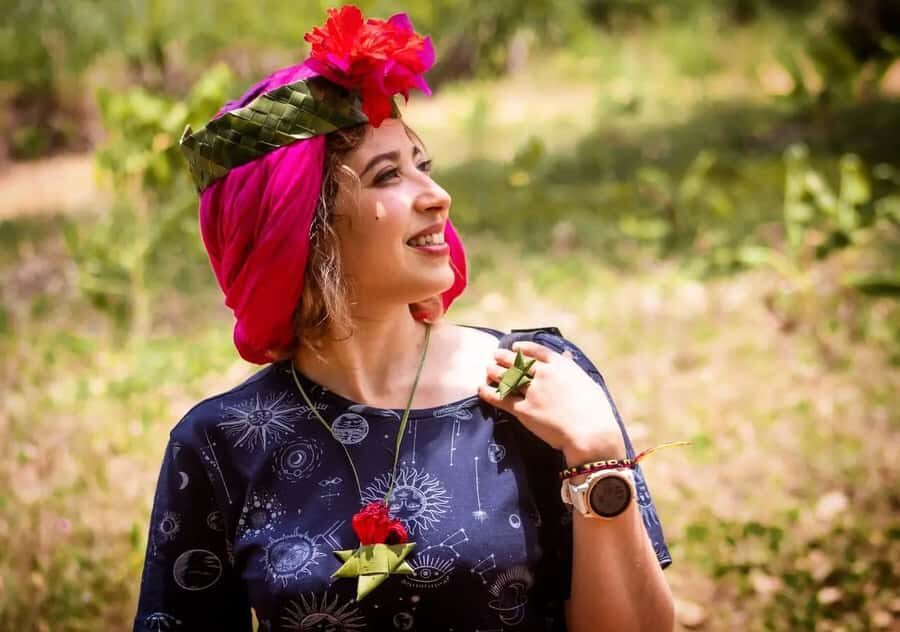
- Spice-farm tour in Kizimbani (about 15 km from Stone Town), with guided explanations you can taste
- Harvesting ingredients that connect the farm visit directly to your meal
- Local instruction for preparing a traditional cuisine lunch you eat together
- Hotel pickup and drop-off timed around a 09:30 start and ~14:00 return
- Tropical fruits plus mineral water included during the experience
- English-speaking guide offered, with multiple other language options too
Spice Island lessons you’ll actually use at the table
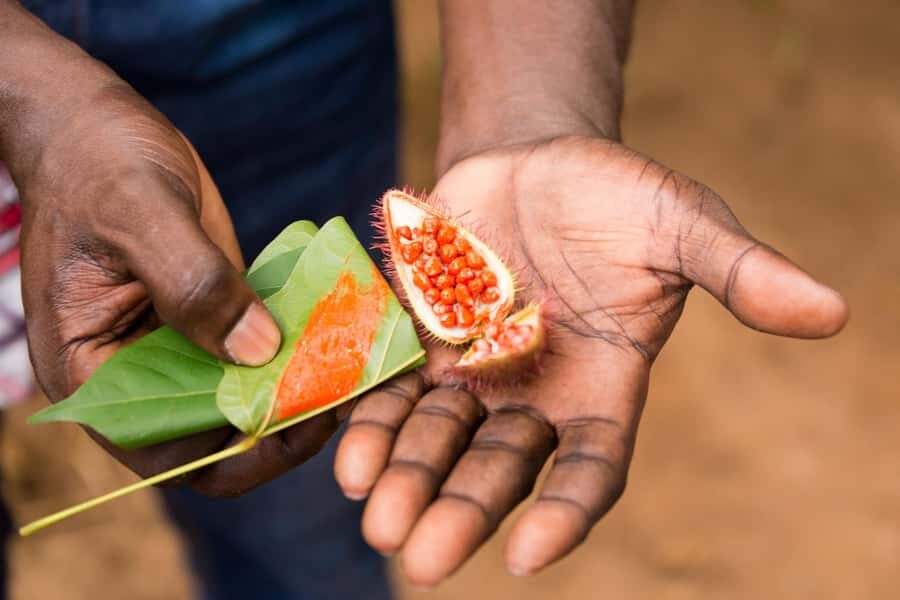
Zanzibar really does live up to the nickname Spice Island—mainly because spices aren’t just souvenirs here. They’re grown, processed, used, and eaten. This tour is built around that practical reality: you go to a working spice farm, you learn what’s what, and then you cook and eat what you collected.
What I like most is the cause-and-effect rhythm. You don’t just hear about spices—you meet the plants, you smell them, you taste samples, and then you take that knowledge into a traditional cooking class. Even if you consider yourself a casual foodie, it’s the easiest way to understand why certain flavors show up again and again in Swahili-style meals.
The pace also works. In about 6 hours, you get farm time, cooking time, and a proper lunch, with pickup built in from your hotel area.
You can also read our reviews of more tours and experiences in Jambiani.
Price and logistics: $58 for a half-day with transport
At $58 per person for a 6-hour experience, the value comes from what’s bundled rather than the headline cost. You get:
- hotel pickup and drop-off
- an English-speaking guide
- farm visit with tropical fruits and water
- a traditional cooking class with lunch
- all government fees
In plain terms: you’re paying for guided access to a working spice farm plus a full meal experience, not just a quick photo stop. If your time in Zanzibar is tight, this kind of packaged half-day tends to feel efficient, especially because the drive is handled for you.
One more practical note: the tour starts at 09:30 and returns around 2:00 pm. That makes it a good choice if you’re trying to avoid a full-day commitment but still want something meaningful beyond the beach.
The 09:30 start: how the drive sets the tone
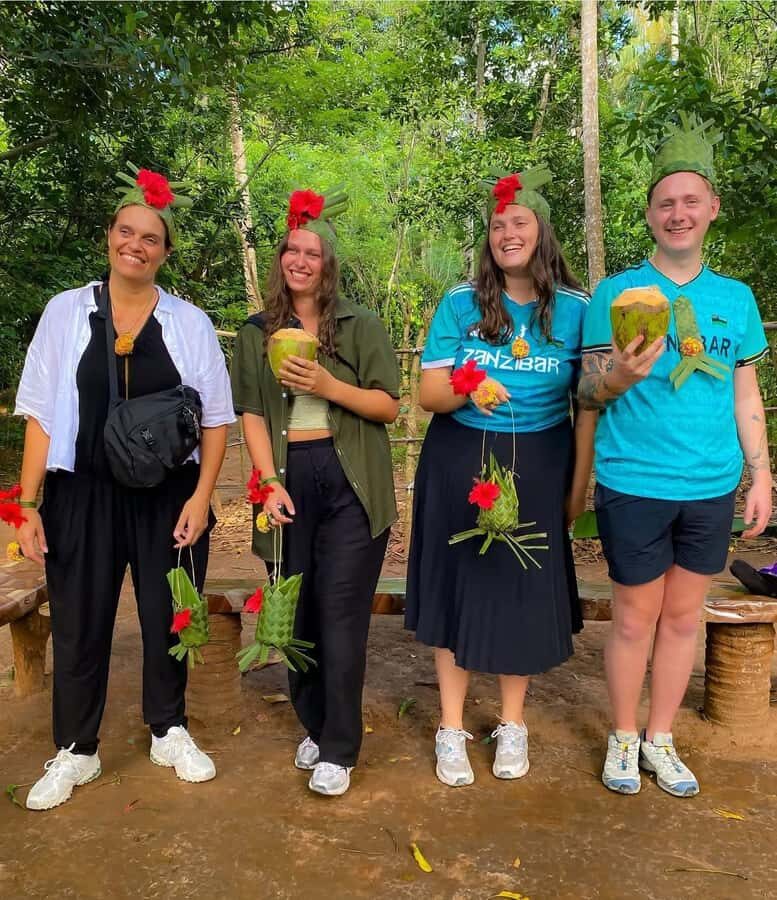
You’ll meet at your hotel location (the meeting point is the place you provide), then head out together from Stone Town area. The spice farm is in Kizimbani, about 15 kilometers northeast of Stone Town.
Why this matters: the drive is often when the guide can frame what you’ll see. In the experience, the guide’s explanations during transit are part of the value, because they help you connect plant names to everyday Zanzibar flavors rather than learning facts in a vacuum.
If you want to use the experience to the fullest, treat the morning drive as your warm-up. Ask simple questions like:
- Which spices are most common in daily cooking?
- What should I notice when I’m on the farm walk?
- How do the tropical fruits fit into meals or flavoring?
This is the kind of tour where a few smart questions can make the whole day feel smoother.
Kizimbani spice farm walk: smell, taste, and native vegetation
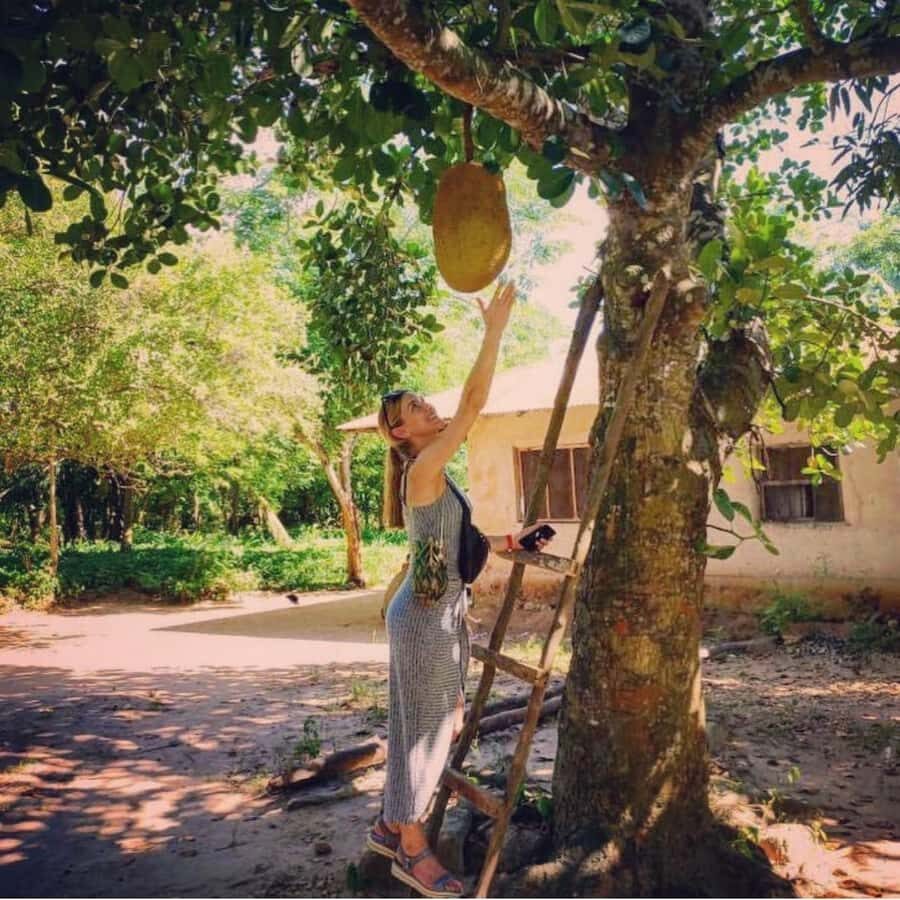
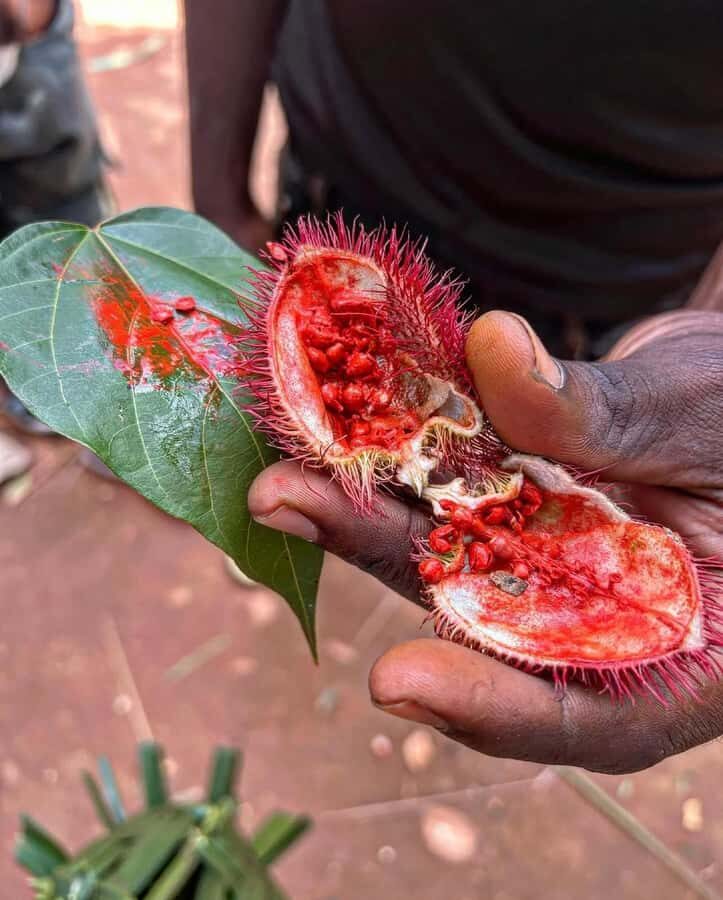
The farm section is the heart of this outing. You’ll have a guided tour through the spice farm and learn about the plants—through both smell and sample. That’s important because spices are sensory. A quick look doesn’t teach you much if you don’t also understand scent and flavor.
You should expect to see tropical fruit and spice plants growing in a real farm setting. The information you get tends to focus on what each ingredient is used for, and you’ll likely be guided around the native vegetation of Zanzibar, so you’re not just looking at tidy rows. You’re seeing what grows and how it’s part of the local environment.
What to pay attention to while you walk:
- how the plant looks versus how it smells
- whether the guide ties each spice to a cooking use (not just a name)
- which fruits you’re sampling and how they taste compared to what you know from home
This is one of those experiences where your brain starts “translating” from nature to cooking. That translation is the real souvenir.
Harvesting ingredients that become lunch
After the farm tour, the program moves into a hands-on stage: you’ll harvest the most important ingredients you’ll need for your traditional cooking class.
Even if you don’t consider yourself a cooking person, this step is more than a fun activity. It’s the bridge between two halves of the tour:
1) learning about ingredients in the field
2) using them in a meal you eat right after
This “collected ingredients → cooked meal” connection is why the experience tends to feel memorable. You’re not just watching cooking happen. You’re part of the ingredient story.
One practical tip: if you’re given a chance to prepare ingredients, take it seriously. Clear up questions immediately—like how the ingredient will be used and how the guide wants it handled. That attention helps you avoid that awkward moment where you’ve helped harvest but don’t know what the next step is.
A few more Jambiani tours and experiences worth a look
The cooking class with local guidance: how hands-on is it?
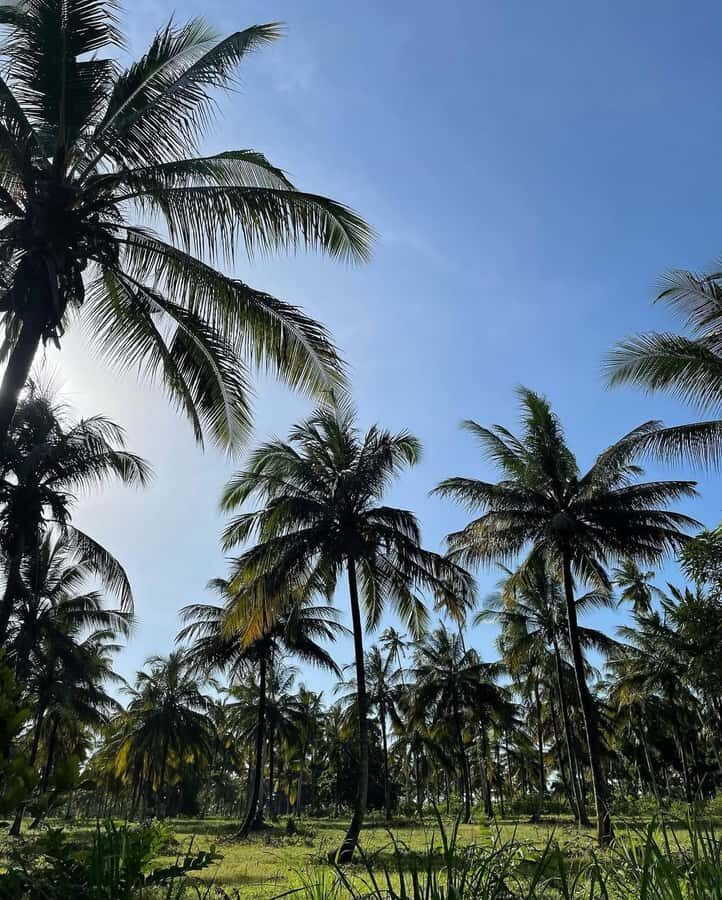
After harvesting, a local woman teaches and guides you through the cooking process. The goal is to prepare a traditional meal from Zanzibar cuisine, and then you share the food together.
Here’s the part worth planning for: the cooking class experience can range from active participation to more of a guided demonstration. In the feedback you can use as your guide, people appreciated that the class was well explained and the food was excellent—while some also noted the women did most of the cooking, with guests doing more prep than actual cooking steps.
So, what should you expect?
- you’ll learn through guidance and explanation
- you may help prepare ingredients after the harvest
- the final cooking actions may be led by the local women
If you want a truly hands-on cooking role, I’d go in with the mindset of participating in prep and learning the process rather than expecting to run the whole kitchen. That expectation keeps the experience fun instead of disappointing.
Also, one name that comes up in the class is Luthia. If your cook instructor is Luthia, it looks like you’re in good hands based on feedback.
Lunch is the point: a real meal, not just a snack
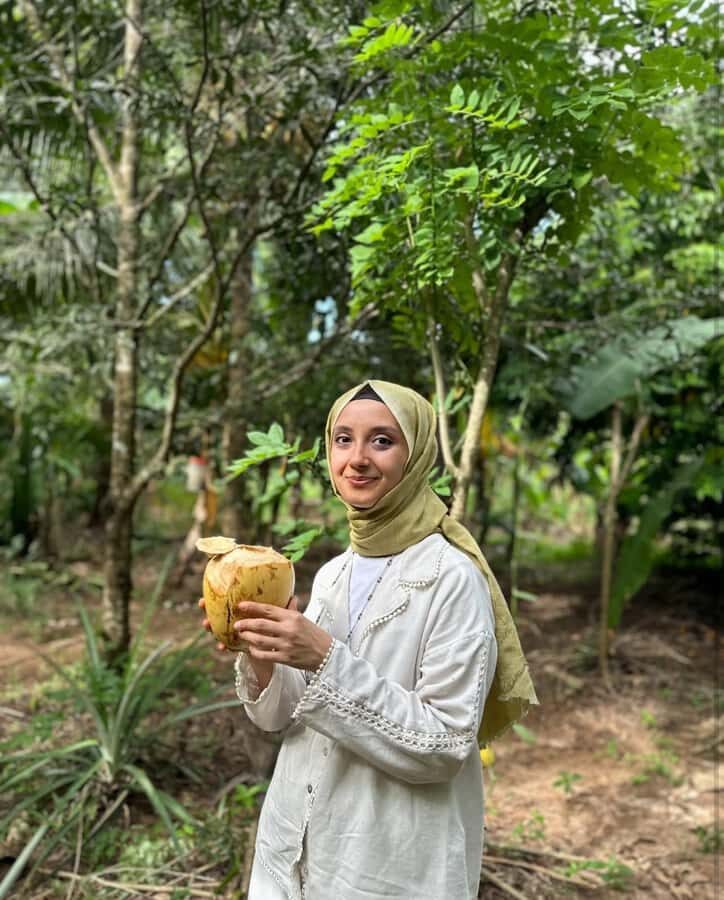
Lunch is included, and it’s not an afterthought. Based on feedback, the food is very tasty, and portions can be generous—enough that people mention there was more than they could finish.
This part matters for two reasons:
- It rewards your morning effort. You’re not just collecting information; you’re eating something created for the group.
- You can taste what you learned. The spices and fruits you handled on the farm show up in a way you can actually remember.
If you have dietary restrictions, nothing in the provided info guarantees special modifications. So it’s smart to be upfront with your guide about allergies or foods you avoid—before the cooking begins.
What’s included (and why it makes the day easier)
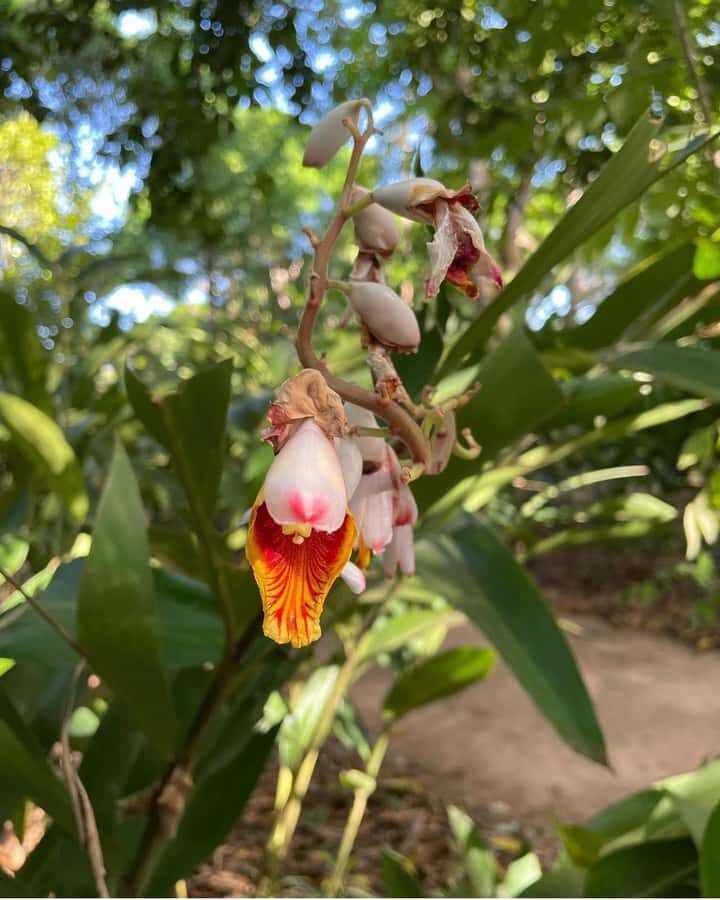
The tour includes practical basics so you can focus on the experience:
- pickup and drop-off from your hotel
- English-speaking guide (plus Italian, French, German, Spanish)
- lunch
- mineral water
- tropical fruits and water
- all government fees
That means you’re not juggling tickets, finding a meeting point, or worrying about where your meal comes from. The schedule is also tight and clear: depart in the morning, return around early afternoon.
And yes, the experience is wheelchair accessible, which is a big plus if mobility is a concern.
How to judge the value for your style of travel
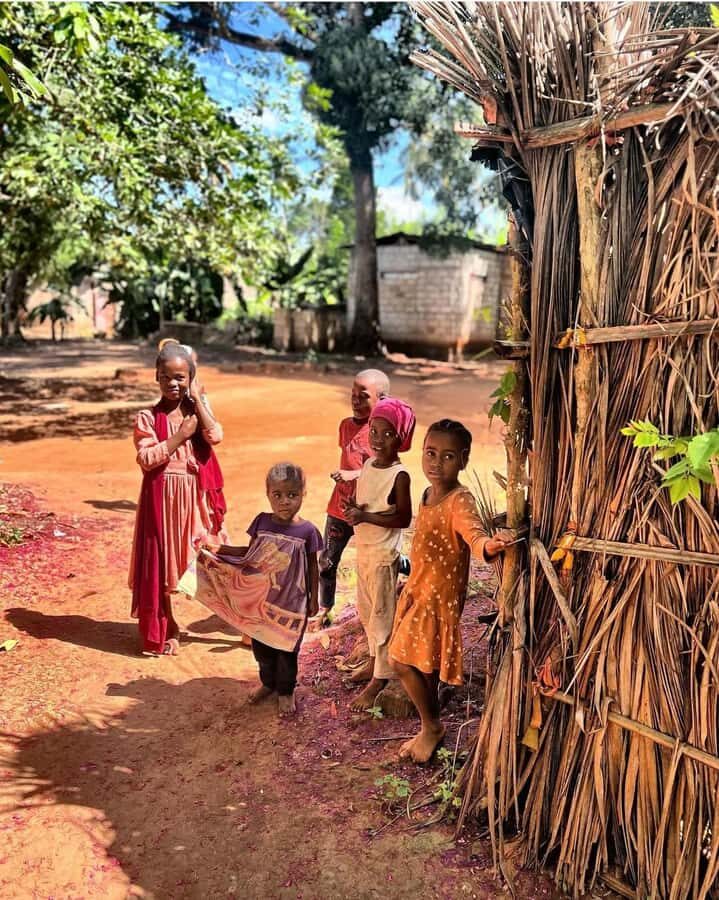
This tour tends to be a strong fit if you want:
- a farm visit with real context (not just photos)
- a cooking experience tied to ingredients you saw growing
- a guided explanation in a language you understand
- a half-day plan that won’t eat your whole vacation
It might be less ideal if your top priority is:
- mastering hands-on cooking steps end-to-end
- spending long hours at one stop without a tight schedule
- a fully interactive kitchen experience where you do everything
For many people, the sweetness of this tour is exactly in that balance. You learn. You taste. You help where possible. Then you eat.
Quick practical tips before you go
A few small moves will help your day feel smoother:
- Plan to be ready for a 09:30 pickup. Zanzibar mornings can start faster than you expect.
- Bring something light and comfortable for walking on a farm path.
- If you like spices, ask the guide to point out what you should remember later when you’re ordering food.
- If you’re hoping for more hands-on cooking, politely ask during the start of the class what participation will look like.
Also: wear sun-safe basics. You’ll be outside for the farm section.
Who should book this spice tour and cooking class?
Book it if you’re a curious eater, a first-timer who wants the basics of Zanzibar flavors, or someone who likes learning through senses—smell, taste, and observation.
Skip it (or consider another option) if you mainly want a free-roaming experience, or if your dream cooking class is heavy on you doing all the cooking steps. This one is structured around learning and sharing a traditional meal, with participation that may be more prep-focused.
It’s also a great match for couples and small groups who want a shared activity with a clear payoff: a guided morning and lunch you can talk about on the way back.
Should you book? My decision checklist
If you want a meaningful Zanzibar food experience that’s structured, guided, and ends with a satisfying lunch, this is a solid choice—especially at $58 with pickup included.
I’d book it if:
- you’ll enjoy learning spice and fruit plants directly
- you like the idea of harvesting ingredients and then eating what you helped create
- you prefer a guided half-day schedule from your hotel
I might hesitate if:
- you expect to fully run the cooking yourself
- you dislike demo-style classes and prefer a more workshop-like format
If you match the first set of conditions, this tour is a very efficient way to get beyond the generic Zanzibar postcard and into the flavors that locals actually cook with.
FAQ
What time does the tour start?
The tour starts at 09:30 in the morning.
Where is the spice farm located?
The spice farm is in Kizimbani, about 15 kilometers northeast of Stone Town.
How long is the experience?
The duration is about 6 hours.
Is lunch included?
Yes. Lunch is included, and you’ll also enjoy the meal you help prepare during the cooking class segment.
Does the tour include pickup from my hotel?
Yes. Pickup and drop-off are included from your hotel location (meeting point is where you provide).
What languages are available for the guide?
The guide is available in English, Italian, French, German, and Spanish.
Is the activity wheelchair accessible?
Yes, the experience is wheelchair accessible.