REVIEW · AFRICA
Arusha; Walking City Tour History, Culture & Lifestyle
Book on GetYourGuide →Operated by African Snarl Safari · Bookable on GetYourGuide
Arusha is best when you walk it. This tour strings together German-era museum walls, the Arusha Clock Tower, and two different markets, so you understand how the city lives day to day. I especially like the markets stop time and the museum-to-street mix, and one thing to plan for is that the Natural History Museum entry fee is not included.
You’ll also get a guide who can turn the walk into real conversation, with lots of practical answers. Names I’ve seen associated with this experience include Israel and Daudi, plus guides like Innocent, Jackson, and John, and people highlight how flexible they can be with pacing and questions.
Do keep your expectations in check: this is a walking tour (moderate walking), and it isn’t suitable for wheelchair users, people with mobility impairments, or pregnant women. Also, if your hotel is farther from the center, pickup may cost extra.
In This Review
- Key things I’d plan around before you go
- Starting at the Natural History Museum inside a German fortress
- Walking the government and meeting-diplomacy zone (AICC, EAC, hospital landmarks)
- The Arusha Clock Tower and the Cairo-to-Cape Town midpoint idea
- Tanzanite Experience Museum: how a gemstone story becomes local life
- Maasai Market: crafts, jewelry, textiles, and the art of asking
- Central Food Market: colors, spices, and what locals actually buy
- African Art Gallery and Cultural Heritage Centre: cultural context you can take home
- Price and logistics: is $28 good value?
- What the walking part feels like (and how to handle it)
- Who should book this Arusha walking city tour
- Who should skip it
- The bottom line: should you book
- FAQ
- FAQ
- How long is the Arusha Walking City Tour?
- What does the $28 price include?
- Is the Natural History Museum entrance fee included?
- Do you offer pickup from hotels?
- What languages are tours offered in?
- What should I bring for the walk?
- Is the tour suitable for people with mobility impairments?
- Is food or drinks included?
Key things I’d plan around before you go
- Natural History Museum in a colonial German fortress sets the tone fast
- Government district landmarks like the East African Community Headquarters and AICC give context
- Tanzanite Experience Museum explains the stone behind Tanzania’s best-known gem
- Maasai Market vs. Central Food Market means crafts plus everyday ingredients
- African Art Gallery and Cultural Heritage Centre closes with culture, not just shopping
- Souvenir timing can be easier since the guide can hold items while you keep walking
Starting at the Natural History Museum inside a German fortress
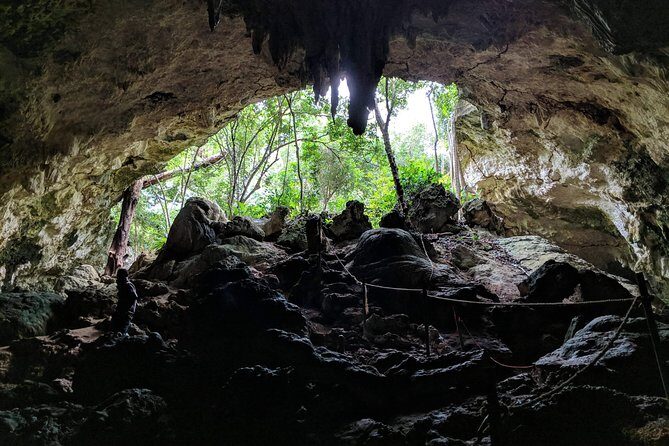
Your tour kicks off at the Natural History Museum, and the building matters as much as the exhibits. It’s housed in a colonial-era German fortress, which gives you a physical sense of how European presence shaped early institutions in East Africa. Even before you get into the displays, the space helps you frame Arusha as more than a gateway town.
What you’ll see here is geared toward understanding the region. You can expect exhibits connected to human evolution, local wildlife, and the wider past of the area. This is a good opener because it gives background before the route starts touching politics, markets, and daily routines.
One practical catch: the Natural History Museum entrance fee is $6 per adult and it’s not included in the tour price. If you want less hassle, bring cash ready for that first stop.
You can also read our reviews of more tours and experiences in Africa.



Walking the government and meeting-diplomacy zone (AICC, EAC, hospital landmarks)
After the museum, you shift from history into present-day Arusha. Your walk takes you through the governmental district and past key landmarks that many visitors never see because they stick to short sightseeing loops.
From the route description, you’ll pass the East African Community Headquarters and Mount Meru Hospital, and you’ll also go by the Arusha International Conference Centre (AICC). The AICC is a big clue for what Arusha is good at: hosting regional events and acting as a hub for decision-making. Seeing these places on foot helps you connect the city’s role in Tanzania and the wider region to the way streets are laid out around institutions.
If you’re the kind of person who likes to connect the dots—how a city’s geography shapes its jobs and rhythms—this part of the walk is useful. It turns your trip from souvenirs mode into “I get the city” mode.
The Arusha Clock Tower and the Cairo-to-Cape Town midpoint idea
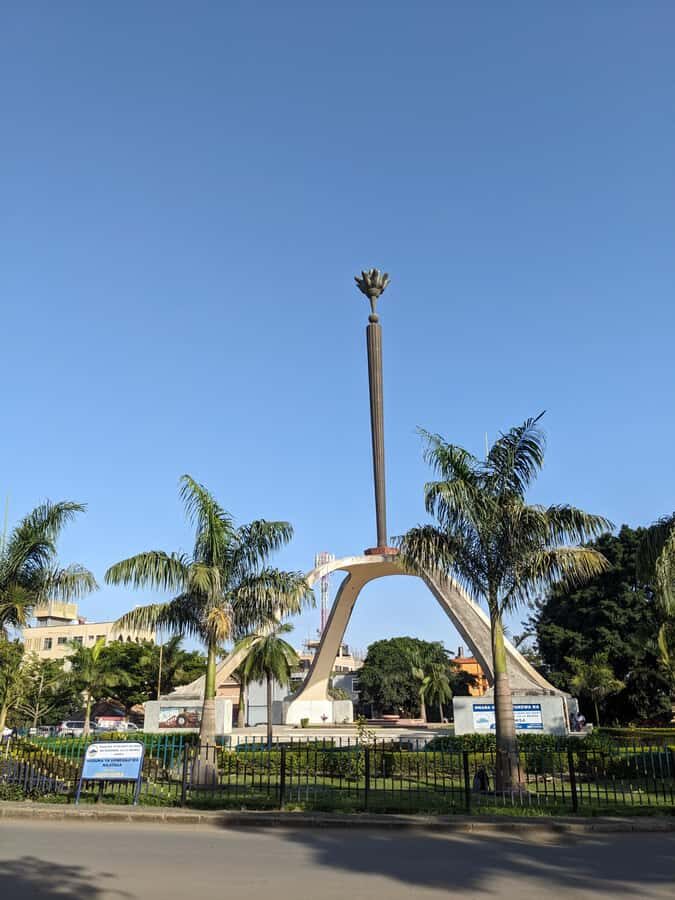
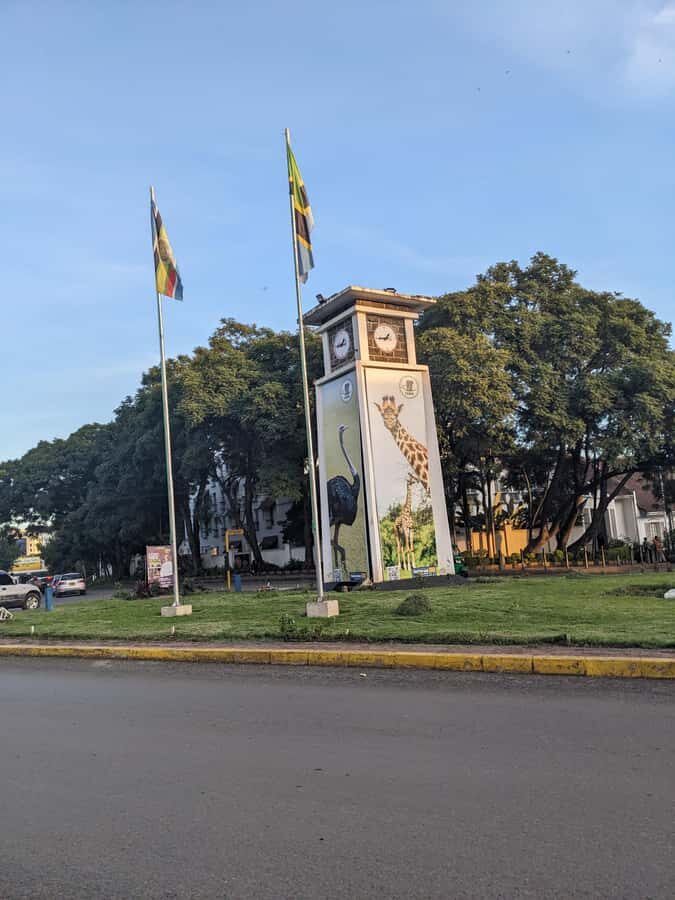
Next comes the Arusha Clock Tower, described as the symbolic midpoint between Cairo and Cape Town. Even if that sounds like a fun fact, it’s actually handy. It gives you a mental bookmark for where you are in a long-distance story of Africa, trade routes, and colonial-era mapping.
You don’t need to stand here for long. The point is to notice how this tower works as a local symbol, not just a photo spot. For me, the best value in a walking tour is that these waypoints keep reappearing through context—what you saw in the museum begins to make sense when you’re surrounded by real city landmarks.
Some guides may also take you by other notable nearby landmarks on this general stretch, since route emphasis can shift a bit with timing and group needs.
Tanzanite Experience Museum: how a gemstone story becomes local life
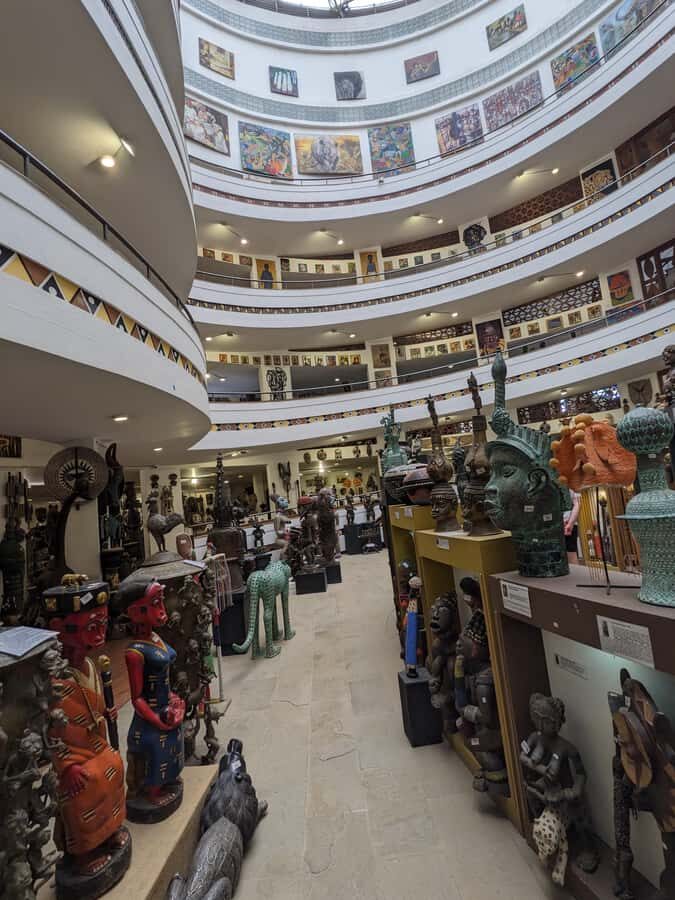
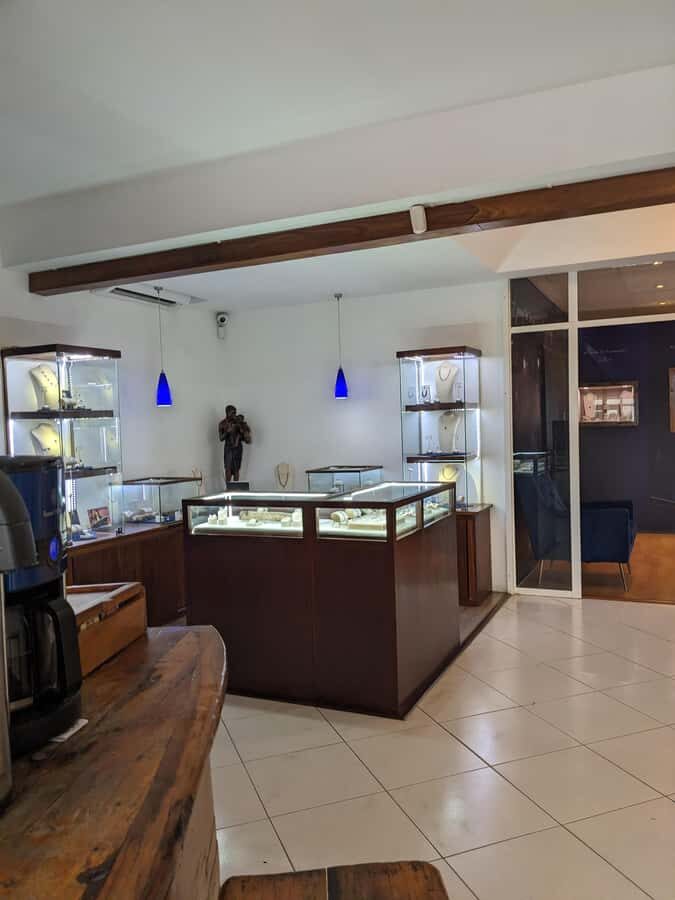
Then you move into the Tanzanite Experience Museum. This is one of the most “Tanzania-specific” stops on the walk, because it focuses on the history and mystery of Tanzania’s rarest gemstone. If you’ve heard people call Tanzanite the national gem, this museum helps you understand why it matters beyond branding.
You’ll learn how the stone’s story connects to Tanzania’s economy and to the way people market and value natural resources. And yes, shopping is part of the experience if you want it. If you’re not shopping, you can still treat it like a mini lesson: why this stone is sold the way it is, what claims get made, and how rarity gets turned into meaning.
If you do want to buy something, keep in mind you’ll be walking afterward. The good news is that during the tour, they can hold items for you while you keep moving, so you aren’t balancing bags the whole time.
Maasai Market: crafts, jewelry, textiles, and the art of asking
After the museums and symbols, you hit the busiest “human” part of Arusha: the Maasai Market. This is where traditional crafts show up in a way that feels closer to everyday commerce than museum display.
What you’ll do here is exactly what you should do at a market: look slowly, ask questions, and notice what’s popular. The market is described as a place for traditional crafts, jewelry, and textiles, and you’ll see how sellers present products and stories. Your guide’s role is big because they can explain what you’re looking at and help you make sense of prices and materials.
A walking tour like this also helps you avoid the common mistake of treating markets as one big shopping mall. The value is in the “how it works” part—what people are doing, how they talk, and how you fit in as a respectful visitor.
Bring cash. Even if you think you’ll use card, markets are often the place where cash stays king.
Central Food Market: colors, spices, and what locals actually buy
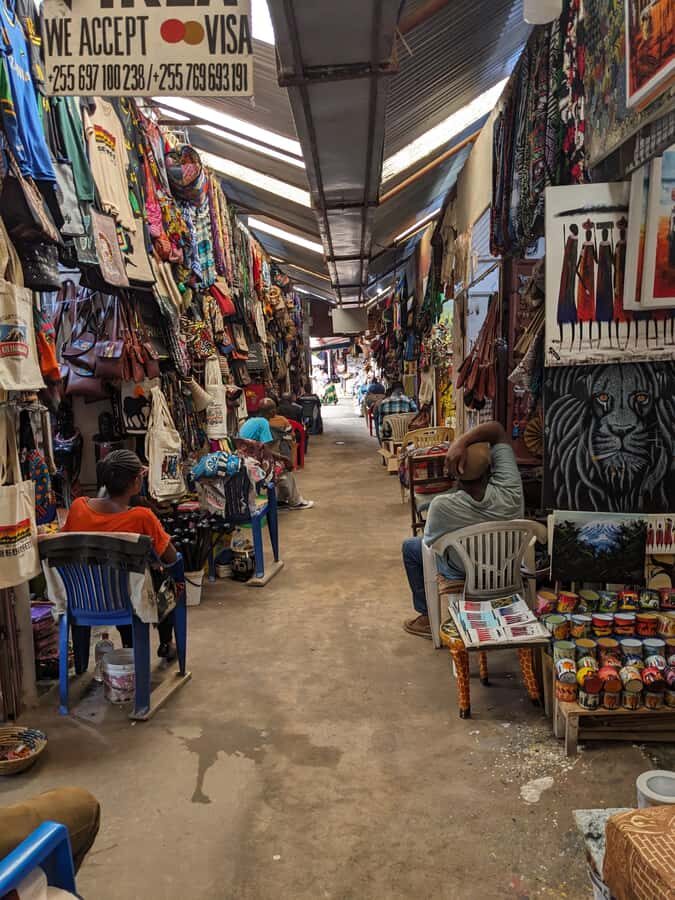
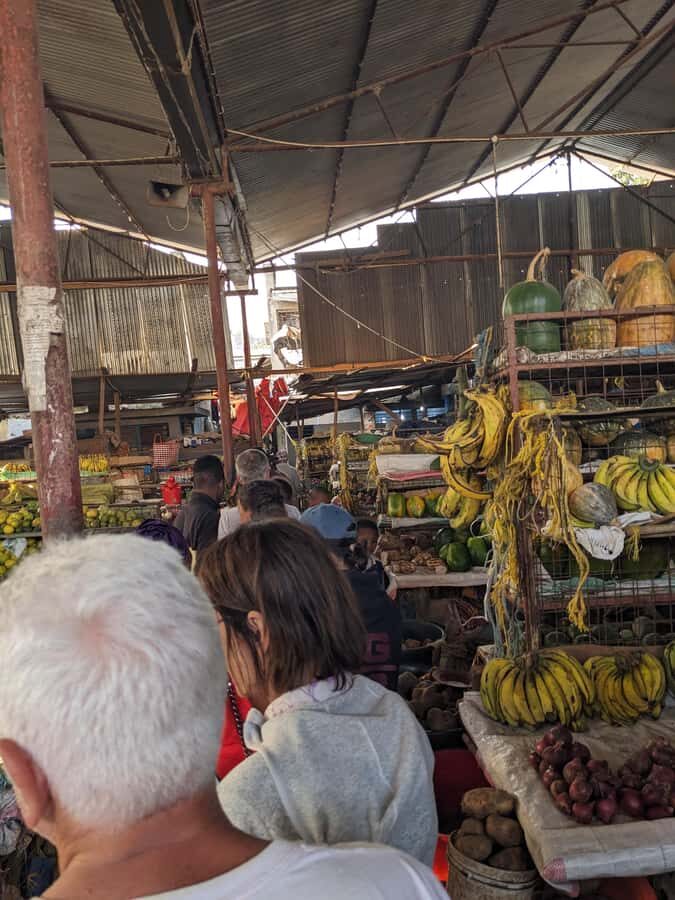
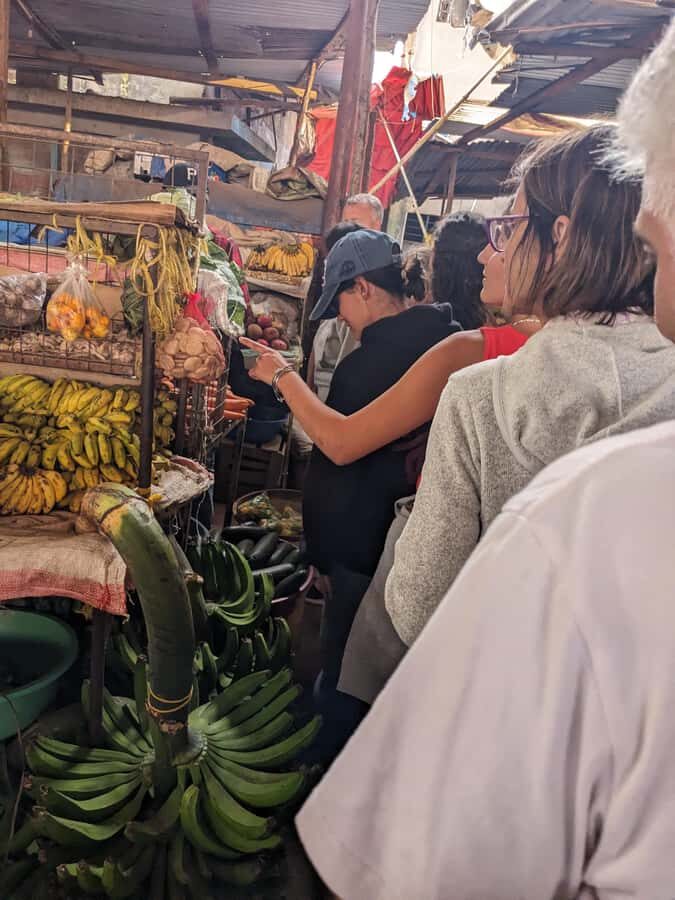
Next is the Central Food Market, and this is where the tour gets more practical in a very satisfying way. You’ll see produce, spices, and everyday ingredients, plus street food energy in the mix. Instead of being focused on gifts, this is about the rhythm of meals and buying habits.
The sensory details matter here: the colors and aromas are part of the learning. You’ll get explanations from your guide that can turn random fruit and spice bundles into something you can name and recognize later. If you’re doing safari right after Arusha, this stop also helps you reset your expectations. Many safari areas can feel “nature-only.” Here you get the human side back.
If you’re curious about food, this market is a great time to ask what locals eat and what you should try that won’t feel like a risk. Some guides also help coordinate an authentic meal style if you show interest, and that can turn the afternoon into something beyond sightseeing.
African Art Gallery and Cultural Heritage Centre: cultural context you can take home
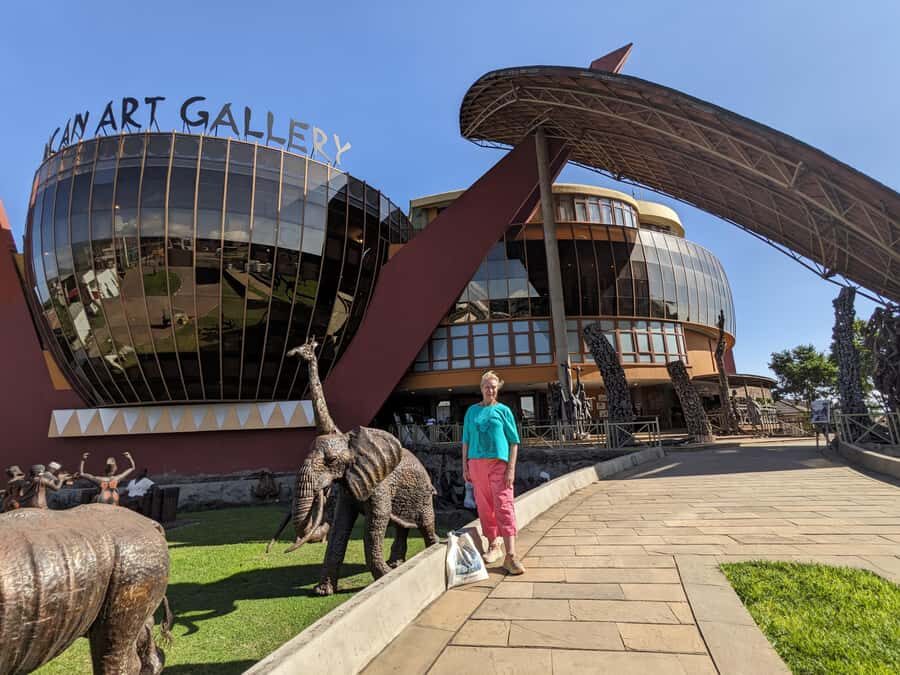
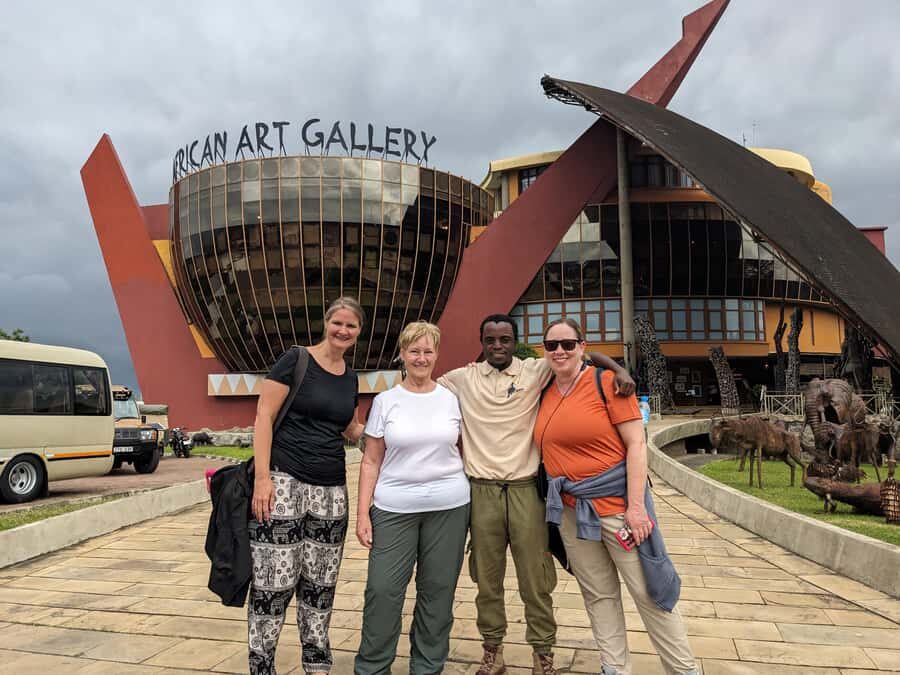
To finish, you move to the African Art Gallery and Cultural Heritage Centre. This stop is a real counterbalance to markets. Instead of chasing deals, you get a chance to see collections and learn how African art gets categorized and valued.
The description emphasizes that it houses one of the most extensive collections of African art on the continent. Even if you don’t plan to buy anything, it helps you look at what you saw in the market with better context. You start to see that “craft” is not just a souvenir category. It can represent histories, identities, and artistic traditions.
If you do like shopping, this part still feels more grounded. It gives your purchases a story, not just a price tag.
Price and logistics: is $28 good value?
At $28 per person for a 4 to 8 hour walking tour, the value is strong if you want an orientation to Arusha that goes beyond one or two landmarks. The included stops cover museums, two market experiences, and a cultural heritage/art finish. Plus, there’s a guide throughout and pickup and drop-off for hotels near the city center.
Just do the math before you go:
- Natural History Museum entry fee is $6 per adult (not included)
- Drinks and foods are not included
- If your hotel is farther from the city center, pickup/drop-off may cost extra
So your “all-in” cost depends on the museum fee and what you choose to eat or drink. Still, compared to paying separately for museum admissions and a private guide for multiple stops, the bundled format makes sense.
One more logistics note: pickup is included only for hotels close to the city center. After booking, they coordinate pickup details, and hotels farther out can be arranged with an extra cost that’s meant to stay affordable.
What the walking part feels like (and how to handle it)
This tour is moderate walking, and that’s not just a polite phrase. You’re moving through multiple districts and spending real time in markets. That’s why comfortable shoes are a must, and sun protection is equally important.
Here’s what to bring so you don’t ruin the day:
- Comfortable walking shoes
- Sun hat and sunscreen
- Water bottle
- Camera
- Cash for markets and the Natural History Museum fee
If you’re the type who hates carrying things, the souvenir-holding option helps. It won’t magically erase the need for a small day bag, but it can reduce the hassle if you plan to shop.
Also, language is listed as English, so you’ll get explanations and Q&A in English. That matters because much of the value comes from connecting what you see to the “why.”
Who should book this Arusha walking city tour
This tour fits best if you want:
- A structured way to see Arusha in a half-day window
- Museum context plus markets for crafts and food
- A local-style walk where the guide helps you talk to people and read the city
- Cultural stops that don’t feel like a hard sell
I’d especially recommend it as either:
- Your first day in Arusha, to get your bearings, or
- Your last day, to give the trip a “city meaning” wrap-up after safari
The guides associated with this experience are often praised for being friendly, flexible, and quick to answer questions. Some visitors also note help with practical matters like SIM cards, which tells you the guide role can go beyond pure commentary.
Who should skip it
Skip this if:
- You have mobility limitations or use a wheelchair
- You’re pregnant
- You want zero walking and minimal time on your feet
Also, if your main goal is wildlife viewing, this isn’t the format. This is about the city’s human side—history, culture, art, and markets.
The bottom line: should you book
If you’re trying to understand Arusha instead of just taking photos, this is the kind of tour that usually pays off. For $28, you’re getting a full route with museums, two types of markets, and an art/culture finish, plus a guide to connect the dots.
Book it if you’re comfortable walking for a few hours, you can handle paying the $6 museum entrance fee, and you want real street-level time. Pass if you need heavy mobility support or if you’re only interested in nature and distant viewpoints.
FAQ
FAQ
How long is the Arusha Walking City Tour?
It runs about 4 to 8 hours. Your specific time may depend on starting times and how the walk is paced.
What does the $28 price include?
The price includes the walking guided city tour, a local guide, Tanzanite Experience Museum, Central food market tour, Maasai Market visit, and African art gallery and cultural heritage centre visits. Pickup and drop-off are also included for hotels near the city center.
Is the Natural History Museum entrance fee included?
No. The Natural History Museum entrance fee is listed separately at $6 per adult.
Do you offer pickup from hotels?
Yes, pickup is offered from hotels near the city center. If your hotel is farther away (the information mentions hotels about 4 km or more), extra costs may apply. Pickup and drop-off after the tour are coordinated based on your hotel location.
What languages are tours offered in?
The tour guide is listed as speaking English.
What should I bring for the walk?
Bring comfortable shoes, a sun hat, sunscreen, a camera, water, and cash.
Is the tour suitable for people with mobility impairments?
No. It’s listed as not suitable for people with mobility impairments, wheelchair users, and also not suitable for pregnant women.
Is food or drinks included?
Food and drinks are not included, so you’ll want to plan for purchases during market stops if you want to eat.